
When to See Pulmonary Specialists for Chronic Cough, Asthma, or Long-term Lung Issues
Your quick guide to spotting lung health red flags and getting the care you need early.


If you want to breathe easily and stay active, you need healthy lungs. When lung problems develop, they can interfere with everyday life. Left untreated, they can even turn into more serious issues that require complicated treatments.
To keep your lungs healthy and avoid further complications, you need to see a specialist and catch the problem early on. Today, we’ll go over the different signs you can watch out for to know when it’s time to seek medical attention.
Understanding Lung Problems
Before learning to recognize the signs, you need a better understanding of lung problems. These issues can involve various parts of the respiratory system and evolve into different conditions, such as:
Asthma: A condition where the airways become inflamed, causing difficulty breathing and wheezing.
Chronic Obstructive Pulmonary Disease (COPD): A group of diseases that block airflow and make breathing harder.
Lung Infections: Such as pneumonia or tuberculosis, which cause inflammation and damage.
Pulmonary Fibrosis: Scarring of the lung tissue that reduces oxygen exchange.
Lung Cancer: Abnormal cell growth in the lungs that can spread if left untreated.
Signs That It’s Time to See a Pulmonary Specialist
Knowing when symptoms need a closer look can help catch lung issues early. Here are the most alarming signs indicating your lung health may be at risk.
Persistent Cough Lasting Over Three Weeks
A cough that lasts longer than three weeks can be a sign of a lung problem. You might notice it as a constant irritation in your throat, or it may come and go. Sometimes, you may feel tired or hoarse after coughing.
Until your appointment, try to rest, stay hydrated, and avoid irritants like smoke. If the cough worsens or other symptoms develop, seek medical attention promptly.
Shortness of Breath During Activities
If you find it difficult to breathe when walking, climbing stairs, or doing daily chores, it could be a sign of a lung or heart issue. You may feel chest tightness, fatigue, or even dizziness.
Until your visit, avoid strenuous activity and rest when needed. If breathing becomes very hard or sudden, seek emergency care immediately.
Wheezing or Noisy Breathing
Wheezing or whistling sounds when you breathe often happen when airways are inflamed or narrowed. You might notice these sounds during activity or at rest, and they can cause discomfort or shortness of breath.
Until your appointment, avoid triggers like smoke or strong odors. If wheezing worsens or is sudden and severe, seek urgent medical help to prevent further breathing difficulties.
Chest Tightness or Pain

Discomfort or pain in your chest can occur suddenly or gradually, often during physical activity. You might feel a squeezing or burning sensation. It may radiate to your shoulders and back.
Until your visit, rest and avoid heavy activity. If chest pain is severe or accompanied by difficulty breathing, seek emergency care immediately to rule out life-threatening conditions like a heart attack.
Frequent Colds or Chest Infections
Getting sick often can be a sign of an underlying lung condition, such as bronchitis or asthma. You might feel fatigued, develop a sore throat, or cough up yellow or green mucus.
Until your appointment, make sure you get enough rest, stay hydrated, and avoid irritants. If infections keep coming back or worsen, seek medical evaluation to identify and treat the cause.
Coughing Up Blood
Blood in your spit is a serious warning sign. You might notice streaks or clots of blood after coughing or spitting. This bleeding can happen suddenly and may be associated with chest pain or dizziness.
If you notice any blood, seek emergency care immediately. Do not wait. Prompt intervention is critical to determine the cause and prevent further complications.
Worsening Symptoms Despite Using Medications
If your cough or breathing problems worsen or don’t improve after taking prescribed medications, it’s time to see a specialist. You may feel short of breath, wheezing, or fatigued, even after the initial treatment.
Until your appointment, avoid allergens and tobacco smoke. Schedule your next visit as soon as possible to adjust your treatment plan and avoid other health issues.
Sudden or Severe Breathing Problems
If you experience sudden trouble breathing, feel faint, or have chest pain, seek emergency help immediately. You might feel like you can’t get enough air, or your chest may feel tight and heavy.
These symptoms can be life-threatening, requiring urgent medical attention. Do not delay. Call 911 or go to the nearest ER right away to receive the care you need.
Why Early Care Matters
Getting care early can prevent lung problems from worsening. Prompt visits allow for more accurate diagnosis and timely treatment, which can reduce the risk of serious health issues.
For instance, studies show that early diagnosis can improve lung cancer survival rates by up to 90% and prevent the disease from progressing into further stages.
Early management can also improve your quality of life by controlling symptoms and lowering the risk of complications. If you notice persistent or worsening breathing issues, act quickly to keep your lungs healthy.
What to Expect During a Visit to a Pulmonologist
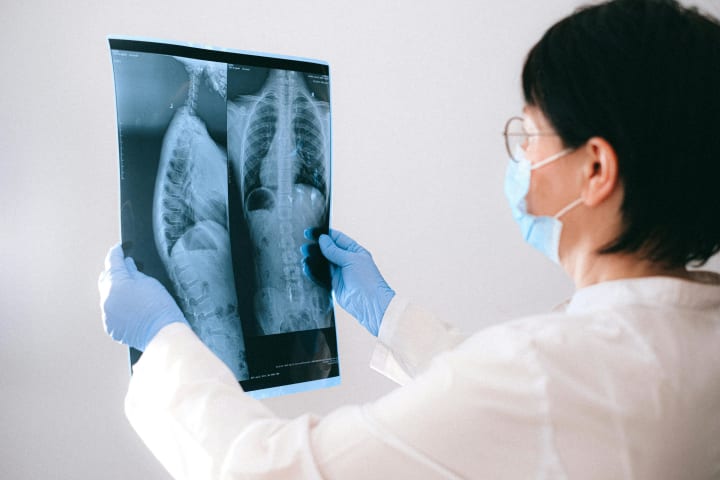
Here is how an appointment with a pulmonologist typically goes:
Medical History: The doctor asks about your symptoms, duration, triggers, and any past respiratory issues.
Physical Exam: They will listen to your lungs with a stethoscope to detect abnormal sounds and use a lung screening tool to assess function.
Diagnostic Tests: Several tests might be ordered, including:
- Chest X-rays or CT scans to look inside your lungs.
- Lung function tests (spirometry) to measure airflow.
- Blood or sputum tests to identify infections.
- Sleep studies might become necessary if sleep problems are involved.
Coordination of Care: The specialist will work with other healthcare professionals to develop an effective treatment plan based on your results.
Tips for Keeping Your Lungs Healthy
Apart from visiting a pulmonologist on time, here are some additional tips you can use to protect your lung health:
- Stay active and exercise regularly.
- Keep your house clean and well-ventilated.
- Practice good hygiene to prevent infections.
- Manage allergies and asthma with proper treatment.
- Maintain a healthy weight to reduce breathing strain.
- Use protective gear if exposed to dust or chemicals at work.
- Quit smoking and limit exposure to secondhand smoke and pollutants.
- Stay up-to-date with vaccinations such as the flu shot and pneumonia vaccine.
Take Action: Protect Your Breathing Today
Don’t wait if you experience ongoing or severe breathing issues. Early consultation with a lung specialist can help identify and treat problems before they get worse.
If you notice any of the above symptoms, like persistent cough, shortness of breath, or chest tightness, schedule an evaluation promptly and take control of your lung health.
About the Creator
Aaron Smith
Aaron is a content strategist and consultant in support of STEM firms and medical practices. He covers industry developments and helps companies connect with clients. In his free time, he enjoys swimming, swing dancing, and sci-fi novels.
Keep reading
More stories from Aaron Smith and writers in Longevity and other communities.
A Comprehensive Guide to Podiatry Tools and Their Uses
Having healthy feet forms the basis of leading a healthy lifestyle. As the most actively used part of our bodies, our feet contain the most densely concentrated set of nerve endings and are the site of over 100 muscles, ligaments, and tendons. This includes the Achilles tendon, the strongest tendon in the human body.
By Aaron Smith3 years ago in Longevity
Jaden Ivey
In today’s NBA, young talent often becomes the center of speculation long before reaching its full potential. Jaden Ivey, the explosive guard for the Detroit Pistons, is one such player. Known for his speed, athleticism, and scoring bursts, Ivey has quickly established himself as a core piece of Detroit’s rebuild. Yet as the league evolves and front offices weigh timelines, flexibility, and roster balance, his name has increasingly surfaced in conversations around a possible Jaden Ivey trade.
By Saboor Brohi 4 days ago in Longevity
The Devil's Triangle
The sails ruffled in the breeze as we cruised along. The Sea Breeze was a mid-size catamaran that sailed out of Royal Naval Dockyard in Bermuda. We had booked this trip weeks in advance and were now looking at our Captain, Spike and two boat hands. Paddy and Wilson seemed like nice guys, joking around with the passengers and telling us some stories about Bermuda that only locals would know. Their island accents sounded almost British but they were pleasant to listen to.
By Barbara Gode Wiles5 days ago in Fiction


Comments
There are no comments for this story
Be the first to respond and start the conversation.