
Pakistan Accused of Denying Treatment for Imran Khan’s Failing Eyesight
Formal / News Style Former PM allegedly denied urgent medical care amid vision deterioration Claims of restricted treatment raise human rights and political concerns 🔹 Neutral & Informative Allegations highlight challenges facing high-profile political figures in Pakistan Medical access and political tensions intersect in Imran Khan’s health crisis 🔹 Catchy & Impactful Health, politics, and controversy: the crisis over Imran Khan’s eyesight When politics delays care: the story behind Khan’s failing vision

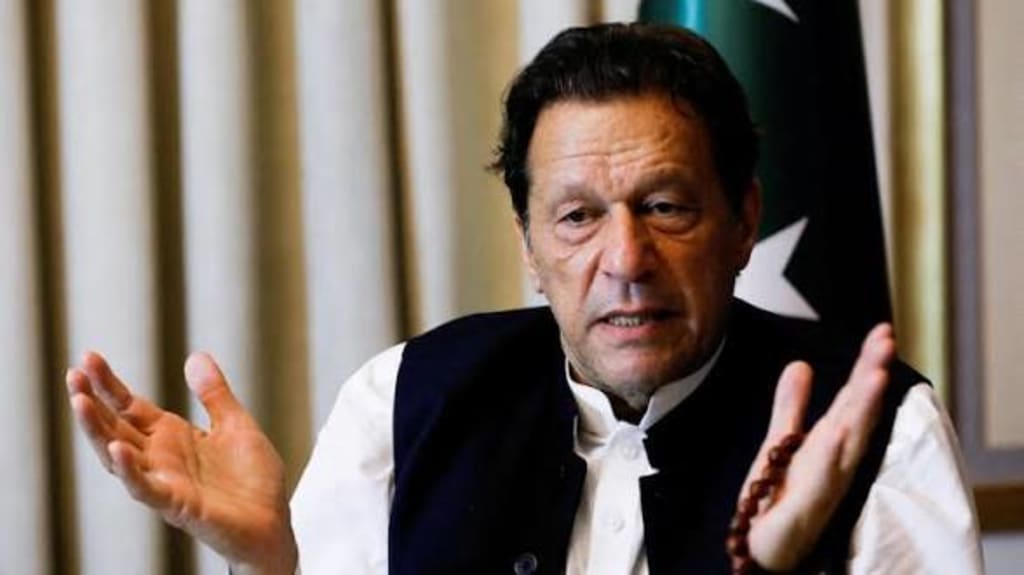
Former Pakistani Prime Minister Imran Khan is reportedly facing worsening eyesight, with allegations emerging that authorities have denied him access to timely medical care. Sources close to Khan indicate that his right eye has lost significant vision, with doctors warning that further delays could result in permanent impairment. The situation has drawn attention from human rights organizations, political analysts, and the international community, raising questions about the treatment of high-profile political figures under house arrest or government scrutiny.
The Health Situation
According to insiders, Khan’s vision deterioration began months ago, initially manifesting as blurred vision and reduced visual acuity in his right eye. Medical examinations reportedly revealed advanced damage to the optic nerve, which experts say could lead to irreversible blindness if not treated promptly. Khan’s personal doctors have reportedly recommended immediate intervention, including specialized surgical procedures and continuous monitoring.
However, supporters claim that the government has not permitted him to access necessary treatment outside controlled facilities. Reports indicate that Khan’s medical appointments have been repeatedly delayed, with bureaucratic restrictions cited as the primary obstacle. Some political commentators describe the situation as a deliberate effort to undermine his well-being and limit his public engagements.
Political Context
Khan, who was ousted from office in a no-confidence vote in 2022, remains a central figure in Pakistan’s political landscape. His Pakistan Tehreek-e-Insaf (PTI) party continues to enjoy substantial popular support, and Khan’s personal charisma has made him a polarizing figure. Analysts note that restricting access to medical care for prominent political figures is highly unusual and has heightened tensions between the government and opposition supporters.
Political allies have framed the allegations as part of a broader pattern of targeting Khan and his supporters. “This is not just about health; it’s about intimidation,” said a senior PTI official. “Denial of medical care to a political leader is unacceptable under any democratic or human rights framework.”
Human Rights and Legal Concerns
The claims have drawn attention from human rights advocates, who emphasize that access to medical care is a fundamental right. International observers have urged Pakistani authorities to ensure that Khan receives prompt and appropriate treatment. Delays in care for high-risk conditions, such as deteriorating eyesight, can have lasting consequences and are considered serious violations of medical and human rights standards.
Legal experts note that under Pakistani law, citizens—including political figures—are entitled to medical attention regardless of their political status. Denying treatment could expose authorities to both domestic and international scrutiny, particularly if the situation leads to permanent disability.
Public Reaction
News of Khan’s alleged treatment denial has fueled protests and social media campaigns. Supporters have called for urgent intervention, using hashtags and online platforms to demand medical access. Street demonstrations have been reported in several major cities, with protestors emphasizing the broader implications of denying healthcare to political leaders.
Opposition figures argue that the case is emblematic of a wider erosion of rights and liberties, while government spokespeople have largely remained silent, citing security and procedural concerns. Analysts suggest that the lack of transparency has intensified speculation and public concern, further politicizing Khan’s health condition.
Implications and Outlook
If the allegations are confirmed, Khan’s health crisis could have significant political and social repercussions. Beyond the personal risk to a prominent leader, the case raises questions about the treatment of political detainees and opposition figures in Pakistan. Observers warn that mishandling the situation could inflame public tensions and undermine trust in government institutions.
Medical experts stress the urgency of intervention. Prompt surgical or therapeutic measures could stabilize Khan’s eyesight and prevent permanent damage. Meanwhile, political analysts are monitoring how the situation might affect PTI’s activities, public support, and upcoming political developments.
As Pakistan grapples with a complex intersection of health, politics, and human rights, the international community continues to watch closely. The outcome of Khan’s medical access could set important precedents for the treatment of political figures and the broader protection of citizen rights in the country.
About the Creator
Fiaz Ahmed
I am Fiaz Ahmed. I am a passionate writer. I love covering trending topics and breaking news. With a sharp eye for what’s happening around the world, and crafts timely and engaging stories that keep readers informed and updated.
Keep reading
More stories from Fiaz Ahmed and writers in The Swamp and other communities.
China’s Box Office Presales Fall Over 60% From Last Year in Crucial Lunar New Year Window
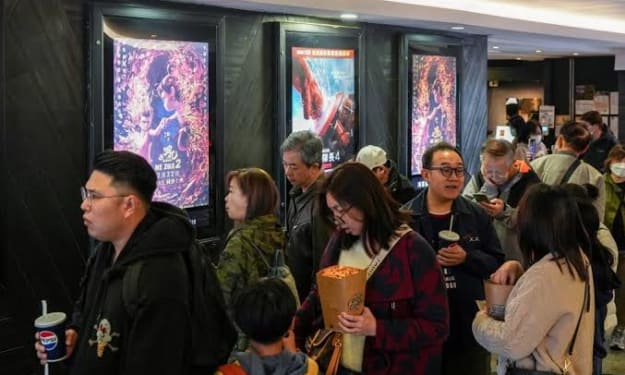
China’s film industry is facing a surprising slowdown as presales for the Lunar New Year box office—a period traditionally considered the most lucrative for Chinese cinema—have plummeted by more than 60% compared with last year. The sudden drop has raised concerns among producers, distributors, and exhibitors about audience appetite, content strategy, and the sustainability of China’s rapidly expanding movie market. Industry analysts report that, as of early February, ticket presales for the first week of the Lunar New Year period were just over $120 million, compared with $320 million during the same period in the previous year. This decline comes despite a slate of highly anticipated releases, including major domestic blockbusters and high-profile co-productions with foreign studios. Factors Behind the Decline Several factors appear to be contributing to the sharp fall in presales. Analysts cite a combination of audience fatigue, market saturation, and changing viewing habits. After years of unprecedented growth, Chinese audiences are increasingly selective, often favoring streaming platforms over cinemas for convenience and cost-effectiveness. “The market is no longer simply about releasing big titles and expecting box office gold,” said a Shanghai-based film distributor. “Audiences are more discerning and have more options than ever. Presales reflect the mood of the market, and this year, the mood is cautious.” Content quality is also under scrutiny. While blockbuster marketing campaigns have dominated social media platforms, early reviews and audience reactions to trailers have been mixed. Some industry insiders suggest that recent films fail to deliver the compelling storytelling and high production values expected from Lunar New Year releases, traditionally a showcase of domestic cinematic excellence. Impact on the Industry The presales slump has immediate financial implications for producers and cinema chains. Lunar New Year often accounts for 30–40% of a studio’s annual revenue, making it a critical window for recouping production costs and generating profits. Lower-than-expected ticket sales could lead to tighter budgets for upcoming projects, reduced investment in domestic content, and delays in planned releases. Exhibitors are also feeling the pinch. Cinema chains, which rely heavily on this period to offset slower months, have begun reevaluating staffing, scheduling, and promotional strategies. Some chains are offering deeper discounts and bundled packages in an effort to attract audiences, while others are emphasizing enhanced cinematic experiences such as premium seating and immersive audio-visual technology. Streaming and Changing Habits Streaming platforms have emerged as a formidable competitor to traditional cinemas. Platforms offering early access to films, subscription models, and interactive features are reshaping audience expectations. Analysts believe that the presales drop signals a broader trend: a growing segment of Chinese consumers prefers the flexibility of at-home viewing, particularly for family-friendly content that has traditionally dominated the Lunar New Year window. “Lunar New Year used to be a communal cinema experience,” said a Beijing-based cultural commentator. “Now, the communal aspect often happens at home, with family members streaming the same films together rather than going out to theaters.” Market Saturation and Audience Fatigue Another factor is market saturation. China releases hundreds of films annually, and during peak periods, competition for audience attention is fierce. With multiple high-profile releases scheduled simultaneously, consumers are faced with difficult choices, leading to lower presales for individual films. Audience fatigue is evident on social media platforms, where discussions reveal skepticism toward big-budget productions and a preference for content that offers novelty and emotional resonance. Analysts note that marketing campaigns alone are no longer sufficient to guarantee presales success; content quality, word-of-mouth, and audience trust now play a more decisive role. Looking Ahead Industry watchers caution that while the presales drop is significant, it may not translate directly into a proportional decline in overall box office revenue. Weekend peaks, last-minute ticket purchases, and strong word-of-mouth can still drive substantial earnings. However, the trend serves as a warning for studios and distributors. As China’s film market matures, success depends increasingly on understanding audience preferences, investing in compelling storytelling, and innovating beyond traditional marketing strategies. The Lunar New Year window has long been a symbol of the industry’s vitality and cultural resonance. This year’s presales decline underscores a shift in audience behavior and the growing influence of alternative viewing platforms. For China’s film industry, the challenge is clear: adapt to changing habits, elevate content quality, and find ways to engage audiences in a landscape that is no longer guaranteed by tradition alone.
By Fiaz Ahmed 4 days ago in The Swamp
Why Black History Matters in America?
The United States of America is celebrating their 250th anniversary in 2026. I'm proud to be an American and as someone who was born here, I wouldn't imagine myself living anywhere else. This is a country where opportunities are possible. Where anyone can be successful in anything they desire to do. Equality, community, and togetherness are the backbones of what America is and should be about. However, we have an administration who wants to erase and disregard those who have made positive, meaningful impacts in our country, specifically Black figures, such as Martin Luther King, Jr., Rosa Parks, and Maya Angelou. President Trump and his administration have been constantly complaining and fighting against what they call the "Woke agenda". They use this excuse as a distraction from other issues they refuse to address, such as the high cost of living, climate change, and inflation. That equality is dividing America, when in reality, it's bringing us together. Being woke is not tied to a specific political party. No matter where you stand on the political spectrum, you can still care about other people and their plights. Compassion and empathy for others isn't tied to a political party, either. We were taught as children to treat others the way we want to be treated and not judge others because they're different from us. Caring about others isn't a personal attack on your beliefs. It doesn't make you any less of a person. People who are easily offended over African American figures, past or present, or anything related to it, are grasping at straws. Current and future generations need to know who people like Harriet Tubman and Shirley Chisholm were, especially in the classroom. Black History is part of American History. It should be recognized, not hidden or forgotten. Besides, you can't shield children from everything, just because your feelings are easily hurt.
By Mark Wesley Pritchard 18 days ago in The Swamp



Comments
There are no comments for this story
Be the first to respond and start the conversation.