
Apprenticeship Clearing System to Be Introduced
A New Pathway to Skills, Employment, and Opportunity for Young People
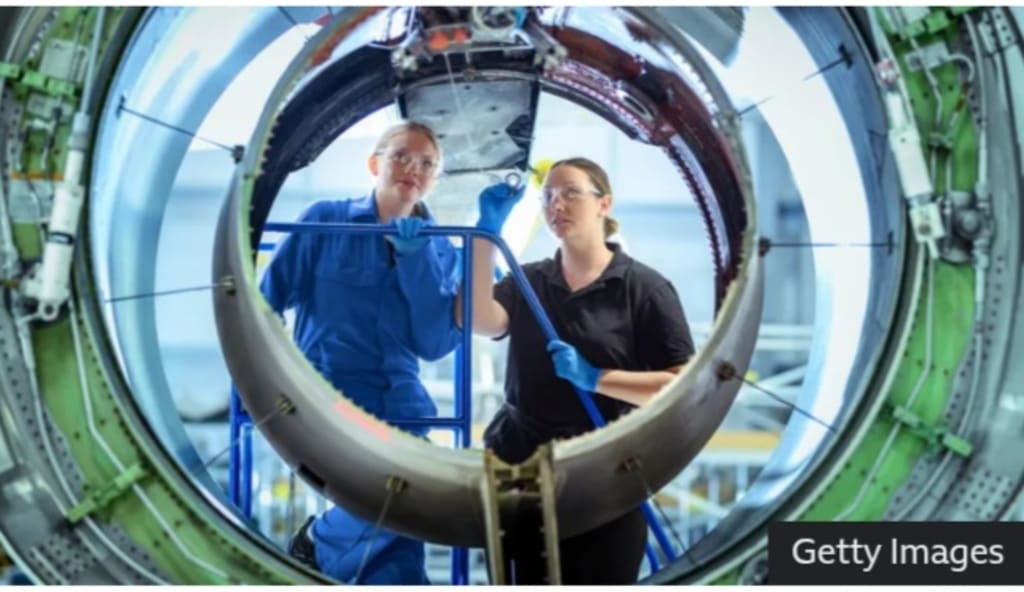
In an era where traditional education no longer guarantees employment, governments and educational bodies around the world are being forced to rethink how young people transition from learning to earning. One such reform gaining attention is the introduction of an Apprenticeship Clearing System, a centralized platform designed to match aspiring apprentices with available opportunities in a transparent and efficient way. This system has the potential to reshape vocational education, reduce unemployment, and bridge the growing skills gap in modern economies.
Understanding the Apprenticeship Clearing System
An Apprenticeship Clearing System functions much like university or college clearing programs. Instead of students scrambling individually to find apprenticeships through scattered advertisements or personal networks, the system provides a single, organized platform where employers list vacancies and candidates apply based on their skills, interests, and qualifications.
The goal is simple: to make apprenticeships more accessible, fair, and structured. By bringing employers, training providers, and applicants together in one digital space, the clearing system removes confusion and inefficiency from the process.
Why Apprenticeships Matter More Than Ever
Apprenticeships offer a powerful alternative to traditional academic routes. They combine practical, on-the-job training with classroom-based learning, allowing individuals to earn while they learn. In sectors such as engineering, healthcare, information technology, construction, and digital media, apprenticeships often provide skills that universities struggle to teach effectively.
Despite these benefits, many young people miss out on apprenticeship opportunities due to lack of awareness, limited access, or poor guidance. The clearing system aims to eliminate these barriers by ensuring that no opportunity goes unfilled and no capable candidate is left behind.
How the System Will Work
Under the proposed system, employers will submit detailed descriptions of their apprenticeship vacancies, including required skills, duration, location, and potential career progression. Candidates, on the other hand, will create profiles highlighting their education, interests, and strengths.
Once the application window closes, unmatched candidates can enter the clearing phase, where they are guided toward remaining vacancies that suit their profiles. This structured matching process benefits both sides: employers find motivated candidates, and applicants gain opportunities that might otherwise remain hidden.
Benefits for Young People
For young people, especially school leavers and career switchers, the Apprenticeship Clearing System represents clarity and confidence. Instead of navigating an unregulated market, candidates can make informed decisions based on verified information.
The system also promotes equal opportunity. Students from disadvantaged backgrounds, who may lack personal connections or career guidance, gain access to the same information as everyone else. This democratization of opportunity is one of the system’s most powerful strengths.
Advantages for Employers and Industry
Employers also stand to gain significantly. Many businesses struggle to attract suitable candidates, particularly in technical fields. A centralized clearing system reduces recruitment costs, saves time, and increases the likelihood of finding apprentices who are genuinely interested and committed.
Furthermore, industries facing skill shortages can work closely with training providers to ensure apprenticeship programs align with real-world needs. Over time, this leads to a more skilled, adaptable, and future-ready workforce.
Economic and Social Impact
On a broader scale, the introduction of an Apprenticeship Clearing System can have far-reaching economic and social benefits. By reducing youth unemployment and underemployment, governments can ease pressure on social welfare systems while boosting productivity.
Apprenticeships also encourage lifelong learning, allowing individuals to upskill or reskill as industries evolve. This is particularly important in an age of automation and artificial intelligence, where job roles are constantly changing.
Challenges and Considerations
While the system shows great promise, its success will depend on effective implementation. Digital accessibility, data privacy, and quality assurance must be prioritized. Additionally, strong career guidance is essential to help candidates understand their options and make realistic choices.
If poorly managed, the system could risk becoming bureaucratic or overwhelming. Therefore, continuous evaluation and feedback from users will be crucial to refining the platform.
A Step Toward a Skills-Based Future
The introduction of an Apprenticeship Clearing System marks a significant step toward a skills-based education and employment model. It recognizes that talent is not limited to academic achievement and that practical skills are just as valuable in building successful careers.
As economies evolve and the demand for skilled workers grows, systems like this may become the backbone of workforce development. For young people seeking direction, employers seeking talent, and societies seeking growth, the Apprenticeship Clearing System could be a game-changing innovation.
About the Creator
Keep reading
More stories from Ayesha Lashari and writers in The Swamp and other communities.
Violent Protests Shake Milan Amid Winter Olympics: Police Arrest Demonstrators
Milan is witnessing tense moments as protests against the Milano-Cortina 2026 Winter Olympics escalated into violent clashes this weekend. On February 7, 2026, several protesters were arrested after confrontations with Italian police, marking one of the most intense demonstrations during Italy’s Olympic hosting in recent years.
By Ayesha Lasharia day ago in The Swamp
Why Black History Matters in America?
The United States of America is celebrating their 250th anniversary in 2026. I'm proud to be an American and as someone who was born here, I wouldn't imagine myself living anywhere else. This is a country where opportunities are possible. Where anyone can be successful in anything they desire to do. Equality, community, and togetherness are the backbones of what America is and should be about. However, we have an administration who wants to erase and disregard those who have made positive, meaningful impacts in our country, specifically Black figures, such as Martin Luther King, Jr., Rosa Parks, and Maya Angelou. President Trump and his administration have been constantly complaining and fighting against what they call the "Woke agenda". They use this excuse as a distraction from other issues they refuse to address, such as the high cost of living, climate change, and inflation. That equality is dividing America, when in reality, it's bringing us together. Being woke is not tied to a specific political party. No matter where you stand on the political spectrum, you can still care about other people and their plights. Compassion and empathy for others isn't tied to a political party, either. We were taught as children to treat others the way we want to be treated and not judge others because they're different from us. Caring about others isn't a personal attack on your beliefs. It doesn't make you any less of a person. People who are easily offended over African American figures, past or present, or anything related to it, are grasping at straws. Current and future generations need to know who people like Harriet Tubman and Shirley Chisholm were, especially in the classroom. Black History is part of American History. It should be recognized, not hidden or forgotten. Besides, you can't shield children from everything, just because your feelings are easily hurt.
By Mark Wesley Pritchard 8 days ago in The Swamp



Comments
There are no comments for this story
Be the first to respond and start the conversation.