
China is Building Submarines Faster Than Ever, Think Tank Says. Why That’s a Problem for Washington
Formal / News Style Rapid expansion of China’s undersea fleet raises strategic concerns for the U.S. and allies Think tank warns accelerated submarine construction could shift Indo-Pacific power balance 🔹 Neutral & Informative China strengthens naval capabilities with nuclear and conventional submarines U.S. monitors growing submarine fleet amid rising regional tensions 🔹 Impactful Beijing’s submarine buildup challenges Washington’s undersea dominance

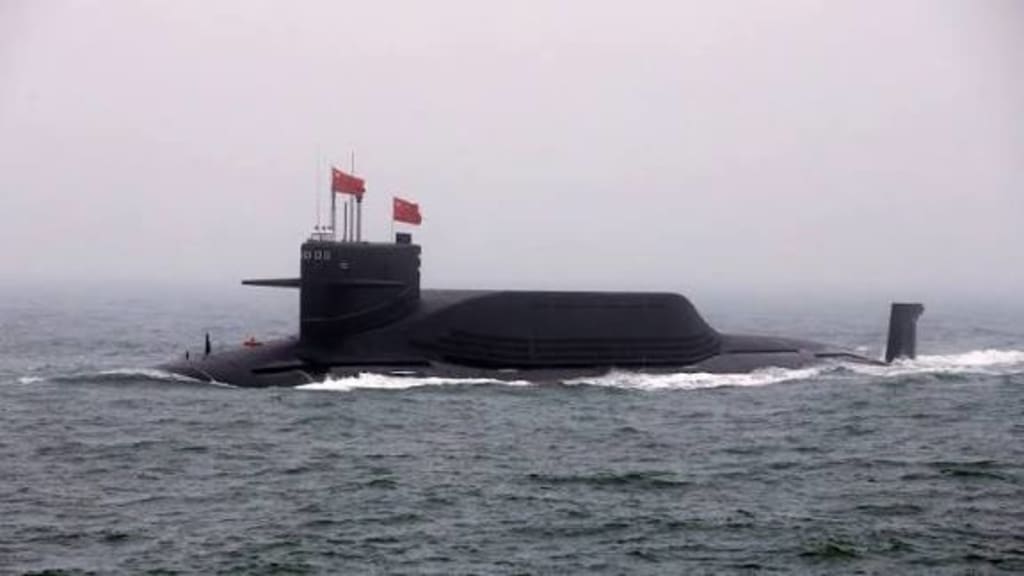
China is rapidly expanding its submarine fleet at an unprecedented pace, according to a new report from a leading U.S. think tank, raising concerns in Washington about the strategic balance in the Indo-Pacific. Analysts warn that the accelerated construction of both nuclear and conventional submarines could challenge U.S. naval dominance and complicate regional security dynamics.
Submarine Expansion on Record Pace
The think tank, Center for Strategic and International Studies, notes that the People’s Liberation Army Navy has commissioned multiple new submarines annually, marking the fastest growth in the force’s history. This expansion includes nuclear-powered ballistic missile submarines (SSBNs), nuclear-powered attack submarines (SSNs), and diesel-electric attack submarines (SSKs), all of which enhance China’s ability to project power far from its coast.
Submarines are considered some of the most strategically significant assets in modern naval warfare. SSBNs form the backbone of China’s second-strike nuclear deterrent, while SSNs and SSKs allow for stealthy operations, intelligence gathering, and the ability to threaten shipping lanes critical to regional trade.
Implications for U.S. Strategy
For Washington, the rapid growth of China’s undersea fleet presents multiple challenges. First, it increases the risk to U.S. and allied naval vessels in contested waters. Submarines can operate undetected for long periods, complicating surveillance and defensive operations. Second, China’s ability to project nuclear deterrence from submarines strengthens its strategic leverage in potential conflicts, particularly in the South China Sea and Taiwan Strait.
“The speed and scale of this buildup is alarming,” said a U.S. defense analyst. “It could undermine U.S. freedom of action in key areas of the Indo-Pacific and put pressure on regional allies who rely on American naval presence for security assurances.”
Regional Security Concerns
China’s neighbors are also paying close attention. Countries like Japan, India, and Australia have long expressed concerns about Chinese naval expansion, particularly in strategic choke points such as the Malacca Strait and the Taiwan Strait. Analysts suggest that the growing submarine fleet could embolden Beijing to assert control over contested waters, increasing the risk of regional incidents.
The think tank’s report indicates that China is also improving its domestic shipbuilding infrastructure, allowing for faster and more efficient submarine production. This includes advanced dry docks, automated assembly processes, and a larger pool of trained engineers and technicians.
U.S. Response
The United States has responded by accelerating its own undersea capabilities and strengthening partnerships in the region. This includes deploying advanced anti-submarine warfare (ASW) assets, improving sonar detection networks, and collaborating with allies for joint patrols. Programs to modernize the U.S. submarine fleet, including the Virginia-class SSNs, are being prioritized to maintain undersea dominance.
Additionally, U.S. policymakers are considering strategies to counter China’s second-strike capability, such as enhanced missile defenses, surveillance of key submarine bases, and investments in unmanned underwater vehicles (UUVs) for reconnaissance and deterrence.
Strategic and Political Implications
The submarine expansion is not just a technical issue but a signal of China’s broader ambitions. By rapidly building its undersea fleet, Beijing is sending a message about its ability to contest U.S. influence and assert regional dominance. For Washington, it means recalibrating strategies that have relied on undersea superiority as a cornerstone of deterrence.
Analysts warn that without continued investment in both technology and regional partnerships, the balance of power in the Indo-Pacific could shift in Beijing’s favor, increasing the risk of miscalculations or confrontations at sea.
Looking Ahead
As China continues to build submarines faster than ever, the U.S. and its allies face an urgent challenge: maintaining strategic advantage in an increasingly contested maritime environment. While the buildup itself is not a cause for immediate alarm, the pace and scale of expansion signal that Washington must remain vigilant and proactive to ensure regional stability and protect its interests in the Indo-Pacific.
About the Creator
Fiaz Ahmed
I am Fiaz Ahmed. I am a passionate writer. I love covering trending topics and breaking news. With a sharp eye for what’s happening around the world, and crafts timely and engaging stories that keep readers informed and updated.
Keep reading
More stories from Fiaz Ahmed and writers in The Swamp and other communities.
North Korea Opens New Housing Area for Families of Soldiers Killed Overseas
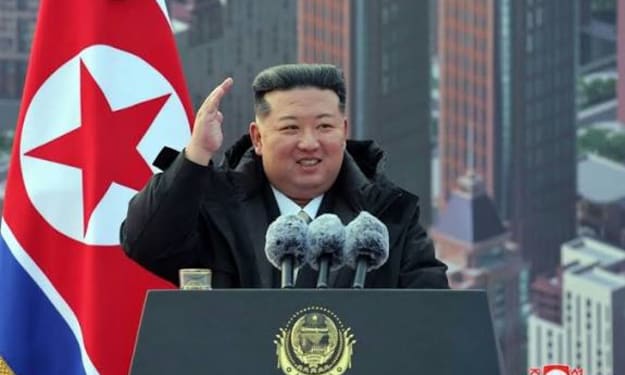
North Korea has unveiled a newly constructed residential district dedicated to the families of soldiers who died while serving abroad, a move state media portrays as a tribute to loyalty and sacrifice. The project, inaugurated in a ceremony attended by senior officials, reflects Pyongyang’s efforts to honor military service while reinforcing political messaging about national unity and devotion to the state. The housing complex, built on the outskirts of the capital, features modern apartment blocks, schools, medical clinics, and community facilities. According to official announcements, the residences are reserved for families whose relatives lost their lives during overseas deployments described as “international missions of solidarity.” While authorities did not specify the locations or nature of those missions, analysts suggest the development is closely tied to reports of North Korean personnel operating beyond the country’s borders in recent years. Symbolism and State Messaging At the inauguration ceremony, senior officials emphasized that the housing project represented the leadership’s gratitude toward families who had “contributed to the dignity of the nation.” A statement released by the Korean Central News Agency praised the initiative as proof of the government’s commitment to improving living standards for those who sacrificed most for the country. Observers note that such projects serve both humanitarian and political purposes. By providing tangible benefits to bereaved families, the state reinforces loyalty among military households while showcasing its ability to deliver material improvements despite economic hardship and international sanctions. The move also underscores the central role of the armed forces in North Korean society, where military service is portrayed as the highest form of patriotism. Context of Overseas Deployments Although North Korea rarely acknowledges overseas military activity, foreign intelligence and media reports have suggested that North Korean personnel have been involved in various forms of cooperation with allied states, including technical and logistical roles. These activities are often framed domestically as part of a broader struggle against perceived external threats. The opening of a housing district specifically for families of fallen soldiers implies recognition of casualties incurred beyond North Korea’s borders. This marks a rare public acknowledgment that some military losses occurred during foreign missions, rather than solely within domestic training or defensive contexts. Living Conditions and Design State media images show rows of pastel-colored apartment buildings with landscaped courtyards and playgrounds, designed to project an image of comfort and modernity. Each family reportedly receives a fully furnished apartment, along with access to healthcare and education services within the complex. Officials claim the project is part of a wider urban development plan aimed at modernizing residential areas and improving quality of life for citizens linked to the military. However, independent verification of living conditions remains difficult due to restricted access for foreign observers. Political Timing The launch of the housing complex comes at a time when Pyongyang is emphasizing internal unity amid heightened international pressure and regional tensions. By highlighting care for families of fallen soldiers, the leadership reinforces narratives of resilience and collective sacrifice. Analysts suggest the timing also coincides with broader efforts to boost morale within the armed forces. Providing visible rewards to military families sends a message to active-duty personnel that their service will be honored materially as well as symbolically. Role of Leadership During the ceremony, officials praised the guidance of Kim Jong Un, describing the project as a direct result of his commitment to the welfare of military families. State media emphasized that the leader personally oversaw aspects of the housing plan, reinforcing his image as a protector of soldiers and their relatives. Such portrayals align with long-standing propaganda themes that link leadership legitimacy to the wellbeing of the armed forces. The housing project thus becomes not only a social initiative but also a political statement reinforcing loyalty to the ruling elite. Regional and International Reactions International observers view the project with a mix of skepticism and concern. While acknowledging the humanitarian aspect of supporting bereaved families, analysts argue that the move may obscure deeper questions about the nature of North Korea’s overseas military involvement and its compliance with international norms. Human rights groups have long criticized the lack of transparency surrounding North Korean military deployments and the conditions under which soldiers serve. They warn that showcasing housing benefits should not distract from the broader need for accountability and openness regarding overseas operations. Looking Ahead The new housing area stands as a symbol of how North Korea blends social policy with political messaging. For families who lost loved ones, the apartments offer a measure of stability and recognition in a system where public honor carries immense weight. At the same time, the project raises fresh questions about the scope of North Korea’s foreign military activities and the human cost associated with them. As Pyongyang continues to balance domestic priorities with its international posture, initiatives like this housing complex will likely remain part of its strategy to project strength, unity, and care for those tied to the military establishment. Whether the development represents a genuine expansion of social welfare or primarily serves propaganda purposes, it highlights the enduring centrality of the armed forces in North Korean political life and the leadership’s determination to link sacrifice with state reward.
By Fiaz Ahmed about 10 hours ago in The Swamp
Why Black History Matters in America?
The United States of America is celebrating their 250th anniversary in 2026. I'm proud to be an American and as someone who was born here, I wouldn't imagine myself living anywhere else. This is a country where opportunities are possible. Where anyone can be successful in anything they desire to do. Equality, community, and togetherness are the backbones of what America is and should be about. However, we have an administration who wants to erase and disregard those who have made positive, meaningful impacts in our country, specifically Black figures, such as Martin Luther King, Jr., Rosa Parks, and Maya Angelou. President Trump and his administration have been constantly complaining and fighting against what they call the "Woke agenda". They use this excuse as a distraction from other issues they refuse to address, such as the high cost of living, climate change, and inflation. That equality is dividing America, when in reality, it's bringing us together. Being woke is not tied to a specific political party. No matter where you stand on the political spectrum, you can still care about other people and their plights. Compassion and empathy for others isn't tied to a political party, either. We were taught as children to treat others the way we want to be treated and not judge others because they're different from us. Caring about others isn't a personal attack on your beliefs. It doesn't make you any less of a person. People who are easily offended over African American figures, past or present, or anything related to it, are grasping at straws. Current and future generations need to know who people like Harriet Tubman and Shirley Chisholm were, especially in the classroom. Black History is part of American History. It should be recognized, not hidden or forgotten. Besides, you can't shield children from everything, just because your feelings are easily hurt.
By Mark Wesley Pritchard 16 days ago in The Swamp
'Till Death We Do Art
There would be nothing divine in this world without art. Nature may surpass the divine to all intents and purposes, but like everything it absorbs and is absorbed by, it remains here, stuck on the surface of this world, ever-present, physically bound to the universe.
By Avocado Nunzella BSc (Psych) -- M.A.P about 18 hours ago in Art



Comments
There are no comments for this story
Be the first to respond and start the conversation.