
Germany News: Crowds Throng Streets for Carnival Parades
Formal / News Style Colorful processions draw tens of thousands as Germany celebrates its traditional Carnival season Cities across Germany erupt in music and satire during annual Carnival festivities 🔹 Neutral & Informative Carnival celebrations bring music, costumes, and community spirit to German streets From Cologne to Mainz, parades highlight centuries-old cultural traditions 🔹 Impactful Germany’s Carnival returns in full force with massive crowds and vibrant parades

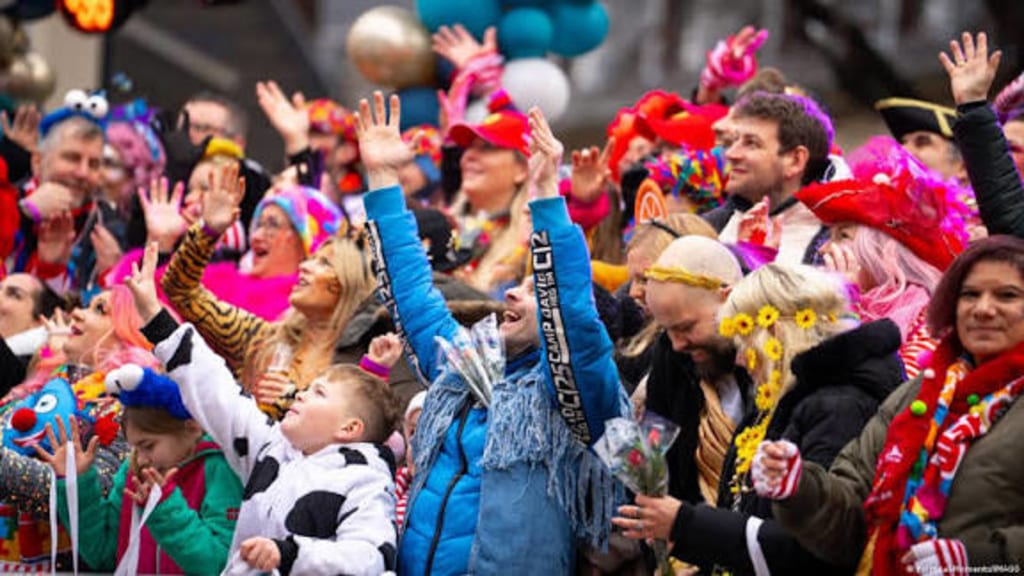
Germany’s annual Carnival season reached a vibrant peak this week as throngs of revelers took to the streets in cities and towns across the country, celebrating one of Europe’s most exuberant festive traditions. Known locally as “Karneval”, “Fasching” or “Fastnacht” depending on the region, the season culminates in flamboyant parades, elaborate costumes, and raucous street parties that draw both local participants and international visitors alike.
A Tradition Rooted in History
Carnival’s origins in Germany date back centuries, blending medieval customs with Christian traditions that mark the period before Lent, the 40‑day period of fasting and penance leading up to Easter. While the religious calendar shapes the timing of Carnival, the contemporary experience is predominantly secular and cultural — a time for communities to let loose, satirize politics, and revel in shared identity.
In cities like Cologne, Düsseldorf, and Mainz, the festivities are particularly large‑scale, featuring official processions, marching bands, and community groups. In these Rhineland strongholds, Carnival is not simply a party but a major cultural institution that brings together generations in a shared expression of humour, colour, and joy.
Streets Alive with Costumes and Celebration
This year’s parades attracted tens of thousands of participants and spectators despite lingering concerns about weather and public safety. Streets were transformed into vibrant corridors of colour as masqueraders donned everything from traditional jesters and historical figures to pop culture characters and satirical takes on current events.
Families, students, and tourists mingled along parade routes, waving flags, tossing sweets and small gifts known as “Kamelle”, and shouting traditional Carnival greetings such as “Alaaf!” in Cologne or “Helau!” in Düsseldorf and Mainz. Floats adorned with witty political commentary rolled by, lampooning public figures and topical issues in the manner typical of German Carnival satire.
Carnival royalty — including elected figures such as the “Prince” and “Peasant,” key symbolic roles in many parades — presided over festivities, and music echoed through central squares well into the evening. Local clubs and associations, known as Karnevalsvereine, play a central role in organizing events and preserving traditional performances, songs, and customs.
Tourism and Economic Impact
Festive celebrations also bring significant economic activity to regions where Carnival is most popular. Hotels, restaurants, and bars typically see a boost in business, and vendors selling costumes, masks, and themed merchandise report strong sales. In Cologne, for example, officials estimated that Carnival season contributes millions of euros to the local economy each year, driven by both domestic and international visitors.
Tourists from neighbouring countries such as the Netherlands and Belgium, as well as from farther afield, flocked to Carnival hubs this week, many booking months in advance to secure lodging and event tickets. Travel authorities noted that the celebrations help sustain off‑peak tourism in winter months, offering cultural attractions that complement Germany’s Christmas markets and winter festivals.
Public Safety and Crowd Management
Large crowds and high energy also present challenges for local authorities tasked with ensuring public safety. Police departments in major Carnival cities implemented heightened security measures, including increased patrols, first‑aid stations, and restrictions on alcohol sales in certain areas. Organizers worked with municipal officials to coordinate road closures, crowd flows, and emergency response plans.
Officials encouraged revelers to be mindful of personal belongings and to seek assistance if needed. In recent years, some Carnival events have tightened security in response to broader concerns about mass gatherings in urban settings, and this year was no exception. Nevertheless, authorities described the overall atmosphere as peaceful and festive, with most attendees demonstrating cooperation and respect for safety protocols.
Cultural Significance Today
Despite modern challenges, Carnival remains a deeply cherished tradition in German culture. Participants often describe it as a time when everyday norms are temporarily upended, allowing people to express creativity and community spirit with humour and abandon. For many, especially those in the Rhineland, Carnival is as much a part of local identity as beer gardens, football clubs, and regional dialects.
The celebrations also serve as a reminder of how traditional customs have adapted to contemporary life — merging historical roots with modern tastes in music, performance, and public participation. Street festivals, dance competitions, and late‑night gatherings complement the more formal parade events, creating a mosaic of experiences that appeal to a broad cross‑section of society.
Looking Ahead
As the Carnival season winds down with Tuesday’s festivities often referred to as Fat Tuesday or Shrove Tuesday, communities across Germany will gradually return to routine, and traditional Lent observances will begin on Ash Wednesday. But the memories of costumes, laughter, and shared celebration will linger, captured in photos, stories, and local lore.
For now, Germany’s Carnival remains a vivid testament to the country’s cultural diversity, community resilience, and enduring love of festivity — a moment when streets are filled not only with crowds but with colour, sound, and joy.
About the Creator
Fiaz Ahmed
I am Fiaz Ahmed. I am a passionate writer. I love covering trending topics and breaking news. With a sharp eye for what’s happening around the world, and crafts timely and engaging stories that keep readers informed and updated.
Keep reading
More stories from Fiaz Ahmed and writers in The Swamp and other communities.
Philippine Navy to Receive First Follow‑On SSV This Year After PT PAL Delays
The Philippine Navy is set to receive the first of two follow‑on Strategic Sealift Vessels (SSVs) — also known as landing platform docks (LPDs) — by the end of 2026, despite earlier delays attributed to contractual hurdles faced by Indonesian shipbuilder PT PAL. The delivery marks a key milestone in the Philippines’ naval modernization program, even though the timeline has shifted significantly from original projections. Background: A Follow‑On Order for Sealift Capability The follow‑on contract was signed in June 2022 for approximately $100.9 million (P5.59 billion) to build two new 7,200‑ton SSVs, each measuring about 124 meters in length and designed to carry landing craft and support amphibious operations. These follow‑on vessels are repeat orders after an earlier order from 2014 that produced the first two ships of the Tarlac class, which remain key sealift and humanitarian assistance assets for the Philippine Navy. The contract envisioned a robust support platform that can transport troops, vehicles and equipment and serve in disaster response, search and rescue, and other multi‑mission roles — a capability deemed critical for a maritime nation composed of more than 7,000 islands. Delays and Revised Delivery Schedules Originally, the first of the follow‑on SSVs was scheduled to be delivered in the first week of November 2025. However, construction and delivery milestones were repeatedly missed due to what Philippine and PT PAL officials described as “challenges the proponent is facing.” These included not meeting contractual milestones such as steel cutting, keel laying or planned launch dates that industry watchers cited as signs of production strain and capacity constraints at the Indonesian yard. The keel for the first vessel was laid in January 2024, followed by steel cut procedures for the second. Despite these steps, the schedule shifted, with the new target for delivery set to November 2026 — a full year after the originally intended date. PT PAL has attributed some of the delays to broader geopolitical conditions and external factors that affected supply chains and production pacing, although the specifics were not publicly detailed. Analysts see such delays as part of broader challenges in regional shipbuilding, where capacity and workforce issues can ripple across defence orders. Default Strategic Importance of SSVs For the Philippine Navy, these follow‑on SSVs represent more than just new hulls. They are part of an evolving fleet architecture aimed at increasing operational reach, disaster response capacity, and amphibious lift capability. The original Tarlac class has demonstrated utility in a variety of roles — from troop transport and humanitarian missions to multinational exercises — and the new ships are expected to augment and eventually replace some of the Navy’s older logistics platforms. The strategic sealift vessels are designed with ample deck space, troop accommodation, and the ability to support helicopter operations, making them versatile contributors to national defence and maritime security. Their role includes facilitating rapid force movement across the archipelago as well as serving in humanitarian assistance and disaster relief (HADR) operations, a mission set increasingly critical for a country prone to natural disasters such as typhoons and earthquakes. Broader Naval Modernization The follow‑on SSVs complement other modernization efforts by the Philippine Navy, which has been acquiring a mix of combat and support vessels to expand its maritime capability. These include offshore patrol vessels, frigates, and other platform types from South Korean and international shipbuilders as part of a multi‑year program to strengthen defence posture and maritime security capacity. The Philippine government’s sustained investment into these platforms reflects a strategic emphasis on enhancing deterrence and operational flexibility in a complex regional security environment, especially in contested waters of the South China Sea. As new platforms come online, such as modern OPVs and guided‑missile frigates, support vessels like SSVs will play a vital role in enabling extended deployments and joint operations. Looking Ahead While the delivery of the first follow‑on SSV by November 2026 represents progress, observers will be watching closely how PT PAL and Philippine defence planners manage the second vessel’s construction and delivery. Continued close cooperation and clear milestone management will be essential if Manila is to avoid further delays and ensure fleet requirements are met on schedule. For now, the upcoming arrival of the first follow‑on vessel underscores both the ongoing challenges and the enduring partnerships underpinning the Philippine Navy’s modernization journey — a testament to how strategic sealift capability remains at the heart of its expanding maritime ambitions. Start writing...
By Fiaz Ahmed 2 days ago in The Swamp
Why Black History Matters in America?
The United States of America is celebrating their 250th anniversary in 2026. I'm proud to be an American and as someone who was born here, I wouldn't imagine myself living anywhere else. This is a country where opportunities are possible. Where anyone can be successful in anything they desire to do. Equality, community, and togetherness are the backbones of what America is and should be about. However, we have an administration who wants to erase and disregard those who have made positive, meaningful impacts in our country, specifically Black figures, such as Martin Luther King, Jr., Rosa Parks, and Maya Angelou. President Trump and his administration have been constantly complaining and fighting against what they call the "Woke agenda". They use this excuse as a distraction from other issues they refuse to address, such as the high cost of living, climate change, and inflation. That equality is dividing America, when in reality, it's bringing us together. Being woke is not tied to a specific political party. No matter where you stand on the political spectrum, you can still care about other people and their plights. Compassion and empathy for others isn't tied to a political party, either. We were taught as children to treat others the way we want to be treated and not judge others because they're different from us. Caring about others isn't a personal attack on your beliefs. It doesn't make you any less of a person. People who are easily offended over African American figures, past or present, or anything related to it, are grasping at straws. Current and future generations need to know who people like Harriet Tubman and Shirley Chisholm were, especially in the classroom. Black History is part of American History. It should be recognized, not hidden or forgotten. Besides, you can't shield children from everything, just because your feelings are easily hurt.
By Mark Wesley Pritchard 16 days ago in The Swamp
A piece on Palantir and it's dangers
In the current political landscape of the United States, you may have heard the name “Palantir” brought up in conversation at some point. Palantir, a data analytics company, has been the target of much scrutiny and debate over its anti-crime and anti-terrorism advantages, as well as severe privacy concerns and fears of mass surveillance. This is the reason why Palantir is a very important topic in the area of Homeland Security. First, to truly understand the importance and dangers of Palantir, the background of the company must be understood.
By Alexander Goodrichabout 22 hours ago in The Swamp
Draft Deleting? Don't Do It!
Today, I had a little time. I decided that I would have a look at the drafts that I have on Vocal. This is part of a long-term wish to have everything I've written on paper rather than virtually. I've not looked at them for weeks and something drew me to them, just to browse and see what was there.
By Rachel Deeming3 days ago in Writers




Comments
There are no comments for this story
Be the first to respond and start the conversation.