
Hundreds of British Buses Have Chinese 'Kill Switch': Concerns Over Security and Sovereignty
Security Threats and National Sovereignty at Risk as Chinese-Origin ‘Kill Switches’ Found in UK Buses

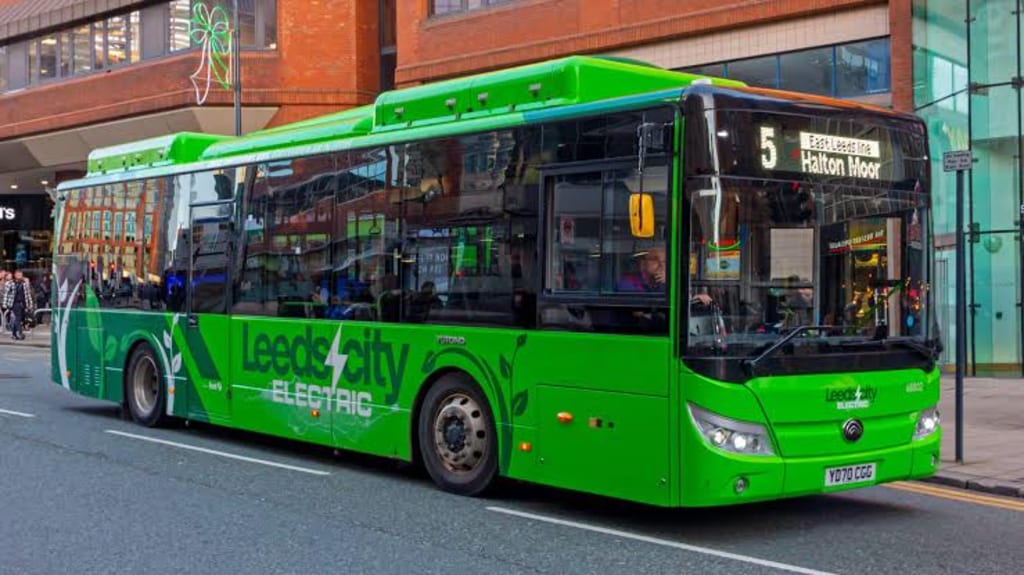
In recent months, a troubling revelation has come to light in the UK regarding its public transport fleet. It has been discovered that hundreds of buses operating across Britain are equipped with a "kill switch" that is manufactured by a Chinese company. This device, which has the capability to disable the buses remotely, has raised significant concerns over national security, privacy, and the sovereignty of the country’s infrastructure.
What is a 'Kill Switch' and Why is it a Concern?
A "kill switch" is essentially a mechanism that allows the operator of a vehicle or machinery to remotely disable or shut it down. In the case of the British buses, the concern revolves around the fact that these kill switches are manufactured by a Chinese company, raising fears that the Chinese government or other entities could potentially gain unauthorized access to the control system.
Given the current global political climate and the increasing tensions between China and several Western countries, including the UK, the idea that a foreign entity might have control over such critical infrastructure is alarming. A remote shut-off mechanism could be exploited to disrupt public transportation, causing significant chaos, and potentially putting public safety at risk.
While the technology itself may seem harmless at first glance, its widespread implementation without clear oversight and proper regulatory checks poses serious security challenges. If malicious actors were to gain control of the kill switch system, they could theoretically shut down buses, cause accidents, or interfere with operations in ways that are difficult to trace.
The Role of Chinese Companies in the UK’s Transport System
The Chinese company in question, which supplies the technology for the kill switches, has been involved in providing these systems for a significant number of buses across the UK. Some reports indicate that these devices are not only present in buses in major cities like London but also in rural and suburban areas.
The issue of Chinese influence in the UK’s critical infrastructure has been a growing concern for several years. The Chinese company in question is known for its deep ties to the Chinese government, a factor that raises red flags regarding potential governmental oversight over UK systems. As a result, the idea that such a sensitive part of public infrastructure could be controlled by a foreign power, particularly one with complex diplomatic relationships with the UK, has sparked widespread scrutiny.
Impact on National Security
The security risks associated with the presence of these kill switches in UK buses are far-reaching. First, there is the concern about cyber-attacks. If a foreign entity were to hack into the system, they could disrupt public transportation on a massive scale. As buses are essential for daily commutes, especially in urban areas, their sudden halt could create significant disruptions to city life.
Moreover, the British government has increasingly voiced concerns over the potential for foreign influence in critical infrastructure, particularly related to transportation and communication. The risk posed by these kill switches highlights how easily national security could be compromised in the digital age. With so much of the UK's infrastructure dependent on technology, ensuring that these technologies are secure from foreign influence is more crucial than ever.
Government’s Response
The revelation of the kill switches has prompted an official response from the UK government. Transportation ministers have stated that they are reviewing the matter closely and are in the process of investigating the security implications of these devices. The UK Department for Transport has announced that it will work with security experts to assess whether the technology could be exploited for malicious purposes and whether further safeguards need to be implemented.
While the government insists that there is no immediate threat, security experts and members of Parliament have urged for a full review of the system, calling for greater oversight on foreign companies involved in critical infrastructure. Some experts have even suggested that the UK could explore alternative solutions that do not rely on foreign technologies.
What Does This Mean for the Future?
This issue shines a light on the broader concerns surrounding the use of foreign technologies in critical infrastructure. While Chinese companies have been instrumental in providing affordable solutions for many sectors, the lack of transparency and potential for external control raises serious questions. As the UK’s dependence on foreign suppliers grows, so does the vulnerability of its infrastructure to cyber-attacks, espionage, or even sabotage.
In response, countries around the world, including the UK, are likely to implement stricter regulations regarding foreign involvement in sensitive sectors. We may see an increase in calls for greater scrutiny of international partnerships and the need for local governments to prioritize domestic or more secure alternatives when it comes to critical infrastructure.
For now, the issue of Chinese kill switches in UK buses is a reminder that technology is a double-edged sword. While it provides convenience and efficiency, it also brings with it a multitude of risks, especially when the systems are vulnerable to external influence. The UK government’s investigation will likely set a precedent for other nations grappling with similar challenges in the future.
Conclusion
The discovery of Chinese-made kill switches in UK buses highlights the increasing complexity of global security in the age of technology. While the systems themselves may serve practical purposes, the geopolitical and cybersecurity risks they pose cannot be overlooked. As the UK, and other nations, navigate this evolving landscape, it will be crucial to balance the benefits of technological advancement with the need to safeguard national security and sovereignty. The coming months will determine how the UK responds to this challenge and whether new regulations are introduced to prevent foreign influence in critical infrastructure.
About the Creator
Fiaz Ahmed Brohi
I am a passionate writer with a love for exploring and creating content on trending topics. Always curious, always sharing stories that engage and inspire.
Keep reading
More stories from Fiaz Ahmed Brohi and writers in The Swamp and other communities.
Shock and Skepticism in World’s Capitals After U.S. Seizes Maduro’s Assets
In a move that has reverberated across the globe, the United States recently took a bold step by seizing assets tied to Nicolás Maduro, the embattled president of Venezuela, who has long been a thorn in the side of Washington. This dramatic development has sparked shock, skepticism, and a range of political reactions from capitals around the world, each questioning the legality, motives, and broader implications of the U.S. action.
By Fiaz Ahmed Brohi2 months ago in The Swamp
Why Black History Matters in America?
The United States of America is celebrating their 250th anniversary in 2026. I'm proud to be an American and as someone who was born here, I wouldn't imagine myself living anywhere else. This is a country where opportunities are possible. Where anyone can be successful in anything they desire to do. Equality, community, and togetherness are the backbones of what America is and should be about. However, we have an administration who wants to erase and disregard those who have made positive, meaningful impacts in our country, specifically Black figures, such as Martin Luther King, Jr., Rosa Parks, and Maya Angelou. President Trump and his administration have been constantly complaining and fighting against what they call the "Woke agenda". They use this excuse as a distraction from other issues they refuse to address, such as the high cost of living, climate change, and inflation. That equality is dividing America, when in reality, it's bringing us together. Being woke is not tied to a specific political party. No matter where you stand on the political spectrum, you can still care about other people and their plights. Compassion and empathy for others isn't tied to a political party, either. We were taught as children to treat others the way we want to be treated and not judge others because they're different from us. Caring about others isn't a personal attack on your beliefs. It doesn't make you any less of a person. People who are easily offended over African American figures, past or present, or anything related to it, are grasping at straws. Current and future generations need to know who people like Harriet Tubman and Shirley Chisholm were, especially in the classroom. Black History is part of American History. It should be recognized, not hidden or forgotten. Besides, you can't shield children from everything, just because your feelings are easily hurt.
By Mark Wesley Pritchard 19 days ago in The Swamp
Democrats Hopeful They Can Reverse a Decade-Old Gubernatorial Trend
After more than a decade of Republican dominance in gubernatorial elections across key states, Democrats are positioning themselves to reclaim ground in the upcoming cycle. Party strategists believe that changing demographics, voter fatigue, and targeted campaigning could break the streak and bring a shift in state-level leadership. Historical Context Over the past ten years, Republicans have held the governor’s office in multiple states that were once considered competitive battlegrounds. Analysts point to a combination of strong local candidates, national political climate favoring Republicans, and effective mobilization of rural and suburban voters as reasons for the GOP’s sustained success. Democrats, meanwhile, have struggled to find candidates who could resonate with both urban and rural constituencies, often focusing on traditional bases without expanding outreach to moderate voters. As a result, the party has seen repeated losses in races that were considered winnable in earlier cycles. Changing Demographics and Voter Sentiment However, recent data suggest that voter sentiment may be shifting. Urbanization, growing minority populations, and an influx of younger voters are altering the electorate in several states. Political analysts note that these groups historically lean Democratic, giving the party a potential advantage if they are effectively mobilized. “We’re seeing significant demographic changes that could favor Democrats,” said a political strategist familiar with the campaigns. “The key is turning potential voters into actual votes.” Voter fatigue also plays a role. Some constituents have expressed frustration with Republican leadership in certain states, citing concerns over public education funding, healthcare access, and infrastructure maintenance. These issues have provided openings for Democratic candidates to craft messages that appeal to centrist and independent voters. Strategic Campaigning Democrats are focusing on highly targeted campaigns that emphasize local concerns. Grassroots organizing, digital outreach, and tailored policy proposals are central to the strategy. In addition, party leaders are investing in candidate recruitment to ensure that gubernatorial hopefuls have strong ties to their communities and can appeal to a broad spectrum of voters. Messaging will be critical. Democratic campaigns are expected to highlight contrasts with incumbent Republican administrations, stressing issues such as healthcare, education, and economic development. At the same time, candidates are being advised to avoid polarizing national topics that could alienate moderate voters in swing states. Challenges Ahead Despite optimism, Democrats face significant hurdles. Republican incumbents benefit from name recognition, established political networks, and strong fundraising infrastructure. Historical voting patterns indicate that rural areas remain challenging for Democratic candidates, requiring carefully calibrated outreach efforts. Furthermore, national political trends could influence state races. High-profile federal elections or controversies may sway voter behavior, either energizing the Democratic base or galvanizing Republican supporters. Strategists emphasize the need for campaigns to stay focused on local issues rather than being overshadowed by national narratives. Looking Forward The upcoming gubernatorial elections represent both an opportunity and a test for Democrats. Success would not only break a decade-long Republican streak but also provide momentum for future state and national contests. Party officials are closely analyzing early polling, voter registration trends, and demographic data to identify states where investment could yield the highest returns. If Democrats can mobilize their base, appeal to independents, and capitalize on demographic shifts, political analysts say they have a credible chance of reversing the trend. Conversely, failure to expand outreach beyond traditional strongholds could reinforce Republican dominance and set the stage for another cycle of losses. For voters, the elections will be closely watched as indicators of broader political trends. For the Democratic Party, they represent a pivotal opportunity to demonstrate strategic adaptability and reclaim influence in state governance after a decade of challenges. The coming months will reveal whether Democrats can successfully translate hope and strategy into tangible victories—or whether the Republican stronghold on gubernatorial offices will continue into the next cycle.
By Fiaz Ahmed 3 days ago in The Swamp



Comments
There are no comments for this story
Be the first to respond and start the conversation.