
Iran FM in Geneva for US Talks, as IRGC Holds Drills in Strait of Hormuz
Diplomacy and military maneuvers unfold simultaneously in a high-stakes moment for Middle East stability

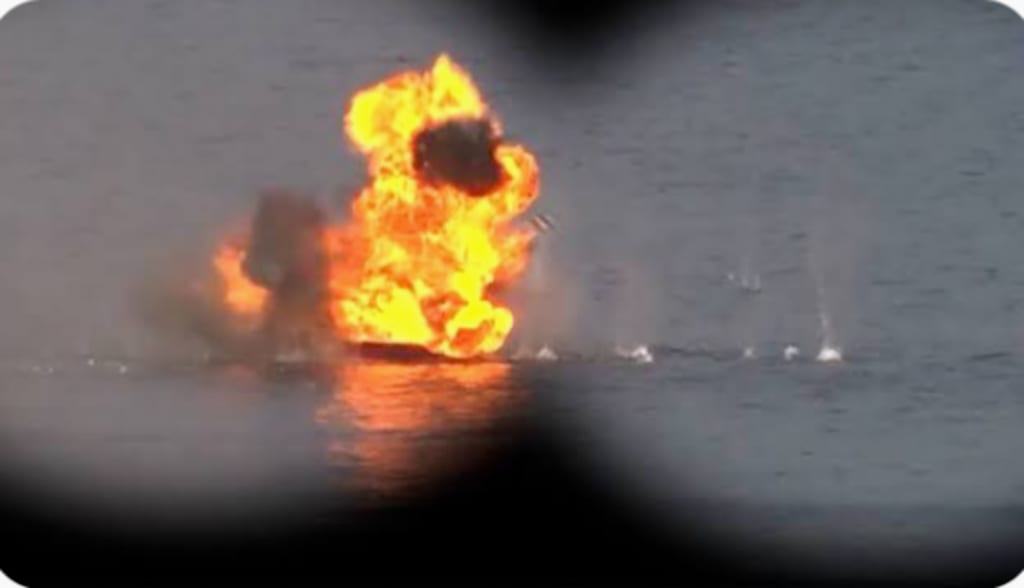
As Iran’s foreign minister arrives in Geneva for renewed diplomatic talks with the United States, the world is witnessing a striking contrast between negotiation and military signaling. While diplomats gather around conference tables in Switzerland, the Islamic Revolutionary Guard Corps (IRGC) has launched large-scale naval drills in the Strait of Hormuz, one of the most strategically vital shipping lanes on Earth.
This parallel development—dialogue on one front and military readiness on another—captures the complexity of the Iran–US relationship, where diplomacy and deterrence often move side by side.
🌍 A Diplomatic Stage in Geneva
The Iranian foreign minister’s visit to Geneva signals a renewed effort to re-engage in discussions with the United States over long-standing disputes, particularly related to sanctions, regional security, and nuclear policy.
Geneva has long served as neutral ground for sensitive negotiations involving Iran and Western powers. Previous rounds of talks on Iran’s nuclear program and humanitarian arrangements were also held in the Swiss city, giving it symbolic importance as a venue for diplomacy.
Officials on both sides have described the meetings as “technical” and “exploratory,” but analysts suggest the discussions could pave the way for broader negotiations if trust can be gradually rebuilt. The timing, however, is critical—and complicated—by military activity in nearby waters.
⚓ Military Drills in the Strait of Hormuz
At the same time that talks began in Geneva, Iran’s IRGC announced naval exercises in the Strait of Hormuz. This narrow waterway connects the Persian Gulf with the Gulf of Oman and the Arabian Sea and is responsible for transporting nearly one-fifth of the world’s oil supply.
The drills reportedly include fast-attack boats, missile systems, and defensive maneuvers aimed at protecting Iran’s territorial waters. Iranian state media has framed the exercises as routine and defensive, emphasizing that they are meant to enhance readiness and safeguard national sovereignty.
However, for international observers, any military activity in the Strait of Hormuz immediately raises alarms. Even minor incidents in this region can have global consequences for energy markets and maritime security.
🔄 Diplomacy vs. Deterrence: A Dual Strategy
Iran’s simultaneous pursuit of diplomacy and military drills reflects a long-standing strategy of maintaining leverage. By showing strength in the Strait of Hormuz while negotiating in Geneva, Tehran sends a message that it is willing to talk—but not from a position of weakness.
This dual-track approach serves several purposes:
Domestic reassurance: Demonstrating military readiness appeals to hardline audiences at home.
International leverage: It reminds negotiating partners of Iran’s strategic importance and regional influence.
Deterrence: It signals that Iran can respond if talks collapse or if pressure increases.
For Washington, this creates a delicate challenge: how to engage diplomatically without appearing to yield to military pressure.
🌐 Why the Strait of Hormuz Matters
The Strait of Hormuz is only about 33 kilometers wide at its narrowest point, yet it is one of the most critical chokepoints in global trade. Tankers carrying oil and liquefied natural gas from Saudi Arabia, Iraq, Kuwait, and the United Arab Emirates pass through it daily.
Any disruption—whether from military exercises, accidents, or conflict—can:
Spike global oil prices
Disrupt supply chains
Trigger wider regional instability
This is why the IRGC’s drills are closely monitored by naval forces from multiple countries operating in the region.
🧭 Regional and Global Reactions
International reactions to the developments have been cautious. European diplomats have welcomed the Geneva talks as a step toward de-escalation but expressed concern over the timing of the drills. Meanwhile, Gulf states remain alert, given their reliance on uninterrupted maritime trade.
Energy markets have also reacted nervously, with analysts warning that heightened tensions in the Strait of Hormuz could quickly translate into price volatility.
For the United States and its allies, the message is mixed: diplomacy is ongoing, but the risk of miscalculation at sea remains very real.
🧠 What’s at Stake in the Talks?
The Geneva discussions reportedly focus on:
Sanctions relief and humanitarian access
Nuclear monitoring and compliance
Regional security and maritime safety
Prisoner or detainee arrangements
While no major breakthrough is expected immediately, even limited agreements could help reduce tensions and open channels for broader dialogue.
Yet, history shows that talks between Iran and the US are fragile. Progress can be undone by a single incident, especially in sensitive regions like the Strait of Hormuz.
⚠️ Risks of Escalation
The biggest danger lies in unintended confrontation. Naval exercises increase the presence of armed vessels in a confined space, raising the risk of misunderstandings or accidents. A collision, warning shot, or radar misinterpretation could spiral into a larger crisis.
Such an incident would not only derail diplomacy in Geneva but could also draw in regional and global powers, transforming a local standoff into an international emergency.
✨ A Moment of Testing for Diplomacy
The current situation represents a test of whether diplomacy can keep pace with military posturing. Iran’s presence in Geneva suggests that it is not closing the door on negotiation. At the same time, the IRGC’s drills underline that Tehran is unwilling to rely solely on dialogue for its security strategy.
For the international community, the hope is that the talks will lead to confidence-building measures—perhaps agreements on maritime conduct or communication channels that reduce the risk of clashes in the Strait of Hormuz.
🔚 Conclusion
The image of Iranian diplomats negotiating in Geneva while warships conduct drills in the Strait of Hormuz perfectly illustrates today’s geopolitical tension: words of peace alongside displays of power. It is a reminder that in Middle Eastern politics, diplomacy and deterrence often move in parallel rather than in sequence.
Whether this moment leads to renewed cooperation or deeper confrontation depends on what happens next—both at the negotiating table and on the open waters of one of the world’s most vital trade routes.
For now, the world watches closely, knowing that the balance between dialogue and force will shape not just Iran–US relations, but the stability of global energy markets and regional security for months to come.
About the Creator
Sajida Sikandar
Hi, I’m Sajida Sikandar, a passionate blogger with 3 years of experience in crafting engaging and insightful content. Join me as I share my thoughts, stories, and ideas on a variety of topics that matter to you.
Keep reading
More stories from Sajida Sikandar and writers in The Swamp and other communities.
Trump’s New World Order Has Become Real — and Europe Is Having to Adjust Fast
For decades, Europe built its political and security architecture on a single assumption: that the United States would remain the continent’s ultimate guarantor of stability. That assumption is now under intense strain. The return of Donald Trump to center stage in global politics has accelerated a transformation many analysts once dismissed as temporary rhetoric. What was once called “Trump’s worldview” is increasingly becoming a concrete reality—one that is reshaping Europe’s strategic thinking at remarkable speed.
By Sajida Sikandara day ago in The Swamp
Why Black History Matters in America?
The United States of America is celebrating their 250th anniversary in 2026. I'm proud to be an American and as someone who was born here, I wouldn't imagine myself living anywhere else. This is a country where opportunities are possible. Where anyone can be successful in anything they desire to do. Equality, community, and togetherness are the backbones of what America is and should be about. However, we have an administration who wants to erase and disregard those who have made positive, meaningful impacts in our country, specifically Black figures, such as Martin Luther King, Jr., Rosa Parks, and Maya Angelou. President Trump and his administration have been constantly complaining and fighting against what they call the "Woke agenda". They use this excuse as a distraction from other issues they refuse to address, such as the high cost of living, climate change, and inflation. That equality is dividing America, when in reality, it's bringing us together. Being woke is not tied to a specific political party. No matter where you stand on the political spectrum, you can still care about other people and their plights. Compassion and empathy for others isn't tied to a political party, either. We were taught as children to treat others the way we want to be treated and not judge others because they're different from us. Caring about others isn't a personal attack on your beliefs. It doesn't make you any less of a person. People who are easily offended over African American figures, past or present, or anything related to it, are grasping at straws. Current and future generations need to know who people like Harriet Tubman and Shirley Chisholm were, especially in the classroom. Black History is part of American History. It should be recognized, not hidden or forgotten. Besides, you can't shield children from everything, just because your feelings are easily hurt.
By Mark Wesley Pritchard 16 days ago in The Swamp




Comments
There are no comments for this story
Be the first to respond and start the conversation.