
Iran’s Gen Z Helped Propel the Protests. They Paid With Their Lives.
Young Iranians used their voices, phones, and bodies to demand change—only to face lethal crackdowns that reshaped a generation forever

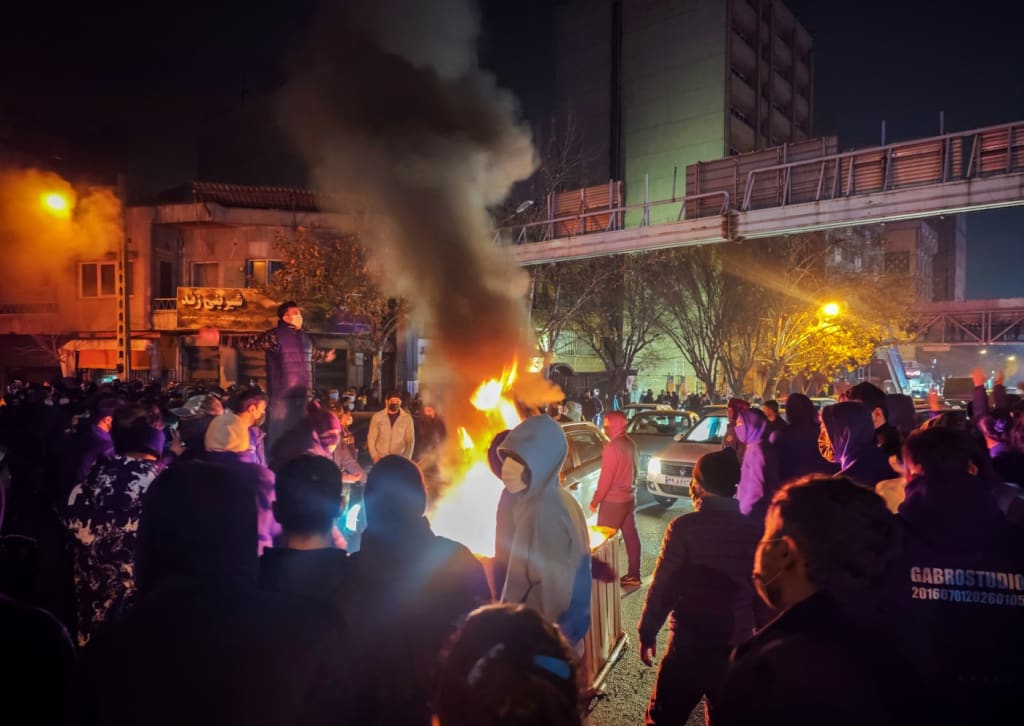
A Generation That Refused Silence
In recent years, Iran has witnessed waves of protests unlike any before. At the heart of this unrest stands Generation Z—young Iranians who grew up under sanctions, censorship, and economic hardship, yet remained deeply connected to the outside world through technology. This generation did not just participate in the protests; it powered them. And for many, the cost was fatal.
From university students to high school teenagers, Iran’s Gen Z took to the streets demanding dignity, freedom, and a future they felt was slipping away. Their bravery captured global attention, but inside Iran, their resistance was met with brutal force.
---
Why Iran’s Gen Z Took the Lead
Unlike older generations shaped by the 1979 revolution or the Iran-Iraq war, Gen Z has no emotional attachment to the existing political system. Instead, they grew up watching the gap widen between Iran and the rest of the world.
Sky-high inflation, unemployment, internet restrictions, and social repression created a sense of suffocation. For many young Iranians, opportunities to study, work, or freely express themselves felt nearly impossible. Protest, therefore, became not just political—but existential.
This generation was also digitally fluent. Social media platforms allowed them to organize protests, document abuses, and share real-time updates, even as authorities attempted internet blackouts. Their voices spread faster than the state could silence them.
From Streets to Symbols of Resistance
As protests erupted across cities like Tehran, Karaj, Mashhad, and Kermanshah, Gen Z protesters quickly became the most visible participants. Videos circulated of teenagers chanting slogans, young women confronting security forces, and students refusing to back down.
But visibility came at a deadly price.
Security forces responded with live ammunition, mass arrests, and violent crackdowns. Many Gen Z protesters were shot during demonstrations, others died in detention, and some disappeared entirely. Families were often pressured to stay silent or falsify causes of death.
Each loss turned a young protester into a symbol—of courage, defiance, and tragedy.
The Rising Death Toll
Exact numbers remain difficult to verify due to strict media controls and limited access for international observers. However, human rights groups estimate that thousands of protesters have been killed, with a significant portion being teenagers and young adults.
Reports confirm that children as young as 15 were among the dead. Some were killed by gunfire, others by beatings, and several reportedly died under interrogation. Many families were denied proper funerals, while others were threatened against speaking publicly.
These deaths have left a deep scar on Iranian society, especially among young people who watched peers lose their lives simply for demanding change.
Families Left Behind
Behind every statistic is a grieving family. Parents who once worried about exams and careers now mourn children they never expected to bury. In many cases, families were summoned by authorities and warned not to speak to media or hold public memorials.
Some were forced to sign documents claiming their loved ones died of natural causes. Others faced harassment or arrest for seeking justice.
Despite the fear, many families have become outspoken voices, refusing to let their children’s deaths be forgotten. Their courage has further fueled public anger and strengthened the movement’s resolve.
Technology as a Tool—and a Threat
Gen Z’s greatest strength—technology—also made them targets. Authorities monitored social media accounts, tracked online activism, and arrested young users for sharing protest content.
Yet even with shutdowns and surveillance, videos continued to emerge. Grainy footage, whispered testimonies, and anonymous posts ensured that the world saw what was happening inside Iran.
This digital resistance transformed local protests into a global human rights issue, placing immense pressure on Iranian authorities and drawing international condemnation.
A Generation Changed Forever
Iran’s Gen Z has been shaped by loss in ways no generation should endure. Many have lost friends, classmates, and siblings. Others now live with trauma, fear, or exile.
But despite the repression, their impact is undeniable. They challenged long-standing power structures and shifted the narrative—from passive youth to active agents of change.
Even as protests subside under force, the ideas driving them remain alive. The sacrifices made by Gen Z have planted seeds that cannot easily be erased.
The Legacy of Their Sacrifice
Iran’s Gen Z may have paid with their lives, but their message continues to echo far beyond the streets where they fell. Their courage exposed the cost of silence and reminded the world that youth movements carry immense power—even when faced with overwhelming odds.
History often remembers such generations not for what they lost, but for what they dared to demand. And in Iran, Gen Z has already written itself into that history.
About the Creator
Asad Ali
I'm Asad Ali, a passionate blogger with 3 years of experience creating engaging and informative content across various niches. I specialize in crafting SEO-friendly articles that drive traffic and deliver value to readers.
Gunmen Kill 11 After Soccer Match in Mexico
In a shocking turn of events, 11 people were killed and 12 others injured after gunmen opened fire following a local soccer match in Salamanca, a city in the central Mexican state of Guanajuato, on Sunday, January 25, 2026. Among the victims were women and a child, highlighting the indiscriminate nature of the violence.
By Aqib Hussain7 days ago in The Swamp
Silver Price Analysis – Silver Falls Apart Early on Friday
Global silver prices experienced a dramatic collapse early on Friday, marking one of the most violent sell-offs in the precious metals sector in recent memory. After weeks of sustained gains and record-breaking highs, silver — often dubbed the “white metal” — abruptly fell apart on Friday, triggering broad market reactions, steep losses for investors, and renewed debate about the metal’s short-term prospects.
By Salaar Jamalia day ago in The Swamp
A Letter to the Firestarter
Dear Firestarter, We can all see you, we've been watching you since you began. In case you didn't know we were here before you and we will be here after. We witnessed your rise, your setbacks, your guilt and your lies. We witnessed you start the fire.
By Donny Foley4 days ago in Poets




Comments
There are no comments for this story
Be the first to respond and start the conversation.