
Poland Pulls Out of Treaty Banning Antipersonnel Mines, Says It Will Use Them to Defend Against Russia
🔹 Formal / News Style Warsaw exits Ottawa Convention, cites Russian threat as justification Poland resumes landmine plans to bolster eastern border defence 🔹 Neutral & Informative Poland withdraws from international mine ban treaty amid security concerns Eastern border security prompts Poland to abandon antipersonnel mine treaty 🔹 Impactful / Engaging Poland breaks treaty, prepares landmines to deter Russian aggression Warsaw’s bold move: mines return to defend against potential Russian attack

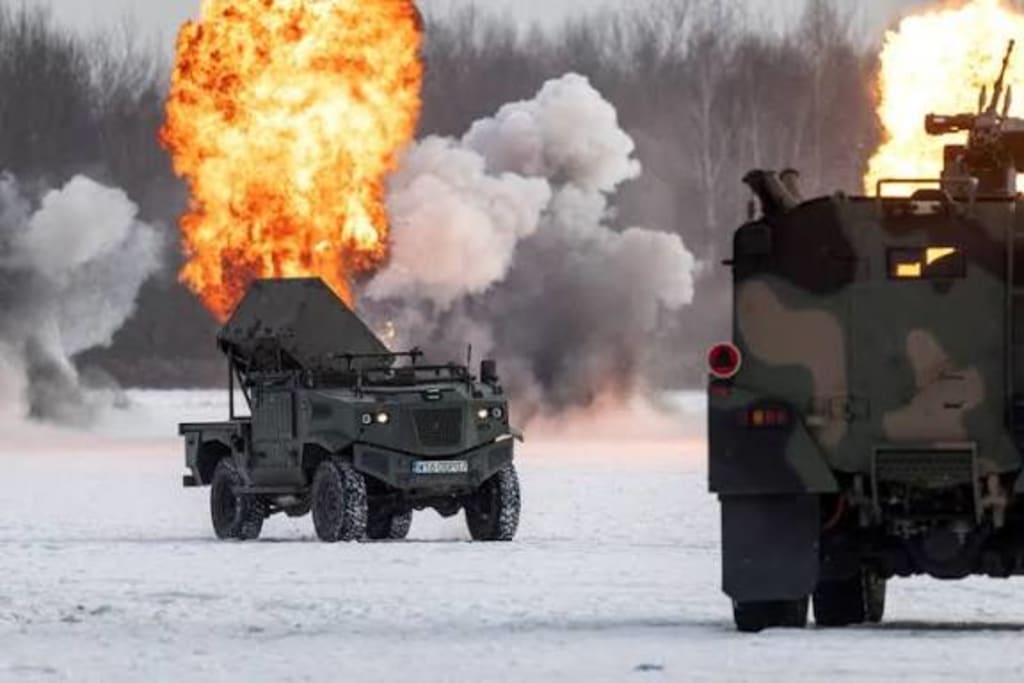
Poland has formally withdrawn from the 1997 Anti‑Personnel Mine Ban Treaty, commonly known as the Ottawa Convention, and announced it will resume production and potential deployment of antipersonnel mines along its eastern border as part of its defence strategy against growing concerns over Russian aggression. The move marks a significant shift in Warsaw’s defence policy and has attracted international attention from governments, human rights organisations and military analysts alike.
Withdrawal from the Ottawa Treaty
On 20 February 2026, Poland officially exited the Ottawa Convention, which prohibits signatory states from producing, stockpiling and using antipersonnel landmines — weapons widely criticised for their long‑term danger to civilians in conflict zones. Poland had ratified the treaty in 2012 and completed the destruction of its stockpile by 2016, fully complying with the ban until now.
Deputy Defence Minister Paweł Zalewski told the Associated Press that the withdrawal was driven by what Warsaw sees as a deteriorating security environment in Eastern Europe and the need to fortify its borders with both Russia and Belarus under the country’s ongoing Eastern Shield defence initiative. He said antipersonnel and anti‑tank mines would be considered “important elements” of Poland’s defensive structure if confrontation with Russia became imminent.
Poland’s Prime Minister Donald Tusk said that, following the exit, Warsaw would soon have the capability to deploy minefields along its eastern frontiers within 48 hours if necessary, part of broader efforts to strengthen territorial deterrence.
euronews
Strategic Rationale and Regional Context
Poland’s decision comes amid persistent security anxieties linked to Russia’s full‑scale invasion of Ukraine and what Warsaw and other NATO capitals view as unpredictable Russian military behaviour. Russia has never ratified the Ottawa Convention, and neither have other major powers such as the United States and China.
The Week
Neighbouring NATO states — including Finland, Estonia, Latvia and Lithuania — have already either announced intentions to withdraw or completed their departures from the treaty, citing similar defence concerns. Warsaw’s action aligns with this wider reassessment of land‑mine related restrictions by countries bordering Russia and Belarus, all seeking greater tactical latitude in case of conflict escalation.
The New Voice of Ukraine
“Given the length of our eastern border and the nature of the threat we face,” Tusk said, “we must have every tool necessary for defence.” He added that readiness to lay antipersonnel mines was intended as a deterrent rather than an indication of aggressive intent.
The New Voice of Ukraine
Defence Plans and Production
Polish officials have stated that the country will restart domestic production of antipersonnel mines alongside anti‑tank variants, aiming for self‑sufficiency rather than reliance on imported ordnance. This marks a reversal of a decade of compliance with international norms intended to eliminate mines altogether.
Anti‑tank mines, which detonate under the weight of vehicles rather than individuals, were not banned under the Ottawa Convention and have been part of Warsaw’s defensive planning for some time. But the resumption of antipersonnel mine manufacturing — which targets individual foot soldiers — represents a more controversial shift.
The Week
Human Rights and Safety Concerns
Human rights organisations have strongly condemned the decision, warning that antipersonnel mines have a long history of indiscriminate and lasting harm to civilian populations, often remaining lethal long after conflicts end. Mines have caused extensive casualties in countries such as Cambodia, Angola, and Bosnia and Herzegovina, where they remain a danger decades after war has ceased.
Zalewski responded to these criticisms by emphasising that Poland intends to keep mines in reserve and use them only in the event of a “realistic threat” of Russian aggression, and not to exclude affected land from normal civilian use during peacetime. He said that Warsaw aimed to balance strong defence with safety considerations, but many observers doubt that risk can be fully mitigated once mines are deployed.
NATO and Allied Reactions
The policy shift has raised questions among NATO allies about coordination and broader defensive strategy along the alliance’s eastern flank. While many NATO members have similarly revised their positions on landmine bans, the issue remains divisive within the alliance, particularly where civilian humanitarian concerns intersect with military preparedness.
The Week
Officials stress that Poland remains committed to NATO collective defence and to upholding other international legal obligations, even as it diverges on this particular treaty commitment. They argue that defending soberly and effectively against potential aggression requires flexibility in military planning.
Conclusion
Poland’s withdrawal from the Ottawa Convention and its resumption of antipersonnel mine production highlights a profound shift in security policy driven by geopolitical realities and concerns over Russian intentions. The move reflects broader trends among NATO states on the eastern edge of the alliance, but also renews debates about the humanitarian and civilian implications of landmine use.
While Warsaw insists its stance is defensive and measured, human rights groups and some international observers fear that reintroducing mines could bring long‑term dangers to civilian populations and complicate post‑conflict recovery if hostilities were ever to erupt. Whether this policy will deter aggression or create new risks remains at the centre of a growing international conversation.
About the Creator
Fiaz Ahmed
I am Fiaz Ahmed. I am a passionate writer. I love covering trending topics and breaking news. With a sharp eye for what’s happening around the world, and crafts timely and engaging stories that keep readers informed and updated.
Keep reading
More stories from Fiaz Ahmed and writers in The Swamp and other communities.
Britain Blocking Use of Air Bases Trump Says Would Be Needed for Strikes on Iran, UK Media Reports
The United Kingdom has refused requests from the Donald Trump administration to allow U.S. military aircraft to use key British air bases as staging points for potential strikes on Iran, according to multiple British media reports citing government sources. The decision has heightened diplomatic tensions between London and Washington just as relations are already strained over sovereignty arrangements for the Chagos Islands and other security issues. UK Withholds Consent for Air Base Access Under long‑standing defence agreements between the United States and the United Kingdom, American forces may operate from bases in Britain — including RAF Fairford in Gloucestershire and the joint US‑UK base on Diego Garcia in the Indian Ocean — for training and agreed missions with prior approval from the British government. However, London recently declined to authorise the use of these facilities for any potential U.S. air campaign against Iran. The Times of London first reported that British Prime Minister Keir Starmer’s government has refused to grant permission for any offensive military operations, over concerns that participation in such strikes could violate international law and implicate the UK in actions it cannot legally endorse. British authorities reportedly fear that allowing U.S. bombers to launch from their bases could be seen as complicity in a pre‑emptive attack, potentially exposing the UK to legal and diplomatic consequences. Legal rulings and government lawyers have emphasised that assisting or knowingly providing facilities for strikes lacking clear international legal justification might breach existing treaties and international law norms. Strategic Bases at the Centre of Debate The airfields highlighted in the reporting are among the most strategically important Western bases for operations in the wider Middle East and Indo‑Pacific theatre. RAF Fairford hosts American strategic bombers such as B‑52s and is seen as a key forward operating location for long‑range strikes. Diego Garcia — a remote island base — is equally crucial, enabling heavy aircraft to reach distant targets without refuelling from more distant continental U.S. bases. The UK decision comes amid heightened U.S. military build‑up in the Gulf and neighbouring regions as Washington weighs its options over Iran’s nuclear ambitions and regional behaviour. Trump and senior U.S. officials have not ruled out military action should diplomatic negotiations fail to restrain Tehran’s nuclear programme and ballistic missile development. Diplomatic Friction Over Chagos Sovereignty Reports also link the base access issue to broader diplomatic disagreements over the proposed transfer of sovereignty of the Chagos Islands — including Boston‑Napoleon Diego Garcia — to Mauritius. Under an agreement backed by both London and Washington, the UK would retain use of the base through a long‑term lease. However, Trump publicly criticised the agreement after the UK signalled it would not automatically allow U.S. offensive operations from the territory. White House social media posts from Trump reiterated concerns that Diego Garcia and RAF Fairford could be needed “to eradicate a potential attack by a highly unstable and dangerous regime,” signalling that U.S. planners see those bases as key to any contingency involving Iran. But British officials countered that authorising offensive operations from sovereign territory requires solid legal grounds and cannot be pre‑approved. Broader Policy Considerations British officials have emphasised their support for diplomatic efforts and de‑escalation, even as they work closely with the U.S. on shared security challenges. They have publicly supported negotiations with Iran on its nuclear programme and called for restraint while upholding international legal obligations. Within the UK government, there is recognition that strategic cooperation with the U.S. remains vital. But ministers have made clear that any decision to permit offensive operations from UK territory will be judged on legal merits and domestic public support rather than broader political pressure. Reaction in Washington In Washington, the refusal has drawn criticism from some Republican lawmakers and Trump allies, who argue that limiting U.S. access to British bases hampers rapid deployment and long‑range strike capabilities. They maintain that closer cooperation is necessary to deter regional threats and protect Western interests. Business Today Despite the disagreement, U.S. officials and defence planners are exploring alternative basing options in allied countries closer to Iran, and have reiterated that military planning continues alongside diplomatic engagement. Yahoo News UK Conclusion The UK’s position on air base use highlights the complex balance between alliance solidarity and sovereign legal obligations in matters of war and peace. As tensions between Tehran and Washington remain elevated, London’s stance could shape future military planning and influence how allies weigh legal, ethical and strategic factors before authorising offensive operations from sovereign soil.
By Fiaz Ahmed a day ago in The Swamp
Why Black History Matters in America?
The United States of America is celebrating their 250th anniversary in 2026. I'm proud to be an American and as someone who was born here, I wouldn't imagine myself living anywhere else. This is a country where opportunities are possible. Where anyone can be successful in anything they desire to do. Equality, community, and togetherness are the backbones of what America is and should be about. However, we have an administration who wants to erase and disregard those who have made positive, meaningful impacts in our country, specifically Black figures, such as Martin Luther King, Jr., Rosa Parks, and Maya Angelou. President Trump and his administration have been constantly complaining and fighting against what they call the "Woke agenda". They use this excuse as a distraction from other issues they refuse to address, such as the high cost of living, climate change, and inflation. That equality is dividing America, when in reality, it's bringing us together. Being woke is not tied to a specific political party. No matter where you stand on the political spectrum, you can still care about other people and their plights. Compassion and empathy for others isn't tied to a political party, either. We were taught as children to treat others the way we want to be treated and not judge others because they're different from us. Caring about others isn't a personal attack on your beliefs. It doesn't make you any less of a person. People who are easily offended over African American figures, past or present, or anything related to it, are grasping at straws. Current and future generations need to know who people like Harriet Tubman and Shirley Chisholm were, especially in the classroom. Black History is part of American History. It should be recognized, not hidden or forgotten. Besides, you can't shield children from everything, just because your feelings are easily hurt.
By Mark Wesley Pritchard 20 days ago in The Swamp



Comments
There are no comments for this story
Be the first to respond and start the conversation.