
Russia Pushes Back Hard Against Prospect of U.S.-Built Nuclear Plant in Armenia
Formal / News Style Moscow warns against Western influence in Armenia’s energy sector Nuclear project sparks new geopolitical tensions in the Caucasus Russia defends its traditional role in Armenia’s power industry 🔹 Neutral & Informative Armenia weighs partners as global powers compete for influence What the dispute means for regional energy security 🔹 Impactful & Serious Energy project becomes flashpoint in U.S.–Russia rivalry Strategic stakes rise over Armenia’s nuclear future

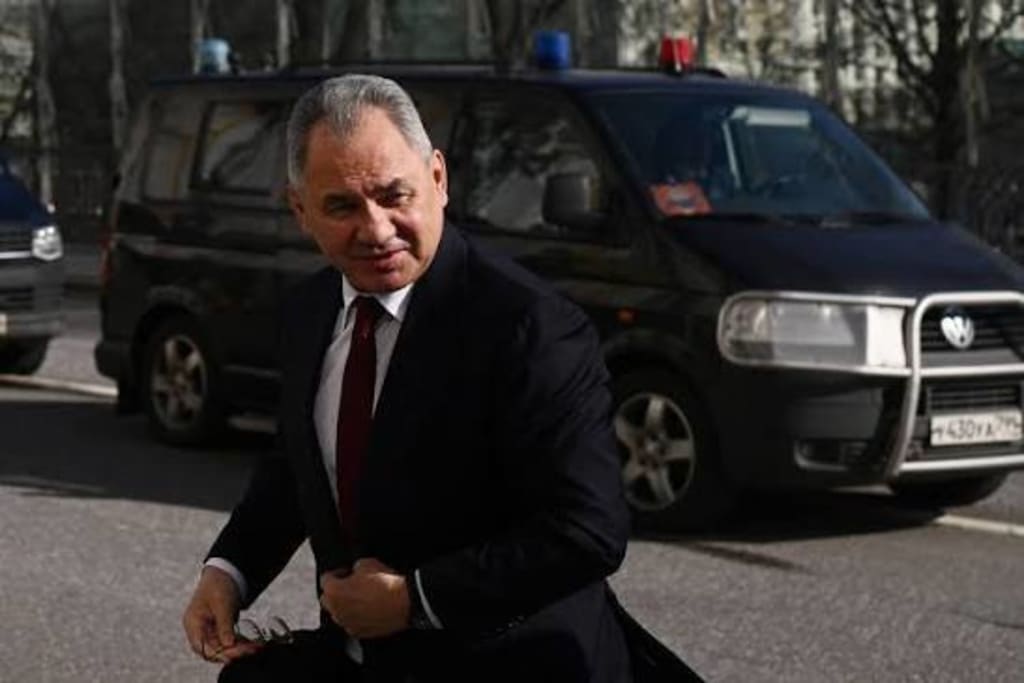
Russia has sharply criticized the possibility that Armenia could host a nuclear power plant built by the United States, warning that such a move would undermine long-standing regional energy arrangements and shift the geopolitical balance in the South Caucasus. The reaction highlights growing competition between Moscow and Washington for influence in a region traditionally viewed by Russia as part of its strategic sphere.
Armenian officials have recently confirmed that they are exploring international partners for the construction of a new nuclear facility to replace the aging Metsamor plant, which has been in operation since the Soviet era. Among the options under discussion is cooperation with U.S. companies, supported by technical and financial assistance from Washington.
The idea has drawn an unusually strong response from Russian officials, who argue that nuclear energy projects should remain under frameworks that have historically linked Armenia with Moscow.
Russia’s Strategic Concerns
Russia has long played a dominant role in Armenia’s energy sector, including nuclear power. The existing Metsamor plant was built with Soviet technology and is currently maintained with Russian technical support and fuel supplies. A shift toward U.S. involvement would represent a significant break from this tradition.
Officials in Moscow warned that allowing an American-built reactor could expose Armenia to political pressure from Washington and weaken existing regional security arrangements. A spokesperson for Russia’s foreign ministry said that nuclear cooperation should remain “free from geopolitical games” and based on “trusted partnerships.”
Analysts say Russia’s response is driven by both economic and strategic fears. Losing a major nuclear contract would mean reduced influence over Armenia’s critical infrastructure, while also signaling that Yerevan is drifting closer to the West.
Armenia’s Search for Alternatives
Armenia has defended its right to explore different options, citing safety, modernization, and long-term energy independence. The Metsamor plant, although upgraded several times, is considered outdated by international standards and sits in a seismically active region, raising concerns among European regulators.
The Armenian government has said it is studying proposals from multiple partners, including Russia, the United States, and European firms, before making a final decision.
A senior Armenian official stated that the goal is not to replace one dependency with another but to secure the safest and most economically viable technology for the next generation of nuclear power.
Washington’s Interest
The United States has signaled growing interest in supporting nuclear energy projects in Eastern Europe and the Caucasus as part of a broader effort to counter Russian dominance in the energy sector. U.S. officials argue that modern American reactor designs meet the highest safety standards and offer transparency in financing and operations.
The U.S. State Department has previously promoted civil nuclear cooperation agreements with several countries, presenting them as tools for energy security and economic development.
For Washington, involvement in Armenia’s nuclear future would represent not only a commercial opportunity but also a strategic foothold in a region where Russian and Iranian influence remains strong.
A Regional Power Struggle
The dispute over Armenia’s nuclear plant reflects a broader geopolitical contest between Russia and the United States in the post-Soviet space. Since the conflict in Ukraine, Moscow has grown increasingly sensitive to Western involvement in countries such as Georgia, Moldova, and Armenia.
Russia has traditionally viewed itself as Armenia’s main security guarantor, particularly after years of conflict with neighboring Azerbaijan. However, Armenia’s leadership has recently sought to diversify its partnerships, engaging more actively with Western institutions.
This shift has already strained relations between Yerevan and Moscow, and the nuclear project could become another flashpoint.
A Moscow-based energy analyst said the issue is “less about technology and more about control.” Whoever builds and maintains the reactor will shape Armenia’s energy policy for decades.
Safety and Environmental Questions
Supporters of a U.S.-built reactor argue that modern designs would significantly reduce risks associated with earthquakes and aging infrastructure. International observers have long urged Armenia to close Metsamor, describing it as one of the most dangerous nuclear plants still operating.
Russia, however, insists that its own nuclear technology meets global standards and that it remains the most reliable partner for Armenia, given decades of cooperation.
The Russian state nuclear corporation Rosatom has reportedly offered to construct a new reactor in Armenia using upgraded versions of its existing technology, along with long-term fuel supply contracts.
Diplomatic Implications
Diplomats warn that the nuclear decision could influence Armenia’s broader foreign policy direction. Choosing a U.S.-built plant would likely be interpreted by Moscow as a political signal, even if Armenian officials frame it as a technical or economic choice.
At the same time, rejecting Western involvement could disappoint partners in Washington and Brussels who see Armenia as a potential bridge between Europe and the Caucasus.
One European diplomat said the issue demonstrates how infrastructure projects have become tools of foreign policy. “Energy is no longer just about electricity. It’s about alliances.”
Looking Ahead
Armenia is expected to continue consultations before making a final decision, a process that could take years. In the meantime, Russia’s pushback underscores how sensitive the question has become.
Whether Armenia ultimately turns to Moscow, Washington, or a mixed partnership, the controversy shows that nuclear energy is now deeply intertwined with geopolitics in the region.
As global competition intensifies, even a single power plant can become a symbol of shifting loyalties and emerging strategic realities in the South Caucasus.
About the Creator
Fiaz Ahmed
I am Fiaz Ahmed. I am a passionate writer. I love covering trending topics and breaking news. With a sharp eye for what’s happening around the world, and crafts timely and engaging stories that keep readers informed and updated.
Keep reading
More stories from Fiaz Ahmed and writers in The Swamp and other communities.
Denmark Has a Clear Message for U.S. Travelers Amid Tensions Over Greenland
As diplomatic tensions simmer between Copenhagen and Washington over the future of Greenland, Denmark’s national tourism board has delivered a reassuring message to U.S. travelers, emphasizing that they remain welcome in Scandinavia’s most southerly kingdom despite political strains. The communication, aimed at travel professionals and the public, reflects broader efforts by Danish authorities to separate geopolitics from people-to-people ties while managing growing global scrutiny of Greenland’s strategic status. The message was distributed in late January by VisitDenmark, the country’s official tourism promotion agency, in an email sent to approximately 6,000 U.S.-based travel advisers and tour operators. It sought to quell concerns among American holidaymakers about visiting Denmark — and by extension Greenland — against the backdrop of heightened media attention on Arctic politics. A Welcome Message in a Fraught Moment In its communication, VisitDenmark stressed that there is no evidence the political situation has affected travel safety or tourism operations in Denmark. “First and foremost, travelers are welcome in Denmark,” the message affirmed, noting that regular conversations with industry partners and recent reporting indicate that visitor experiences remain largely unaffected. The note also addressed anxieties expressed by potential visitors who had been following news coverage of U.S. political rhetoric regarding Greenland, including past proposals by American leadership to assert control or increase influence over the island. While some travelers had questioned whether Americans would still feel welcome in Nordic countries, Denmark’s tourism officials responded with clear reassurance. Mette Ejlskov Hansen, VisitDenmark’s U.S. marketing manager, described the response to the email as “extremely positive,” with open rates significantly higher than typical correspondence — an indication that audiences were eager for clarity. “We’ve heard from many travel professionals that they wanted to see clarity on this topic,” she said. The Broader Geopolitical Context The backdrop to this messaging campaign is a complex geopolitical dispute over Greenland, an autonomous territory within the Kingdom of Denmark that has increasingly become a flashpoint in international relations. Greenland’s location — strategically placed in the Arctic and rich in natural resources — has drawn attention from global powers, including the United States. Tensions escalated in recent years as some U.S. political figures publicly suggested stronger U.S. involvement in Greenland’s future, including controversial proposals to purchase or exert greater control over the territory. That rhetoric triggered protests in Denmark and Greenland, with demonstrators insisting that Greenland “is not for sale” and expressing strong support for Danish sovereignty. Denmark’s government has consistently rebuffed notions of relinquishing control or entertaining unilateral proposals, arguing that decisions about Greenland’s future should respect international law, the rights of Greenland’s people, and the existing constitutional structure of the Danish realm. Diplomats from Copenhagen and Nuuk have engaged with U.S. counterparts to discuss Arctic issues, including through joint working groups, but the fundamental disagreement remains. Danish and Greenlandic Voices Early in the dispute, Denmark’s foreign minister described the situation as involving “fundamental disagreement” with the U.S. on Greenland’s future, underlining that proposals inconsistent with Greenland’s self-determination and territorial integrity were unacceptable. Similarly, Greenlandic leaders have publicly declared their preference to remain aligned with Denmark, emphasizing local autonomy and the importance of respecting the island’s democratic processes. Despite these tensions, both Danish and Greenlandic officials have maintained that international cooperation remains possible, and constructive diplomatic engagement has continued. For example, high-level meetings between officials from Denmark, Greenland, and the United States have taken place to exchange views and establish working groups aimed at managing the dispute and clarifying strategic priorities. Helsinki Times Tourism, Perception, and Reality For the travel industry, the key concern has been whether political disagreements — especially dramatic or sensational headlines about territorial ambitions — might spill over into tourists’ perceptions of safety and welcome. VisitDenmark’s message was crafted expressly to counter misgivings that might deter Americans from booking trips to Denmark or Greenland. Travel operators have reported no significant decline in interest or bookings tied directly to the geopolitical spotlight, with patterns reflecting seasonal variations rather than political avoidance. In fact, VisitDenmark officials note that travel from U.S. markets grew in 2025 compared to the previous year, with strong interest in Danish cities and cultural attractions. Critically, the tourism board emphasised that the Danish people distinguish between government disputes and individual visitors, and that there is “no hatred toward Americans” in the broader public. This distinction aims to reassure travelers that everyday interactions in Denmark remain unaffected by diplomatic tensions. Looking Ahead As the Greenland debate continues to unfold, Denmark’s message to U.S. travelers serves as a reminder that governments often aim to compartmentalise political friction and everyday life. With Arctic geopolitics only likely to gain further attention in coming years, Copenhagen’s approach highlights the importance of clear communication in maintaining confidence in sectors like tourism, which thrive on perceptions of safety, welcome, and cultural exchange. For now, Americans contemplating travel to Denmark and, potentially, Greenland can take comfort in official assurances that their presence is wanted and valued — even as strategic debates persist at the highest levels of international diplomacy.
By Fiaz Ahmed 6 days ago in The Swamp
Why Black History Matters in America?
The United States of America is celebrating their 250th anniversary in 2026. I'm proud to be an American and as someone who was born here, I wouldn't imagine myself living anywhere else. This is a country where opportunities are possible. Where anyone can be successful in anything they desire to do. Equality, community, and togetherness are the backbones of what America is and should be about. However, we have an administration who wants to erase and disregard those who have made positive, meaningful impacts in our country, specifically Black figures, such as Martin Luther King, Jr., Rosa Parks, and Maya Angelou. President Trump and his administration have been constantly complaining and fighting against what they call the "Woke agenda". They use this excuse as a distraction from other issues they refuse to address, such as the high cost of living, climate change, and inflation. That equality is dividing America, when in reality, it's bringing us together. Being woke is not tied to a specific political party. No matter where you stand on the political spectrum, you can still care about other people and their plights. Compassion and empathy for others isn't tied to a political party, either. We were taught as children to treat others the way we want to be treated and not judge others because they're different from us. Caring about others isn't a personal attack on your beliefs. It doesn't make you any less of a person. People who are easily offended over African American figures, past or present, or anything related to it, are grasping at straws. Current and future generations need to know who people like Harriet Tubman and Shirley Chisholm were, especially in the classroom. Black History is part of American History. It should be recognized, not hidden or forgotten. Besides, you can't shield children from everything, just because your feelings are easily hurt.
By Mark Wesley Pritchard 18 days ago in The Swamp



Comments
There are no comments for this story
Be the first to respond and start the conversation.