
Second Round of US–Iran Nuclear Talks to Be Held Today
High-stakes diplomacy resumes in Geneva amid sanctions pressure and regional tensions

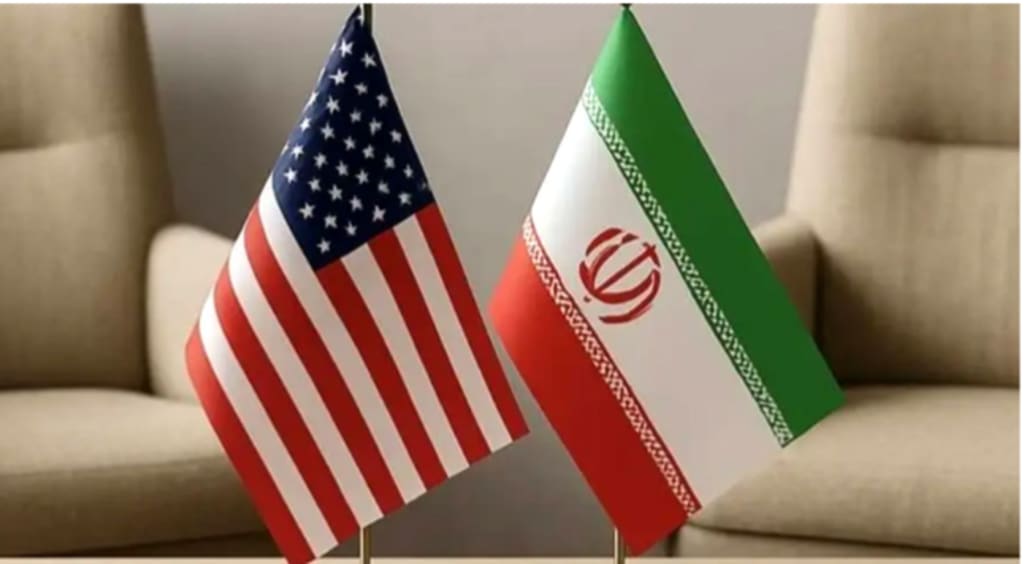
Today marks a crucial moment in international diplomacy as the United States and Iran begin the second round of indirect nuclear negotiations in Geneva, Switzerland. The talks aim to revive dialogue over Iran’s nuclear program and reduce growing tensions that have strained relations between Tehran and Washington for years.
Following an initial round of discussions earlier this month, today’s meeting is being closely watched by world powers, regional allies, and international organizations. With sanctions, military posturing, and political pressure on both sides, the outcome of these talks could shape Middle Eastern stability and global security for the foreseeable future.
Why These Talks Matter
The dispute between the United States and Iran centers on Iran’s nuclear activities. Tehran maintains that its nuclear program is strictly for peaceful and civilian purposes, while Washington and its allies fear that Iran is moving closer to developing nuclear weapons capability.
Iran is a signatory to the Nuclear Non-Proliferation Treaty (NPT), which allows peaceful nuclear energy under international oversight. However, concerns grew when Iran began enriching uranium to levels far above those required for civilian energy use. This escalation followed the collapse of the 2015 nuclear agreement, known as the Joint Comprehensive Plan of Action (JCPOA), after the U.S. withdrew from it in 2018.
Since then, both sides have struggled to rebuild trust.
Geneva: The Stage for Sensitive Diplomacy
The second round of talks is taking place in Geneva, a long-standing hub for international diplomacy. Unlike traditional negotiations, these talks are being conducted indirectly, with mediators shuttling messages between the two delegations.
Oman has once again stepped in as a key intermediary, continuing its role as a neutral facilitator between Washington and Tehran. Swiss diplomats are also assisting in hosting the discussions and ensuring smooth communication.
Iran’s foreign minister, Abbas Araghchi, arrived in Geneva with a team of senior diplomats and nuclear experts. Prior to today’s talks, he met with officials from the International Atomic Energy Agency (IAEA), the UN body responsible for monitoring nuclear compliance.
In a social media statement, Araghchi said Iran seeks a “fair and realistic agreement” but emphasized that pressure and threats would not lead to compromise.
Key Issues on the Negotiating Table
The main focus of the talks is Iran’s uranium enrichment program. Iran has reportedly enriched uranium up to 60 percent purity, a level alarmingly close to weapons-grade material, though still below the 90 percent threshold required for nuclear weapons.
Iran has signaled that it may be open to:
Limiting enrichment levels
Allowing expanded international inspections
Improving transparency with the IAEA
In exchange, Tehran demands:
The lifting of U.S. economic sanctions
Guarantees that future agreements will not be abandoned
Recognition of its right to peaceful nuclear development
The United States, meanwhile, is pushing for stricter limits on Iran’s nuclear activities and broader oversight. American officials also want discussions to eventually address Iran’s missile program and regional influence—topics Iran insists are non-negotiable.
Political and Military Pressure
These talks are unfolding under heavy political and military tension.
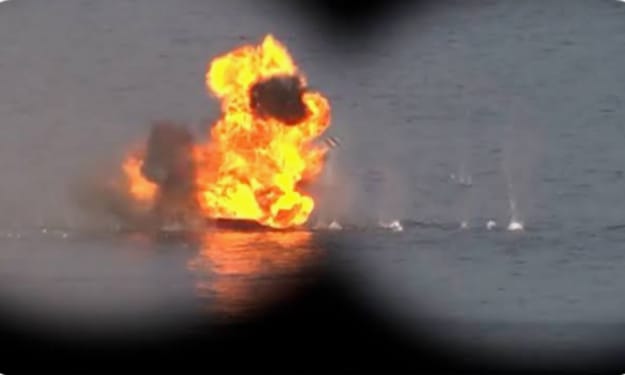
Washington has increased its naval presence in the Persian Gulf in recent weeks, calling the move a deterrent and a sign of readiness. Iran, in response, has conducted military drills near the Strait of Hormuz, a vital passageway for global oil supplies.
Former President Donald Trump, whose administration withdrew from the original nuclear deal in 2018, has recently issued strong warnings that failure to reach an agreement could lead to “serious consequences.” Such rhetoric has heightened anxiety around the talks and underscored the fragile balance between diplomacy and confrontation.
Regional and Global Impact
The outcome of these negotiations extends far beyond U.S.–Iran relations.
A successful agreement could:
Reduce the risk of military conflict in the Middle East
Stabilize oil markets
Improve humanitarian conditions inside Iran through sanctions relief
Reinforce global nuclear non-proliferation efforts
On the other hand, failure could:
Increase the likelihood of regional escalation
Encourage other nations to pursue nuclear capabilities
Strain relationships between the U.S. and its European allies
Intensify concerns from Israel and Gulf states
Many regional powers remain skeptical of Iran’s intentions and fear that even a limited deal could legitimize nuclear expansion.
Challenges Ahead
Diplomats and analysts agree that a major breakthrough is unlikely in this second round. Both sides remain deeply entrenched in their positions. Iran wants immediate economic relief, while the U.S. wants irreversible nuclear constraints.
Domestic politics also complicate matters. Iranian leaders face pressure from hardliners who oppose concessions, while American policymakers must consider public opinion and congressional resistance to any agreement perceived as too lenient.
Trust remains the largest obstacle. Years of sanctions, threats, and broken agreements have left both nations cautious and defensive.
A Step Toward Dialogue
Despite the obstacles, the very fact that both parties are engaging in a second round of talks is significant. It signals a shared understanding that diplomacy—however slow and difficult—is preferable to open conflict.
Even small steps, such as agreeing on inspection mechanisms or humanitarian sanctions relief, could pave the way for further negotiations in the months ahead.
Conclusion
Today’s second round of U.S.–Iran nuclear talks in Geneva represents a critical test of diplomacy in one of the world’s most sensitive geopolitical disputes. With nuclear concerns, sanctions pressure, and regional instability all in play, the stakes could not be higher.
Whether these discussions lead to a renewed agreement or simply keep dialogue alive, the world will be watching closely. In a region where tensions can quickly escalate into conflict, even cautious diplomacy offers a glimmer of hope for stability and peace.
About the Creator
Sajida Sikandar
Hi, I’m Sajida Sikandar, a passionate blogger with 3 years of experience in crafting engaging and insightful content. Join me as I share my thoughts, stories, and ideas on a variety of topics that matter to you.
Keep reading
More stories from Sajida Sikandar and writers in The Swamp and other communities.
Iran FM in Geneva for US Talks, as IRGC Holds Drills in Strait of Hormuz
As Iran’s foreign minister arrives in Geneva for renewed diplomatic talks with the United States, the world is witnessing a striking contrast between negotiation and military signaling. While diplomats gather around conference tables in Switzerland, the Islamic Revolutionary Guard Corps (IRGC) has launched large-scale naval drills in the Strait of Hormuz, one of the most strategically vital shipping lanes on Earth.
By Sajida Sikandarabout 17 hours ago in The Swamp
Why Black History Matters in America?
The United States of America is celebrating their 250th anniversary in 2026. I'm proud to be an American and as someone who was born here, I wouldn't imagine myself living anywhere else. This is a country where opportunities are possible. Where anyone can be successful in anything they desire to do. Equality, community, and togetherness are the backbones of what America is and should be about. However, we have an administration who wants to erase and disregard those who have made positive, meaningful impacts in our country, specifically Black figures, such as Martin Luther King, Jr., Rosa Parks, and Maya Angelou. President Trump and his administration have been constantly complaining and fighting against what they call the "Woke agenda". They use this excuse as a distraction from other issues they refuse to address, such as the high cost of living, climate change, and inflation. That equality is dividing America, when in reality, it's bringing us together. Being woke is not tied to a specific political party. No matter where you stand on the political spectrum, you can still care about other people and their plights. Compassion and empathy for others isn't tied to a political party, either. We were taught as children to treat others the way we want to be treated and not judge others because they're different from us. Caring about others isn't a personal attack on your beliefs. It doesn't make you any less of a person. People who are easily offended over African American figures, past or present, or anything related to it, are grasping at straws. Current and future generations need to know who people like Harriet Tubman and Shirley Chisholm were, especially in the classroom. Black History is part of American History. It should be recognized, not hidden or forgotten. Besides, you can't shield children from everything, just because your feelings are easily hurt.
By Mark Wesley Pritchard 16 days ago in The Swamp
The Cave Part 6
If you have ever heard a tale about yourself that you cannot remember and doubtless think is made up, you will know how I felt when Tharkin related all that the eagle had seen of me before my memories were scattered. Of far distances and traveling companions that I did not recall, camping out under the stars and making our way to the mountains with deliberate purpose. The great bird had lost contact with my party once we entered the forests, and the seven other members were not seen again by him or his brethren since.
By Jamye Sharp2 days ago in Chapters


Comments
There are no comments for this story
Be the first to respond and start the conversation.