
Starmer Pledges Crackdown on ‘Addictive Elements’ of Social Media
Why the UK Prime Minister’s new proposal could change how young people experience the digital world

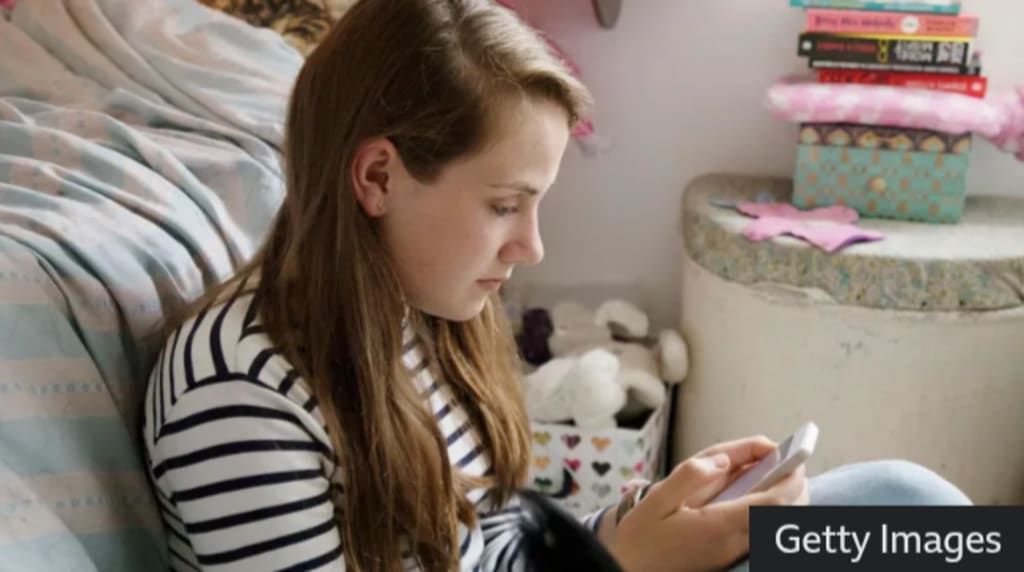
In a bold move that signals a tougher stance on Big Tech, UK Prime Minister Keir Starmer has pledged to take action against what he calls the “addictive elements” of social media platforms. His proposal focuses on curbing features that encourage excessive screen time, particularly among children and teenagers.
Starmer’s message was clear: technology is evolving faster than legislation, and governments must act before the consequences become irreversible. With rising concerns about youth mental health, online safety, and the power of algorithms, this announcement has sparked both praise and controversy.
Let’s explore what this crackdown means, why it matters, and what could happen next.
Why Social Media Is Under Fire
Social media platforms are built to keep users engaged for as long as possible. Features like infinite scrolling, autoplay videos, push notifications, and algorithm-driven content feeds are carefully engineered to capture attention.
For young people, this design can be especially powerful.
Parents, teachers, and mental health professionals have long raised alarms about the effects of excessive social media use, including:
Increased anxiety and depression
Sleep disruption
Lower attention spans
Exposure to harmful or inappropriate content
Social comparison and body image issues
Starmer argues that these tools are not neutral. Instead, they are deliberate mechanisms designed to maximize engagement and profit, often at the expense of wellbeing.
In his words, if tech companies refuse to change voluntarily, the government is prepared to step in.
What the Crackdown Would Target
The proposal does not aim to ban social media outright. Instead, it focuses on reshaping how platforms are designed—especially for younger users.
Key elements under consideration include:
Limiting addictive design features such as endless scrolling and autoplay
Stronger age verification systems to prevent children from bypassing safeguards
Restrictions on content algorithms that push extreme or harmful material
Extending online safety rules to AI chatbots and digital tools
Protecting children’s data and online identities
The government wants platforms to be accountable not just for the content they host, but also for the way their technology influences behavior.
This marks a shift from reacting to harmful posts toward regulating the very structure of digital environments.
A Possible Ban for Under-16s?
One of the most striking ideas being explored is a potential ban on social media for children under 16, inspired by Australia’s recent policy.
Under such a model, social platforms would be required to block access to under-16 users unless strict parental consent and verification systems are in place.
The UK government has announced plans for a public consultation to gather opinions from parents, educators, health experts, and young people themselves.
Supporters argue this could reduce exposure to harmful content and give children more time for offline development. Critics worry it could be difficult to enforce and may drive young users to less regulated platforms.
Either way, the discussion signals that governments are now questioning whether children should have unrestricted access to social media at all.
AI and the Online Safety Debate
Another important part of Starmer’s proposal involves artificial intelligence.
AI chatbots and digital assistants are becoming more common, yet many are not currently covered by existing online safety laws. The government plans to bring these tools under regulatory control to ensure they cannot generate or distribute harmful material.
Companies that fail to comply could face severe penalties, including heavy fines or even bans from operating in the UK.
This reflects growing concern about how fast AI is being deployed without sufficient oversight—especially when young users interact with it daily.
Public Reaction: Support and Skepticism
The response to Starmer’s announcement has been mixed.
Supporters say:
Child protection charities and mental health organizations have welcomed the move, arguing that social media has been allowed to shape young lives without enough responsibility. They believe regulating addictive features is long overdue and could reduce exposure to online harms such as bullying, grooming, and disinformation.
Critics say:
Some lawmakers and civil liberties groups warn that the proposals could overreach. They worry about privacy, freedom of expression, and the possibility of government control over online spaces. Others argue that families, not the state, should decide how children use technology.
Tech companies have also expressed concern about unclear definitions of what counts as “addictive” and how rules would be enforced globally.
What Happens Next?
Over the coming months, the UK government will begin formal consultations and draft legislation based on feedback from the public and industry experts.
Possible next steps include:
Parliamentary debates on new regulatory powers
Trials of stricter age-verification systems
Guidelines for platform design aimed at reducing dependency
Expanded authority for regulators to intervene quickly
This process could take time, but the direction is clear: digital safety is moving to the center of political debate.
A Turning Point for Social Media?
Starmer’s pledge reflects a broader global shift. Governments are no longer content to simply remove illegal content after harm has occurred. They are now questioning the psychological impact of the platforms themselves.
At the heart of this debate lies a difficult question:
Should social media be designed primarily for profit—or for public wellbeing?
The answer may redefine how future generations interact with technology.
For now, one thing is certain: the era of social media operating without strong oversight is coming to an end. Whether these changes bring balance or backlash will depend on how carefully they are implemented—and how willing tech companies are to adapt.
As Starmer put it, “No platform gets a free pass.”
And in today’s digital age, that may be the most powerful statement of all.
About the Creator
Sajida Sikandar
Hi, I’m Sajida Sikandar, a passionate blogger with 3 years of experience in crafting engaging and insightful content. Join me as I share my thoughts, stories, and ideas on a variety of topics that matter to you.
Keep reading
More stories from Sajida Sikandar and writers in The Swamp and other communities.
Rubio Delivers MAGA’s Foreign Policy Doctrine in Munich
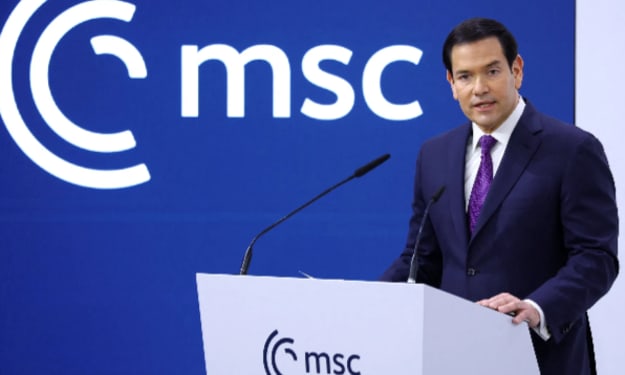
When Marco Rubio stepped onto the international stage at the Munich Security Conference, his speech signaled more than a routine policy address. It was a declaration of what the “Make America Great Again” (MAGA) movement believes U.S. foreign policy should look like in a rapidly changing world.
By Sajida Sikandara day ago in The Swamp
Why Black History Matters in America?
The United States of America is celebrating their 250th anniversary in 2026. I'm proud to be an American and as someone who was born here, I wouldn't imagine myself living anywhere else. This is a country where opportunities are possible. Where anyone can be successful in anything they desire to do. Equality, community, and togetherness are the backbones of what America is and should be about. However, we have an administration who wants to erase and disregard those who have made positive, meaningful impacts in our country, specifically Black figures, such as Martin Luther King, Jr., Rosa Parks, and Maya Angelou. President Trump and his administration have been constantly complaining and fighting against what they call the "Woke agenda". They use this excuse as a distraction from other issues they refuse to address, such as the high cost of living, climate change, and inflation. That equality is dividing America, when in reality, it's bringing us together. Being woke is not tied to a specific political party. No matter where you stand on the political spectrum, you can still care about other people and their plights. Compassion and empathy for others isn't tied to a political party, either. We were taught as children to treat others the way we want to be treated and not judge others because they're different from us. Caring about others isn't a personal attack on your beliefs. It doesn't make you any less of a person. People who are easily offended over African American figures, past or present, or anything related to it, are grasping at straws. Current and future generations need to know who people like Harriet Tubman and Shirley Chisholm were, especially in the classroom. Black History is part of American History. It should be recognized, not hidden or forgotten. Besides, you can't shield children from everything, just because your feelings are easily hurt.
By Mark Wesley Pritchard 15 days ago in The Swamp
Iran Suggests It Could Dilute Highly Enriched Uranium for Sanctions Relief
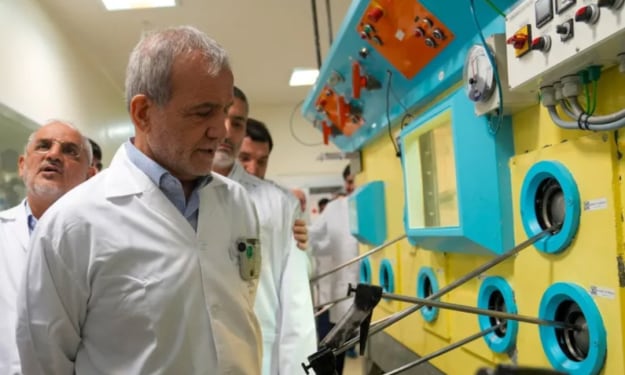
Iran has indicated that it may be willing to dilute its stockpile of highly enriched uranium (HEU) in exchange for relief from crippling international sanctions, a move that has reignited diplomatic debate over the future of its nuclear program and the broader stability of the Middle East. The suggestion, made amid mounting economic pressure and regional uncertainty, represents one of the clearest signals in recent months that Tehran could be open to compromise—if its core demands are met.
By Sadaqat Ali7 days ago in The Swamp


Comments
There are no comments for this story
Be the first to respond and start the conversation.