
The Tiny Japanese Island on the Front Lines of China’s Feud
Yonaguni: A serene paradise caught between geopolitical storm clouds

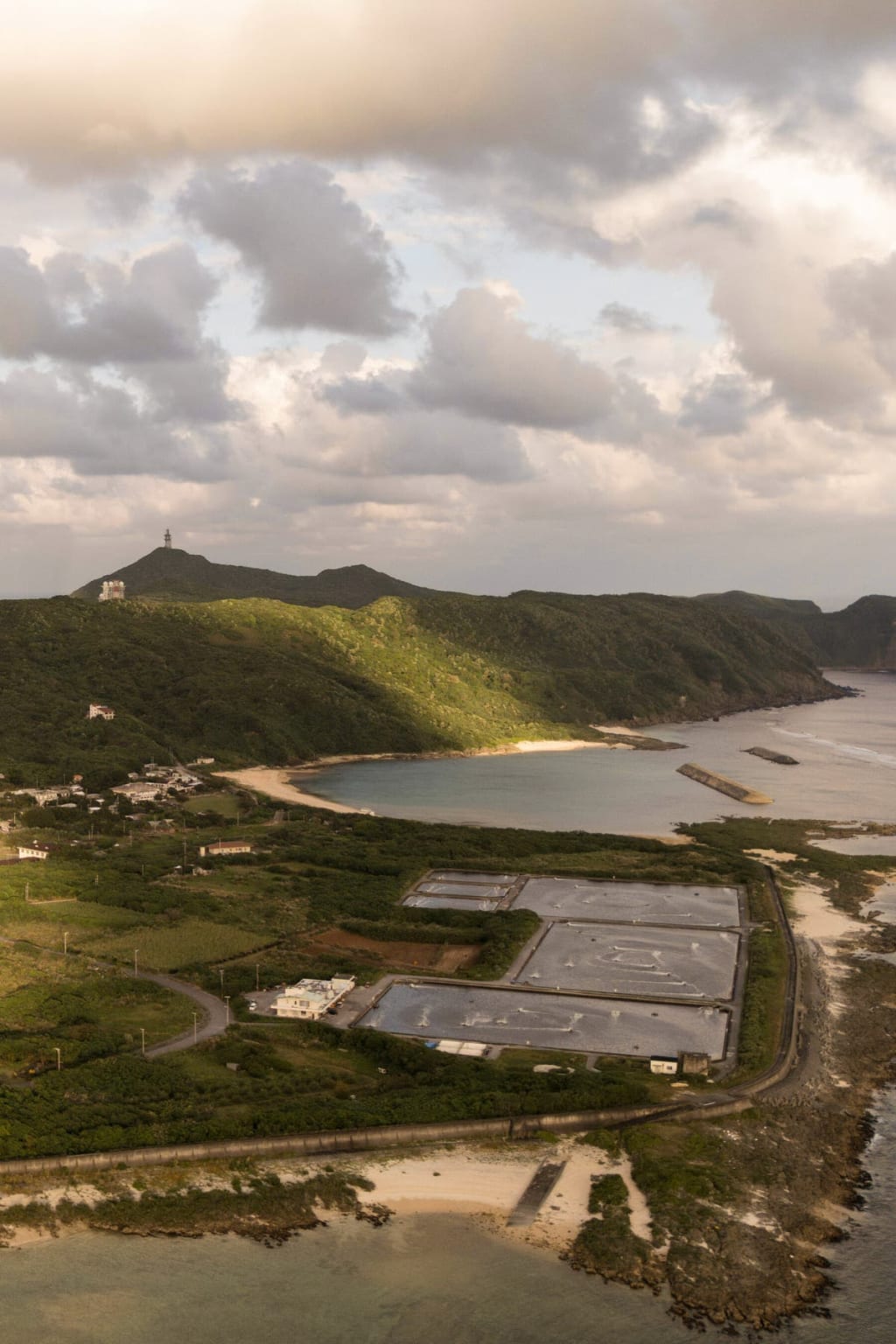
If you look at a map of Japan, you might miss Yonaguni entirely. It’s a speck at the far western edge of the country, closer to Taiwan than to mainland Japan. For decades, this tiny island was known for its crystal-clear waters, roaming horses, and slow-paced rural life. Today, however, Yonaguni has found itself at the center of one of Asia’s most serious geopolitical tensions — the growing feud between China and Taiwan, and the ripple effects that follow.
A Remote Island with Outsized Importance
Yonaguni is Japan’s westernmost inhabited island, home to fewer than 1,500 people. On clear days, residents can see the mountains of Taiwan rising from the horizon just 110 kilometers away. This proximity once felt like a cultural bridge; now, it feels like a fault line.
As tensions between China and Taiwan escalate, Yonaguni’s location has transformed it from a forgotten corner of Japan into a strategic asset. Military planners see it as a frontline observation point — a place that could provide early warnings if conflict were to break out in the region.
Life Before the Spotlight
For most of its modern history, Yonaguni was defined by simplicity. Fishing, farming, and small-scale tourism sustained the local economy. Divers traveled from around the world to explore mysterious underwater rock formations. Nature, not politics, shaped daily life.
Like many rural Japanese communities, Yonaguni struggled with population decline. Young people left for jobs in larger cities, and the island’s population steadily shrank over decades. Survival meant adapting — welcoming tourists, preserving local traditions, and hoping the next generation might return.
No one expected the island’s future to be tied to international power struggles.
Militarization Comes to Yonaguni
That changed when Japan began shifting its defense focus southward. With China expanding its military presence in the region and conducting frequent drills around Taiwan, Tokyo reassessed its vulnerabilities. Yonaguni, given its position, became a natural choice for increased military investment.
Radar stations were installed. Japan’s Self-Defense Forces arrived. Infrastructure projects expanded ports and airports. Joint exercises with the United States became more frequent.
For some residents, this brought relief. The military presence created jobs and injected money into the local economy. In a community facing decline, stability mattered.
For others, the changes sparked fear. More military assets could mean Yonaguni becomes a target rather than a shield if conflict erupts. The island’s peaceful identity now feels fragile, overshadowed by global tensions far beyond local control.
Caught Between Giants
At the heart of Yonaguni’s transformation lies the unresolved status of Taiwan. China views Taiwan as a breakaway province and has vowed reunification, by force if necessary. Taiwan, meanwhile, operates as a self-governed democracy. Japan and the United States see Taiwan’s security as vital to regional stability.
If a conflict over Taiwan were to break out, Yonaguni would likely play a key role — whether as a surveillance hub, a logistical base, or a defensive buffer. That possibility weighs heavily on residents who never imagined their island could be drawn into a confrontation between world powers.
For locals, the debate is deeply personal. This isn’t an abstract geopolitical chessboard — it’s their home.
Economic Hope vs. Existential Anxiety
The militarization of Yonaguni presents a difficult paradox. On one hand, it has slowed population decline and boosted the local economy. On the other, it has fundamentally altered how residents see their future.
Some worry that increased defenses might provoke rather than prevent conflict. Others feel reassured, believing deterrence is the only way to preserve peace. The community is divided, navigating a future shaped by decisions made far away in Tokyo, Beijing, and Washington.
Meanwhile, everyday life continues. Fishermen head out at dawn. Children attend small local schools. Tourists still arrive — though many now come not just for nature, but to witness a place living under the shadow of global tension.
Cultural Ties That Complicate the Narrative
Despite the political strain, Yonaguni shares deep historical and cultural connections with Taiwan. Trade, migration, and shared traditions once flowed freely across the narrow stretch of sea separating them. Some residents believe strengthening these ties — through tourism, cultural exchange, or direct transport routes — could serve as a counterbalance to rising militarization.
These ideas reflect a quiet hope: that human connection might succeed where diplomacy and deterrence struggle.
A Symbol of a Changing World
Yonaguni is no longer just a remote island. It has become a symbol of the shifting balance of power in the Indo-Pacific — a place where local lives intersect with global strategy.
Its story highlights a broader reality: in an interconnected world, even the smallest communities can find themselves on the front lines of history. The future of Yonaguni remains uncertain, shaped by forces far beyond its shores.
Yet for the people who live there, the wish is simple — that their island remains a place of peace, not a footnote in the opening chapter of a conflict.
As waves continue to crash against Yonaguni’s rugged coast, the island stands quietly, watching the horizon — hopeful that diplomacy will prevail over destiny.
About the Creator
Sajida Sikandar
Hi, I’m Sajida Sikandar, a passionate blogger with 3 years of experience in crafting engaging and insightful content. Join me as I share my thoughts, stories, and ideas on a variety of topics that matter to you.
Keep reading
More stories from Sajida Sikandar and writers in The Swamp and other communities.
Abu Ubaidah ibn al-Jarrah: The Trustworthy Guardian of Early Islam
Abu Ubaidah ibn al-Jarrah stands as one of the most admired figures in early Islamic history. Known for his humility, integrity, and unwavering sense of responsibility, he occupies a unique place among the Companions of the Prophet Muhammad (peace be upon him). While many historical personalities are remembered for military victories or political power, Abu Ubaidah is remembered above all for his moral strength and trustworthiness—qualities that continue to inspire people across generations.
By Sajida Sikandar2 months ago in The Swamp
Why Black History Matters in America?
The United States of America is celebrating their 250th anniversary in 2026. I'm proud to be an American and as someone who was born here, I wouldn't imagine myself living anywhere else. This is a country where opportunities are possible. Where anyone can be successful in anything they desire to do. Equality, community, and togetherness are the backbones of what America is and should be about. However, we have an administration who wants to erase and disregard those who have made positive, meaningful impacts in our country, specifically Black figures, such as Martin Luther King, Jr., Rosa Parks, and Maya Angelou. President Trump and his administration have been constantly complaining and fighting against what they call the "Woke agenda". They use this excuse as a distraction from other issues they refuse to address, such as the high cost of living, climate change, and inflation. That equality is dividing America, when in reality, it's bringing us together. Being woke is not tied to a specific political party. No matter where you stand on the political spectrum, you can still care about other people and their plights. Compassion and empathy for others isn't tied to a political party, either. We were taught as children to treat others the way we want to be treated and not judge others because they're different from us. Caring about others isn't a personal attack on your beliefs. It doesn't make you any less of a person. People who are easily offended over African American figures, past or present, or anything related to it, are grasping at straws. Current and future generations need to know who people like Harriet Tubman and Shirley Chisholm were, especially in the classroom. Black History is part of American History. It should be recognized, not hidden or forgotten. Besides, you can't shield children from everything, just because your feelings are easily hurt.
By Mark Wesley Pritchard 15 days ago in The Swamp
US‑Flagged Ships Advised to Stay ‘As Far as Possible’ from Iranian Waters
Subtitle The United States has issued a clear and unusual maritime advisory telling American‑flagged commercial vessels to stay as far away as safely possible from Iranian territorial waters, particularly in the Strait of Hormuz, one of the world’s most strategically vital shipping lanes. The guidance reflects mounting tensions between Washington and Tehran and comes as incidents at sea raise concerns about safety, freedom of navigation, and the stability of global energy supply routes.
By Sadaqat Ali6 days ago in The Swamp



Comments
There are no comments for this story
Be the first to respond and start the conversation.