
Who Was Alex Pretti? What We Know About the Minneapolis Resident Killed by Federal Agents
A devoted ICU nurse became the center of national attention after being fatally shot during a federal operation in Minneapolis, sparking outrage and raising questions about law enforcement practices.

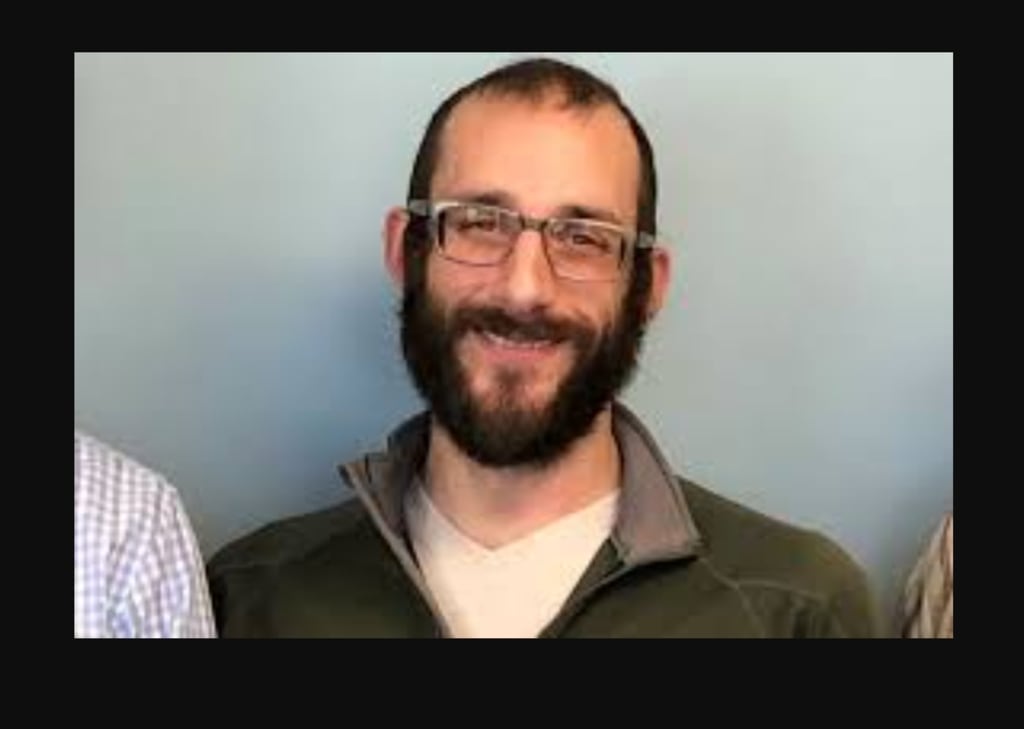
A Life of Service
Alex Jeffrey Pretti, 37, was an ICU nurse at the Minneapolis Veterans Affairs Health Care System, where he cared for veterans with dedication and compassion. Known for his calm and friendly demeanor, Pretti was respected by colleagues for his professionalism and empathy. Outside the hospital, he was described as kindhearted, community-oriented, and always ready to lend a hand.
Pretti earned his nursing degree from the University of Minnesota and spent years building a career that centered on helping others. Friends and neighbors remember him as someone who enjoyed outdoor activities like biking and hiking, and who cared deeply about those around him, including his beloved dog.
In many ways, Pretti embodied the quiet heroism of everyday life—a person whose contributions, though often unseen, had a lasting impact on his patients and community.
The Fatal Incident
On January 24, 2026, Pretti was killed during a federal immigration enforcement operation in south Minneapolis. Federal agents were part of a larger effort, termed “Operation Metro Surge,” targeting certain immigration violations. The operation had already stirred tensions in the city, with local residents and civil rights groups criticizing the presence and conduct of federal officers.
Video footage from bystanders shows Pretti holding a phone as he filmed the unfolding events near the intersection of 26th Street and Nicollet Avenue. According to witnesses, he was attempting to document the scene and help others in the area when agents approached him, sprayed him with chemicals, and forced him to the ground. Shots were then fired, resulting in his death.
The Department of Homeland Security (DHS) stated that Pretti “approached” agents with a firearm and resisted disarmament, prompting a defensive response. A handgun was later recovered at the scene. However, video evidence and witness accounts suggest that Pretti initially held only his phone, and the circumstances surrounding the appearance of the firearm remain unclear.
Conflicting Accounts
Pretti’s death has sparked controversy because the federal account conflicts with footage captured by witnesses. While the DHS maintained that he posed an imminent threat, many observers note that Pretti was filming the scene and trying to assist others when agents engaged him. Analysts and activists argue that the shooting raises serious questions about federal use of force, particularly in densely populated urban settings.
This incident is not isolated. Minneapolis has seen heightened tensions in recent weeks due to federal enforcement operations. Prior shootings and confrontations have made residents and local officials wary of federal law enforcement’s presence, creating an environment of mistrust and anger.
Public Response
News of Pretti’s death quickly ignited outrage in Minneapolis. Hundreds of protesters gathered near the shooting site, demanding accountability and an independent investigation. Local leaders, including Minnesota Governor Tim Walz and Minneapolis Mayor Jacob Frey, condemned the shooting and called for federal agents to leave the city.
Social media amplified the story, with many sharing clips of Pretti filming and questioning the official narrative. Nursing organizations, colleagues, and advocacy groups joined the call for transparency, emphasizing Pretti’s character as a peaceful, service-oriented professional.
The public debate reflects broader concerns about federal law enforcement operations, the rights of civilians, and how authorities manage potentially volatile situations during protests or enforcement actions.
Alex Pretti: More Than a Tragic Headline
While the circumstances of his death dominate headlines, it is important to remember who Alex Pretti was in life. Colleagues recall him as someone dedicated to his patients, committed to the well-being of veterans, and genuinely compassionate. Friends highlight his quiet acts of kindness—helping neighbors, supporting colleagues, and caring for animals.
His family described him as a peaceful, law-abiding individual who would not intentionally put himself or others in danger. For them, the tragedy of his death is compounded by the conflicting narratives and lack of clarity surrounding the federal operation.
The Bigger Picture
Pretti’s death underscores a growing national conversation about law enforcement accountability, particularly in interactions with civilians during federal operations. Minneapolis has become a flashpoint for debates on federal enforcement practices, civil liberties, and the right to protest safely.
The shooting also highlights the challenge faced by cities in balancing public safety with federal directives. Critics argue that transparency, clear guidelines, and oversight are essential to prevent tragedies like this. Supporters of federal operations maintain that agents operate in high-pressure situations and must make split-second decisions, though they acknowledge that accountability mechanisms are necessary.
Calls for Investigation and Justice
In the wake of Pretti’s death, local leaders, civil rights organizations, and community members have demanded:
Independent investigations into the shooting.
Full access for state and local authorities to the scene.
Transparent review of federal enforcement protocols.
The outcome of these calls could set a precedent for how federal law enforcement operates in Minneapolis and other urban centers in the future.
Conclusion
Alex Pretti was more than a victim of a tragic shooting—he was a dedicated ICU nurse, a compassionate neighbor, and a person whose life reflected service and care. His death has sparked national debate about federal law enforcement practices, accountability, and civil liberties, drawing attention to both systemic issues and individual tragedy.
As investigations continue, Pretti’s story serves as a reminder of the human impact behind news headlines. It calls for transparency, justice, and reflection on how communities and federal authorities interact in moments of crisis. Above all, it honors the life of a man who spent his days helping others, now remembered as a symbol of compassion caught in a moment of violence.
About the Creator
Asad Ali
I'm Asad Ali, a passionate blogger with 3 years of experience creating engaging and informative content across various niches. I specialize in crafting SEO-friendly articles that drive traffic and deliver value to readers.
Why Black History Matters in America?
The United States of America is celebrating their 250th anniversary in 2026. I'm proud to be an American and as someone who was born here, I wouldn't imagine myself living anywhere else. This is a country where opportunities are possible. Where anyone can be successful in anything they desire to do. Equality, community, and togetherness are the backbones of what America is and should be about. However, we have an administration who wants to erase and disregard those who have made positive, meaningful impacts in our country, specifically Black figures, such as Martin Luther King, Jr., Rosa Parks, and Maya Angelou. President Trump and his administration have been constantly complaining and fighting against what they call the "Woke agenda". They use this excuse as a distraction from other issues they refuse to address, such as the high cost of living, climate change, and inflation. That equality is dividing America, when in reality, it's bringing us together. Being woke is not tied to a specific political party. No matter where you stand on the political spectrum, you can still care about other people and their plights. Compassion and empathy for others isn't tied to a political party, either. We were taught as children to treat others the way we want to be treated and not judge others because they're different from us. Caring about others isn't a personal attack on your beliefs. It doesn't make you any less of a person. People who are easily offended over African American figures, past or present, or anything related to it, are grasping at straws. Current and future generations need to know who people like Harriet Tubman and Shirley Chisholm were, especially in the classroom. Black History is part of American History. It should be recognized, not hidden or forgotten. Besides, you can't shield children from everything, just because your feelings are easily hurt.
By Mark Wesley Pritchard 17 days ago in The Swamp
Iran FM in Geneva for US Talks, as IRGC Holds Drills in Strait of Hormuz
As Iran’s foreign minister arrives in Geneva for renewed diplomatic talks with the United States, the world is witnessing a striking contrast between negotiation and military signaling. While diplomats gather around conference tables in Switzerland, the Islamic Revolutionary Guard Corps (IRGC) has launched large-scale naval drills in the Strait of Hormuz, one of the most strategically vital shipping lanes on Earth.
By Sajida Sikandar2 days ago in The Swamp
Goodbye, Mr. Duvall
It is turning out to be an interesting year. I was in the middle of teaching a class when a pop-up appeared on the screen announcing the death of Mr. Robert Seldon Duvall (yes, that was his full name). I was in the middle of a discussion on the obsession we have with winning when it comes to sports (the Winter Olympics was a theme), and I felt as though things were coming full circle. We had already lost Gene Hackman last year, and along with that titan, it feels though one particular golden age has closed off to be replaced by...?
By Kendall Defoe 2 days ago in Geeks




Comments
There are no comments for this story
Be the first to respond and start the conversation.