
Woodside Energy Asks for Second Round of Offers on LNG Newbuildings
Formal / News Style Company seeks additional LNG carriers amid rising global natural gas demand Second round of bids targets efficient, low-emission vessels for fleet expansion 🔹 Neutral & Informative Woodside evaluates new offers to secure shipping capacity for future LNG exports Global demand and environmental standards drive fleet modernization plans 🔹 Impactful Securing the next generation of LNG carriers to strengthen Woodside’s market position

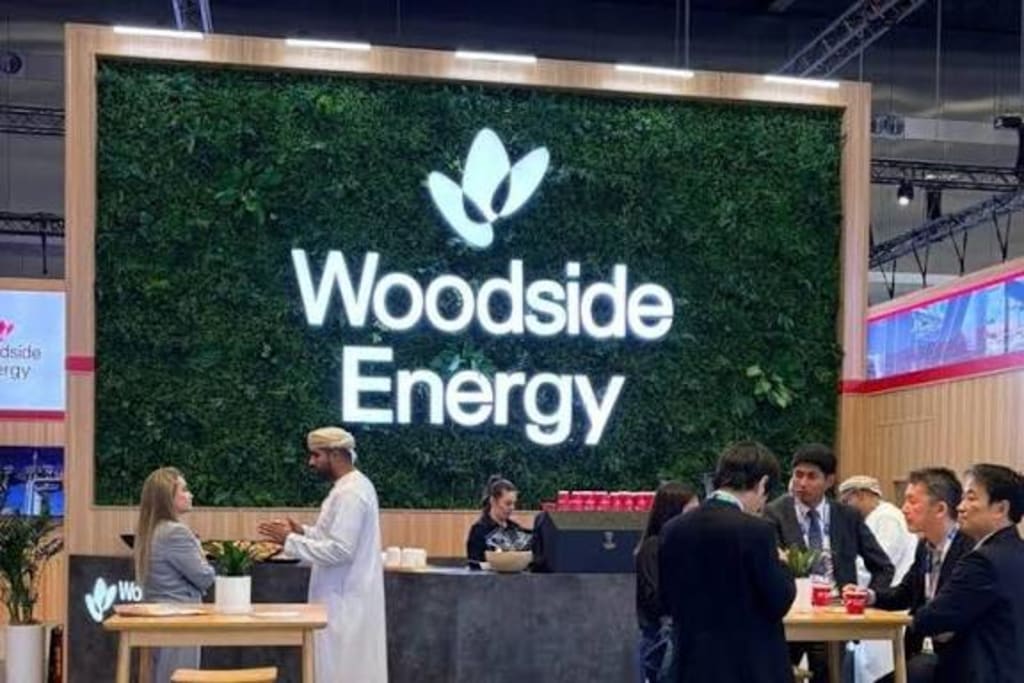
Woodside Energy, one of Australia’s leading liquefied natural gas (LNG) producers, has initiated a second round of bids for new LNG carrier construction, signaling its commitment to expanding its shipping fleet amid rising global demand for natural gas. The move reflects both strategic planning for long-term supply contracts and efforts to secure favorable construction terms from shipbuilders.
Expanding the LNG Fleet
Woodside Energy, which operates multiple LNG facilities in Australia, is seeking additional carriers to transport its gas from remote production sites to international markets, particularly in Asia and Europe. The company had previously issued a first round of offers, but escalating costs, evolving technology requirements, and competitive pressures prompted the decision to reopen negotiations.
Industry analysts note that securing new LNG carriers is critical as the company ramps up production to meet long-term contracts with customers in Japan, South Korea, China, and increasingly Europe. LNG shipments are a key component of Woodside’s revenue stream, and reliable transport capacity is essential for meeting delivery commitments.
Second Round Bidding Process
The second round of offers is expected to attract international shipbuilders specializing in LNG vessels. Woodside has emphasized the importance of efficiency, low emissions technology, and adherence to evolving maritime environmental regulations. Builders are being asked to submit competitive bids that account for construction timelines, fuel efficiency, and vessel capacity.
A company spokesperson said, “Our focus is on securing LNG carriers that meet our operational needs and sustainability targets. We are carefully evaluating proposals to ensure the fleet expansion aligns with our long-term strategic objectives.”
Market Context
Global LNG demand has grown steadily, driven by efforts to reduce carbon emissions and shift from coal and oil to cleaner fuels. Europe’s recent energy crisis has accelerated the need for secure LNG supply chains, while Asian economies continue to rely heavily on natural gas for power generation and industrial use.
Shipbuilders face challenges in meeting demand for specialized LNG carriers, including longer lead times and rising steel and labor costs. Woodside’s second round of bidding allows the company to explore cost optimization while securing vessels equipped with modern propulsion technology, such as dual-fuel engines and reduced boil-off systems, to minimize environmental impact.
Strategic Importance
The expansion of the LNG fleet is part of Woodside’s broader strategy to maintain and grow its market share globally. With energy transition policies influencing the mix of fuels, LNG is positioned as a bridge energy source, and having a reliable, efficient shipping fleet ensures that Woodside can respond to shifting demand patterns and contract obligations.
Investors and industry observers see fleet expansion as a signal that Woodside is preparing for increased export volumes and a longer-term commitment to LNG as part of its portfolio. The company’s ability to negotiate favorable terms in the second round could have significant financial implications, influencing capital expenditure, operational efficiency, and profitability.
Environmental and Regulatory Considerations
In addition to operational efficiency, the company is emphasizing compliance with international maritime regulations, including those related to carbon emissions and fuel sulfur content. LNG carriers are increasingly being evaluated not just on transport capacity but also on environmental performance, as stricter rules come into effect globally.
Woodside’s emphasis on low-emission technology and sustainability aligns with broader trends in the shipping and energy sectors. By selecting vessels that meet higher environmental standards, the company seeks to future-proof its fleet against regulatory and market pressures.
Looking Ahead
The outcome of the second round of offers is expected in the coming months, with contracts awarded to builders capable of delivering vessels that meet both technical and environmental criteria. The decision will set the tone for Woodside’s fleet strategy and capacity planning over the next decade.
As LNG markets remain competitive and global energy demand evolves, Woodside Energy’s fleet expansion demonstrates the company’s proactive approach to securing shipping capacity, optimizing costs, and supporting its long-term growth objectives in the liquefied natural gas sector.
About the Creator
Fiaz Ahmed
I am Fiaz Ahmed. I am a passionate writer. I love covering trending topics and breaking news. With a sharp eye for what’s happening around the world, and crafts timely and engaging stories that keep readers informed and updated.
Keep reading
More stories from Fiaz Ahmed and writers in The Swamp and other communities.
Democrats Hopeful They Can Reverse a Decade-Old Gubernatorial Trend
After more than a decade of Republican dominance in gubernatorial elections across key states, Democrats are positioning themselves to reclaim ground in the upcoming cycle. Party strategists believe that changing demographics, voter fatigue, and targeted campaigning could break the streak and bring a shift in state-level leadership. Historical Context Over the past ten years, Republicans have held the governor’s office in multiple states that were once considered competitive battlegrounds. Analysts point to a combination of strong local candidates, national political climate favoring Republicans, and effective mobilization of rural and suburban voters as reasons for the GOP’s sustained success. Democrats, meanwhile, have struggled to find candidates who could resonate with both urban and rural constituencies, often focusing on traditional bases without expanding outreach to moderate voters. As a result, the party has seen repeated losses in races that were considered winnable in earlier cycles. Changing Demographics and Voter Sentiment However, recent data suggest that voter sentiment may be shifting. Urbanization, growing minority populations, and an influx of younger voters are altering the electorate in several states. Political analysts note that these groups historically lean Democratic, giving the party a potential advantage if they are effectively mobilized. “We’re seeing significant demographic changes that could favor Democrats,” said a political strategist familiar with the campaigns. “The key is turning potential voters into actual votes.” Voter fatigue also plays a role. Some constituents have expressed frustration with Republican leadership in certain states, citing concerns over public education funding, healthcare access, and infrastructure maintenance. These issues have provided openings for Democratic candidates to craft messages that appeal to centrist and independent voters. Strategic Campaigning Democrats are focusing on highly targeted campaigns that emphasize local concerns. Grassroots organizing, digital outreach, and tailored policy proposals are central to the strategy. In addition, party leaders are investing in candidate recruitment to ensure that gubernatorial hopefuls have strong ties to their communities and can appeal to a broad spectrum of voters. Messaging will be critical. Democratic campaigns are expected to highlight contrasts with incumbent Republican administrations, stressing issues such as healthcare, education, and economic development. At the same time, candidates are being advised to avoid polarizing national topics that could alienate moderate voters in swing states. Challenges Ahead Despite optimism, Democrats face significant hurdles. Republican incumbents benefit from name recognition, established political networks, and strong fundraising infrastructure. Historical voting patterns indicate that rural areas remain challenging for Democratic candidates, requiring carefully calibrated outreach efforts. Furthermore, national political trends could influence state races. High-profile federal elections or controversies may sway voter behavior, either energizing the Democratic base or galvanizing Republican supporters. Strategists emphasize the need for campaigns to stay focused on local issues rather than being overshadowed by national narratives. Looking Forward The upcoming gubernatorial elections represent both an opportunity and a test for Democrats. Success would not only break a decade-long Republican streak but also provide momentum for future state and national contests. Party officials are closely analyzing early polling, voter registration trends, and demographic data to identify states where investment could yield the highest returns. If Democrats can mobilize their base, appeal to independents, and capitalize on demographic shifts, political analysts say they have a credible chance of reversing the trend. Conversely, failure to expand outreach beyond traditional strongholds could reinforce Republican dominance and set the stage for another cycle of losses. For voters, the elections will be closely watched as indicators of broader political trends. For the Democratic Party, they represent a pivotal opportunity to demonstrate strategic adaptability and reclaim influence in state governance after a decade of challenges. The coming months will reveal whether Democrats can successfully translate hope and strategy into tangible victories—or whether the Republican stronghold on gubernatorial offices will continue into the next cycle.
By Fiaz Ahmed about 11 hours ago in The Swamp
Why Black History Matters in America?
The United States of America is celebrating their 250th anniversary in 2026. I'm proud to be an American and as someone who was born here, I wouldn't imagine myself living anywhere else. This is a country where opportunities are possible. Where anyone can be successful in anything they desire to do. Equality, community, and togetherness are the backbones of what America is and should be about. However, we have an administration who wants to erase and disregard those who have made positive, meaningful impacts in our country, specifically Black figures, such as Martin Luther King, Jr., Rosa Parks, and Maya Angelou. President Trump and his administration have been constantly complaining and fighting against what they call the "Woke agenda". They use this excuse as a distraction from other issues they refuse to address, such as the high cost of living, climate change, and inflation. That equality is dividing America, when in reality, it's bringing us together. Being woke is not tied to a specific political party. No matter where you stand on the political spectrum, you can still care about other people and their plights. Compassion and empathy for others isn't tied to a political party, either. We were taught as children to treat others the way we want to be treated and not judge others because they're different from us. Caring about others isn't a personal attack on your beliefs. It doesn't make you any less of a person. People who are easily offended over African American figures, past or present, or anything related to it, are grasping at straws. Current and future generations need to know who people like Harriet Tubman and Shirley Chisholm were, especially in the classroom. Black History is part of American History. It should be recognized, not hidden or forgotten. Besides, you can't shield children from everything, just because your feelings are easily hurt.
By Mark Wesley Pritchard 16 days ago in The Swamp
The Tango Connection
I suppose I've become a writer so I wouldn't bore everyone to death telling them my stories. Reading them is reading. Not the same. There's rhythm. And timing and, most importantly, drama and suspense. Unless you have tremendous magnetism and an undeniable stage presence, there's no way you can engage an audience the way you can by writing your story. That's my opinion.
By Rene Volpi 4 days ago in Beat




Comments
There are no comments for this story
Be the first to respond and start the conversation.