Fiaz Ahmed
Bio
I am Fiaz Ahmed. I am a passionate writer. I love covering trending topics and breaking news. With a sharp eye for what’s happening around the world, and crafts timely and engaging stories that keep readers informed and updated.
Stories (1126)
Filter by community
Glen Rosa Ferry Costs Rise by £12.5m After Latest Six-Month Delay. AI-Generated.
Project delays and cost increases continue to challenge Scotland’s new ferry initiative The Glen Rosa ferry project, a key part of Scotland’s ambitious plan to modernize its maritime transport, has experienced another setback. Officials have announced that costs have increased by £12.5 million following a six-month delay in construction and delivery. The project, designed to serve routes around Arran and other western isles, has already faced scrutiny for repeated delays and budget overruns.
By Fiaz Ahmed 21 days ago in The Swamp
Iron Fist Active Protection System for Armor Can Shoot Down Drones. AI-Generated.
Next-generation technology enhances armored vehicle defense against modern threats In today’s rapidly evolving battlefield, armored vehicles face a variety of threats, from rockets and missiles to unmanned aerial vehicles (UAVs). To counter these dangers, defense companies are developing advanced Active Protection Systems (APS) that can detect, track, and neutralize incoming attacks. One of the most notable systems is the Iron Fist APS, which now demonstrates the ability to shoot down drones, adding a critical layer of protection to modern armored units.
By Fiaz Ahmed 21 days ago in Journal
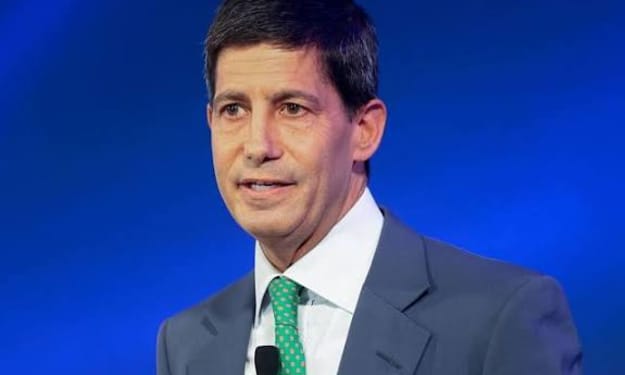
Trump Nominates Federal Reserve Critic Kevin Warsh to Run US Central Bank. AI-Generated.
Controversial pick sparks debate over the future of monetary policy and independence of the Fed Former President Donald Trump has nominated Kevin Warsh, a known critic of the Federal Reserve, to lead the United States central bank. The nomination has drawn attention from economists, policymakers, and financial markets, raising questions about the future direction of U.S. monetary policy, inflation control, and the Fed’s independence.
By Fiaz Ahmed 21 days ago in The Swamp
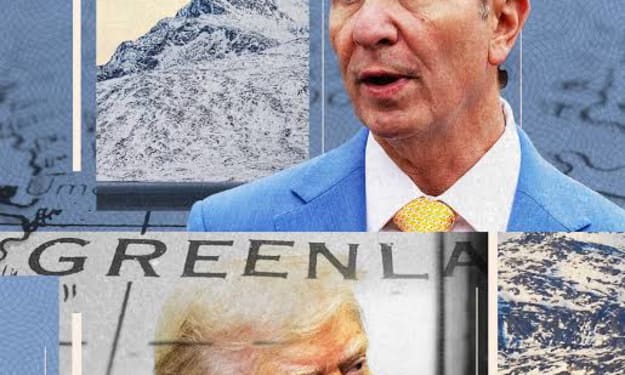
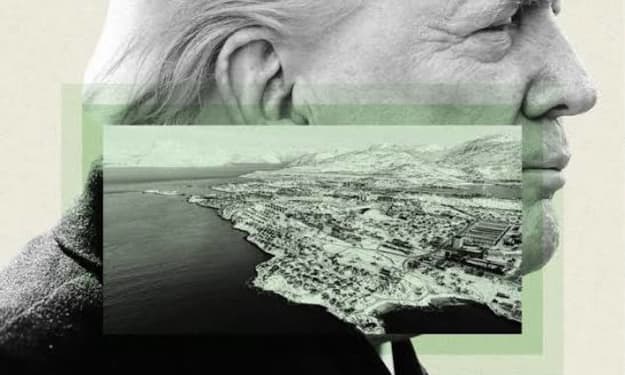
Jeff Landry Is Trump’s Envoy to Greenland. He Wants to Celebrate Gumbo.. AI-Generated.
A Louisiana governor’s unusual diplomatic role sparks culture, controversy, and questions about U.S.–Greenland relations Louisiana’s Governor Jeff Landry has found himself in an unexpected spot: he’s now the United States’ special envoy to Greenland. Appointed by President Donald Trump late last year, Landry’s new role has drawn attention for its unusual mix of diplomacy, culture, and controversy — including his plan to introduce Greenlanders to Louisiana’s famous gumbo.
By Fiaz Ahmed 21 days ago in The Swamp
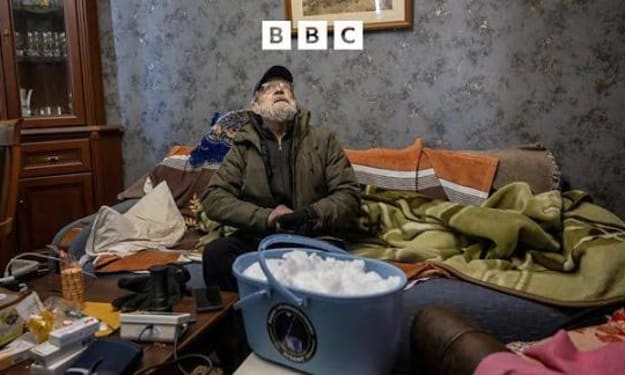
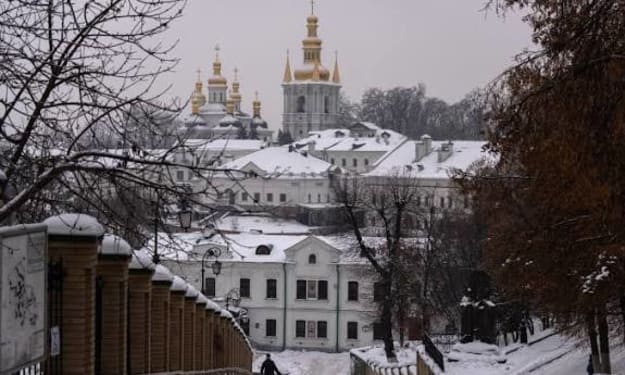
Russia to Pause Attacks on Ukraine as Temperatures Plummet. AI-Generated.
Extreme cold leads to temporary reduction in hostilities, but challenges remain on both sides As temperatures across Ukraine plummet to record lows, reports indicate that Russian forces are temporarily pausing offensive operations in some areas. The extreme winter conditions have created difficult logistical and operational challenges, affecting both Russian troops and Ukrainian defenders. While this pause may offer temporary relief to civilians and frontline forces, experts caution that the broader conflict remains unresolved, and fighting could resume once conditions improve. Why the Pause Is Happening Military analysts point to several factors influencing Russia’s temporary halt: Severe cold: Temperatures in eastern Ukraine have dropped well below freezing, making movement of troops and vehicles difficult. Winter conditions also increase the risk of frostbite, hypothermia, and mechanical failures in military equipment. Supply chain difficulties: Extreme cold affects fuel, ammunition, and food supply lines, forcing militaries to slow operations or suspend attacks temporarily. Safety of personnel: Even experienced troops face increased risk during prolonged exposure to severe winter conditions. Commanders may pause offensives to preserve manpower. Ukrainian forces are also adjusting their strategies, using the pause to reinforce positions, repair equipment, and provide aid to civilians affected by the cold. Impact on Civilians For civilians living in conflict zones, the pause in Russian attacks is a mixed blessing: Immediate safety: Reduced shelling and airstrikes provide a temporary window for families to seek shelter, evacuate, or access humanitarian aid. Continued hardship: Many communities remain without electricity, heat, or running water due to damaged infrastructure. Cold temperatures exacerbate the humanitarian crisis, especially for elderly and vulnerable populations. Relief efforts: NGOs and government agencies are attempting to deliver food, medical supplies, and winter clothing, but access remains challenging in contested areas. Experts emphasize that even with reduced attacks, civilians cannot assume a lasting end to hostilities, as military operations could resume once the weather improves. Military Consequences The pause in operations has strategic implications: Opportunity for Ukrainian forces: Ukrainian troops may use the lull to fortify defensive positions, reposition troops, and resupply frontline units. Russian military planning: Russia may use this time to repair equipment, replenish stockpiles, and prepare for renewed offensives once winter conditions ease. Shift in tactics: Analysts predict that both sides may adjust strategies to account for seasonal limitations, including potential reliance on drones, long-range artillery, and smaller-scale operations during extreme cold. While the pause is temporary, it provides both sides an opportunity to assess capabilities and plan next moves. International Observations Global leaders and analysts are closely monitoring the situation. Some key points include: Diplomatic pressure: International calls for ceasefires often intensify during winter months, particularly when civilian populations face life-threatening conditions. Humanitarian coordination: Organizations like the United Nations and Red Cross are attempting to leverage the pause to deliver aid and assess needs on the ground. Media coverage: The temporary reduction in attacks has prompted discussions about the human cost of winter warfare and the broader trajectory of the conflict. While the pause may create a temporary reprieve, observers warn that long-term resolution remains uncertain, and renewed violence could occur without warning. Historical Context Winter conditions have historically influenced military campaigns in Ukraine and other northern regions: During World War II, both German and Soviet forces faced severe setbacks due to winter, including frozen rivers, stalled vehicles, and frost-related casualties. Modern warfare still faces similar challenges, as extreme cold affects mobility, communications, and medical support. Military historians emphasize that weather often plays a decisive role in the timing and intensity of offensives. What’s Next? Experts suggest that while the pause may temporarily reduce the immediate human toll, the conflict remains unresolved: Continued monitoring: Both Russian and Ukrainian forces are likely using this period to reassess positions and strengthen defenses. Humanitarian preparation: Relief organizations must act quickly to deliver supplies before renewed fighting disrupts aid routes. Strategic planning: Analysts predict that as temperatures rise and conditions improve, Russia may resume targeted attacks, while Ukraine prepares to counter them with improved strategies. The pause is not a ceasefire, but rather a tactical adjustment to extreme weather conditions. Civilians, soldiers, and international observers remain on high alert. Conclusion The announcement that Russia is pausing attacks in Ukraine due to plummeting temperatures provides a temporary break for frontline communities. It highlights the challenges of conducting military operations in extreme winter conditions and the human costs of prolonged conflict. While the cold offers a brief respite, experts emphasize that the strategic situation remains fragile. Both sides may resume offensive operations once weather conditions improve, and civilians continue to bear the brunt of the conflict. In the meantime, the pause serves as a reminder that nature itself can influence the course of modern warfare, offering fleeting relief and creating opportunities for both humanitarian and military planning.
By Fiaz Ahmed 21 days ago in The Swamp
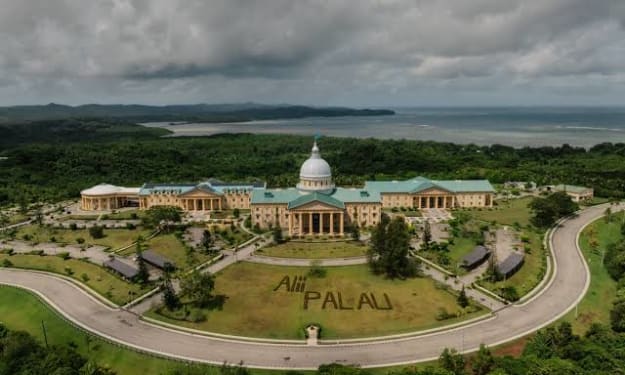
Palau Lawmakers Vote to Block Controversial Trump Deal to Resettle Migrants from the US. AI-Generated.
Pacific nation rejects plan amid concerns over sovereignty, resources, and ethics In a decisive move, lawmakers in Palau, a small island nation in the western Pacific, voted to block a controversial agreement that would have allowed the United States to resettle migrants on the islands. The decision marks a significant moment for Palau, highlighting the challenges that small nations face when negotiating agreements with global powers and raising questions about immigration policy and ethics.
By Fiaz Ahmed 21 days ago in The Swamp
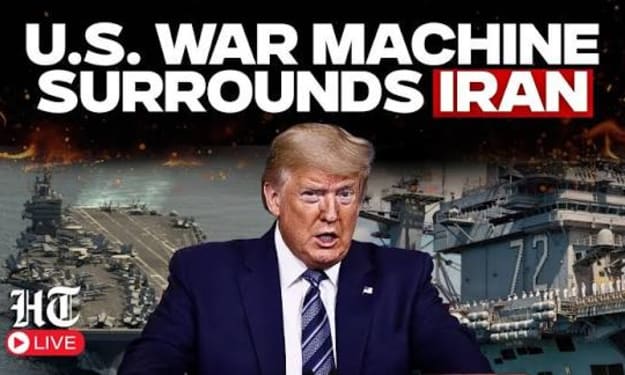
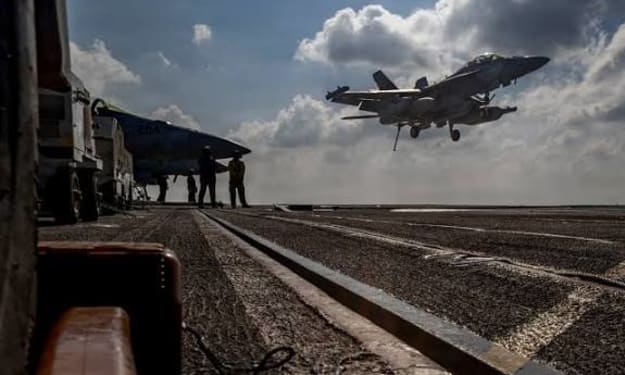
Iran Prepares for War as US Military ‘Armada’ Approaches. AI-Generated.
Rising tensions, strategic signals, and the risk of miscalculation in the Middle East Tensions between Iran and the United States have entered a dangerous phase as reports of a large U.S. naval presence moving closer to the region spark alarm in Tehran. Iranian officials and state media have framed the deployment as a direct threat, while Washington describes it as a defensive move meant to deter aggression and protect allies. As military posturing increases on both sides, the world watches closely. The situation raises urgent questions: Is war becoming more likely, or is this a familiar cycle of pressure and signaling? And what would conflict mean for an already unstable region? Why the US Military Presence Matters The United States maintains a strong military footprint across the Middle East, including aircraft carriers, destroyers, submarines, and air bases. When these forces move closer to Iranian waters, they send a powerful message. From Washington’s perspective, such deployments are meant to: Deter attacks on U.S. personnel and allies Secure key shipping lanes Respond quickly to regional threats From Tehran’s point of view, however, a large U.S. naval buildup looks like preparation for possible strikes. Iranian leaders often describe these movements as intimidation tactics designed to weaken Iran politically and economically. This difference in interpretation is what makes the situation so volatile. Iran’s Response: Readiness and Resistance Iran has responded with a clear message of readiness. Military drills, public statements from commanders, and increased air defense activity all point to a country preparing for worst-case scenarios. Iranian officials have emphasized several points: Iran will defend its territory and interests Any attack will be met with retaliation Regional allies will not remain neutral Iran’s military strategy relies less on matching U.S. firepower and more on asymmetric warfare, including missiles, drones, cyber capabilities, and influence through allied groups across the region. This approach allows Iran to project power while avoiding direct, large-scale confrontation—at least in theory. The Role of Regional Allies and Proxies One of the biggest risks in any Iran–US confrontation is regional spillover. Iran has close ties with armed groups and political movements in countries such as Lebanon, Iraq, Syria, and Yemen. These groups could become involved even if Tehran and Washington avoid direct clashes. Similarly, U.S. allies in the region, including Israel and Gulf states, are deeply concerned about Iran’s military intentions. Any escalation could quickly draw multiple actors into the conflict, making it far harder to control. This interconnected web of alliances means that a single incident—such as a drone strike or naval encounter—could trigger a wider crisis. Economic Pressure and Sanctions Military tension does not exist in isolation. Iran continues to face heavy U.S. and international sanctions, which have strained its economy and limited access to global markets. For Tehran, military readiness is also a way to signal that pressure alone will not force compliance. Iranian leaders often argue that showing strength is necessary to gain leverage in any future negotiations. At the same time, economic hardship has increased public frustration inside Iran, adding another layer of pressure on decision-makers. For Washington, maintaining sanctions while projecting military strength is meant to keep Iran contained without crossing the line into open war. The Risk of Miscalculation Perhaps the greatest danger is not intentional war, but miscalculation. History shows that conflicts often begin not with clear decisions, but with misunderstandings: A naval incident misread as an attack A missile test seen as preparation for war A proxy action wrongly attributed to direct orders In a region crowded with weapons and rival forces, even small errors can have serious consequences. Both sides insist they do not want full-scale war. Yet their actions—military movements, sharp rhetoric, and shows of force—create conditions where accidents become more likely. International Reactions Global powers are watching closely. European nations have called for restraint, urging both sides to avoid escalation. Countries dependent on Middle Eastern energy supplies worry about disruptions if fighting breaks out. Oil markets are particularly sensitive to tension in the Persian Gulf, where a significant share of the world’s energy shipments pass through narrow waterways. Even the threat of conflict can raise prices and unsettle global economies. Diplomatic channels remain open, but trust is limited. Is War Inevitable? Despite the alarming headlines, war is not inevitable. The current situation fits a familiar pattern: pressure, signaling, and counter-signaling. Both Iran and the United States understand the costs of open conflict. However, avoiding war requires: Clear communication De-escalation mechanisms Willingness to step back from brinkmanship Without these, the margin for error remains dangerously thin. Conclusion: A Region on Edge As Iran prepares for potential conflict and the U.S. military increases its presence, the Middle East once again finds itself on edge. The situation reflects deeper issues—mistrust, unresolved disputes, and competing visions for regional power. For now, both sides appear focused on deterrence rather than direct confrontation. But history shows that prolonged tension can be just as dangerous as open hostility. The coming weeks will test whether diplomacy and caution can prevail—or whether the world will witness another chapter of conflict in a region already burdened by too much war.
By Fiaz Ahmed 21 days ago in The Swamp
Kremlin Says Trump Asked Russia to Pause Strikes on Kyiv. AI-Generated.
A claim that raises questions about diplomacy, influence, and the limits of power during wartime The Kremlin has claimed that former U.S. President Donald Trump asked Russia to pause its strikes on Kyiv, a statement that has quickly drawn global attention. The assertion, reported by Russian officials, adds another layer of complexity to the already tense and heavily scrutinized conflict between Russia and Ukraine.
By Fiaz Ahmed 21 days ago in The Swamp
Cables Show Trump’s Moves on Greenland Rattled Other Nations. AI-Generated.
Diplomatic messages reveal how an unexpected proposal sent shockwaves through global alliances When former U.S. President Donald Trump publicly floated the idea of acquiring Greenland, the reaction was swift and loud. Headlines focused on disbelief, jokes, and firm rejections from Denmark. But behind closed doors, the response was more serious. Diplomatic cables, later reported and discussed by officials and analysts, suggest that Trump’s moves unsettled not just Denmark, but a wide range of U.S. allies and partners.
By Fiaz Ahmed 21 days ago in The Swamp
Shah Rukh Khan and Priyanka Chopra Are “Like-Minded Personalities,” Says Producer: “We Treated the Actress So Badly”. AI-Generated.
A candid reflection on Bollywood dynamics, professional chemistry, and lessons learned Few Bollywood pairings have sparked as much fascination, admiration, and controversy as Shah Rukh Khan and Priyanka Chopra. Their on-screen chemistry was undeniable, and their professional collaboration produced memorable performances that still resonate with audiences. Years later, comments from a film producer describing them as “like-minded personalities” — while also admitting that Priyanka Chopra was “treated badly” — have reopened conversations about power, fairness, and accountability in the Hindi film industry. The remarks are not just about two stars. They touch on deeper issues within Bollywood, especially how success, rumors, and industry politics can shape careers in very different ways. A Partnership That Caught Attention When Shah Rukh Khan and Priyanka Chopra worked together, audiences immediately noticed their natural ease and intensity on screen. Both actors are known for their ambition, sharp intelligence, and willingness to push creative boundaries. According to the producer, these shared traits made them “like-minded.” Shah Rukh Khan, often called the King of Bollywood, built his career on risk-taking and emotional depth. Priyanka Chopra, meanwhile, carved her space through versatility, confidence, and a refusal to be boxed into stereotypes revealed how quickly an actress could be sidelined when narratives turned uncomfortable. The Admission That Sparked Debate The producer’s statement, particularly the line “We treated the actress so badly,” struck a nerve. It suggested a rare moment of honesty in an industry that often avoids acknowledging its mistakes. While the producer did not go into specific details, the admission aligns with long-standing discussions about how Priyanka Chopra’s career in Bollywood slowed down despite her success. Many observers believe that unspoken rules, rumors, and power dynamics played a role in her professional isolation during that period. For fans, the statement confirmed what had long been suspected: talent and success do not always protect artists from unfair treatment. Power Dynamics in Bollywood Bollywood has historically been shaped by close-knit networks. While these connections can help careers grow, they can also limit opportunities when someone falls out of favor. Priyanka Chopra’s experience highlights how actors outside dominant circles may face consequences, even without formal accusations or conflicts. The producer’s reflection brings attention to the imbalance that often exists between male superstars and female actors. While Shah Rukh Khan’s career continued to rise, Priyanka faced reduced opportunities — not because of lack of talent, but because of circumstances beyond her control. This imbalance is not unique to one individual. It reflects a broader industry issue that many actresses have spoken about over the years. Priyanka Chopra’s Reinvention Rather than fading away, Priyanka Chopra chose reinvention. She shifted her focus to international projects, becoming one of the few Indian actors to successfully cross over into Hollywood and global entertainment. Her move was bold and risky, but it paid off. From music to television to international films, Priyanka built a global identity that went far beyond Bollywood. In doing so, she changed the conversation — not just about herself, but about what Indian actors, especially women, can achieve on a global stage. The producer’s admission now adds context to that transition, suggesting it may not have been purely a choice, but also a response to limited opportunities at home. Shah Rukh Khan’s Silence and Legacy Shah Rukh Khan has largely remained silent on past controversies involving Priyanka Chopra. Known for maintaining dignity and restraint in public, he has avoided fueling speculation. His legacy in Bollywood remains immense, defined by decades of iconic performances and a massive global fan base. However, as the industry evolves, there is growing interest in examining how shows of power — intentional or not — influence careers around him. The producer’s comment does not accuse Khan directly, but it invites reflection on how systems protect some while excluding others. Changing Conversations in Bollywood What makes this moment significant is timing. Bollywood is slowly becoming more open to self-examination. Conversations around fairness, gender equality, and accountability are no longer limited to whispers. Producers, directors, and actors are increasingly acknowledging past mistakes. The statement about Priyanka Chopra reflects a broader realization that the industry must do better — not just in words, but in action. Audiences, too, are more aware and vocal. They demand transparency and respect for talent, regardless of gender or status. Why This Matters Now The producer’s candid admission is not about reopening old wounds. It is about learning. It reminds the industry that: Talent should not be sidelined by politics Professional relationships must be handled responsibly Silence can sometimes enable unfair treatment For younger actors watching today, the story serves as both a warning and an inspiration. It shows how resilience can overcome rejection, but also how important it is for industries to create safer, fairer environments. Conclusion: A Lesson Beyond Stardom The story of Shah Rukh Khan and Priyanka Chopra is not just about two stars. It is about ambition, power, and accountability in one of the world’s largest film industries. The producer’s admission — “We treated the actress so badly” — may not change the past, but it contributes to a more honest future. Priyanka Chopra’s global success stands as proof that talent finds a way, even when doors close. As Bollywood continues to evolve, such reflections offer hope that lessons learned will lead to a more inclusive and respectful industry — one where like-minded personalities are celebrated, not pushed aside.
By Fiaz Ahmed 21 days ago in Geeks
Killing Khamenei? Hitting Military Sites? It Is Unclear What a US Attack on Iran Would Achieve. AI-Generated.
The risks, limits, and uncertainties of military action in a tense region As tensions between the United States and Iran continue to escalate, questions about military options have dominated headlines. Some analysts speculate about targeted strikes on Iran’s leadership, including Supreme Leader Ayatollah Ali Khamenei, while others discuss the possibility of hitting military infrastructure. Yet experts caution that the outcomes of such actions are highly uncertain and may not achieve the goals policymakers hope for.
By Fiaz Ahmed 21 days ago in The Swamp
Parliamentarians Say They Take “No Comfort” in China Dropping Sanctions – UK Politics. AI-Generated.
UK lawmakers remain cautious despite China lifting certain sanctions, citing ongoing concerns about human rights and geopolitical influence British parliamentarians have expressed skepticism following reports that China has dropped several sanctions imposed on the United Kingdom. While Beijing framed the move as a gesture toward improving bilateral relations, many UK lawmakers insist that the decision provides “no comfort” in light of ongoing tensions over human rights, trade, and international security. The episode highlights the complex nature of modern diplomacy, where symbolic actions often collide with long-term strategic concerns. Background: Why the Sanctions Were Imposed China had initially imposed sanctions on UK officials, academics, and entities in response to the United Kingdom’s criticism of human rights practices in Xinjiang and Hong Kong. Sanctions included travel bans and restrictions on engagement with Chinese institutions. These measures were part of a broader international response, aimed at pressuring China to address allegations of human rights violations. The UK, alongside partners like the EU, the U.S., and Canada, sought to demonstrate that violations of international norms would have consequences. China’s Recent Decision Reports indicate that China has lifted some of the sanctions, framing the move as a positive step toward better diplomatic relations. Chinese officials emphasized the desire to restore constructive dialogue and strengthen trade ties. However, the move does not signal an end to all tensions. Many restrictions remain in place, and the lifting of sanctions is widely viewed as symbolic rather than substantive. Parliamentarians’ Reaction: “No Comfort” UK lawmakers from across the political spectrum have stressed that the lifting of sanctions should not be seen as an endorsement of China’s policies. Key points include: Human rights remain a pressing concern: Allegations of forced labor, mass surveillance, and suppression of dissent continue to attract scrutiny. Geopolitical caution: China’s growing influence in trade, technology, and global governance remains a topic of concern. Diplomacy versus principle: Parliamentarians emphasize that improving relations should not come at the cost of compromising on values. One senior MP noted, “While it is encouraging that tensions may reduce slightly, we cannot take comfort until China addresses the fundamental issues we raised.” Trade and Economic Implications The lifting of sanctions could have practical benefits for businesses and universities that faced restrictions. Trade talks may resume more smoothly, and academic exchanges could restart without the previous limitations. However, some experts warn that economic incentives cannot replace principles. Companies and policymakers are urged to maintain vigilance in ensuring that trade with China does not inadvertently support practices deemed unacceptable by UK standards. Diplomatic Significance China’s decision to drop sanctions may also serve as a strategic signal: Domestic messaging: Demonstrating flexibility may bolster China’s image internationally as a cooperative power. Testing UK responses: By easing restrictions slightly, Beijing can gauge how UK politicians and institutions react. Influence and leverage: Even partial removal of sanctions can be a subtle tool for shaping UK policy without formal agreements. Parliamentarians argue that careful scrutiny is essential, as symbolic gestures do not necessarily reflect genuine changes in policy or practice. Broader Geopolitical Context The UK’s caution is also informed by the broader global relationship with China: Military and security concerns: China’s actions in the South China Sea and its defense policies remain a source of tension. Alliances and partnerships: The UK is closely aligned with the EU, U.S., and other partners who continue to press China on human rights and security issues. Soft power competition: Cultural and economic influence are increasingly important arenas of international competition. Given these factors, parliamentarians stress that improved diplomatic tone does not erase strategic risks. Calls for Continued Oversight Lawmakers are calling for a continued, measured approach: Maintaining sanctions where necessary Monitoring trade agreements to ensure ethical compliance Supporting human rights initiatives both domestically and internationally Keeping diplomatic channels open but cautious The message is clear: the UK will remain principled while pursuing pragmatic engagement, avoiding the perception that easing sanctions equals full approval of China’s actions. Conclusion: Symbolic Steps, Substantive Concerns While China’s decision to lift some sanctions may appear positive on the surface, UK parliamentarians emphasize that “no comfort” should be taken from the move alone. Human rights concerns, strategic competition, and ethical standards continue to guide policymaking. The episode highlights the complex balance between diplomacy, trade, and principle. In an interconnected world, governments must carefully navigate gestures of goodwill without compromising core values. For now, the UK remains cautious, monitoring developments closely, and insisting that symbolic gestures must be matched by substantive change.
By Fiaz Ahmed 21 days ago in The Swamp