Fiaz Ahmed
Bio
I am Fiaz Ahmed. I am a passionate writer. I love covering trending topics and breaking news. With a sharp eye for what’s happening around the world, and crafts timely and engaging stories that keep readers informed and updated.
Stories (1126)
Filter by community
Bhoot Police 2’: Priyadarshan to Direct Sequel for Rs. 21 Crore, Saif Ali Khan and Arjun Kapoor Missing from Cast – Reports. AI-Generated.
The beloved horror-comedy franchise returns with surprises in casting and budget Fans of Bollywood horror-comedy rejoice: reports confirm that Priyadarshan will direct “Bhoot Police 2”, the sequel to the popular film that combined humor, thrills, and a touch of the supernatural. The sequel is reportedly being produced with a budget of Rs. 21 crore, signaling a substantial investment in what promises to be another entertaining entry in the genre.
By Fiaz Ahmed 21 days ago in Geeks
The Place That Stayed With Me: After a Treacherous Route Through Open Desert, at Mina Mina I Saw Holiness. AI-Generated.
A journey across silence, struggle, and spirit in the heart of the Australian desert Some places do not announce themselves with signs or grand entrances. They wait quietly, asking something of you before they reveal what they are. Mina Mina was one of those places.
By Fiaz Ahmed 21 days ago in Longevity
You’re Not Human”: The Legal Limbo Facing Russian Nationals in Ukraine. AI-Generated.
Caught between war, identity, and the law, thousands of civilians are living without rights or recognition War does not only destroy buildings and borders. It also breaks identities. For many Russian nationals living in Ukraine since the start of the conflict, daily life has become a struggle not just for safety, but for legal existence. Stripped of documents, rights, and sometimes dignity, they find themselves trapped in a grey zone where they are seen as neither citizens nor protected civilians. Some describe the experience with chilling clarity: “You’re not human anymore.” This legal limbo has created a humanitarian problem that rarely makes headlines but deeply affects lives on the ground. A War That Erased Legal Status Before the war, thousands of Russian citizens lived in Ukraine legally. Many had families, jobs, and long-term residence permits. Some were married to Ukrainians. Others had lived in the country for decades. When Russia invaded Ukraine, everything changed overnight. Russian nationals quickly became associated with the aggressor state, regardless of their personal beliefs or opposition to the war. Legal protections collapsed. Residency permits expired or were suspended. Renewal processes became impossible. Crossing borders turned into a risk, not a solution. For many, their nationality alone became a liability. Neither Prisoners Nor Citizens International law offers protections for civilians during wartime. But Russian nationals in Ukraine often fall outside clear legal categories. They are: Not Ukrainian citizens Not prisoners of war Not refugees, because they have not crossed borders Not protected foreign nationals, due to diplomatic breakdowns Without valid documents, many cannot work legally, rent housing, or access healthcare. Some are detained for long periods without clear charges. Others are released but remain undocumented, unable to move freely or rebuild their lives. This is not punishment through courts—but through absence of status. Families Torn Between Flags One of the most painful aspects of this limbo is its impact on families. Mixed-nationality households are common. A Ukrainian wife, a Russian husband. Children with dual cultural identities. When laws tighten and borders harden, families are forced into impossible choices. Some parents are separated from their children. Others fear leaving their homes, knowing they may not be allowed back. Applying for new documents can take months—or be denied without explanation. The war has turned private lives into political battlegrounds. Fear, Silence, and Self-Erasure Many Russian nationals in Ukraine live quietly, avoiding attention. Speaking Russian in public can invite suspicion. Protesting the war may not offer protection. Staying silent does not guarantee safety either. Some have destroyed old documents out of fear. Others hide their nationality entirely. This constant pressure leads to anxiety, depression, and isolation. Human rights advocates warn that dehumanization begins when people are reduced to labels rather than individuals. When a person is seen only as “Russian,” their personal history disappears. Legal Gaps and Human Rights Concerns Human rights organizations have raised concerns about the lack of clear legal frameworks addressing this group. International humanitarian law was not designed for prolonged conflicts where civilians of the aggressor state remain inside the defending country. The result is inconsistency: Some regions detain Russian nationals automatically Others release them without documentation Appeals and legal challenges often go unanswered Without formal status, even humanitarian aid can be difficult to access. Experts warn that leaving people in legal uncertainty increases the risk of abuse, exploitation, and radicalization—outcomes that benefit no one. Ukraine’s Security Dilemma From Ukraine’s perspective, the situation is deeply complex. The country is defending itself against an invasion. Security concerns are real. Intelligence threats exist. Screening foreign nationals during wartime is unavoidable. Yet human rights law requires proportionality and individual assessment. Collective suspicion based on nationality risks violating international norms and damaging Ukraine’s global moral standing. Balancing national security with humanitarian responsibility is one of the hardest challenges any country can face during war. Invisible Victims of a Visible War Global attention often focuses on frontlines, weapons, and diplomacy. But the quiet suffering of civilians caught between legal systems remains largely unseen. Russian nationals in Ukraine are not a monolithic group. They include: Anti-war activists Long-term residents Elderly individuals with no ties to Russia anymore Families who consider Ukraine their only home Their stories complicate simple narratives of good and evil—but complexity does not erase suffering. A Need for Clear Solutions Human rights experts argue that clear, temporary legal pathways are urgently needed. These could include: Special civilian status during wartime Transparent review processes Access to legal aid and documentation Protection against indefinite detention Such measures would not weaken security. Instead, they would restore dignity and reduce chaos. Conclusion: Humanity Beyond Passports War forces nations to make hard choices. But it also tests values. When people are told—directly or indirectly—that they are “not human,” something fundamental has gone wrong. Legal systems exist to protect society, not erase individuals. For Russian nationals trapped in Ukraine’s legal limbo, recognition is the first step toward survival. Not recognition of politics or power—but of shared humanity. Because even in war, no one should disappear between the lines of the law.
By Fiaz Ahmed 21 days ago in The Swamp
Pokémon Ascended Heroes: A New Evolution of Trainers and Legends. AI-Generated.
How the idea of “ascended heroes” could reshape the Pokémon world For nearly three decades, the Pokémon universe has revolved around one powerful idea: ordinary people forming extraordinary bonds with Pokémon. Trainers begin their journey as beginners, face challenges, grow stronger, and often save entire regions along the way. But what if some trainers went beyond mastery? What if they ascended, becoming legends themselves?
By Fiaz Ahmed 21 days ago in Gamers
TKMS, Seaspan Shipyards sign teaming for Canadian Patrol Submarine Project. AI-Generated.
A strategic partnership aims to strengthen Canada’s naval future Germany’s Thyssenkrupp Marine Systems (TKMS) and Seaspan Shipyards of Canada have signed a teaming agreement for the Canadian Patrol Submarine Project, marking a major step forward in Canada’s effort to modernize its underwater fleet. The partnership brings together international submarine expertise and domestic shipbuilding capability, setting the stage for one of the most important defense procurement programs in Canadian history. The agreement reflects Canada’s growing focus on maritime security, Arctic operations, and fleet renewal, while also supporting long-term industrial growth at home. Why Canada Needs New Patrol Submarines Canada’s current submarine fleet has served the country for decades, but evolving security challenges and aging platforms have increased the need for replacement. Modern patrol submarines are essential for: Protecting national waters Monitoring Arctic and coastal regions Supporting NATO commitments Deterring potential threats below the surface As global competition intensifies in the world’s oceans, submarines remain one of the most effective tools for surveillance and defense. Canada’s vast coastline and growing Arctic interests make underwater capability especially critical. Who Are the Partners? Thyssenkrupp Marine Systems (TKMS) TKMS is one of the world’s leading designers and builders of submarines and surface warships. The company is best known for its advanced conventional submarines, which are used by navies across Europe, Asia, and beyond. TKMS brings decades of experience in stealth technology, underwater endurance, and combat systems integration. Seaspan Shipyards Seaspan Shipyards is Canada’s largest shipbuilding company and a key partner in the country’s National Shipbuilding Strategy. Based in British Columbia, Seaspan has been responsible for delivering major naval and coast guard vessels while building up Canada’s industrial and technical workforce. Together, the two companies aim to combine global expertise with local production, ensuring that Canada gains both advanced submarines and long-term economic benefits. What the Teaming Agreement Means A teaming agreement is an early-stage partnership that outlines how companies will work together if selected for a major defense program. In this case, it signals TKMS and Seaspan’s joint intent to compete for the Canadian Patrol Submarine Project as a unified team. Key elements of the agreement include: Shared design and production planning Canadian-based construction and assembly Technology transfer and skills development Long-term maintenance and support in Canada This approach aligns with Canada’s requirement that major defense projects support domestic industry and create jobs. Boosting Canada’s Shipbuilding Industry One of the most significant aspects of the partnership is its potential impact on Canada’s shipbuilding sector. By involving Seaspan in submarine construction, the project would help develop underwater vessel expertise within Canada — an area traditionally limited to a few specialized countries. Benefits include: Creation of high-skilled jobs Development of advanced manufacturing capabilities Strengthening of Canada’s defense supply chain Reduced reliance on foreign maintenance facilities Over time, this could position Canada as a regional center for submarine support and modernization. Strategic Importance of Submarines Submarines play a unique role in modern naval operations. Unlike surface ships, they can operate undetected for long periods, making them ideal for intelligence gathering and deterrence. For Canada, patrol submarines are especially valuable for: Arctic sovereignty missions, where stealth is essential Monitoring shipping lanes and underwater activity Training and joint exercises with allies Defending maritime approaches The TKMS-Seaspan partnership aims to deliver submarines capable of meeting these demands in both peacetime and high-tension environments. Global Context and Competition Canada’s submarine project is drawing interest from several international defense companies. Many countries are upgrading their underwater fleets as naval competition increases in the Atlantic, Pacific, and Arctic regions. By teaming with TKMS, Seaspan gains access to proven submarine designs that can be adapted to Canada’s specific needs. For TKMS, the partnership offers a strong local presence and a path to meeting Canada’s industrial participation requirements. This combination improves the bid’s competitiveness while reducing technical and delivery risks. Challenges Ahead Despite the promise of the partnership, the project still faces challenges. Large defense procurements are complex, involving: Long timelines High costs Strict technical requirements Political and budgetary oversight Both companies will need to demonstrate that their proposal is cost-effective, reliable, and aligned with Canada’s strategic goals. Clear planning, transparency, and strong coordination will be essential for success. What This Means for Canada’s Navy If selected, the TKMS-Seaspan team could play a central role in shaping the future of Canada’s submarine fleet. Modern patrol submarines would significantly enhance the Royal Canadian Navy’s ability to operate in challenging environments and support allied missions. More importantly, the project represents a shift toward greater self-reliance, ensuring that Canada can build, maintain, and upgrade critical naval assets at home. Conclusion The teaming agreement between TKMS and Seaspan Shipyards marks an important milestone in Canada’s pursuit of next-generation patrol submarines. By combining international submarine expertise with domestic shipbuilding strength, the partnership offers a compelling vision for modernizing Canada’s underwater capabilities. As the Canadian Patrol Submarine Project moves forward, this collaboration highlights the growing importance of strategic partnerships, industrial development, and maritime security. Whether ultimately selected or not, the agreement underscores Canada’s commitment to building a capable navy while investing in its own defense industry for the long term.
By Fiaz Ahmed 21 days ago in The Swamp
China’s Next-Generation Stealth Frigate Achieves Operational Capability. AI-Generated.
A major step forward for China’s modern navy and regional maritime power China has reached another important milestone in its naval modernization drive as its next-generation stealth frigate has officially achieved operational capability. The development signals a growing focus on advanced naval technology, improved combat readiness, and enhanced maritime presence. As global attention increasingly shifts toward the Indo-Pacific, this new class of warship highlights how China is reshaping its naval forces for future conflicts and missions.
By Fiaz Ahmed 21 days ago in The Swamp
Where Did the Taj Mahal Diamond Necklace Margot Robbie Wore to the Wuthering Heights Premiere Come From?. AI-Generated.
The story behind the stunning jewelry that captured global attention When Margot Robbie stepped onto the red carpet for the Wuthering Heights premiere, all eyes weren’t just on her graceful presence and outfit — they were on the Taj Mahal Diamond necklace she wore. With its dazzling sparkle and elegant design, the necklace quickly became a topic of conversation across social media, fashion blogs, and entertainment news. But where did this remarkable piece come from, and what makes it so special? This article breaks down the origins, inspiration, and significance of the necklace that announced itself as one of the most talked-about accessories of the season. A Necklace Fit for a Queen — But What Is It? The necklace Margot Robbie wore is commonly referred to in the media as the “Taj Mahal Diamond necklace” due to its design, which evokes the architectural beauty and ornate detail of the Taj Mahal in India. This does not mean the piece comes from the Taj Mahal itself, but rather that its styling and arrangement of gemstones are reminiscent of the famous mausoleum’s intricate patterns and timeless elegance. The necklace is not only visually striking, it also reflects expert craftsmanship and a high level of artistry — qualities that make it stand out among red carpet jewelry. The Jeweler Behind the Necklace The dazzling necklace was designed by a world-renowned luxury jewelry house (identified by multiple fashion outlets as a brand known for creating pieces inspired by cultural heritage and architectural motifs). While luxury brands often loan such jewels for special events like film premieres and award shows, the appearance of a high-value piece on the red carpet always sparks interest in its backstory. This particular piece was reportedly on loan from the jeweler’s collection specifically for the Wuthering Heights premiere. Jewel houses often collaborate with stylists, publicists, and celebrities to place standout pieces at major events, boosting both the jewelry’s and the star’s impact in photos and press coverage. Design Inspiration: Echoes of the Taj Mahal The Taj Mahal, one of the most iconic buildings in the world, is known for its symmetry, pure white marble, and detailed floral and geometric inlays. Jewelers have long drawn inspiration from the Taj Mahal’s: Symmetry and balance Ornate floral patterns Use of precious gemstones Cultural and architectural significance Similarly, the necklace’s layout features precisely arranged diamonds and gemstones that resemble the ornate inlay work seen in the Taj Mahal’s walls and arches. Such design choices are intended to convey timeless beauty, heritage, and artistic craftsmanship — qualities shared by both the monument and the jewelry. Why It Made Headlines Several factors helped the necklace become a talking point after the premiere: Celebrity Visibility Margot Robbie is one of Hollywood’s most recognizable actors. Her fashion choices often influence trends and attract media attention. Cultural Resonance The connection — even symbolic — to the Taj Mahal sparked curiosity and admiration. Viewers around the world drew links between the necklace’s design and one of the most beloved monuments in history. Red Carpet Impact At major premieres, jewelry is more than an accessory — it’s part of a visual statement. The Taj Mahal-inspired piece complemented Margot Robbie’s outfit and added a layer of storytelling to her appearance. Social Media Buzz Images and close-ups of the necklace circulated widely on platforms like Instagram and Twitter, prompting fashion commentary from influencers and everyday viewers alike. Jewelry, Art, and Fashion — A Global Language High-end jewelry often takes inspiration from architecture, nature, and cultural heritage. The use of motifs borrowed from famous structures like the Taj Mahal illustrates how fashion and art can intersect across time and geography. The Taj Mahal itself represents love, legacy, and craftsmanship, and its influence on design reflects how certain symbols can transcend borders. Jewelry designers often mix cultural references with modern techniques, resulting in pieces that are both beautiful and rich in meaning. How Such Pieces Are Worn and Shared When celebrities wear high-end jewelry at public events, the pieces are typically on temporary loan from the jeweler’s collection. These loans serve multiple purposes: Showcasing the jeweler’s artistry to a global audience Creating buzz around both the piece and the celebrity Strengthening the brand’s reputation in fashion circles In many cases, stylists select jewelry that will best complement an outfit, a theme, or the profile of the event itself. For the Wuthering Heights premiere, the Taj Mahal-inspired necklace added an elegant, cultural touch to Robbie’s look, amplifying its impact across photos and press releases. What This Tells Us About Fashion Today Fashion is no longer just about clothing. It includes accessories, history, and symbolism. When a piece like the Taj Mahal-inspired necklace takes center stage, it shows how: Jewelry can reflect artistic and cultural influences Celebrity fashion choices can spark global conversation Design and heritage can coexist in contemporary style Fans and fashion lovers often look to red carpet events as opportunities to see creative interpretations of beauty and craftsmanship. A single piece of jewelry can serve as a bridge between modern celebrity culture and treasured historical forms. Conclusion The Taj Mahal Diamond necklace worn by Margot Robbie to the Wuthering Heights premiere is much more than a stunning accessory. Its design — deeply inspired by one of the world’s most iconic monuments — reflects a blend of cultural reference, artistic craftsmanship, and high-end fashion strategy. While the piece did not originate from the Taj Mahal itself, its nod to architectural elegance and heritage sparked global interest. By wearing it on the red carpet, Robbie helped bring architectural art, jewelry design, and celebrity culture together in a memorable moment. Whether you’re drawn to fashion, design, or cultural symbolism, this necklace stands as a vivid example of how past and present can merge in modern style — and why the world can’t stop talking about it.
By Fiaz Ahmed 21 days ago in Geeks
Stay on This Stunning Island for Free… If You're Willing to Count Puffins. AI-Generated.
An unforgettable adventure awaits wildlife enthusiasts and travelers alike Imagine waking up to the sound of waves crashing against rugged cliffs, seabirds calling overhead, and endless stretches of untouched nature — all while staying on a stunning island for free. This isn’t a dream or an ad for a luxury resort. It’s a real opportunity offered to travelers willing to take part in a unique conservation project: counting puffins. Yes, you read that right. Some islands in the North Atlantic and Europe are inviting visitors to help monitor puffin populations in exchange for free accommodation, meals, and an unforgettable experience in nature. Why Puffins Need Your Help Puffins, those iconic seabirds with colorful beaks, are more than just cute creatures. They are an important part of coastal ecosystems, acting as indicators of ocean health. In recent years, puffin populations have faced challenges including: Climate change, which affects the availability of fish they feed on Overfishing, reducing their food supply Predators and habitat changes, impacting nesting areas Conservation groups and wildlife organizations need accurate population counts to track trends, plan protections, and understand the effects of environmental changes. This is where volunteer travelers come in. How the Program Works Many islands that host puffin colonies offer programs where visitors can stay for free or at a reduced cost, provided they contribute to conservation work. Responsibilities typically include: Counting puffins during nesting season Recording observations about behavior, nests, and population trends Helping maintain trails or shelters to minimize human impact on the birds Some programs are flexible, allowing volunteers to enjoy free time for hiking, photography, or simply relaxing in stunning surroundings. Others may require more structured participation, depending on the needs of the research team. The Islands Offering This Opportunity Several islands have become popular among conservation-minded travelers: Islands in Iceland – Puffins nest along the cliffs of islands like Vestmannaeyjar. Volunteers can stay in research stations and help count puffins during the summer months. Skomer Island, Wales – Famous for its puffin colonies, the island allows volunteers to assist with population monitoring while experiencing breathtaking coastal scenery. Faroe Islands – Remote and picturesque, these islands host programs where visitors can stay in eco-lodges in exchange for wildlife observations. Norwegian islands – Some local conservation groups welcome volunteers to help track puffins and other seabirds in the Arctic region. Each location offers stunning landscapes, unique wildlife, and a chance to make a real difference in conservation efforts. What You’ll Experience Volunteering to count puffins is more than just work; it’s a life-changing experience. Here’s what you can expect: Close encounters with wildlife – Watching puffins up close, hearing their calls, and observing their behavior in natural habitats. Breathtaking scenery – Rugged cliffs, sparkling waters, and panoramic views that feel straight out of a travel magazine. Cultural immersion – Many islands have local communities, offering the chance to learn about traditions, food, and history. Skill development – Volunteers gain experience in wildlife monitoring, research methods, and ecological awareness. Participants often describe the experience as both relaxing and rewarding, combining adventure with a meaningful contribution to science. Who Can Participate? These programs are generally open to anyone over 18, though some locations may have age limits or physical requirements. Ideal participants: Nature enthusiasts who enjoy outdoor activities Amateur bird watchers or photography enthusiasts Students or researchers interested in ecology or conservation Travelers seeking unique, budget-friendly experiences No previous experience is typically required. Organizations provide training and guidance to ensure accurate data collection and safety on rugged terrain. Benefits Beyond Free Accommodation While staying on a beautiful island for free is an amazing perk, there are other benefits too: Meaningful contribution – You’ll help scientists understand and protect puffin populations. Networking opportunities – Meet other like-minded volunteers from around the world. Personal growth – Living in remote locations fosters resilience, patience, and adaptability. Memorable adventure – Few travel experiences compare to sleeping on an island surrounded by wildlife and ocean views. It’s a unique blend of vacation and volunteering, making it an ideal choice for travelers seeking something different from typical tourist experiences. How to Get Involved If you’re interested in participating, here’s how to start: Research locations – Check websites of conservation organizations and local tourism boards. Check availability – Many programs require advance registration, especially during puffin nesting season. Prepare for conditions – Remote islands can be cold, windy, or wet; pack suitable clothing and gear. Follow guidelines – Respect wildlife rules, stay safe, and ensure you record accurate data. Some programs may provide meals and transportation, but it’s wise to check details in advance. Volunteers who commit fully often have the most rewarding experience. Conclusion Staying on a stunning island for free while counting puffins offers a rare combination of adventure, education, and meaningful contribution. It’s an opportunity to connect with nature, contribute to conservation, and experience landscapes few travelers ever see. Whether you’re a wildlife enthusiast, a student, or just someone looking for a budget-friendly adventure, volunteering for puffin counting can create memories that last a lifetime. So, if you’ve ever dreamed of living on a remote island surrounded by seabirds, this could be your chance — all it takes is a willingness to look closely, count carefully, and enjoy the beauty of the natural world.
By Fiaz Ahmed 22 days ago in Longevity
What to Know About the Melania Trump Documentary. AI-Generated.
Inside the first lady’s story and the film capturing her journey A new documentary about former First Lady Melania Trump has recently captured public attention, drawing both curiosity and debate. The film explores her life, experiences in the White House, and post-First Lady ventures, providing viewers with a personal and professional look at one of America’s most visible public figures. The documentary has been promoted through various high-profile events, including Melania ringing the NYSE opening bell, signaling a unique blend of media, business, and celebrity engagement. But what exactly does this documentary cover, and why has it sparked so much interest? Who Is Melania Trump? Melania Trump served as the First Lady of the United States from 2017 to 2021, married to former President Donald Trump. Born in Slovenia, she was a model before entering the political and public sphere. Her tenure as First Lady was marked by initiatives on children’s welfare, online safety, and anti-bullying campaigns, particularly through her “Be Best” campaign. Despite her high-profile role, Melania has often maintained a private personal life, which has contributed to public fascination. The documentary aims to provide insights into her experiences that the public rarely sees. What the Documentary Covers The film combines interviews, archival footage, and behind-the-scenes perspectives to tell the story of Melania’s journey from Slovenia to the White House. Key themes include: Early Life and Career – The documentary highlights her upbringing in Slovenia, her modeling career, and her transition to life in the United States. Role as First Lady – Viewers see her approach to public service, her initiatives, and the challenges of living in one of the world’s most scrutinized households. Personal Reflections – Melania shares her perspective on the media coverage she received, her family life, and her efforts to balance privacy with public duties. Post-White House Projects – The film also explores her current initiatives, including media projects and public appearances, like her NYSE opening bell ceremony, which coincided with the documentary’s promotion. The documentary seeks to humanize a figure often defined by headlines, giving audiences a chance to see her side of events during and after her time in the White House. Media and Public Reaction The documentary has generated a range of reactions. Supporters praise it as a candid look into a misunderstood public figure, appreciating the focus on her personal and professional achievements. Critics, however, question whether the film is too curated or promotional, noting that some segments appear designed to enhance her public image rather than present an objective account. Despite these debates, the documentary has succeeded in generating widespread discussion, a sign of its impact. Promotion and Publicity Strategy One of the most notable moments in the documentary’s promotion was Melania ringing the opening bell at the New York Stock Exchange. This event was symbolic, signaling that the film was not just a media project but also a strategic public engagement. Marketing experts have pointed out that using high-profile events for promotion is an effective modern strategy. The combination of celebrity, media attention, and financial institutions creates a broad audience reach, ensuring the documentary is visible to both traditional viewers and new audiences. Social media has amplified the film’s exposure, with clips, interviews, and promotional material circulating widely. Public engagement online has become a key part of how documentaries connect with audiences today. Cultural Impact Melania Trump’s documentary highlights broader cultural conversations about the roles of First Ladies, celebrity influence, and media representation. Historically, First Ladies have balanced public expectations with personal privacy, often becoming symbols rather than individuals. This documentary contributes to a trend of exploring behind-the-scenes perspectives of high-profile figures, providing audiences with a nuanced view of their experiences. It also sparks discussion about the intersection of politics, media, and celebrity culture, especially in a polarized social climate. Key Takeaways for Viewers For anyone considering watching the documentary, here are a few points to keep in mind: Perspective Matters – The film presents Melania’s personal viewpoint, giving insight into her experiences rather than a neutral historical account. Public and Private Life – The documentary explores the tension between her public duties and personal privacy. Historical Context – Understanding her role during the Trump presidency can help viewers see the film’s significance in a broader political and cultural framework. Media Awareness – Viewers can consider how media coverage influences public perception and how the documentary attempts to address those narratives. By framing the documentary in this context, audiences can better appreciate both the personal story and its place in contemporary culture. Conclusion The Melania Trump documentary offers a unique look at the life of a former First Lady, combining personal reflection, public service, and media strategy. While reactions vary, the film has succeeded in engaging audiences, sparking conversation, and providing a deeper understanding of a high-profile figure who has often been defined by public perception rather than personal narrative. Whether viewed as a biographical account, media project, or cultural artifact, the documentary highlights the challenges of living in the public eye and the strategies used by figures like Melania to shape their own story. It also reflects a broader trend in media: using high-profile events, social media, and strategic publicity to bring attention to personal stories in innovative ways. For viewers interested in politics, media, and celebrity culture, this documentary offers both insight and discussion, making it a noteworthy addition to the evolving landscape of public storytelling.
By Fiaz Ahmed 22 days ago in Geeks
Child-Free Spaces on Trains? This Isn’t the Family-Friendly. AI-Generated.
The debate over designated quiet zones and child-free train areas Public transportation is meant to serve everyone — commuters, travelers, families, and tourists alike. But in recent months, some train operators in the UK and other countries have explored “child-free” or quiet zones on certain trains, sparking debate among passengers and the wider public. These areas, designed to offer peace and quiet to adults, have left some questioning whether public transit should really segregate passengers by age or family status. What Are Child-Free or Quiet Zones? Child-free or quiet zones are train carriages or compartments where children under a certain age are not allowed, or where noise must be kept to a minimum. Typically, these zones are meant for: Business travelers working on laptops Adults seeking quiet on long commutes Passengers wishing to rest or read without disruption Many train companies also offer “quiet carriages”, where phones, music, and loud conversations are discouraged, but these are different from officially child-free spaces, which explicitly restrict children from boarding. Why Some People Support Child-Free Spaces Supporters of these zones argue that they provide necessary relief for adult passengers who need quiet or focus. Some points in favor include: Improved productivity – Adults traveling for work can complete tasks without distraction. Stress reduction – Quiet zones help reduce anxiety or stress for those who prefer calm environments. Choice and fairness – Just as there are family-friendly trains, supporters argue, adults deserve spaces tailored to their needs. For example, a business traveler on a long train ride may welcome the option to work uninterrupted or take a nap without worrying about loud children nearby. The Controversy Despite the arguments in favor, child-free zones have drawn criticism from parents and child advocates. Opponents claim these areas: Exclude families from public spaces – Public trains are meant to be inclusive for everyone, including children. Encourage segregation – Critics say it creates a sense of “othering,” implying that children are disruptive or unwelcome. Ignore practicality – Many parents point out that children need to travel, sometimes for long distances, making it unreasonable to limit access. The debate often intensifies on social media, with heated discussions over whether quiet zones are necessary or discriminatory. The Impact on Families For families traveling with children, the introduction of child-free zones can feel restrictive and exclusionary. Parents often say they already face limited seating and amenities on trains, and losing access to specific carriages makes travel more stressful. Some parents also argue that teaching children social norms and acceptable behavior in public spaces is part of growing up, and removing them from quiet areas sends the wrong message about public etiquette. Rail Companies Respond Rail operators have taken various approaches to balance both perspectives: Designated quiet carriages – Some companies encourage quiet behavior without banning children outright. Flexible policies – Notices remind passengers that children are welcome but should behave considerately. Family carriages – Conversely, trains may include family-friendly carriages equipped with space for strollers and play areas, so families have options without disrupting others. Operators emphasize that the goal is passenger satisfaction, not exclusion. Surveys suggest that most travelers value having both quiet spaces and family areas, creating a compromise rather than a conflict. Global Perspective This debate isn’t limited to the UK. Across Europe and Asia, train companies have experimented with quiet cars, adult-only coaches, or premium compartments: Japan – Many Shinkansen bullet trains have quiet cars where phone calls are prohibited. France – TGV trains include “silence zones” that restrict phone use but not children. Germany – ICE trains promote quiet compartments but rely on etiquette rather than age restrictions. These examples suggest that quiet spaces can exist without excluding children, offering a balanced approach that serves both adults and families. What Passengers Think Opinions among passengers are divided: Adults seeking peace often say quiet zones are essential for comfort. Parents argue that public transport is not a luxury space, and children have a right to travel without being restricted. Some rail users advocate for better enforcement of existing quiet zones rather than banning children entirely. Polls indicate that while quiet spaces are popular, the idea of completely child-free zones is more controversial, with strong feelings on both sides. Finding a Middle Ground Experts suggest compromise solutions that respect all passengers: Enforced quiet zones – Adults and children are welcome, but rules around noise are strictly applied. Family-friendly carriages – Clearly designated spaces for parents and children reduce conflicts. Optional reservation systems – Passengers can choose quiet or family areas when booking, giving everyone control. Public awareness campaigns – Remind passengers to behave considerately without resorting to bans. The key is to balance adult needs for calm with the rights of children and families to access public transport. Conclusion The discussion around child-free spaces on trains is more than just about noise — it’s a reflection of how public spaces balance the needs of diverse passengers. While adults may value quiet areas for work or relaxation, families also deserve access to public transport without feeling unwelcome. Rather than outright bans, flexible solutions like quiet zones with clear rules, family-friendly carriages, and reservation systems may provide the best compromise. Ultimately, public transportation must remain inclusive, respectful, and adaptable, serving everyone from parents with toddlers to business travelers seeking peace. Finding this balance is essential for making trains a truly family-friendly and adult-friendly space at the same time.
By Fiaz Ahmed 22 days ago in Longevity
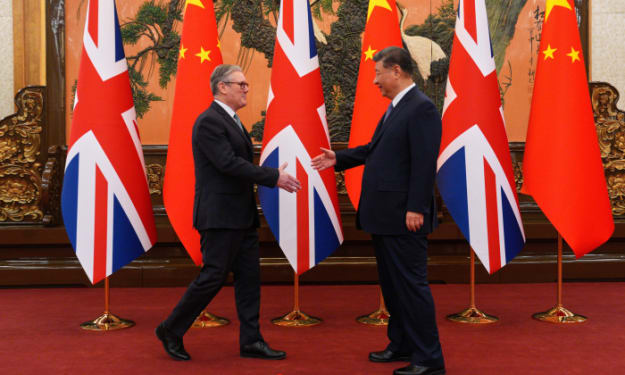
In Beijing, Starmer and Xi Seek a Way Around a Volatile U.S. AI-Generated.
UK and China eye closer ties amid shifting global alliances British Prime Minister Keir Starmer traveled to Beijing in late January for a historic visit with Chinese President Xi Jinping, aiming to strengthen ties between the United Kingdom and China at a time when the United States appears increasingly unpredictable in its foreign policy. The visit has drawn attention around the world as leaders from both countries explore opportunities for cooperation and maybe a way to hedge against volatility in Western alliances. Reuters +1 This trip is the first visit by a British prime minister to China since 2018, marking a significant moment in UK diplomacy. Starmer and Xi met amid broader international tensions tied to trade, security, and geopolitical shifts involving the U.S., Europe, and Asia. Reuters Why Beijing Matters Now China is the world’s second-largest economy and a major global player in trade, manufacturing, and technology. For the UK, engaging with Beijing makes economic sense: China was one of Britain’s largest trading partners, with tens of billions of pounds in annual trade before the 2025 dip in global commerce. The Express Tribune Starmer’s delegation included business leaders from more than 50 firms — including banks, pharmaceutical companies, and carmakers — showing the economic aims of the visit. European companies have also been exploring closer ties with China, especially as the U.S. takes a more unpredictable stance on global trade. Reuters A Shift From Dependence on Washington? A key theme of Starmer’s visit was the idea that the UK should look beyond traditional dependence on the U.S. The U.S. and UK have long enjoyed a close partnership known as the “special relationship,” built on shared history, defense cooperation, and economic ties. Wikipedia However, recent actions by the U.S. under President Donald Trump — including threats to impose tariffs on allies and unusual policy moves — have made some British leaders question how reliable Washington will be as a partner in the long term. The Express Tribune Starmer has stressed that the UK will not choose between the U.S. and China, but will instead build independent relationships with both. This approach aims to protect Britain’s interests in trade, security, and global influence without being pulled exclusively in one direction. Reddit What Starmer and Xi Discussed At the heart of the Beijing meetings was an effort to build what Starmer called a “more sophisticated relationship” with China, one that includes economic cooperation but also honest dialogue where disagreements exist. Yahoo News UK Xi told Starmer that the relationship between China and the UK had seen “twists and turns” that did not serve either country but said that strengthening dialogue was essential in a “turbulent world.” He emphasized mutual respect and cooperation as the foundation for moving forward. Anadolu Ajansı Both leaders discussed the benefits of closer ties in areas like trade, climate change, and global stability — while acknowledging differences on issues such as human rights and national security. ABC News Security and Caution Though Starmer embraced economic cooperation with China, he also stressed that the UK must remain clear‑eyed about national security concerns. Before his departure, the prime minister said London will engage with Beijing but will not ignore potential threats posed by foreign interference or espionage. The Guardian This balanced approach seeks to reassure audiences in London and Washington that diplomacy — not domination by any single power — guides Britain’s foreign policy. Economic Goals and Business Interests Starmer’s visit wasn’t just political — it was strategic. The UK has focused on attracting Chinese investment into sectors like financial services, clean energy, and manufacturing. Business leaders accompanying Starmer made it clear that economic cooperation was a central goal. Reuters China also eased certain visa measures for UK visitors during the visit, a sign that Beijing is willing to make concessions to improve cooperation. AnewZ These moves aim to support British economic growth at a time when traditional markets have slowed and global competition for investment has increased. Criticism and Debate at Home Not everyone in the UK welcomes a closer relationship with China. Critics have raised concerns over human rights issues, including China’s policies in Hong Kong and Xinjiang, and the strategic implications of deepening ties with Beijing. ABC News Some British politicians and commentators worry that too close a relationship could compromise national security or weaken ties with traditional allies like the United States. Starmer has responded by saying that engagement — including discussion of disagreements — is more productive than isolation, and that robust diplomacy can address concerns without shutting down cooperation. Global Relevance of the Visit Starmer’s trip fits into a broader pattern: Western leaders are increasingly meeting with China as they navigate a shifting global order. Leaders from Canada, France, and other nations have also visited Beijing, seeking business opportunities and political cooperation. The Express Tribune This trend reflects a wider reevaluation of how Western nations balance relationships with both the U.S. and China amid changing geopolitical realities. Conclusion The visit of UK Prime Minister Keir Starmer and his discussions with Chinese President Xi Jinping in Beijing are significant not just for Britain and China — but for global diplomacy. In a time of uncertainty and shifting alliances, nations are exploring new ways to protect their interests while engaging with multiple global powers. Starmer’s approach suggests that the UK no longer sees itself as bound to a single path dictated by others, but instead aims to balance security, economic opportunity, and strategic independence. Whether this new direction will succeed remains to be seen, but the Beijing visit is a clear sign that global diplomacy is entering a new era of complexity and cooperation.
By Fiaz Ahmed 22 days ago in The Swamp
Shooting Aftermath Leaves Homeland Security Department in Turmoil. AI-Generated.
A fatal incident in Minnesota triggers leadership changes, internal strain, and political pressure The U.S. Department of Homeland Security (DHS) is facing significant turmoil after a recent shooting involving federal law enforcement agents in Minneapolis. What began as a law enforcement operation has now grown into a national controversy, with agency leaders under scrutiny, internal tensions spilling into the public eye, and political pressure rising from both sides of the aisle.
By Fiaz Ahmed 22 days ago in The Swamp