Fiaz Ahmed
Bio
I am Fiaz Ahmed. I am a passionate writer. I love covering trending topics and breaking news. With a sharp eye for what’s happening around the world, and crafts timely and engaging stories that keep readers informed and updated.
Stories (1126)
Filter by community
Psychology Says People With Poor Social Skills Often Use These 9 Phrases in Everyday Conversation. AI-Generated.
Human communication is complex, and social skills play a crucial role in how people build relationships, resolve conflicts, and feel connected to others. Psychology suggests that individuals who struggle with social skills are not unintelligent or unkind; rather, they often lack confidence, emotional awareness, or experience in social settings. Their difficulties sometimes appear in the language they use during everyday conversations. Certain phrases can unintentionally signal insecurity, defensiveness, or discomfort. Understanding these patterns can help people recognize areas for personal growth and improve communication. It is important to note that using one or two of these phrases does not automatically mean someone has poor social skills. Everyone uses them occasionally. However, when these expressions become habitual, they may reflect deeper communication challenges. 1. “I don’t care.” This phrase often appears when someone feels overwhelmed or unsure how to respond. Psychologically, it can signal emotional withdrawal rather than true indifference. While the speaker may want to avoid conflict or judgment, others may interpret it as rude or dismissive. Over time, this can weaken relationships and make conversations feel one-sided. 2. “Whatever.” Similar to “I don’t care,” this phrase can come across as passive-aggressive. People with limited social skills may use it to escape uncomfortable discussions. Psychology suggests that this response blocks emotional connection and prevents healthy dialogue. Instead of resolving issues, it creates distance between speakers. 3. “That’s stupid.” Harsh judgments like this often reflect poor emotional regulation. Rather than expressing disagreement respectfully, the speaker attacks the idea or person. This phrase can shut down conversation and make others feel disrespected. Socially skilled communicators usually replace such statements with constructive feedback. 4. “I’m just being honest.” This phrase is frequently used to justify blunt or hurtful comments. Psychology explains that people who lack empathy awareness may confuse honesty with cruelty. True honesty can be expressed kindly, but this phrase is often used to avoid taking responsibility for how words affect others. 5. “Nobody cares.” This statement can reveal low self-esteem or fear of rejection. Individuals who feel socially insecure may assume their thoughts are unimportant. Ironically, repeating this phrase can push people away, even when others actually do care about what they have to say. 6. “You wouldn’t understand.” This phrase often reflects emotional defensiveness. Instead of explaining feelings or experiences, the speaker withdraws. Psychologists note that this limits intimacy and mutual understanding. Strong social skills involve trusting others enough to share thoughts clearly and openly. 7. “It’s not my fault.” Constantly avoiding responsibility is a common communication barrier. While everyone makes mistakes, repeatedly using this phrase suggests difficulty accepting accountability. This can damage trust and create tension in both personal and professional relationships. 8. “Why are you so sensitive?” This phrase dismisses another person’s emotions rather than acknowledging them. Psychology links this to low emotional intelligence. Socially skilled individuals validate feelings even when they disagree, but this phrase can make others feel misunderstood and unheard. 9. “I don’t know what to say.” This phrase shows discomfort in social interaction. It often appears when someone lacks confidence or fears saying the wrong thing. While honest, frequent use may signal limited conversational skills. Learning simple responses such as asking questions or expressing curiosity can greatly improve communication. Psychologists emphasize that poor social skills are not permanent traits. They are learned behaviors shaped by environment, upbringing, and past experiences. Many people who struggle socially have faced rejection, anxiety, or isolation, which influences how they speak. Language becomes a protective shield rather than a bridge to connection. Improving social communication begins with awareness. When individuals notice their own repeated phrases, they can consciously replace them with more positive and open expressions. For example, instead of saying “whatever,” one can say, “I see your point, but I feel differently.” Instead of “nobody cares,” a better option is, “I’m not sure how to explain this, but it matters to me.” Psychology also highlights the importance of active listening. Good social skills are not only about speaking well but also about understanding others. Maintaining eye contact, asking thoughtful questions, and showing empathy can transform conversations and relationships. In today’s digital age, social skills are more important than ever. Many people communicate through screens rather than face-to-face, which can weaken emotional awareness and tone recognition. Practicing respectful language and emotional sensitivity helps build stronger connections in both real life and online spaces. In conclusion, psychology shows that people with poor social skills often rely on certain phrases that unintentionally create distance or conflict. These nine expressions reveal insecurity, defensiveness, or lack of emotional awareness rather than bad intentions. With self-reflection and practice, anyone can improve their communication style. By choosing words more carefully and listening more deeply, individuals can build healthier relationships and become more confident communicators in everyday life.
By Fiaz Ahmed 20 days ago in Longevity
Shipping Giant Maersk to Take Over Panama Canal Ports After Court Ruling. AI-Generated.
In a major development with far-reaching implications for global trade and geopolitics, Danish shipping giant Maersk is set to assume control of key port operations along the Panama Canal following a landmark ruling by Panama’s Supreme Court. The decision comes after long-standing contracts held by Hong Kong-based CK Hutchison were ruled unconstitutional, paving the way for Maersk’s subsidiary to temporarily operate the strategic Balboa and Cristóbal terminals at either end of the canal. Al Jazeera +1 The Panama Canal is one of the world’s most vital maritime chokepoints, handling nearly 40 percent of U.S. container traffic and about 5 percent of global seaborne commerce. Control of the adjacent port facilities has historically been a symbol of influence in global shipping routes and geopolitical power. Al Jazeera Court Ruling Ends Long-Standing Concession On January 30, 2026, Panama’s Supreme Court annulled the contracts granting CK Hutchison’s subsidiary, Panama Ports Company (PPC), the rights to operate the Balboa and Cristóbal ports. The court found that the concession — first awarded in the 1990s and extended most recently in 2021 — violated constitutional requirements and lacked sufficient competitive bidding and public interest safeguards. Investing.com The ruling effectively terminated nearly three decades of CK Hutchison’s involvement at these strategic terminals — a decision that will have ripple effects across the global shipping industry. The nullification also affects a planned $23 billion sale of CK Hutchison’s global port assets, involving major investors such as BlackRock and Mediterranean Shipping Company. ft.com Maersk Steps In as Temporary Operator In response to the court’s decision, Panama’s Maritime Authority confirmed that APM Terminals Panama — a local subsidiary of Maersk Group — will act as temporary administrator of the Balboa and Cristóbal ports once the concession formally ends. This move ensures operational continuity while the government prepares a new bidding process for long-term port concessions. s President, José Raúl Mulino, emphasized that port operations will continue without disruption during the transition period. He underscored the economic importance of these terminals to Panama’s economy and the global shipping network. mb.com.ph Maersk’s temporary stewardship reflects its deep experience in maritime logistics and container transportation, underscoring the company’s central role in global supply chains. The firm’s stewardship is seen as a stabilizing force, ensuring that trade flows through the canal region remain steady even amid legal and political upheavals. Geopolitical Context and Reactions The court’s ruling has stirred international debate, especially given the strategic significance of the Panama Canal region in U.S.–China competition. For years, the United States has expressed concern about Chinese influence over critical global infrastructure. Panama’s decision aligns with broader efforts to limit foreign control over strategic assets and reaffirm sovereign oversight of its key ports. isp.netscape.com Beijing has publicly criticized the ruling, with Hong Kong officials stating they “firmly reject” the decision and view it as hostile to legitimate business interests. Chinese authorities have vowed to protect the rights of their companies through appropriate legal channels. euronews Meanwhile, critics of the ruling argue that nullifying longstanding contracts could undermine investor confidence and legal certainty in Panama, potentially impacting future foreign investment. PPC itself warned that the decision could harm the welfare of thousands of Panamanian families dependent on port-related activity. taipeitimes.com Economic and Trade Implications The Panama Canal and its adjacent ports are linchpins of global maritime trade. Cargo moving between the Atlantic and Pacific oceans accounts for a significant share of international shipping — particularly for container traffic involving goods between Asia, Europe, and the Americas. Any disruption to port operations could have cascading effects on global logistics costs and supply chain efficiency. Maersk’s entry as a temporary operator may reassure markets and shippers that commercial continuity remains a priority. By maintaining the operation of the Balboa and Cristóbal terminals, Maersk helps ensure that cargo flows through one of the globe’s busiest trade arteries will not be interrupted. KOB.com The transition also highlights the competitive nature of global port management. As nations and multinational corporations vie for influence over key logistics hubs, companies like Maersk — with extensive expertise in port operations and maritime transport — are well positioned to play pivotal roles in shaping the future of international trade infrastructure. Looking Ahead Panama has signaled that a new tender process will soon be launched to award long-term operating contracts for the canal’s major ports. This open process aims to attract top global logistics firms and ensure that future concessions serve Panama’s strategic interests while promoting efficient and secure global trade. KOB.com In the meantime, Maersk’s temporary administration of the canal’s ports marks a major shift in the region’s maritime dynamics. It underscores how legal decisions can quickly reshape economic and geopolitical landscapes — especially when involving critical infrastructure that underpins global commerce. As Panama navigates this transition, stakeholders around the world will be watching closely how the new port concession process unfolds and how it might influence the balance of power in global shipping and trade.
By Fiaz Ahmed 20 days ago in The Swamp
ChatGPT Evolution: How AI Changed the Internet Forever. AI-Generated.
The rise of artificial intelligence has transformed nearly every aspect of modern life, but few innovations have reshaped the internet as profoundly as ChatGPT. From its early beginnings as a simple conversational tool to becoming a powerful engine of knowledge, creativity, and automation, ChatGPT represents a turning point in how humans interact with technology. Its evolution has not only changed how people search for information but has also redefined communication, business, education, and digital culture itself.
By Fiaz Ahmed 20 days ago in Longevity
How People Are Making Money Online in 2026. AI-Generated.
The digital economy has transformed dramatically by 2026, opening new and diverse opportunities for people to earn money online. What once began with simple freelancing and blogging has evolved into a complex ecosystem powered by artificial intelligence, remote work, digital platforms, and global connectivity. Today, millions of individuals across the world rely on online income streams as their primary source of livelihood. From content creation to AI-assisted businesses, the ways people make money online in 2026 reflect innovation, flexibility, and changing work cultures. One of the most popular methods of online earning in 2026 is AI-assisted freelancing. Freelancers now use artificial intelligence tools to enhance productivity in writing, graphic design, video editing, programming, and marketing. Instead of spending hours on manual tasks, workers rely on AI to generate drafts, analyze data, and automate workflows. Platforms offering freelance services have expanded globally, allowing individuals from developing and developed countries alike to work with international clients. Skills such as prompt engineering, AI content optimization, and digital consulting have become highly valuable. Content creation remains a major source of income. Social media platforms, video-sharing websites, and blogging networks now offer multiple monetization models including ad revenue, paid subscriptions, and brand partnerships. Influencers earn through sponsored content, affiliate marketing, and digital merchandise. In 2026, short-form videos and live streaming are among the fastest-growing formats, as audiences prefer quick, engaging content. Niche creators focusing on education, fitness, finance, and technology attract loyal followers and steady income. Another growing trend is online education and digital courses. Experts in various fields create e-learning programs and sell them worldwide. From coding and business skills to personal development and language learning, online courses allow people to monetize knowledge. Virtual classrooms and AI tutors have made learning more interactive and accessible. Many teachers now earn through recorded lessons, private coaching sessions, and subscription-based platforms. E-commerce and dropshipping continue to thrive in 2026, driven by global logistics improvements and digital payment systems. Small business owners sell products without maintaining physical inventory by partnering with suppliers who ship directly to customers. Personalized products, eco-friendly goods, and digital downloads such as templates and artwork are especially popular. Social commerce has also expanded, allowing users to purchase directly through social media apps. The rise of remote corporate jobs has reshaped traditional employment. Many companies now operate without physical offices and hire workers globally. Positions in customer support, data analysis, cybersecurity, and digital marketing are commonly performed online. Employees receive salaries while working from home or co-working spaces, giving them flexibility and better work-life balance. Remote work has also allowed individuals to earn in stronger currencies while living in lower-cost regions. Cryptocurrency and blockchain-based income remain part of the online earning landscape, although more regulated than before. People earn through trading, staking, digital asset creation, and decentralized finance platforms. Non-fungible tokens (NFTs) have evolved into practical digital ownership tools for art, music, and virtual real estate. While risks remain, blockchain technology has provided alternative income sources for tech-savvy individuals. A rapidly expanding area is virtual services in the metaverse. Digital worlds now host events, conferences, and virtual businesses. Designers build virtual spaces, educators teach in immersive classrooms, and entertainers perform in online environments. Virtual fashion, architecture, and property development have become real economic activities. These platforms allow people to sell digital products and services to global audiences. Affiliate marketing has also grown more sophisticated. Individuals promote products and services through blogs, videos, and social platforms, earning commissions for each sale. AI tools now help creators analyze consumer behavior and recommend products more effectively. Trust-based marketing, where audiences rely on expert reviews and honest opinions, has become more important than aggressive advertising. Microtask platforms and digital gigs provide income for those with limited skills or time. Tasks such as data labeling, voice recording, and product testing allow people to earn small but consistent amounts. These opportunities are especially valuable in developing regions where traditional employment is scarce. Despite the wide range of opportunities, challenges remain. Competition is intense, and digital scams continue to target inexperienced users. Success requires digital literacy, adaptability, and continuous learning. Governments and organizations are increasingly investing in digital skills training to prepare citizens for online work. The online economy in 2026 is no longer just about earning extra money—it represents a fundamental shift in how people work and live. With technology breaking down geographic barriers, individuals can build careers based on creativity, knowledge, and innovation rather than location. Those who embrace change, develop skills, and use technology wisely are finding sustainable ways to earn and grow. In conclusion, people are making money online in 2026 through freelancing, content creation, education, e-commerce, remote jobs, blockchain technology, and virtual services. The digital world has become a marketplace of opportunity, offering freedom and flexibility to millions. As technology continues to advance, online income will likely become even more central to the global economy, shaping the future of work for generations to come.
By Fiaz Ahmed 20 days ago in Journal
Mental Health Crisis Grows Worldwide in 2026. AI-Generated.
The year 2026 has emerged as a critical turning point for global mental health, as countries across the world report a sharp rise in anxiety, depression, and stress-related disorders. Health experts warn that the mental health crisis is no longer limited to specific regions or age groups but has become a widespread global challenge affecting millions of people. Economic uncertainty, ongoing conflicts, climate anxiety, and the lasting effects of past pandemics have combined to create an environment of emotional strain and psychological vulnerability. According to international health organizations, cases of depression and anxiety disorders have increased significantly since the early 2020s, with 2026 showing the highest recorded numbers in many countries. Young people, in particular, are among the most affected. Academic pressure, unemployment, social media influence, and fear about the future have contributed to rising levels of stress and emotional exhaustion among teenagers and young adults. One of the main drivers of the mental health crisis is economic instability. Inflation, job insecurity, and rising living costs have placed enormous pressure on families and individuals. Many people struggle to meet basic needs, leading to feelings of hopelessness and fear. In developing countries, limited access to mental health services has worsened the situation, leaving millions without proper diagnosis or treatment. Global conflicts and political instability have also played a significant role in worsening mental health conditions. War zones and refugee communities experience high levels of trauma, grief, and post-traumatic stress disorder (PTSD). Displacement, loss of loved ones, and uncertainty about the future have created long-term psychological scars. Even in peaceful regions, constant exposure to distressing news through digital media has increased fear and emotional fatigue. Climate change has become another powerful contributor to mental distress. Extreme weather events such as floods, wildfires, and heatwaves are not only destroying homes and livelihoods but also affecting emotional well-being. A growing number of people report experiencing “climate anxiety,” a condition marked by fear and helplessness about environmental destruction and the planet’s future. Scientists note that young generations feel especially burdened by the responsibility of facing a crisis they did not create. Technology and social media, while offering connection and information, have also intensified mental health challenges. Excessive screen time, online comparison, cyberbullying, and unrealistic standards of success contribute to low self-esteem and isolation. Many individuals feel pressured to present perfect lives online while struggling privately with emotional pain. Mental health professionals warn that digital dependence can weaken real-life relationships and increase loneliness. Healthcare systems worldwide are struggling to keep up with the growing demand for mental health services. In many countries, there are not enough trained psychologists, psychiatrists, and counselors to treat patients. Long waiting times and high treatment costs prevent people from seeking help. Rural and low-income areas face even greater shortages, creating inequality in access to mental health care. Governments and international organizations are beginning to recognize the urgency of the crisis. In 2026, several countries have launched national mental health strategies focusing on early intervention, public awareness, and workplace mental wellness programs. Schools are introducing mental health education to help students understand stress management and emotional resilience. Employers are also being encouraged to provide counseling services and flexible work arrangements to support employee well-being. Public attitudes toward mental health are slowly changing. There is growing acceptance that mental illness should be treated with the same seriousness as physical illness. Celebrities, athletes, and public figures have spoken openly about their struggles, helping reduce stigma and encouraging others to seek help. Online platforms and mobile apps offering therapy and emotional support have become more popular, making mental health care more accessible for many people. Despite these positive developments, experts warn that much more needs to be done. Mental health funding remains insufficient in many regions, and cultural stigma still prevents individuals from discussing their struggles openly. Suicide rates in certain countries continue to rise, highlighting the urgent need for comprehensive prevention strategies and community-based support systems. The global mental health crisis of 2026 is a reminder that emotional well-being is closely linked to social, economic, and environmental conditions. Addressing the problem requires a collective effort from governments, healthcare providers, educational institutions, and families. Investment in mental health infrastructure, research, and awareness campaigns is essential to prevent long-term consequences. Looking ahead, specialists emphasize the importance of building resilience and promoting healthy lifestyles. Regular physical activity, balanced nutrition, digital detox, and strong social connections can play a key role in improving mental well-being. Communities must create safe spaces for dialogue, understanding, and compassion. As the world faces complex challenges in 2026, mental health has become one of the most pressing global issues. Recognizing the crisis and taking meaningful action will determine whether future generations inherit a society burdened by emotional suffering or one that prioritizes psychological health and human dignity. The path forward depends on unity, empathy, and sustained commitment to mental well-being across all nations.
By Fiaz Ahmed 20 days ago in Longevity
New Medical Technology Extends Human Life Expectancy. AI-Generated.
Advances in medical technology are reshaping the future of healthcare and redefining how long and how well people can live. In recent years, scientists and medical professionals have introduced groundbreaking innovations that are significantly extending human life expectancy. These developments are not only helping to prevent deadly diseases but are also improving quality of life for millions around the world. From artificial intelligence–driven diagnostics to gene therapy and regenerative medicine, the modern healthcare revolution is entering a new era of longevity. One of the most important contributors to increased life expectancy is early disease detection through advanced diagnostic technology. Artificial intelligence (AI) is now being used to analyze medical scans, blood tests, and genetic data with remarkable accuracy. AI-powered systems can identify signs of cancer, heart disease, and neurological disorders at much earlier stages than traditional methods. Early diagnosis allows doctors to begin treatment before diseases become life-threatening, significantly improving survival rates. Another major breakthrough lies in personalized medicine. Instead of using the same treatment approach for every patient, doctors can now tailor therapies based on an individual’s genetic profile. This approach ensures that medications and treatments are more effective and produce fewer side effects. Personalized cancer treatments, for example, target specific genetic mutations within tumors, leading to higher recovery rates and longer patient survival. Regenerative medicine has also emerged as a powerful force in extending human life. Stem cell therapy and tissue engineering are enabling the repair or replacement of damaged organs and tissues. Scientists have successfully grown human skin, cartilage, and even parts of organs in laboratories. These technologies offer hope to patients suffering from organ failure, spinal injuries, and degenerative diseases. Instead of relying solely on organ transplants, future patients may receive lab-grown tissues that match their own bodies, reducing rejection risks and increasing life expectancy. Wearable health technology has transformed preventive care and daily health monitoring. Smartwatches and health-tracking devices can now measure heart rate, blood oxygen levels, sleep patterns, and physical activity in real time. These devices alert users to potential health problems before they become serious. For example, irregular heart rhythms or dangerously low oxygen levels can be detected instantly, allowing users to seek medical help quickly. This continuous monitoring empowers individuals to take control of their health and prevent sudden medical emergencies. Robotic surgery is another innovation contributing to longer life expectancy. Surgical robots allow doctors to perform highly precise procedures with minimal invasion. Smaller incisions reduce blood loss, lower the risk of infection, and shorten recovery times. Patients who once faced long hospital stays can now return to normal life much faster. Robotic-assisted surgeries are especially effective in heart operations, cancer treatments, and complex neurological procedures. Gene editing technologies, such as CRISPR, have opened new possibilities in preventing inherited diseases. Scientists can now modify faulty genes responsible for conditions like sickle cell anemia, muscular dystrophy, and certain cancers. While still under strict ethical and regulatory review, gene therapy holds the promise of eliminating genetic disorders before they can cause serious harm. This could dramatically increase life expectancy for future generations. Vaccination technology has also advanced significantly. New vaccines are being developed faster and more efficiently using modern biotechnology. These vaccines protect against deadly viruses and emerging infections, preventing large-scale health crises. Improved immunization programs have already helped control diseases that once reduced life expectancy worldwide, such as measles, polio, and influenza. Mental health technology is also playing a growing role in overall longevity. Digital therapy platforms, AI counseling tools, and mobile mental health applications are helping individuals manage stress, anxiety, and depression. Since mental well-being is closely linked to physical health, these innovations contribute to longer and healthier lives by reducing suicide rates and stress-related illnesses. Despite these remarkable achievements, challenges remain. High costs of advanced medical technology limit access in many developing countries. Inequality in healthcare systems means that not everyone benefits equally from these innovations. Ethical questions also arise regarding genetic modification and life-extending technologies. Governments and medical institutions must ensure that these tools are used responsibly and made accessible to broader populations. Experts believe that the future of medicine will focus not only on extending life but also on improving the quality of those extra years. Living longer without good health offers little benefit, so the goal is to create healthier aging through technology, lifestyle changes, and preventive care. In conclusion, new medical technology is transforming human life expectancy in ways once thought impossible. Through AI diagnostics, regenerative medicine, gene therapy, robotic surgery, and digital health tools, people are living longer and healthier lives. While challenges of cost and ethics remain, the progress achieved so far signals a hopeful future. As innovation continues, humanity stands on the edge of a new medical era—one where longer life is not just a dream, but a scientific reality.
By Fiaz Ahmed 20 days ago in Longevity
Pakistan Foils Major Terror Plot as 12 Locations Hit in Balochistan. AI-Generated.
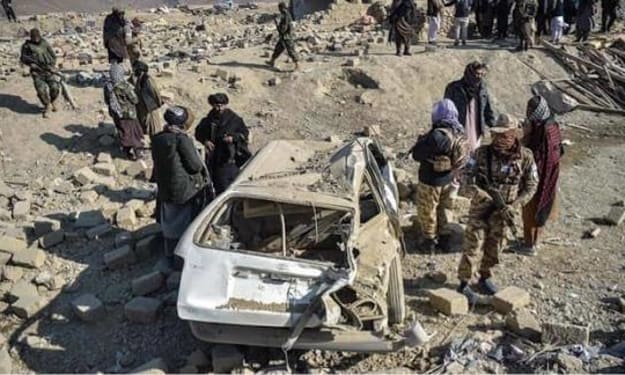
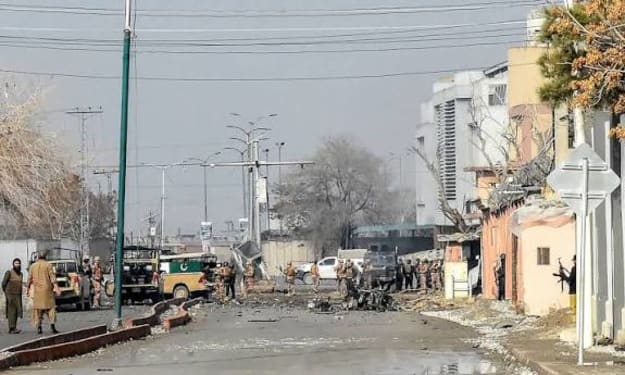
Pakistan’s security forces successfully foiled a major terror plot after militants launched coordinated attacks at 12 different locations across Balochistan, triggering intense clashes and large-scale counterterrorism operations. The synchronized assaults targeted security checkpoints, government installations, and key transport routes, but were swiftly repelled by law enforcement agencies, preventing what officials described as a potentially devastating escalation of violence. According to security sources, the attacks were carried out almost simultaneously, indicating a high level of planning and coordination by militant networks. The objective appeared to be creating widespread panic, disrupting governance, and challenging the authority of the state in one of the country’s most sensitive provinces. Residents in several districts reported heavy gunfire and explosions that lasted for hours, forcing families to remain indoors and bringing daily life to a standstill. Security forces responded immediately by sealing off the affected areas and deploying reinforcements. Ground troops, supported by aerial surveillance, launched counteroffensive operations to track and neutralize the attackers. Multiple militant hideouts were destroyed during clearance missions, and significant quantities of weapons, ammunition, and explosives were recovered. Officials also confirmed the seizure of communication equipment believed to have been used to coordinate the attacks. A senior security official stated that the operation demonstrated the preparedness and resolve of Pakistan’s security institutions. “The militants attempted to execute a large-scale terror plan through synchronized strikes. Their efforts were thwarted due to timely intelligence and rapid action by our forces,” the official said, adding that investigations were underway to identify the planners and facilitators behind the plot. Balochistan has long faced security challenges due to its vast terrain, porous borders, and long-standing political and economic grievances. The province’s rugged landscape has often been exploited by militant and separatist groups seeking to establish bases in remote areas. Analysts believe the latest attacks represent an attempt by extremist factions to reassert their presence and undermine recent improvements in the security situation. The provincial government condemned the attacks in strong terms and praised the bravery of security personnel involved in the operation. In an official statement, the Chief Minister said that enemies of peace would not be allowed to destabilize the province. “The courage and professionalism of our security forces have once again protected the people of Balochistan from a major tragedy. We remain committed to eliminating terrorism in all its forms,” the statement read. Hospitals in Quetta and surrounding districts were placed on emergency alert following the clashes. While most of the casualties were reported among militants, several security personnel sustained injuries and were shifted to medical facilities for treatment. Authorities did not disclose exact figures regarding the wounded, citing operational sensitivity and the ongoing nature of the missions. At the federal level, high-level security meetings were convened to review the situation and enhance coordination among intelligence and law enforcement agencies. Officials emphasized the importance of intelligence-sharing and preventive measures to counter future attempts at coordinated violence. “This incident highlights the evolving tactics of militant groups and the need for continuous vigilance,” a spokesperson for the interior ministry said. The attacks also caused temporary disruption to civilian life. Markets in some districts were closed as a precautionary measure, and traffic on major highways was restricted due to security checkpoints and roadblocks. Educational institutions in certain areas suspended classes, while residents were advised to avoid unnecessary travel until the situation stabilized. Security experts stress that while military and law enforcement operations are essential to counter immediate threats, long-term peace in Balochistan requires addressing deeper socio-economic and political issues. Persistent underdevelopment, unemployment, and feelings of marginalization have been identified as factors that militant groups exploit to gain support. “A sustainable solution lies in combining security measures with development initiatives and political engagement,” said a security analyst based in Islamabad. Investigations are currently underway to determine whether the coordinated attacks had external links or were supported through cross-border networks. Intelligence agencies are tracing financial and logistical channels used by the militants to dismantle their operational structures and prevent similar incidents in the future. Officials have also increased surveillance in sensitive areas to deter any follow-up attacks. As clearance operations continue, security forces remain on high alert across the province. Additional checkpoints have been established, and patrols intensified in vulnerable districts. Authorities have assured the public that the situation is under control and that every effort is being made to restore normalcy. The foiling of the major terror plot marks a significant success for Pakistan’s counterterrorism efforts and sends a strong message to militant groups seeking to destabilize the region. While the immediate threat has been neutralized, officials acknowledge that sustained vigilance and comprehensive strategies will be required to ensure lasting peace in Balochistan. The recent events serve as a reminder of the fragile security environment in the province and the continuing struggle against extremism. Through a combination of swift military action, intelligence coordination, and long-term development policies, Pakistan aims to prevent future attempts to disrupt stability and safeguard the lives of its citizens.
By Fiaz Ahmed 20 days ago in The Swamp
Balochistan on High Alert After Simultaneous Militant Attacks Leave 58 Dead. AI-Generated.
Balochistan has been placed on high alert following a wave of simultaneous militant attacks across multiple districts that resulted in the deaths of at least 58 militants after fierce clashes with security forces. The coordinated nature of the assaults has raised serious concerns about the evolving tactics of extremist groups and the ongoing security challenges facing Pakistan’s largest province. According to official sources, the attacks were launched almost at the same time in several locations, targeting security checkpoints, government facilities, and key transportation routes. The sudden outbreak of violence created panic among local communities, with residents reporting heavy gunfire and explosions lasting for hours. In response, security forces quickly sealed off affected areas and launched large-scale counterterrorism operations to neutralize the attackers and prevent further damage. Authorities stated that the militants attempted to overwhelm security positions through synchronized strikes, but their efforts were foiled due to the swift and coordinated response by law enforcement agencies. Ground troops, supported by aerial surveillance, engaged the attackers in intense skirmishes. Several militant hideouts were destroyed, and large quantities of weapons, ammunition, and explosives were recovered during search and clearance operations. A senior security official confirmed that at least 58 militants were killed in the clashes, while operations are still ongoing in remote and mountainous areas where some suspects managed to flee. “Our forces are conducting comprehensive clearance missions to ensure that no militant elements remain active. The situation is under control, but vigilance remains high,” the official said. Balochistan’s strategic location and rugged terrain have long made it vulnerable to militant and insurgent activity. The province shares borders with Afghanistan and Iran, and its vast, sparsely populated areas have often been exploited by extremist groups to establish bases and movement corridors. Analysts believe the latest attacks reflect an attempt by these groups to reassert their presence and challenge the state’s authority through high-impact operations. The provincial government strongly condemned the attacks, calling them an assault on peace and stability. In a statement, the Chief Minister praised the courage of security personnel and expressed solidarity with the families affected by the violence. “These cowardly acts will not weaken our resolve. We will continue our efforts to eradicate terrorism and restore lasting peace in Balochistan,” the statement read. Medical facilities across Quetta and nearby districts were placed on emergency alert to handle casualties. While most of the reported deaths were militants, several security personnel were injured in the line of duty and shifted to hospitals for treatment. Authorities have not disclosed the exact number of injured officers, citing security reasons and the ongoing nature of the operations. The federal government also took notice of the situation, convening high-level security meetings to assess the threat and coordinate intelligence-sharing among agencies. Officials emphasized the need for stronger surveillance and preventive measures to stop similar attacks in the future. “This incident highlights the importance of proactive intelligence and close coordination between federal and provincial institutions,” a spokesperson for the interior ministry said. For civilians, the violence caused temporary disruption to daily life. Markets in some districts were closed as a precaution, and traffic along major highways was restricted due to security checkpoints and roadblocks. Educational institutions in certain areas suspended classes, while residents were advised to avoid unnecessary travel. Many expressed fear over the return of large-scale violence after a period of relative calm in parts of the province. Security experts argue that while such operations are necessary to counter immediate threats, long-term peace in Balochistan requires addressing deeper social and economic issues. Lack of development, unemployment, and political grievances have often been cited as factors that contribute to instability. “Military action alone cannot resolve the conflict. Sustainable peace depends on investment in education, healthcare, and infrastructure, along with political dialogue,” said a security analyst based in Islamabad. Investigations are currently underway to determine the origins of the coordinated attacks and whether they were linked to cross-border movements or external support networks. Intelligence agencies are tracing communication and financial channels used by the militants to dismantle their networks and prevent future incidents. As security forces maintain a high state of alert and continue clearance operations, the situation in Balochistan remains tense but largely under control. Additional checkpoints have been established in sensitive areas, and patrols have been increased to ensure public safety. The coordinated nature of the attacks serves as a reminder of the persistent threat posed by militant groups and the need for constant vigilance. With at least 58 militants killed and several networks disrupted, the recent operation marks a significant blow to extremist activity in the province. However, authorities acknowledge that sustained efforts will be required to ensure lasting stability. The events underscore the fragile security environment in Balochistan and the importance of a comprehensive strategy combining security, intelligence, and development to prevent future violence and protect the lives of citizens.
By Fiaz Ahmed 20 days ago in The Swamp
At Least 58 Terrorists Killed in Balochistan as Security Forces Repel Coordinated Attacks at 12 Locations. AI-Generated.
Balochistan witnessed one of its most intense security operations in recent months after militants launched coordinated attacks at 12 different locations across the province. The synchronized assaults targeted security checkpoints, government installations, and key transportation routes, prompting an immediate and large-scale response from Pakistani security forces. According to official sources, at least 58 terrorists were killed in the ensuing clashes, while search and clearance operations are still underway in several sensitive districts. The attacks were carried out almost simultaneously, indicating a high level of planning and coordination among militant groups. Authorities stated that the objective of the attackers appeared to be creating panic, disrupting law and order, and demonstrating their operational reach. Residents in affected areas reported hearing heavy gunfire and explosions for several hours, forcing many families to stay indoors and suspend daily activities. Security forces reacted swiftly by sealing off the targeted zones and deploying reinforcements. Ground troops, supported by aerial surveillance, launched counteroffensive operations to neutralize the attackers and prevent further damage. Officials confirmed that multiple militant hideouts were destroyed during the operations and large quantities of weapons, ammunition, and explosives were recovered. Communication equipment and documents believed to be linked to militant networks were also seized for further investigation. A senior security official, speaking on condition of anonymity, said that the death toll could rise as operations continue in remote and mountainous areas. “Our forces are conducting thorough clearance missions to ensure that no militant elements remain in the region. The coordinated attacks were an attempt to destabilize the province, but they have been effectively repelled,” the official said. Balochistan has long faced complex security challenges due to its vast geography, porous borders, and long-standing political and economic grievances. Militant and separatist groups have exploited these factors over the years to establish networks in remote areas. Analysts believe the recent attacks reflect a renewed effort by extremist factions to regain influence and challenge the authority of the state. The provincial government strongly condemned the attacks and praised the bravery of security personnel involved in the operation. In an official statement, the Chief Minister described the militants as enemies of peace and assured the public that the government would not allow such elements to disrupt stability. “The sacrifices of our security forces will not go in vain. We are committed to eliminating terrorism and restoring lasting peace in Balochistan,” the statement read. Hospitals in Quetta and nearby districts were placed on emergency alert following the clashes. While most of the casualties were reported among militants, several security personnel sustained injuries during the operations and were shifted to medical facilities for treatment. Authorities have not released detailed figures regarding the wounded, citing operational sensitivity and ongoing missions. The federal government also convened high-level security meetings to review the situation and strengthen coordination among intelligence and law enforcement agencies. Officials emphasized the need for enhanced intelligence-sharing to prevent future coordinated attacks. “This incident highlights the evolving tactics of militant groups and the importance of remaining vigilant,” a federal interior ministry spokesperson said. For local communities, the violence caused temporary disruption to daily life. Markets in some districts were closed, and transport services along major highways were suspended due to security checkpoints and roadblocks. Educational institutions in certain areas announced temporary closures as a precautionary measure. Despite these challenges, many residents expressed relief that security forces were able to quickly regain control and prevent a larger tragedy. Security experts stress that while military operations are necessary to counter immediate threats, long-term peace in Balochistan requires addressing deeper socio-economic and political issues. Development initiatives, improved access to education and healthcare, and greater political inclusion are seen as essential for reducing the appeal of militancy. “A comprehensive approach that combines security measures with development is crucial for sustainable stability,” said a security analyst based in Islamabad. Investigations are currently underway to determine the origins of the coordinated attacks and whether they were linked to cross-border movements or external support networks. Intelligence agencies are tracing the financial and logistical channels used by the attackers to prevent similar incidents in the future. As security forces continue clearance operations and maintain a high state of alert, the situation in Balochistan remains tense but largely under control. The coordinated nature of the attacks underscores the persistent threat posed by militant groups, while the swift response of security forces highlights the state’s determination to protect its citizens. With at least 58 terrorists killed and several networks dismantled, the recent operation marks a significant blow to militant activity in the province. However, authorities acknowledge that sustained efforts will be required to ensure lasting peace and prevent future attempts to destabilize the region. The events serve as a reminder of the fragile security environment and the ongoing struggle against extremism in Balochistan.
By Fiaz Ahmed 20 days ago in The Swamp
Ukraine Sees Quieter Night as Trump Says Putin Will Not Attack Its Cities. AI-Generated.
Ceasefires, calm periods, and political statements highlight ongoing uncertainty in Ukraine Ukraine experienced a relatively quiet night on the front lines, with reports indicating fewer missile strikes and artillery attacks across several regions. This temporary lull comes amid high tension and international attention, as former U.S. President Donald Trump claimed that Russian President Vladimir Putin will not attack Ukrainian cities directly. While the news of reduced activity offers momentary relief for civilians and troops, experts caution that the situation remains fragile, and political statements do not necessarily reflect military strategy on the ground. The Quiet Night in Ukraine Reports from Ukrainian authorities and local media suggested that several cities and towns, including Kyiv, Kharkiv, and Zaporizhzhia, saw fewer air raids and shelling incidents than usual. Some points from the night include: Reduced missile activity: Air defense systems intercepted several projectiles, but the overall number of attacks dropped compared to previous nights. Civilian response: Residents reported feeling safer, with fewer sirens and explosions disturbing the night. Many returned to normal routines after temporary shelters had been used. Military vigilance: Ukrainian forces remain on high alert, continuing defensive operations and monitoring border areas for potential escalations. Military analysts caution that short periods of calm are common in ongoing conflicts and do not necessarily indicate a long-term reduction in hostilities. Donald Trump’s Statement Former U.S. President Donald Trump recently stated that he believes Vladimir Putin will not order attacks on Ukrainian cities directly. He added that: Russia is likely to focus on military targets rather than civilian areas. Diplomatic negotiations and international pressure could influence Putin’s strategy. The war could continue for some time, but direct strikes on urban centers may be avoided. Trump’s comments have sparked debate among political analysts, journalists, and international observers, with opinions divided on whether his predictions reflect reality or political optimism. International Reactions The international community has responded to both the quiet period in Ukraine and Trump’s remarks: U.S. officials: Current administration spokespeople emphasized that any prediction about Russian strategy is speculative, and the U.S. continues to support Ukraine with intelligence, defense systems, and economic aid. European Union: Brussels continues to monitor the situation closely, stressing that Russia’s previous behavior makes it difficult to rely on assurances. NATO: Alliance officials reiterated that defensive measures must remain in place, highlighting the importance of air defense systems and troop readiness. Observers stress that political statements, while influential, cannot replace concrete military and humanitarian measures. Civilians and Daily Life For Ukrainians, even a brief lull in fighting can have significant impacts: Daily routines: Shops, schools, and public services temporarily operate more normally when missile alerts are reduced. Psychological relief: Mental health experts note that periods of calm help civilians recover from stress and trauma, even if temporary. Preparedness: Despite the quieter night, residents continue to maintain safety measures, such as bomb shelters, emergency supplies, and evacuation plans. This shows that, while the quiet night is welcome, uncertainty remains the dominant factor in daily life. Military Implications For Ukrainian forces, a quieter night offers: Opportunity for regrouping: Troops can rest, replenish supplies, and perform maintenance on equipment. Strategic reassessment: Commanders may analyze recent attacks to adjust defensive tactics and anticipate potential escalations. Surveillance and intelligence gathering: Drones and reconnaissance units continue to monitor Russian troop movements, even during quieter periods. Analysts caution that these calm moments are often used by opposing forces to reposition or prepare for future offensives. Political and Media Impact Trump’s comments have stirred discussion across multiple platforms: Social media reactions: Many users debated the validity of his statements, weighing them against recent Russian attacks and intelligence reports. Media coverage: International news outlets have emphasized that predicting enemy behavior is challenging, and periods of calm can be misleading. Diplomatic messaging: Leaders in Kyiv, Washington, and Europe continue to communicate with the public and allies about ongoing threats and security measures. Experts agree that political statements influence perception, but they cannot guarantee actual safety on the ground. Looking Ahead While the quiet night is encouraging, several uncertainties remain: Russian strategy: Analysts warn that Russia could resume intense attacks at any moment, particularly in contested regions. Humanitarian concerns: Even brief lulls cannot fully alleviate the ongoing humanitarian crisis, including displaced persons, damaged infrastructure, and shortages of essential goods. International support: Continued aid from NATO, the U.S., and the EU will remain critical in ensuring Ukraine’s defensive capabilities and civilian safety. The combination of a temporary calm and public political statements underscores the fragility of peace in the conflict zone. Conclusion Ukraine’s recent quieter night provides a short-lived respite for civilians and troops alike. However, the situation remains tense and unpredictable, with Russian military actions still a looming threat. Former President Donald Trump’s statement that Putin will not attack Ukrainian cities adds political commentary to the discourse, but military analysts caution that such remarks cannot replace vigilance and preparedness. As Ukraine navigates these uncertainties, both residents and international partners continue to watch closely, hoping for periods of calm while preparing for the possibility of renewed hostilities.
By Fiaz Ahmed 21 days ago in The Swamp
British American Tobacco Accused of Helping North Korea Fund Terrorism in Lawsuit. AI-Generated.
Legal action alleges tobacco giant’s business deals indirectly supported Pyongyang’s illicit activities British American Tobacco (BAT), one of the world’s largest tobacco companies, is facing a lawsuit accusing it of indirectly helping North Korea fund terrorism. The case has drawn attention from legal experts, human rights organizations, and international policymakers, raising serious questions about corporate responsibility, international sanctions, and global finance.
By Fiaz Ahmed 21 days ago in The Swamp
Hungary Doubles Down on Opposition to Ukraine’s EU Accession as Zelenskyy Aims for 2027. AI-Generated.
Budapest resists Kyiv’s EU ambitions while President Zelenskyy sets sights on 2027 membership Hungary has reaffirmed its strong opposition to Ukraine’s bid to join the European Union, even as President Volodymyr Zelenskyy signals an ambitious goal of achieving membership by 2027. The move highlights growing tensions within the EU over expansion and raises questions about the bloc’s ability to maintain unity while addressing geopolitical challenges. The dispute comes amid ongoing war and reconstruction efforts in Ukraine, as the country continues to recover from the Russian invasion that began in 2022. Kyiv’s EU aspirations are seen as a key component of its long-term strategy to strengthen security, economy, and democratic institutions. Hungary’s Position Hungarian officials have consistently expressed skepticism about Ukraine’s readiness for EU membership. Key points include: Language and minority concerns: Hungary has voiced complaints about the treatment of the Hungarian minority in western Ukraine. Officials claim that Kyiv’s policies could harm cultural and linguistic rights. Political leverage: By opposing Ukraine’s EU accession, Hungary strengthens its bargaining position within the European Union, ensuring that its concerns cannot be overlooked. Regional influence: Budapest’s stance reflects a broader strategy to maintain influence over Central and Eastern European politics, especially in matters of EU enlargement. Prime Minister Viktor Orbán has repeatedly emphasized that Hungary will not support Ukraine’s accession until its demands regarding minority rights and education policies are addressed. Zelenskyy’s Ambitious Timeline President Zelenskyy has set a target for Ukraine to join the EU by 2027, a timeline seen as bold given the country’s ongoing recovery from war and economic challenges. Zelenskyy argues that EU membership would: Strengthen Ukraine’s democracy and ensure alignment with European norms. Boost economic growth through access to European markets and investment. Provide security guarantees, reducing the likelihood of future aggression from Russia. In interviews and speeches, Zelenskyy has stressed that Ukraine’s reforms and international cooperation demonstrate readiness for EU integration, though he acknowledges that internal EU politics will shape the process. Reactions Within the European Union The EU itself has a mixed response to Ukraine’s accession ambitions: Supportive members: Countries such as Poland, the Baltic states, and others have expressed solidarity with Ukraine, emphasizing that EU membership would strengthen the bloc politically and economically. Skeptical members: Hungary, along with some other EU countries, have raised concerns about the speed of enlargement and the resources required to integrate a country recovering from conflict. Commission’s role: The European Commission has stressed that Ukraine must meet the Copenhagen criteria, including democracy, rule of law, and economic stability, before accession negotiations can advance. This divide within the EU illustrates the complex balance between solidarity with Ukraine and internal political concerns. Implications for Ukraine Hungary’s opposition presents practical and symbolic challenges for Kyiv: Delays in accession talks: Even if Ukraine meets technical criteria, Hungary’s veto power as a member state could slow down the accession process. Negotiation leverage: Kyiv may need to engage in diplomatic negotiations to address Budapest’s concerns while maintaining momentum toward EU membership. Regional dynamics: The dispute highlights tensions between Central European and Eastern European priorities, particularly regarding minority rights and national sovereignty. Analysts warn that unless Hungary’s concerns are resolved, 2027 membership may remain aspirational rather than guaranteed. Why Hungary is Doubling Down Now Experts note several factors influencing Hungary’s current stance: Domestic politics: Orbán’s government has used EU negotiations to strengthen national political support, portraying itself as a defender of Hungarian identity. EU enlargement fatigue: Some EU members are concerned about the financial and administrative burden of adding new members, especially a country recovering from war. Geopolitical signaling: Hungary’s opposition may also serve as a signal to Russia and other regional actors, showing that EU decisions are not automatic and that member states retain influence. Potential Paths Forward Despite Hungary’s resistance, several options remain for Ukraine: Diplomatic engagement: Kyiv can negotiate with Budapest to address minority rights and policy concerns, potentially paving the way for eventual approval. EU conditional support: Other EU members could offer conditional accession packages, providing incentives for Hungary to back Ukraine’s membership. Incremental integration: Ukraine may pursue gradual alignment with EU standards, demonstrating progress while keeping the accession goal in focus. Ultimately, Ukraine’s path to the EU will require careful diplomacy, domestic reforms, and coalition-building within the European Union. Conclusion Hungary’s firm opposition to Ukraine’s EU accession underscores the complexity of European politics, where strategic, cultural, and domestic interests intersect. While President Zelenskyy aims for a 2027 membership, Budapest’s stance highlights the challenges of EU expansion amid geopolitical tension. For Ukraine, achieving EU membership will not only require meeting technical criteria but also navigating the political landscape of member states. As Europe watches, the outcome of this dispute will influence regional stability, EU cohesion, and the future of Ukraine’s integration with the West.
By Fiaz Ahmed 21 days ago in The Swamp