Fiaz Ahmed
Bio
I am Fiaz Ahmed. I am a passionate writer. I love covering trending topics and breaking news. With a sharp eye for what’s happening around the world, and crafts timely and engaging stories that keep readers informed and updated.
Stories (1101)
Filter by community
AI-Generated Videos of Giant Drifts Go Viral After Record Snow in Russia’s Far East. AI-Generated.
Residents of Russia’s Far East are still reeling from record-breaking snowfall, and now the extreme winter conditions are drawing attention online thanks to AI-generated videos of massive snow drifts. These videos, shared widely across social media, have captivated viewers around the world, blurring the lines between reality and digital creativity. The combination of severe weather and artificial intelligence has turned a local phenomenon into a global online sensation. Record Snowfall in the Russian Far East Meteorologists reported that several cities in Russia’s Far East received unusually heavy snowfall, with accumulations far above the seasonal average. In some areas, snow reached several meters high, making streets impassable and forcing authorities to deploy emergency services to clear roads. Local residents described the conditions as “unreal” and “like living in a snow globe.” Schools were closed, flights delayed, and public transportation faced major disruptions. AI Videos Capture the Imagination Amid these extreme weather conditions, social media users began sharing AI-generated videos showing giant snow drifts and surreal winter landscapes. Some of the most popular clips depict: Enormous snow mounds dwarfing cars and buildings Snow-covered streets extending as far as the eye can see Animated scenes of snow creating patterns in the air These videos are designed using artificial intelligence tools that can turn real-life data and images into hyper-realistic visualizations. The combination of record snowfall and AI effects has made the content go viral, with millions of views and shares on platforms like Twitter, TikTok, and Instagram. How AI Is Changing Weather Coverage Experts note that AI-generated content is reshaping how people experience extreme weather online. While traditional news coverage provides factual reporting, AI allows for: Visual storytelling: Making natural events more dramatic and engaging Enhanced realism: Creating scenes that capture attention, even if exaggerated Educational potential: Helping viewers understand the scale of extreme events However, experts also warn that AI-generated videos can blur the line between reality and fiction, potentially causing confusion about the actual severity of events. Public Reaction The viral videos have sparked a mix of reactions: Amazement: Many users are impressed by the sheer scale of the snow drifts and the creative use of AI. Concern: Some worry that viewers might mistake the AI-enhanced images for reality, exaggerating the impact of the snowfall. Humor: Memes and jokes comparing the snow to mountains, waves, or other extreme phenomena have spread rapidly. Local authorities in the Far East have emphasized that while the AI videos are visually striking, the real snow presents serious risks, including accidents, traffic disruptions, and building damage. Safety Risks Amid the Snow Despite the viral videos generating attention online, residents are dealing with real-life consequences of heavy snow: Transportation hazards: Roads and railways are blocked, delaying travel. Power outages: Snow and ice accumulation have caused electricity disruptions in some towns. Health risks: Frostbite and hypothermia remain a concern, especially for the elderly and those without proper heating. Authorities have issued warnings urging people to stay indoors, avoid unnecessary travel, and check on vulnerable neighbors. Social Media Amplifies Extreme Weather The viral spread of AI-generated videos highlights a new trend: how social media and AI can amplify extreme weather events. While the videos are entertaining and visually impressive, they also serve to: Raise global awareness of local climate phenomena Engage audiences who might not otherwise follow weather news Encourage discussion about the impact of climate change on winter patterns Meteorologists and climate experts caution that while AI can make events look spectacular, real-world preparedness and safety remain crucial. The Broader Context: Climate and Technology Russia’s Far East has long experienced harsh winters, but climate analysts note that extreme snowfall events may become more frequent due to shifting weather patterns. The combination of climate phenomena and AI technology is creating a new form of digital storytelling, where reality and artificial enhancement intersect. This raises interesting questions about how society experiences natural events in the digital age, including: How AI can be used for education and awareness The responsibility of creators to distinguish real from enhanced content The role of viral media in shaping perceptions of climate events Conclusion The record-breaking snowfall in Russia’s Far East, paired with AI-generated videos of giant snow drifts, has captured global attention. While the videos are visually stunning and widely shared, the real challenges of transport disruption, health risks, and infrastructure damage remain pressing for residents. This viral phenomenon highlights how technology, social media, and extreme weather are intersecting to create new ways of experiencing the world. As AI continues to evolve, it will likely play an increasing role in how natural events are documented, shared, and interpreted—but safety and real-life preparedness must remain the priority.
By Fiaz Ahmed 28 days ago in Longevity
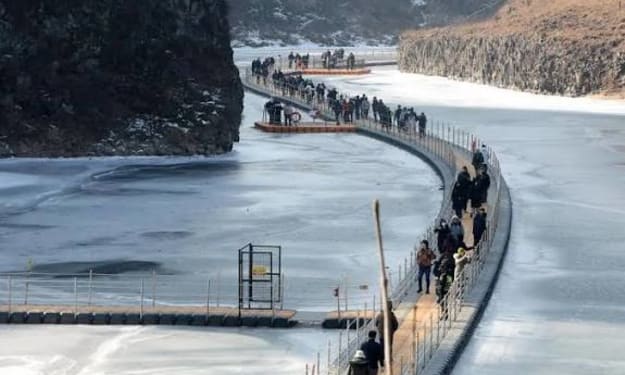
Cold Wave Tightens Grip in South Korea as Temperatures Hit Minus 24°C. AI-Generated.
South Korea is currently experiencing a severe cold wave, with temperatures plunging to as low as minus 24 degrees Celsius in some regions. This extreme weather has triggered alerts from authorities, disrupted daily life, and created dangerous conditions for residents, particularly the elderly and those living in rural areas. Meteorologists warn that the cold snap could continue for several days, and citizens are being urged to take precautions to protect their health and property. Record-Low Temperatures Sweep Across the Country The Korean Meteorological Administration (KMA) has reported record-low temperatures in northern and central regions, including areas such as Gangwon Province and Seoul. Frostbite and hypothermia risks are high as the bitter cold lingers, especially during the early morning hours. Residents have reported frozen pipes, heavy snow accumulation in some areas, and icy roads, making commuting and travel hazardous. Government Response and Safety Measures South Korean authorities have issued a range of emergency warnings and advisories to minimize the impact of the cold wave: Schools: Some schools have delayed opening or switched to online classes in affected areas. Transportation: Road authorities have warned drivers about icy roads and advised the use of snow tires and caution while driving. Public Services: Emergency shelters and warming centers have been opened for vulnerable populations. Utilities: Local governments are monitoring heating and electricity supplies to prevent outages. Officials are urging citizens to dress warmly, limit outdoor activities, and check on elderly neighbors or relatives. Health Risks Associated With Extreme Cold The extreme temperatures pose serious health risks, particularly for certain groups: Elderly people are more susceptible to hypothermia and cardiovascular problems. Children can experience cold-related illnesses such as frostbite. Outdoor workers face higher exposure to cold stress, requiring protective gear and frequent breaks. Medical professionals recommend layered clothing, staying indoors when possible, and maintaining proper hydration. Additionally, avoiding alcohol and smoking can help the body regulate temperature more effectively. Disruption to Daily Life The cold wave has already begun to affect daily routines and infrastructure: Transportation delays: Trains, buses, and flights have faced cancellations due to icy conditions. School closures: In some provinces, students are attending virtual classes to avoid travel in unsafe conditions. Economic impact: Small businesses, especially street vendors and markets, are reporting lower customer turnout and disruption of supply chains. Experts warn that prolonged cold waves could have a more significant economic effect, especially if essential services are interrupted. Meteorological Causes of the Cold Wave Meteorologists explain that the extreme cold in South Korea is being caused by a combination of factors: Arctic air mass: Cold air from Siberia has moved southward, bringing frigid temperatures. High-pressure system: A stable high-pressure system over East Asia has allowed cold air to settle and remain in place. Low sunlight hours: Short winter days reduce the warming effect of the sun, intensifying the cold. These conditions are expected to continue for several days, with some forecasts warning of temperatures remaining below minus 20°C in northern regions. Advice for Travelers and Residents Authorities and experts have issued several practical tips for staying safe during the cold wave: Stay indoors whenever possible, especially during early mornings and evenings. Wear layers of clothing, covering hands, feet, and head. Check heating systems at home and ensure proper ventilation for safety. Avoid driving on icy roads unless absolutely necessary. Keep emergency kits ready, including blankets, food, and water. Travelers in South Korea are advised to monitor local weather updates and plan their journeys accordingly. Broader Implications of Severe Cold This cold wave highlights the vulnerability of urban and rural populations to extreme weather events. Experts point out that climate variations can lead to: Increased energy consumption for heating Greater pressure on healthcare services Infrastructure challenges, such as frozen pipes and road hazards Residents are encouraged to prepare in advance and for policymakers to consider long-term strategies for cold-weather resilience. Conclusion As South Korea faces one of its harshest cold waves in recent years, temperatures hitting minus 24°C have raised alarms across the country. While authorities continue to provide guidance and emergency services, residents are urged to take personal precautions seriously to avoid health risks and accidents. This cold spell serves as a reminder of how extreme weather can disrupt daily life, affect health, and challenge infrastructure. With proper awareness, preparation, and caution, South Koreans can navigate this severe winter safely.
By Fiaz Ahmed 28 days ago in Longevity
Trump Launches ‘Board of Peace’ With Signing Ceremony in Davos. AI-Generated.
Former U.S. President Donald Trump has once again drawn global attention after announcing the launch of a new initiative called the “Board of Peace”, unveiled during a signing ceremony in Davos. The announcement, made on the sidelines of the World Economic Forum, has sparked widespread discussion among political leaders, analysts, and the public. Supporters describe the move as an effort to promote diplomacy and dialogue, while critics question its intent, timing, and potential impact. Regardless of opinion, the launch marks a significant moment in Trump’s continued engagement with global affairs. What Is the ‘Board of Peace’? The Board of Peace is presented as an advisory body aimed at encouraging conflict resolution, diplomatic engagement, and global stability. According to statements surrounding the launch, the board is expected to bring together: Former political leaders Diplomats Policy experts Business and security advisors The initiative claims to focus on peacebuilding through negotiation rather than confrontation, a message that Trump emphasized during the signing ceremony. While detailed information about the board’s structure and authority remains limited, its symbolic launch at Davos has ensured maximum international visibility. Why Davos Matters Davos is known as a global meeting point where political, economic, and business leaders gather to discuss pressing world issues. By choosing this venue, Trump positioned the Board of Peace within a global conversation on security, economics, and international cooperation. The setting added weight to the announcement, signaling that the initiative is intended to: Reach a global audience Influence international dialogue Engage both political and economic stakeholders The choice of Davos has also fueled debate over whether the move was strategic branding or a serious diplomatic effort. Trump’s Message at the Ceremony During the signing ceremony, Trump spoke about what he described as missed opportunities for peace in recent years. He argued that strong leadership combined with direct dialogue could prevent prolonged conflicts. Key themes from his remarks included: The importance of negotiation Criticism of long-standing conflicts Calls for “results-driven diplomacy” Trump framed the Board of Peace as a platform for practical solutions rather than symbolic gestures, a message that resonated with some attendees while raising skepticism among others. Supporters See a Diplomatic Opportunity Supporters of the initiative argue that Trump’s approach to diplomacy has always focused on direct engagement and deal-making. They believe the Board of Peace could: Encourage new diplomatic channels Bring non-traditional voices into peace discussions Offer alternative approaches to long-standing disputes Some analysts suggest that even if the board has limited formal power, it could still shape conversations and influence opinion, especially if it includes respected international figures. Critics Raise Concerns Critics, however, have raised several questions about the initiative. Their concerns include: Lack of transparency about the board’s role Unclear funding and governance Whether it is more symbolic than effective Others argue that peace initiatives require long-term institutional support, not just high-profile announcements. Some observers also view the timing as politically motivated, suggesting it may align with broader strategic goals rather than purely diplomatic ones. The Broader Political Context Trump remains one of the most influential and polarizing figures in global politics. Any initiative he launches is likely to be viewed through a political lens. The Board of Peace comes at a time when: Global conflicts remain unresolved Diplomatic institutions face criticism Public trust in political leadership is strained In this environment, even symbolic gestures can have an impact—either by sparking dialogue or deepening division. Potential Impact on Global Dialogue While it is too early to judge the effectiveness of the Board of Peace, its launch has already succeeded in one area: drawing attention to the topic of peace and diplomacy. If the board: Engages credible experts Promotes open dialogue Maintains transparency It could play a role in shaping discussions around conflict resolution. If not, it risks being remembered as a headline-driven moment rather than a lasting institution. Public and Media Reaction Media reaction has been mixed. Some outlets focused on the symbolism of launching a peace initiative at Davos, while others highlighted the lack of concrete details. Public response has also varied: Supporters praised the focus on peace Critics questioned credibility Neutral observers called for patience before judgment This range of reactions reflects Trump’s ongoing ability to dominate global headlines, regardless of context. Conclusion The launch of the Board of Peace with a signing ceremony in Davos marks another chapter in Donald Trump’s global political presence. While supporters see it as a bold step toward renewed diplomacy, critics remain cautious, pointing to unanswered questions about its purpose and impact. Whether the Board of Peace becomes a meaningful platform or remains a symbolic gesture will depend on its actions, leadership, and long-term commitment. For now, it has successfully reignited debate about how peace initiatives should be formed—and who should lead them—in an increasingly complex world.
By Fiaz Ahmed 28 days ago in The Swamp
David Stevenson: A Historian Who Helped the World Understand War and Peace. AI-Generated.
David Stevenson is a respected historian whose work has helped readers better understand modern warfare, diplomacy, and the causes of global conflict. Known especially for his research on World War I, Stevenson has spent decades studying how wars begin, how they are fought, and how they shape societies long after the fighting ends. Through careful research and clear writing, he has made complex historical events easier to understand for students, scholars, and general readers alike. Who Is David Stevenson? David Stevenson is a British historian recognized for his deep knowledge of European history and international relations. He has taught at leading universities and written widely on topics related to war, peace, and diplomacy. Rather than focusing only on battles and military leaders, Stevenson looks at the bigger picture. His work explores: Political decisions behind wars Economic pressures Diplomatic failures Social and global consequences This broad approach has made his research influential in both academic and public discussions. Focus on World War I David Stevenson is best known for his studies of World War I, one of the most important and devastating conflicts in modern history. His work examines why the war began, how it expanded so quickly, and why it lasted longer than many expected. He has helped readers understand that World War I was not caused by a single event. Instead, it resulted from: Long-standing political rivalries Military alliances Nationalism Diplomatic breakdowns By explaining these factors clearly, Stevenson shows how small decisions can lead to massive consequences. Making History Accessible One of Stevenson’s greatest strengths is his ability to communicate complex ideas in a clear and structured way. His books and lectures are valued because they: Use clear language Avoid unnecessary jargon Connect historical events to real human experiences This approach has made his work popular not only with historians, but also with students and readers who want to understand history without feeling overwhelmed. War, Peace, and Responsibility A recurring theme in David Stevenson’s work is the relationship between war and peace. He explores how wars end, how peace is negotiated, and why lasting peace is often difficult to achieve. He emphasizes that: Wars do not end simply because fighting stops Peace requires planning, compromise, and cooperation Poorly managed peace agreements can lead to future conflicts These insights remain highly relevant in today’s world, where international tensions continue to shape global politics. Why His Work Still Matters Today Although much of Stevenson’s research focuses on events from the past, his conclusions feel very modern. His work helps readers understand: How political systems fail Why diplomacy matters The long-term cost of conflict In a world where international disputes continue to dominate headlines, Stevenson’s research reminds us that history offers valuable lessons—if people are willing to learn from it. Teaching and Academic Influence Beyond writing, David Stevenson has played an important role as an educator. Through teaching and mentoring, he has influenced: University students Young historians Researchers in international history Many of his students have gone on to study war, peace, and diplomacy themselves, continuing the cycle of historical understanding. A Balanced Historical Perspective What sets Stevenson apart is his balanced approach. He avoids simple explanations or assigning blame to a single group. Instead, he encourages readers to see history as: Complex Shaped by many forces Influenced by human choices This balanced view helps readers think critically and avoid oversimplified narratives. Lessons for Modern Readers From David Stevenson’s work, modern readers can take away several important lessons: Major conflicts often grow from small decisions Diplomacy is as important as military strength Understanding history helps prevent repeated mistakes Peace requires long-term commitment These lessons make his work valuable far beyond academic circles. Conclusion David Stevenson’s contribution to historical understanding lies in his ability to connect past events with present realities. Through his careful research and thoughtful analysis, he has shown how wars begin, how they unfold, and why their effects last for generations. By studying conflict with honesty and depth, Stevenson reminds readers that history is not just about the past—it is a guide for the future. His work continues to inspire critical thinking, encourage peaceful solutions, and deepen our understanding of a complex world.
By Fiaz Ahmed 28 days ago in Longevity
FCC Reserves Verdict on Case Related to Ban on Imports From India. AI-Generated.
by business groups and traders who argue that it hurts domestic industries, limits consumer choices, and raises prices. The case brought before the FCC revolves around several key issues:
By Fiaz Ahmed 28 days ago in Longevity
8 Things the Happiest People Over 70 Do Every Single Day That Keep Them Feeling Young. AI-Generated.
Growing older does not mean slowing down emotionally or losing joy in life. In fact, many of the happiest people over 70 often say they feel younger now than they did years ago. Their secret is not expensive treatments or extreme fitness routines. Instead, it lies in simple daily habits that support mental, emotional, and physical well-being.
By Fiaz Ahmed 28 days ago in Longevity
PTA Wrote to X Three Times Seeking Closure of Imran Khan’s X Account Over the Past 3.5 Years. AI-Generated.
Pakistan’s digital governance has once again come into the spotlight following revelations that the Pakistan Telecommunication Authority (PTA) contacted X (formerly Twitter) multiple times over the past three and a half years, seeking the closure of former Prime Minister Imran Khan’s X account. The disclosure has sparked renewed debate about freedom of expression, political speech, and the regulation of social media platforms in Pakistan. As social media continues to shape political narratives, the issue highlights the growing tension between state regulation and digital rights. Background of the Requests According to official sources, the PTA wrote to X three separate times over the last 3.5 years, requesting action against Imran Khan’s verified account. The communications reportedly cited concerns related to content guidelines, misinformation, and public order. Imran Khan, leader of the Pakistan Tehreek-e-Insaf (PTI), has remained one of the most influential political voices on social media, even during periods of political uncertainty and legal challenges. His X account has been used to: Share political statements and policy positions Address supporters directly Comment on national and international developments This influence has made his digital presence a highly sensitive issue for regulators and authorities. PTA’s Role in Digital Regulation The Pakistan Telecommunication Authority is responsible for monitoring and regulating telecommunications and internet services in the country. Over the years, PTA has taken action against: Content deemed unlawful Accounts accused of spreading misinformation Platforms that allegedly violate Pakistan’s digital laws Officials argue that their requests to X were made under existing legal frameworks, emphasizing the need to maintain public order and prevent the spread of harmful or misleading content. However, critics say the repeated requests raise concerns about selective enforcement and political pressure. X’s Response and Platform Policy X, like other global social media platforms, operates under its own content moderation policies, which are applied worldwide. While the company may comply with local laws in some cases, it also balances: Free speech principles User rights International standards on expression There has been no public confirmation that X agreed to permanently suspend or close Imran Khan’s account following PTA’s requests. In fact, his account has remained active for most of the period in question, suggesting that X either rejected or limited compliance with the requests. This reflects the broader challenge faced by governments when dealing with international tech platforms that are not fully subject to domestic control. Political and Public Reactions News of the PTA’s repeated letters has drawn strong reactions from various quarters. Supporters of Imran Khan PTI supporters view the requests as an attempt to silence political opposition. They argue that: Social media remains one of the few platforms for uncensored political expression Restricting accounts undermines democratic discourse Digital spaces should remain open for debate and dissent Government and Regulatory Perspective On the other hand, supporters of regulation stress that: No individual should be above the law Social media content can influence public order Authorities have a responsibility to act when content crosses legal limits This divide reflects Pakistan’s deeply polarized political environment, where digital platforms play a central role. Freedom of Expression vs. Regulation The case has reignited a broader conversation about freedom of expression in the digital age. Social media has become a powerful political tool, but it also raises concerns about: Fake news and misinformation Incitement and hate speech National security implications Human rights advocates argue that account closures should be a last resort, used only in extreme cases and through transparent legal processes. They warn that repeated requests without clear public justification could lead to self-censorship and erosion of democratic values. The Global Context Pakistan is not alone in facing these challenges. Governments around the world have struggled to regulate social media platforms while respecting free speech. Similar disputes have emerged in: India Turkey Brazil Several European countries These cases highlight a global trend where states seek greater control over digital narratives, while tech companies resist blanket censorship. What This Means for Pakistan’s Digital Future The disclosure that PTA contacted X three times over several years points to an ongoing struggle over digital authority. Key implications include: Increased scrutiny of political speech online Pressure on social media companies to comply with local demands Growing public awareness of digital rights Possible legal reforms related to online regulation As Pakistan’s population becomes increasingly connected, the outcome of such disputes may shape how politics, activism, and expression function online. Conclusion The revelation that the PTA sought the closure of Imran Khan’s X account three times over 3.5 years underscores the evolving battle between state authority and digital freedom. While regulators insist they are acting within the law, critics warn that repeated attempts to restrict a major political voice risk undermining democratic principles. As social media continues to influence public opinion and political engagement, Pakistan faces a critical question: How can it balance regulation with the right to free expression in an increasingly digital society? The answer will likely define the country’s online landscape for years to come.
By Fiaz Ahmed 28 days ago in Geeks
‘There Is a Sense of Things Careening Towards a Head’: TS Eliot Prize Winner Karen Solie. AI-Generated.
Karen Solie, the award-winning poet and TS Eliot Prize winner, has long been celebrated for her insightful exploration of human experience and contemporary life. Recently, she spoke about a feeling that pervades her work today: “a sense of things careening towards a head.” This statement captures both the urgency and tension present in her poetry, and offers a window into the mindset of one of today’s most influential literary voices. Solie’s reflections remind readers that poetry is not only about beauty or rhythm—it is a mirror for societal anxieties, personal contemplation, and the unpredictable nature of life. Who Is Karen Solie? Karen Solie is a Canadian poet whose work has won critical acclaim and numerous awards, including the prestigious TS Eliot Prize. Her poems are known for: Evocative language that paints vivid landscapes and emotions Reflection on social, political, and environmental issues Subtle commentary on the human condition Solie often blends observation with introspection, creating works that resonate with both emotion and intellect. Her poetry is widely studied and continues to influence a new generation of readers and writers. Understanding Her Statement The phrase “a sense of things careening towards a head” conveys tension, urgency, and anticipation. Solie explained that it reflects her perception of the world as both fragile and unpredictable. In her view: Events and emotions can escalate quickly, often beyond our control Social and environmental challenges add to a collective feeling of unease Poetry serves as a way to observe, interpret, and reflect on these accelerating moments In interviews, Solie emphasizes that this perspective is not doom and gloom—it is a call to pay attention, to witness, and to think critically about the paths we are on. Poetry as Reflection of the World Karen Solie’s work has long been praised for its connection to reality. Unlike purely abstract poetry, her writing often engages with: The natural environment, from forests to urban landscapes Societal shifts, such as economic pressure, political tension, and cultural change Personal experiences, weaving intimate reflection into larger contexts By describing life as “careening,” Solie acknowledges the chaotic yet patterned nature of existence. Her poetry encourages readers to pause, reflect, and notice the small and large forces shaping their lives. Examples from Her Work In many of Solie’s collections, the theme of mounting tension is apparent. Critics note how she: Explores moments of uncertainty, where seemingly small events lead to dramatic consequences Captures the fragility of human connections in a fast-paced world Uses language rhythm and structure to reflect the unpredictability she observes This stylistic approach aligns with her recent comment, giving her audience a direct lens into the psychological and social layers of her poetry. Why This Matters Today In a world filled with rapid change—whether political, environmental, or personal—the feeling of “things careening towards a head” resonates with many. Solie’s poetry: Reflects the modern experience of uncertainty and acceleration Encourages readers to observe, question, and interpret rather than passively accept Provides a space for emotional processing, giving language to feelings that are often hard to articulate Her work reminds us that poetry is not only aesthetic but deeply engaged with life, serving as both warning and meditation. Interviews and Public Commentary In recent interviews, Solie discussed how her writing has evolved over time. She explained that, while she has always observed the world with care, current times amplify the feeling of escalation and urgency. She also noted: Poetry allows her to navigate uncertainty and organize thoughts Sharing work publicly is a way to connect with readers facing similar challenges The statement about careening is a reflection, not a prediction, offering insight rather than fear This approach has made her work especially relevant in today’s cultural climate, where readers are searching for clarity and emotional resonance. The Role of the TS Eliot Prize Winning the TS Eliot Prize has elevated Solie’s profile internationally. The prize: Recognizes outstanding poetry collections Brings attention to poets with distinct voices and perspectives Encourages global readers to engage with contemporary poetry For Solie, the recognition is significant, but she emphasizes that the work itself—the poems—remains central. The feeling she describes is inseparable from her creative practice, reminding audiences that great poetry often emerges from observing the world deeply. Takeaways for Readers and Writers Karen Solie’s reflection on “things careening towards a head” offers several lessons: Observe carefully – Pay attention to the details and patterns in life. Express honestly – Use language to articulate complex feelings and observations. Balance urgency with reflection – Recognize escalating situations, but maintain perspective. Engage with the world – Poetry is a tool for connecting personal insight with societal currents. For aspiring writers, Solie demonstrates that poetic voice thrives when it captures both the inner and outer worlds with clarity and empathy. Conclusion Karen Solie’s recent statement highlights a core truth of her work and life philosophy: the world is accelerating, moments of tension are inevitable, and poetry offers a lens through which to understand, reflect, and communicate these experiences. Her work, recognized with the TS Eliot Prize, reminds readers that attention, reflection, and creative expression are essential tools for navigating a complex world. In a society often rushing toward uncertainty, Solie’s words encourage us to pause, observe, and consider the paths we are traveling—both individually and collectively. For readers and writers alike, her insight is both a warning and an invitation: to notice the world careening around us, and to respond thoughtfully through reflection, observation, and art.
By Fiaz Ahmed 28 days ago in Poets
Heavy Snow Expected Starting Late Tonight: Authorities Issue Alerts Across the Region. AI-Generated.
Weather officials have issued official alerts warning of heavy snow beginning late tonight, with the potential for travel disruptions, power outages, and dangerous road conditions. Residents across affected areas are advised to prepare for significant snowfall and stay updated on developments as the storm approaches.
By Fiaz Ahmed 28 days ago in Longevity
Amitabh Bachchan Wouldn’t Allow Anyone from the Industry at His Home After 8 PM, Kept That Balance Between Work and Family Life, Says His Co-Star. AI-Generated.
Amitabh Bachchan is not just one of India’s most legendary actors; he is also known for his discipline, professionalism, and commitment to his family. A recent statement from one of his co-stars has revealed a fascinating detail about how Big B maintained a strict boundary between his work and personal life—something many in the film industry find difficult to achieve. According to the co-star, Amitabh Bachchan wouldn’t allow anyone from the film industry to visit his home after 8 PM, no matter how close the relationship. This rule reflects a side of the superstar that fans rarely see: a man who fiercely protects his family time, even while juggling an incredibly busy career. Amitabh Bachchan: The Work-Life Balance Icon The Bollywood industry is notorious for long hours, late-night shoots, and endless socializing. In such an environment, personal life often takes a backseat. However, Amitabh Bachchan has managed to maintain a remarkable balance. His co-star explained that this 8 PM rule was not meant to discourage friendships or professional relationships. Instead, it was a way for him to prioritize family, meals, and relaxation at the end of a long day. The actor has always emphasized that family comes first, and his home is a sanctuary away from the glitz and demands of Bollywood. A Family Man at Heart Big B’s commitment to family is well-known. Over the years, he has often spoken about the importance of spending time with his children, grandchildren, and wife, Jaya Bachchan. Despite the immense pressure and fame, he has always made sure that his personal life is structured and respected. By setting such boundaries, Amitabh ensured that: He could have quality time with his family Personal routines like meals and reading were not interrupted His children felt secure and grounded despite the limelight This approach has often been cited as one of the reasons for the strong family bond that the Bachchans share. The Co-Star’s Perspective The co-star, who has worked closely with Amitabh on multiple projects, recalled how strict yet respectful he was about this rule. Even close friends and colleagues knew not to cross the 8 PM limit. The co-star emphasized that Big B’s professionalism extended beyond work—it was about creating a life that allowed both career success and personal well-being. This attitude is rare in the film industry, where late-night visits, parties, and gatherings are often considered part of the culture. Amitabh’s choice highlights that success doesn’t have to come at the cost of family or health. Lessons from Amitabh Bachchan’s Discipline Amitabh’s 8 PM rule is more than just a quirky habit—it’s a lesson in work-life balance that applies to everyone, not just celebrities. In today’s fast-paced world, people often struggle to separate work from personal time, leading to stress and burnout. Amitabh’s example teaches that: Boundaries are essential – Saying “no” at certain times preserves mental and emotional health. Family comes first – Even with a demanding career, personal relationships deserve priority. Consistency matters – Rules work only when they are consistently followed. Professional respect goes both ways – Colleagues understood and respected his boundaries, which strengthened relationships. Big B’s Life Beyond Work Outside of his professional commitments, Amitabh is known for reading, writing, and engaging in philanthropy. He frequently shares updates about his family and daily life on social media, giving fans glimpses into his private, balanced lifestyle. The 8 PM rule is part of a broader pattern: despite fame, he chooses structure, prioritization, and mindfulness. It’s a reminder that even the busiest lives can accommodate peaceful personal time. Why Fans Admire Him Even More Fans of Amitabh Bachchan often focus on his powerful performances and commanding screen presence. However, stories like this show another side: a man who is grounded, disciplined, and devoted to his family. For many, this reinforces why Amitabh is not just a superstar, but also a role model for life outside the spotlight. His co-star’s revelation adds a human touch, showing that even legends need and enforce personal boundaries. The Takeaway Amitabh Bachchan’s decision to keep industry friends away from his home after 8 PM may seem small, but it reflects a larger philosophy. He demonstrates that personal well-being and family relationships are just as important as professional success. In an era where work often spills over into every hour of the day, Amitabh’s approach serves as a valuable example for all. By creating clear boundaries, respecting personal time, and prioritizing family, he shows that balance is possible even in the most demanding careers. Conclusion Amitabh Bachchan is a living legend, not just for his contributions to cinema, but for the way he navigates life with discipline and care. The 8 PM rule is a small but powerful insight into how he manages fame, relationships, and personal space. As his co-star observed, this balance between work and family life is part of what makes Amitabh Bachchan truly remarkable—not just a star on screen, but a man who values life beyond the limelight. For aspiring actors, professionals, and fans alike, his example offers a lesson in discipline, respect, and the importance of family. In the end, it’s not just talent or fame that defines greatness—it’s the ability to live a balanced, meaningful life.
By Fiaz Ahmed 28 days ago in Geeks
Alert Issued as Pakistan Braces for Widespread Rains Today. AI-Generated.
An official weather alert has been issued as Pakistan prepares for widespread rainfall today, with authorities warning of possible urban flooding, travel disruption, and safety risks in several regions. The system, driven by moist air currents and changing weather patterns, is expected to affect major cities as well as rural areas. Officials are urging citizens to stay informed, avoid unnecessary travel, and take precautionary steps as the country faces another episode of intense weather. What the Weather Alert Says According to meteorological authorities, rain is expected to begin early today and continue through the day in many parts of the country. Some regions may experience moderate to heavy rainfall, while others could see thunderstorms accompanied by gusty winds. The alert highlights risks such as: Water accumulation in low-lying areas Reduced visibility on roads Possible landslides in hilly regions Temporary power disruptions While rain is a welcome relief in some areas, officials warn that sudden downpours can quickly create dangerous conditions. Regions Likely to Be Affected Widespread rainfall is forecast across several provinces, including: Punjab, where urban flooding is a concern in major cities Sindh, particularly in coastal and lower-lying districts Khyber Pakhtunkhwa, where hilly terrain raises landslide risks Balochistan, where rain may disrupt travel and daily routines Major urban centers are also expected to feel the impact, with drainage systems likely to be tested during periods of heavy rain. Impact on Daily Life and Travel Rainfall on this scale can significantly disrupt everyday life. Road Conditions Wet roads, standing water, and slippery surfaces increase the risk of traffic accidents. Authorities advise drivers to: Reduce speed Maintain safe distances Avoid flooded streets Follow traffic updates Motorcyclists and pedestrians are especially vulnerable during heavy rain. Public Transport Delays are expected on roads and public transport routes. In some areas, services may be suspended if conditions worsen. Air and rail travel could also face delays, depending on weather intensity and visibility. Urban Flooding Concerns Urban flooding remains a serious concern in many Pakistani cities due to: Aging drainage infrastructure Blocked stormwater systems Rapid and unplanned urban development Even short periods of heavy rain can overwhelm drains, causing water to collect on streets and enter homes and shops. Local authorities have placed emergency teams on standby to respond to complaints and clear blockages. Risks in Rural and Hilly Areas In rural regions, rainfall can damage crops, unpaved roads, and homes made from weaker materials. Farmers are advised to take steps to protect stored produce and livestock. In northern and hilly areas, rain increases the risk of: Landslides Flash floods Road closures Residents in these regions are encouraged to remain cautious and avoid travel during peak rainfall hours. Power and Infrastructure Preparedness Heavy rain and thunderstorms can put pressure on electricity and communication systems. Power outages may occur if: Trees fall on power lines Equipment is damaged by water Strong winds disrupt connections Citizens are advised to: Charge mobile phones in advance Keep flashlights and backup power ready Report downed power lines immediately Health and Safety Advice Health experts remind the public that rain-related hazards go beyond flooding. To stay safe: Avoid walking through standing water Keep children away from open drains Drink clean, safe water Watch for signs of waterborne illness Mosquito breeding can also increase after rainfall, making preventive measures important in the days that follow. Why Weather Alerts Matter Weather alerts are issued to reduce risk and save lives. Ignoring warnings can lead to avoidable accidents and emergencies. Authorities emphasize that preparation does not require panic—only awareness and simple steps, such as: Staying updated through official channels Planning travel carefully Securing outdoor items Checking drainage around homes Being informed helps communities respond calmly and effectively. Climate Patterns and Changing Weather Experts note that Pakistan has been experiencing more frequent and intense weather events in recent years. Sudden heavy rains, heatwaves, and storms are becoming less predictable. While today’s rain is part of seasonal patterns, changing climate conditions may be contributing to greater variability and intensity, making early warnings more important than ever. Final Thoughts As Pakistan braces for widespread rains today, the message from authorities is clear: stay alert, stay informed, and prioritize safety. While rain brings relief to dry regions, it also carries risks that require caution and preparedness. With timely action and public cooperation, the impact of severe weather can be reduced. Simple precautions—avoiding flooded roads, following official guidance, and looking out for vulnerable neighbors—can make a meaningful difference. The rain may pass, but responsible response today can help prevent lasting damage tomorrow.
By Fiaz Ahmed 28 days ago in Longevity
The Great Race for the Arctic: Why Russia, China and the US All Have It in Their Sights. AI-Generated.
The Arctic is no longer just a frozen wasteland at the top of the world. Today, it has become a hotspot for global competition, attracting the attention of some of the world’s biggest powers: Russia, China, and the United States. As melting ice opens new shipping routes and exposes untapped natural resources, these nations are racing to secure influence in a region that could shape the future of geopolitics, trade, and energy. Why the Arctic Matters The Arctic is important for several reasons: Natural Resources – The region contains vast oil and gas reserves, as well as rare minerals crucial for modern technology. Experts estimate that the Arctic could hold 13% of the world’s undiscovered oil and 30% of its natural gas. Shipping Routes – As ice melts due to climate change, new passages like the Northern Sea Route and the Northwest Passage are becoming navigable. These routes could cut travel time between Asia and Europe by weeks, offering major economic advantages. Military and Strategic Positioning – The Arctic provides a unique vantage point for monitoring global military activity. Control over the region could give nations strategic leverage in both defense and trade. The combination of resources, strategic position, and new shipping routes has made the Arctic a prize worth competing for. Russia’s Arctic Ambitions Russia has been the most active player in the Arctic for decades: It has expanded its military presence, building airfields, radar stations, and icebreakers. Russia controls a vast portion of the Arctic coastline, giving it the advantage of established ports and infrastructure. Energy companies backed by the state are investing heavily in oil, gas, and mineral extraction in the region. Russia sees the Arctic as both an economic opportunity and a security priority. Its actions signal a clear intention to assert dominance over the region before other powers can catch up. China’s Arctic Strategy China is not an Arctic nation by geography, but it has made its ambitions clear: Beijing calls itself a “Near-Arctic State”, emphasizing its interest in shipping and resource access. China is investing in scientific research, Arctic ports, and partnerships with Arctic nations. The country sees the Northern Sea Route as a potential shortcut for trade between Asia and Europe, which could reduce shipping costs and fuel consumption. China’s approach is more economic and diplomatic, relying on partnerships and research projects rather than direct territorial claims. Still, its growing presence is reshaping the Arctic’s geopolitical landscape. The United States in the Arctic The US has long been an Arctic power, primarily through Alaska. Its strategy focuses on defense, environmental monitoring, and trade routes: The US Coast Guard maintains icebreakers and patrol ships to ensure security and maintain shipping lanes. Washington emphasizes freedom of navigation, aiming to prevent any single nation from dominating Arctic waters. Military exercises and collaborations with NATO allies aim to protect strategic interests and respond to potential conflicts. The US sees the Arctic as a region of both opportunity and responsibility, balancing security, environmental concerns, and international cooperation. The Race for Control The Arctic race is about more than natural resources. It is a complex competition of economics, diplomacy, and military positioning: Russia moves aggressively, building military infrastructure and exploiting resources. China invests in research, shipping, and partnerships, gaining influence without formal territorial claims. The US maintains a defensive posture, securing its territory and ensuring freedom of navigation. This “race” is unlike traditional conflicts. It is less about open warfare and more about strategic positioning, economic investment, and diplomatic influence. Environmental and Global Concerns The Arctic is fragile and sensitive to climate change. While melting ice opens opportunities, it also poses risks to wildlife, local communities, and global weather patterns: Rising temperatures accelerate ice melt, threatening polar bears, seals, and indigenous communities. Increased shipping and resource extraction could lead to oil spills, pollution, and habitat loss. Global climate patterns, including storms and ocean currents, could be disrupted by rapid Arctic changes. Nations are under pressure to balance ambition with environmental responsibility, though economic incentives often outweigh conservation efforts. What This Means for the Future The Arctic is likely to remain a geopolitical hotspot for decades. Key developments to watch include: Expansion of shipping routes that shorten travel times and reduce costs. Increased resource extraction, including oil, gas, and rare minerals. Rising military presence, as countries protect their interests and assert sovereignty. Scientific research collaborations, which could shape policy and environmental practices. The Arctic will not just be a frozen frontier — it will be a center of economic, strategic, and environmental importance. Key Takeaways The Arctic is valuable for its resources, trade routes, and strategic position. Russia, China, and the US are all investing heavily to secure influence. The race is a mix of military, economic, and diplomatic maneuvering. Climate change both enables and threatens these ambitions. How nations navigate this competition will impact global trade, security, and the environment. Conclusion The Arctic is no longer just an icy, remote region — it has become a frontline of global strategy. Russia, China, and the United States are all jockeying for influence, using a combination of military, economic, and scientific tools. As ice melts and new opportunities emerge, the Arctic will play a critical role in global geopolitics. How these powers manage competition, environmental responsibility, and cooperation could shape the region — and the world — for generations to come. The great race for the Arctic is not a story of war, but a story of ambition, strategy, and survival at the top of the world.
By Fiaz Ahmed 28 days ago in Longevity