Fiaz Ahmed
Bio
I am Fiaz Ahmed. I am a passionate writer. I love covering trending topics and breaking news. With a sharp eye for what’s happening around the world, and crafts timely and engaging stories that keep readers informed and updated.
Stories (1071)
Filter by community
Greenland in Uproar After Researchers Call for Orca Cull to Protect Fragile Arctic Ecosystem. AI-Generated.
Greenland is facing an unexpected and heated debate over the future of one of the Arctic’s most iconic predators. A recent study by a team of marine researchers has sparked outrage by suggesting that an orca cull may be necessary to preserve the fragile Arctic ecosystem. While scientists argue that the intervention could protect vulnerable species and maintain ecological balance, local communities, conservationists, and animal rights activists have reacted with alarm, calling the proposal both unnecessary and ethically troubling.
By Fiaz Ahmed about a month ago in Longevity
Storm Goretti Wreaks Havoc Across the UK — As It Happened. AI-Generated.
The United Kingdom faced one of its most disruptive winter storms in recent years as Storm Goretti swept across the nation, bringing heavy rain, strong winds, and freezing conditions. From northern Scotland to southern England, communities grappled with transport chaos, power outages, and warnings from authorities urging people to stay indoors. Here’s a detailed look at the storm’s impact as it unfolded.
By Fiaz Ahmed about a month ago in Earth
Priyanka Chopra Jonas Announced as Presenter at Golden Globes 2026, Alongside George Clooney, Julia Roberts, Mila Kunis, and More. AI-Generated.
In a dazzling announcement that has already sent ripples through Hollywood and global entertainment circles, Priyanka Chopra Jonas has been confirmed as one of the presenters at the 2026 Golden Globe Awards. Joining her on the star-studded lineup are industry heavyweights George Clooney, Julia Roberts, Mila Kunis, and several other renowned actors, signaling a ceremony that promises glamour, excitement, and memorable moments. Priyanka Chopra Jonas: From Bollywood to Hollywood Icon Priyanka Chopra Jonas’s inclusion in the Golden Globes 2026 presenter lineup is a reflection of her remarkable journey in the entertainment industry. Rising to fame in Bollywood with award-winning performances, Chopra Jonas successfully transitioned to Hollywood, making her mark in both television and film. Her critically acclaimed roles in projects such as Quantico and Citadel, coupled with her impactful advocacy for gender equality and global humanitarian causes, have cemented her status as a global icon. Her presence at the Golden Globes is particularly significant for representation in Hollywood. Chopra Jonas has consistently broken barriers for actors of South Asian descent in the American entertainment industry. As a presenter, she will bring her unique charisma, international appeal, and poise to one of Hollywood’s most prestigious award ceremonies, inspiring fans worldwide. A Star-Studded Presenter Lineup The Golden Globes 2026 is shaping up to be one of the most memorable ceremonies in recent years, thanks to the impressive roster of presenters. George Clooney, a multiple-time Golden Globe winner and celebrated actor-director, brings decades of cinematic experience and suave charm. Julia Roberts, another Hollywood legend, is expected to bring her iconic charisma and humor to the stage, while Mila Kunis, known for her versatility in both film and television, will add a modern touch to the proceedings. Other stars rumored to be on the presenting roster include a mix of veteran actors, emerging talent, and international stars, highlighting the global appeal of the Golden Globes. This diversity in presenters not only reflects Hollywood’s evolving inclusivity but also ensures that the ceremony resonates with audiences worldwide. The Significance of the Golden Globes The Golden Globe Awards are renowned for celebrating excellence in film and television. Organized by the Hollywood Foreign Press Association (HFPA), the ceremony honors achievements across a range of categories, including Best Motion Picture, Best Actor and Actress, and Best Television Series. Presenters play a crucial role in maintaining the ceremony’s energy, charm, and entertainment value, often delivering memorable monologues, humorous banter, and heartfelt moments. Priyanka Chopra Jonas’s role as a presenter is symbolic of the increasing globalization of Hollywood. Her international background and cross-cultural influence highlight the industry’s recognition of talent beyond traditional borders. As audiences from around the world tune in, Chopra Jonas will represent not just her personal achievements but also the growing presence of South Asian actors in mainstream Western entertainment. Anticipation and Fan Excitement Fans of Priyanka Chopra Jonas and the other presenters have taken to social media to express their excitement. Memes, predictions, and fan reactions are already trending, reflecting the cultural impact of the announcement. Fans are particularly eager to see how Chopra Jonas will engage with her co-presenters, especially icons like George Clooney and Julia Roberts, and what unique flair she will bring to the Golden Globes stage. The announcement also sparks conversations about fashion, style, and red carpet moments. Chopra Jonas is known for her impeccable fashion sense, often blending contemporary elegance with traditional influences. Her appearance at the Golden Globes will likely be a highlight, drawing attention from media, fashion critics, and global audiences alike. Looking Forward to 2026 The 2026 Golden Globes promise a blend of nostalgia, star power, and new milestones in Hollywood. With Priyanka Chopra Jonas joining a remarkable lineup of presenters, the ceremony is set to celebrate not only artistic achievement but also the evolving inclusivity and global reach of the entertainment industry. Her presence, alongside icons like George Clooney, Julia Roberts, and Mila Kunis, underscores the continued importance of diversity and representation on the world’s biggest stages. As the countdown to the event begins, excitement is palpable across social media, fan communities, and industry circles. The Golden Globes 2026 will not just be a celebration of cinema and television—it will also be a platform where cultural boundaries blur, global talent shines, and memorable moments are etched in Hollywood history. Priyanka Chopra Jonas’s role as a presenter will undoubtedly be one of those unforgettable highlights.
By Fiaz Ahmed about a month ago in Geeks
Colombia Sees ‘Real Threat’ of US Military Action, President Tells BBC. AI-Generated.
Colombia is facing a period of heightened geopolitical tension, as President Gustavo Petro recently warned the international community that his country perceives a “real threat” of military action from the United States. In an exclusive interview with the BBC, Petro underscored the seriousness of these concerns, emphasizing that Colombia is navigating a complex regional landscape where diplomacy, national security, and global politics intersect. The president’s remarks shed light on the fragile balance between sovereignty and international alliances in Latin America.
By Fiaz Ahmed about a month ago in The Swamp
Why Germany Struggles to Fight Financial Crime. AI-Generated.
Germany, Europe’s largest economy, is often praised for its efficiency, precision, and rule of law. Yet, when it comes to combating financial crime, the country faces persistent challenges that hinder effective enforcement and create loopholes for criminals. From complex money laundering schemes to tax evasion and corporate fraud, Germany’s financial crime landscape reveals a struggle between ambitious legal frameworks and practical enforcement. Understanding the reasons behind this struggle sheds light on the broader challenges faced by modern economies in an increasingly globalized financial system. Complex Legal Frameworks and Fragmentation One of the main reasons Germany struggles to combat financial crime is the complexity of its legal and regulatory frameworks. Germany operates under a federal system, which divides authority across 16 states (Länder), each with its own law enforcement and judicial structures. While this ensures local accountability, it also creates fragmentation that can slow down investigations, reduce coordination, and create gaps that criminals can exploit. Financial crime often crosses state and national boundaries, involving complex corporate structures, offshore accounts, and multinational transactions. In Germany, coordinating investigations between federal and state authorities, while also collaborating with international bodies, can be slow and bureaucratic. The result is that even when regulators identify suspicious activity, enforcement often lags, allowing perpetrators to exploit delays or escape scrutiny. Limited Resources and Enforcement Challenges Another significant hurdle is resource constraints. Although Germany has specialized agencies such as the Financial Intelligence Unit (FIU) and public prosecutors’ offices dedicated to white-collar crime, they are often underfunded and understaffed relative to the scale and sophistication of financial crimes. Detecting money laundering, fraud, and embezzlement requires highly trained personnel, advanced technology, and continuous monitoring of financial systems. Resource shortages can result in backlogs of cases, delayed prosecutions, and even dropped investigations. Furthermore, enforcement agencies often face difficulties in accessing critical financial information quickly. Complex corporate structures, cross-border banking, and digital currencies make it harder to trace illicit funds. Criminals frequently leverage international loopholes and shell companies to obscure their activities, outpacing regulatory measures that were designed for traditional banking systems. Cultural and Institutional Factors Cultural and institutional factors also play a role. Germany has historically prided itself on a strong banking system and economic stability. While this creates trust in financial institutions, it can sometimes translate into an institutional reluctance to aggressively pursue financial wrongdoing, particularly when large corporations or politically connected entities are involved. In addition, there is often a “paperwork culture” that emphasizes compliance forms and reporting rather than proactive investigation. Financial institutions may fulfill regulatory requirements without necessarily adopting a critical approach to detecting fraud or suspicious activity. This compliance-over-investigation mindset can inadvertently enable criminal activity to persist undetected. International Cooperation and Globalization Financial crime today is rarely confined within national borders. Criminals exploit differences in tax laws, banking secrecy, and regulatory oversight across countries. Germany has numerous international partnerships and participates in organizations such as Europol and the Financial Action Task Force (FATF), but coordination challenges remain. Differences in legal standards, procedural requirements, and data-sharing protocols slow down investigations, making it easier for criminals to move funds or assets across borders before authorities can intervene. The rise of digital finance has further complicated the picture. Cryptocurrencies, online payment systems, and digital banking platforms have created new avenues for financial crime that traditional enforcement mechanisms were not designed to handle. Germany, like many other nations, is still developing the technical expertise and regulatory frameworks necessary to address these evolving threats effectively. Recent High-Profile Cases Highlight Weaknesses High-profile cases in recent years have exposed Germany’s vulnerabilities. Large-scale money laundering scandals, such as those involving major European banks, have shown that significant sums can flow through the German financial system with minimal oversight. These cases have sparked public debate about the effectiveness of regulatory agencies and the need for reforms. While Germany has introduced stricter laws and regulations, enforcement remains a challenge, especially when dealing with sophisticated criminal networks. Looking Forward: Opportunities for Reform Germany recognizes the importance of strengthening its fight against financial crime. Proposed reforms include increasing funding and staffing for enforcement agencies, improving inter-agency coordination, enhancing digital monitoring capabilities, and fostering international cooperation. By embracing technology, encouraging proactive investigation, and streamlining bureaucratic processes, Germany can create a more resilient framework to combat financial crime. However, success will require not only legal reforms but also a cultural shift within financial institutions and regulatory bodies. Prioritizing transparency, accountability, and investigative rigor is essential to ensure that Germany’s strong economy is not undermined by criminal activity. Conclusion Germany’s struggle against financial crime is rooted in a combination of legal complexity, limited resources, cultural factors, and the global nature of modern financial systems. While the country has the legislative tools to address these crimes, enforcement gaps and coordination challenges persist. Tackling these issues requires a multifaceted approach that combines stronger oversight, international collaboration, technological innovation, and a cultural commitment to proactive investigation. Only then can Germany hope to fully safeguard its economy against the sophisticated threats posed by financial criminals.
By Fiaz Ahmed about a month ago in The Swamp
Renee Good’s Time at Old Dominion Included an Award-Winning Poem. AI-Generated.
Renee Good, a rising literary talent, made her mark during her time at Old Dominion University not only through academic achievement but also through her creative prowess. Among her many accomplishments, one stands out prominently: an award-winning poem that resonated with both the literary community and her peers. Good’s journey at Old Dominion offers a compelling case study in how higher education can nurture and elevate artistic voices, blending rigorous study with the freedom to explore personal expression.
By Fiaz Ahmed about a month ago in Geeks
Bad News for the Elfstedentocht: “Snow Is the Enemy of Ice”. AI-Generated.
The Elfstedentocht, the legendary Dutch ice-skating race through eleven cities in Friesland, has always been a symbol of national pride and endurance. However, this year, enthusiasts face grim news: snow, which seems harmless in everyday life, has become the enemy of ice and threatens the much-anticipated event. Experts warn that without the right conditions, the iconic race may be postponed or even canceled, disappointing thousands of skaters and spectators alike.
By Fiaz Ahmed about a month ago in Longevity
New Snow and Ice Warning for Friday and Saturday: What You Need to Know. AI-Generated.
The UK is bracing for another round of disruptive winter weather as meteorologists issue fresh snow and ice warnings for Friday and Saturday. Across England, Scotland, and Wales, residents are being advised to prepare for hazardous conditions, with local authorities urging people to limit travel and stay safe. The latest forecasts indicate a combination of heavy snowfall, freezing temperatures, and icy patches, all of which could affect daily routines, public transport, and emergency services.
By Fiaz Ahmed about a month ago in Earth
U.S. Navy Is Chasing Several Oil Tankers in the Atlantic. AI-Generated.
The United States Navy has reportedly deployed several ships to monitor and intercept a group of oil tankers moving through the Atlantic Ocean. While details remain limited, officials suggest the operation is part of a broader effort to enforce international maritime regulations, prevent illegal shipments, and protect global energy security. The unfolding situation has drawn attention from governments, energy markets, and security analysts, who are closely monitoring the implications for both geopolitics and global commerce. The Tankers and the Operation The vessels in question are reportedly a mix of large oil tankers carrying crude from various regions. The U.S. Navy’s engagement suggests concerns over either regulatory compliance or the potential diversion of energy resources to unauthorized destinations. Sources indicate that the Navy is coordinating with allied forces to track the vessels' movements, ensuring that they do not enter restricted or sanctioned areas. The Atlantic Ocean has long been a critical corridor for global energy trade, connecting major oil-producing regions in Africa, South America, and the Middle East with consumer markets in Europe and North America. Interceptions in these waters are rare but significant, signaling that authorities have intelligence about potentially illegal or high-risk shipments. Why the Navy Is Involved Naval involvement in tracking commercial tankers is not standard procedure, but it is sometimes necessary when there are concerns about sanctions violations, smuggling, or threats to international security. According to maritime law, coastal states can monitor vessels in their territorial waters, but operations in the open ocean often require coordination with international partners. In this case, the U.S. Navy’s pursuit appears to be preventive, ensuring that the oil shipments are properly documented and that no vessels are breaching international sanctions regimes. Analysts note that such actions also serve a political purpose, sending a clear message to entities attempting to bypass regulations that the U.S. and its allies are vigilant about maritime commerce. Global Energy and Market Implications The news of naval activity around oil tankers has caused ripples in global energy markets. Even a temporary disruption or the perception of restricted supply can trigger fluctuations in oil prices. Traders are closely watching the movements of the vessels and awaiting official statements on whether the tankers are carrying sanctioned cargo. Energy analysts emphasize that the Atlantic is a high-traffic route, and any incident involving naval forces and commercial ships could have cascading effects. Supply chain logistics, insurance premiums for shipping companies, and regional energy security all hang in the balance while the Navy conducts its operation. Potential Geopolitical Dimensions Observers are also evaluating the geopolitical context. The tankers’ origins, destinations, and ownership may have implications for ongoing international disputes, sanctions enforcement, or regional conflicts. Past incidents involving tanker interceptions have highlighted the sensitive nature of global energy politics, where control over resources and adherence to regulations intersect with national interests. Some experts suggest that the Navy’s proactive approach may also reflect broader U.S. concerns about rival nations or non-state actors attempting to exploit maritime trade for economic or strategic gains. By tracking and potentially detaining tankers suspected of irregular activity, the U.S. is reinforcing its role as a global maritime enforcer. Challenges of Maritime Enforcement Enforcing regulations across vast oceans presents numerous challenges. The Navy must rely on a combination of satellite tracking, intelligence reports, and aerial surveillance to locate and follow multiple moving vessels. Communication with ship crews, coordination with international authorities, and adherence to legal protocols are all critical to ensuring the operation proceeds without escalating into conflict. Experts note that such operations require balancing assertiveness with diplomacy. Intercepting commercial ships on the high seas can be controversial, especially when there is ambiguity over compliance or ownership. The Navy’s careful approach is aimed at preventing misunderstandings while maintaining the credibility of international maritime law. Looking Ahead As the U.S. Navy continues to track these oil tankers, the global community watches closely. Official statements from the Department of Defense or the State Department may provide more clarity on whether the tankers are violating regulations or if this is a preventive security measure. Meanwhile, shipping companies and international markets remain alert to any developments that could affect the flow of energy or maritime commerce. Ultimately, this situation underscores the strategic importance of maritime security in today’s interconnected world. The Atlantic Ocean, a vital artery for energy and trade, continues to be a theater where law, geopolitics, and commerce intersect. The Navy’s ongoing operation is a reminder that securing these waters is not just about military presence but also about maintaining trust, order, and stability in the global energy system.
By Fiaz Ahmed about a month ago in The Swamp
Turkey Said to Seek Membership of Saudi-Pakistan Defense Pact. AI-Generated.
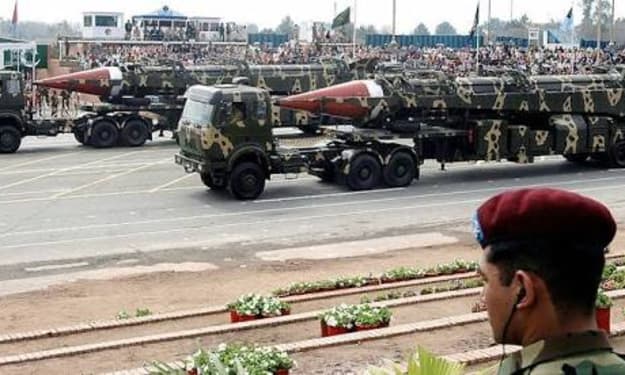
In a significant development for global security dynamics, Turkey has reportedly expressed interest in joining the Saudi-Pakistan defense pact, a strategic agreement that has garnered attention in recent months for its potential impact on regional stability. While details are still emerging, officials suggest that Ankara’s move reflects its desire to strengthen defense cooperation and expand its influence in the Middle East and South Asia. A Strategic Alignment The Saudi-Pakistan defense pact, initially aimed at deepening military collaboration between Riyadh and Islamabad, has long been seen as a mechanism to balance regional threats and ensure security in a volatile neighborhood. Turkey’s reported interest in joining the pact indicates a growing alignment among Sunni-majority nations that share concerns over regional conflicts, especially in Yemen, Syria, and along the Iranian periphery. For Ankara, membership could provide access to advanced military cooperation, joint exercises, and intelligence sharing. This would allow Turkey to consolidate its strategic footprint beyond its immediate borders while signaling its willingness to play a more assertive role in Middle Eastern geopolitics. Observers note that Turkey’s participation could also complement its recent defense diplomacy efforts in Africa, Central Asia, and the Gulf, positioning it as a key security interlocutor across multiple theaters. Implications for Pakistan and Saudi Arabia For Pakistan and Saudi Arabia, Turkey’s potential inclusion presents both opportunities and challenges. On one hand, Ankara’s advanced military capabilities, particularly in drone technology and missile systems, could significantly enhance the pact’s operational strength. Turkey’s participation could also foster broader economic and defense-related collaboration, given its experience in arms manufacturing and defense exports. However, the move may complicate the alliance’s dynamics. Pakistan has traditionally maintained a careful balance between Saudi interests and its own regional calculations, particularly regarding India and Afghanistan. Integrating Turkey into the pact may require careful diplomatic calibration to ensure that the agreement serves all parties’ strategic objectives without inflaming tensions with other regional players. Saudi Arabia, too, may view Turkey’s membership with cautious optimism. While Riyadh benefits from Ankara’s military expertise, Turkey’s independent foreign policy streak—particularly its positions in Syria and its relations with Iran—could pose challenges to cohesive decision-making within the pact. Analysts suggest that Saudi officials may seek clear guarantees from Ankara on coordinated action and mutual priorities before formalizing membership. Regional and Global Repercussions If Turkey formally joins the Saudi-Pakistan defense pact, the geopolitical implications could be far-reaching. The alliance could serve as a counterweight to Iranian influence in the Middle East, particularly in Yemen and along the Gulf. It may also impact Turkey’s relations with NATO allies, given the bloc’s emphasis on collective security and its cautious approach toward Middle Eastern security arrangements. Furthermore, the move could reshape defense cooperation patterns across South Asia. India, closely monitoring developments, may perceive Turkey’s entry into the pact as a factor influencing regional security calculations. Similarly, Afghanistan’s fragile security environment may be indirectly affected, as the alignment of Sunni-majority powers could recalibrate influence over key territories and armed groups. A Diplomatic Balancing Act For Turkey, joining the Saudi-Pakistan defense pact would require delicate diplomacy. Ankara must navigate complex relationships with NATO allies, maintain constructive engagement with Iran, and align its strategic goals with those of Riyadh and Islamabad. The decision may also be influenced by domestic political considerations, as Turkey’s government seeks to project both military strength and international relevance amid economic and political pressures at home. Experts believe that the process will involve multiple rounds of consultations, strategic assessments, and agreements on operational procedures. Clear frameworks for joint exercises, intelligence sharing, and crisis response would likely be established before Ankara’s formal induction. Looking Ahead Turkey’s reported interest in the Saudi-Pakistan defense pact underscores a broader trend in global security: alliances are becoming increasingly flexible, and states are seeking multipolar partnerships to safeguard national interests. For the Middle East and South Asia, the potential expansion of this pact could influence everything from regional conflict management to military modernization and diplomatic leverage. As details emerge, policymakers, analysts, and international observers will be closely monitoring how Ankara, Riyadh, and Islamabad navigate this complex terrain. The decision, when finalized, will not only shape regional security architecture but also signal Turkey’s ambitions as a proactive military and diplomatic actor in the 21st century. Conclusion Turkey’s pursuit of membership in the Saudi-Pakistan defense pact reflects its desire to expand influence and enhance regional security cooperation. While opportunities for collaboration abound, the move also presents challenges in balancing divergent national interests, managing complex regional dynamics, and navigating global geopolitical repercussions. As the process unfolds, the world will be watching how this emerging alliance could reshape the balance of power in one of the most strategically significant regions on the planet.
By Fiaz Ahmed about a month ago in The Swamp
In Isolation, We’ll Never Flourish”: What Iranians Think About the Protests and the Future of the Islamic Republic. AI-Generated.
For years, Iran has lived under a cloud of political tension, economic pressure, and social restrictions. Periodic waves of protests have erupted, often sparked by specific events but fueled by deeper frustrations. Today, as demonstrations continue to surface across cities and towns, a powerful sentiment is emerging among many Iranians: isolation is suffocating the nation, and without meaningful change, the future looks increasingly uncertain. The question on many minds is no longer just about reform, but about whether the Islamic Republic itself can endure in its current form. A Society Strained by Isolation International sanctions, diplomatic isolation, and strained relations with the West have deeply affected daily life in Iran. While the government often frames resistance as a source of national pride, many ordinary citizens see isolation as a barrier to progress. Rising inflation, unemployment, and currency devaluation have eroded living standards, particularly for the middle and working classes. Young Iranians, who make up a significant portion of the population, feel this pressure most acutely. With limited job prospects, restricted travel opportunities, and a tightly controlled social environment, many believe their potential is being wasted. The phrase “in isolation, we’ll never flourish” captures a growing belief that economic resilience and cultural vitality require openness, not constant confrontation with the outside world. Protests as a Reflection of Everyday Grievances The protests seen in recent years are often portrayed by authorities as foreign-inspired or limited to small groups. However, conversations with Iranians inside and outside the country suggest a far broader base of discontent. Demonstrators include students, workers, women, professionals, and even former supporters of the system. For many, protests are less about ideology and more about dignity. Rising food prices, unpaid wages, and cuts to public services have made survival harder. Social restrictions, particularly those affecting women, have become symbols of a state that many feel is out of touch with modern Iranian society. Each protest becomes an outlet for frustrations that have accumulated over decades. Diverse Views on the Islamic Republic’s Future Iranians do not speak with one voice when it comes to the future of the Islamic Republic. Some still believe reform from within is possible, arguing that gradual change is safer than sudden upheaval. They point to the risks of instability, civil conflict, or foreign intervention if the system collapses abruptly. Others, however, have lost faith in reform altogether. For this group, protests are not just calls for better governance but expressions of a desire for a fundamentally different political order. They argue that repeated cycles of protest and repression show the limits of reform under the current structure. Between these positions lies a large group of citizens who are uncertain but weary. They may not have a clear vision of what comes next, yet they share a sense that the status quo is unsustainable. The Role of Women and Youth Women have emerged as some of the most visible and influential voices in recent protests. Their demands go beyond dress codes, encompassing broader calls for equality, personal freedom, and respect. Many Iranian women view their struggle as inseparable from the country’s broader fight for social justice. Youth activism has also reshaped the protest movement. Connected through social media and exposed to global ideas, young Iranians are less willing to accept isolation as a permanent condition. They often compare their lives with peers abroad and question why opportunities are so limited at home. This generational divide poses a serious challenge to a system built on values that resonate less with younger citizens. Fear, Hope, and the Cost of Dissent Despite widespread dissatisfaction, fear remains a powerful force. Arrests, surveillance, and harsh punishments deter many from participating openly in protests. Families worry about the safety of their children, and memories of past crackdowns linger. Yet hope persists. Each wave of protest, even when suppressed, leaves behind a sense of shared awareness. Many Iranians believe that simply speaking out — even quietly — chips away at the culture of silence. The growing Iranian diaspora also plays a role, amplifying voices from inside the country and keeping international attention focused on human rights issues. Looking Ahead What Iranians think about the protests ultimately reflects a deeper question about belonging and possibility. Many feel trapped between a state that emphasizes resistance and a world they are increasingly cut off from. The desire to flourish — economically, culturally, and personally — is driving calls for change more than any single political ideology. Whether the Islamic Republic adapts, reforms, or faces a more dramatic transformation remains uncertain. What is clear is that isolation is no longer seen as a badge of honor by much of the population. Instead, it is viewed as a heavy cost paid by ordinary people. Conclusion The protests in Iran are not just moments of unrest; they are expressions of a society grappling with its future. Across differing opinions, one message is strikingly consistent: without openness, opportunity, and meaningful participation in the global community, Iran cannot reach its full potential. “In isolation, we’ll never flourish” is more than a slogan. It is a reflection of a collective longing for dignity, connection, and a future that feels worth striving for — regardless of what political system ultimately shapes it.
By Fiaz Ahmed about a month ago in The Swamp
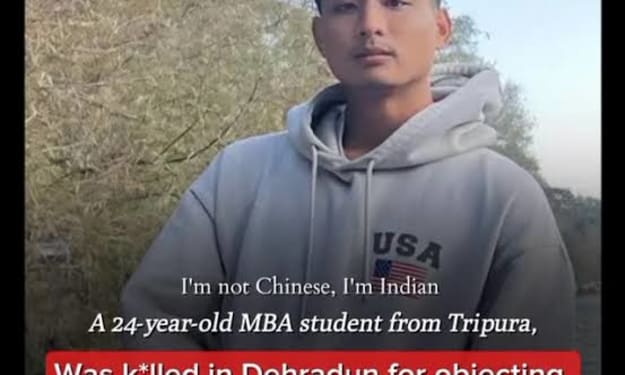
“How Do We Look Indian?”: Student’s Killing Puts Spotlight on Racism in India. AI-Generated.
The killing of a young student has reignited a long-simmering conversation in India about racism, identity, and the dangerous consequences of prejudice. The question reportedly asked during the incident — “How do we look Indian?” — has echoed across social media and public debates, forcing the country to confront uncomfortable truths about how discrimination operates within its own borders. A Tragic Incident That Sparked a National Debate The student’s death, allegedly linked to racial profiling and targeted violence, is not just an isolated crime. It has become a symbol of a deeper, systemic problem: the idea that being “Indian” has a specific look, language, or cultural marker. While India prides itself on diversity, this tragedy highlights how certain communities — particularly people from the Northeast, tribal regions, migrants, and religious minorities — are often treated as outsiders in their own country. As details of the incident emerged, public outrage grew. Candlelight vigils, student protests, and online campaigns demanded justice, but also something broader: acknowledgment that racism exists in India, even if it is often denied or downplayed. Racism Beyond Borders — And Within Them Racism in India is frequently discussed in the context of colonial history or discrimination faced by Indians abroad. Far less attention is paid to internal racism. Yet stereotypes based on skin color, facial features, accents, and regional origins are deeply ingrained. Students from northeastern states have long reported harassment in metropolitan cities, ranging from racial slurs and mockery to physical violence. African students and migrants have also faced attacks driven by misinformation and prejudice. In many cases, victims are asked to “prove” their Indian identity — a demand that reveals how narrow and exclusionary some definitions of nationality have become. The student’s killing has forced many to ask: who gets to decide what an Indian looks like? The Role of Stereotypes and Media Popular culture has played a significant role in reinforcing racial stereotypes. Films, television shows, and advertisements often portray fair skin as desirable and associate darker skin or distinct features with inferiority or comic relief. These portrayals seep into everyday thinking, shaping how people perceive one another. Social media, while amplifying voices calling for change, also exposes the scale of the problem. In the wake of the killing, countless individuals shared their own experiences of being followed, questioned, or attacked simply for not fitting a dominant image of “Indianness.” Students at the Center of the Struggle Educational institutions, which should be safe spaces for learning and inclusion, have increasingly become flashpoints for discussions about discrimination. Students from marginalized communities often face isolation, biased treatment, and lack of institutional support when incidents occur. The killing has intensified calls for universities and schools to adopt stronger anti-discrimination policies, offer cultural sensitivity training, and establish clear reporting mechanisms. Many student groups argue that without structural changes, expressions of solidarity will remain symbolic rather than transformative. Legal Frameworks and Their Limitations India’s constitution guarantees equality and prohibits discrimination, but enforcement remains inconsistent. While hate crimes and racially motivated violence are punishable under existing laws, activists argue that India lacks a comprehensive legal framework that explicitly addresses racism. The student’s death has renewed demands for clearer hate-crime legislation, better policing practices, and accountability for authorities who fail to protect vulnerable communities. Critics note that cases involving marginalized victims are often slow to progress, reinforcing a sense of injustice. A Moment of Reckoning What makes this incident particularly significant is the national introspection it has triggered. Commentators, educators, and public figures are questioning long-held assumptions about unity and diversity. The narrative of “unity in diversity,” while powerful, can sometimes mask inequalities that persist beneath the surface. Acknowledging racism does not weaken national identity — many argue it strengthens it. By confronting prejudice honestly, societies can move toward more inclusive definitions of belonging. The Way Forward Justice for the slain student is the immediate demand, but many see this moment as an opportunity for deeper change. Experts emphasize the need for education reforms that teach empathy, history, and respect for diversity from an early age. Media responsibility, institutional accountability, and public dialogue are all crucial steps. Most importantly, there is a growing call to listen — to the voices of those who have long felt unseen or unwelcome. Their experiences challenge the notion that racism is a “foreign problem” and remind us that discrimination can thrive anywhere it goes unchallenged. Conclusion The question “How do we look Indian?” cuts to the heart of a painful reality. India is not defined by a single face, language, or culture, yet rigid ideas of identity continue to fuel exclusion and violence. The student’s killing is a tragedy, but it has also become a catalyst for reflection. Whether this moment leads to lasting change depends on what follows — not just in courts and classrooms, but in everyday attitudes. Confronting racism requires courage, honesty, and sustained effort. The hope is that this loss will not be forgotten, and that it will push the nation toward a more inclusive understanding of what it truly means to be Indian.
By Fiaz Ahmed about a month ago in The Swamp