Fiaz Ahmed
Bio
I am Fiaz Ahmed. I am a passionate writer. I love covering trending topics and breaking news. With a sharp eye for what’s happening around the world, and crafts timely and engaging stories that keep readers informed and updated.
Stories (940)
Filter by community
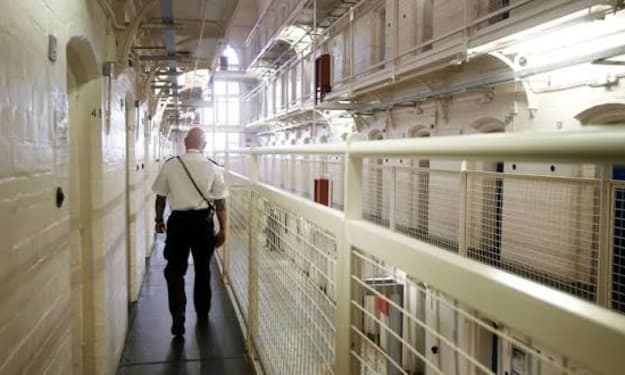
Suicide Risk if Trans Prisoners Are Put in Jails Based on Sex at Birth, Court Told. AI-Generated.
A court has been warned that placing transgender prisoners in facilities according to their sex at birth rather than their gender identity could significantly increase the risk of suicide and self-harm, as legal challenges continue over prison placement policies and the rights of transgender inmates. During recent proceedings, lawyers representing advocacy groups and affected individuals argued that rigid placement rules fail to account for the vulnerabilities faced by transgender prisoners, particularly trans women housed in male prisons. Medical experts and human rights organizations submitted evidence suggesting that such policies expose inmates to heightened risks of violence, psychological trauma, and severe mental distress. The case centers on whether prison authorities should prioritize biological sex or gender identity when determining where transgender inmates are held. Governments defending the policies say they are acting in the interests of safety and clarity within the prison system. However, critics contend that blanket rules ignore individual circumstances and medical advice. Evidence of Mental Health Risks Psychiatrists and prison healthcare specialists told the court that transgender people already experience disproportionately high rates of depression, anxiety, and suicidal ideation compared with the general population. These risks are amplified in custodial settings, where isolation and fear of assault can worsen existing mental health conditions. One expert witness stated that housing trans women in male prisons frequently leads to harassment and threats, forcing some inmates into solitary confinement for their own protection. While intended as a safety measure, prolonged isolation has been shown to increase the likelihood of self-harm and suicidal thoughts. “Transgender prisoners face a unique combination of stigma, vulnerability, and institutional stress,” the court heard. “Policies that disregard gender identity can exacerbate these pressures and result in serious harm.” Human rights organizations presented international data indicating that suicide attempts among transgender prisoners are significantly higher than among non-transgender inmates, particularly in systems that do not allow case-by-case assessments. Government Position Officials defending the policy said prisons must balance the rights of transgender inmates with the safety of other prisoners. They argued that sex-based placement rules offer a clear framework and reduce the risk of conflicts or accusations of unfair treatment. A government lawyer told the court that prison authorities already have discretion to move inmates if there is a clear and immediate risk to their safety. However, campaigners say this discretion is inconsistently applied and often requires prisoners to endure harm before action is taken. Authorities also pointed to the creation of specialized units or wings in some facilities for vulnerable prisoners, including transgender inmates. Critics counter that such units are limited in number and can still isolate individuals from meaningful social interaction or rehabilitation programs. Personal Testimonies The court heard anonymized testimonies from transgender prisoners who described living in constant fear after being placed in prisons that did not align with their gender identity. Some said they avoided showers, communal areas, and even medical appointments due to the risk of harassment or assault. One former inmate said that being housed according to sex at birth made them feel “erased and unsafe,” leading to severe depression and thoughts of suicide. Lawyers argued that these experiences demonstrate the human cost of inflexible policies. Advocacy groups stressed that the issue is not theoretical but affects real people whose mental health and physical safety are at stake. “This is about dignity and survival,” one campaigner said outside the courtroom. “Trans people should not be placed in environments that make them targets.” Legal and Ethical Implications The case raises broader questions about how prison systems accommodate gender-diverse individuals within institutions designed around binary classifications. Legal scholars say the outcome could influence future policies on healthcare access, risk assessments, and prisoner classification. International human rights standards increasingly call for individualized assessments rather than automatic placement based on sex at birth. The United Nations and several European bodies have recommended that prisons consider gender identity alongside safety, health, and personal circumstances. Opponents of change argue that such policies could be difficult to implement and might provoke backlash from both staff and inmates. Supporters maintain that the legal system must evolve to reflect modern understanding of gender and mental health. What Happens Next Judges are expected to rule in the coming months on whether current prison placement rules violate equality and human rights protections. If the challenge succeeds, prison services may be required to revise their policies and introduce more flexible, case-by-case decision-making. Experts say that regardless of the legal outcome, the debate has already exposed gaps in mental health care for transgender prisoners. Many facilities lack specialized training for staff or adequate psychological support for vulnerable inmates. The ruling could have far-reaching consequences for correctional systems, potentially reshaping how prisons address the needs of transgender people while maintaining overall safety. Conclusion The court’s warning about suicide risk highlights the complex intersection of gender identity, incarceration, and mental health. As legal arguments continue, the case underscores the importance of balancing institutional order with compassion and evidence-based policy. For transgender prisoners, the decision could determine not only where they are housed, but whether their time in custody becomes a period of protection and rehabilitation or one marked by fear and psychological harm. If this topic is personally difficult for you or someone you know, support is available. If you’d like, I can help you find mental health helplines or resources in your country.
By Fiaz Ahmed 2 days ago in The Swamp
Italy Toughens Protest Laws, Hours Before Planned Rallies at Winter Olympics. AI-Generated.
Italy has passed controversial new legislation tightening rules on public protests just hours before planned demonstrations linked to preparations for the upcoming Winter Olympics. The timing of the move has sparked criticism from civil rights groups, opposition parties, and international observers, who argue that the government is using security concerns to curb freedom of expression and suppress dissent ahead of one of the world’s most high-profile sporting events. The Winter Olympics, scheduled to take place in Milan and Cortina d’Ampezzo, have already drawn protests from environmental activists, housing campaigners, and labor unions who oppose the scale of construction projects and their social and ecological impact. With tensions rising, the Italian government says the new measures are necessary to ensure public safety and protect critical infrastructure during a period of heightened risk. New Restrictions on Demonstrations Under the updated protest laws, authorities have been granted broader powers to restrict or ban demonstrations deemed disruptive to transport networks, construction sites, or public order. Penalties for blocking roads, railways, or access points to major venues have been significantly increased, including heavier fines and longer prison sentences for repeat offenders. The law also allows police to impose stricter conditions on protest permits and gives local prefects greater discretion to limit the time, place, and size of gatherings. Interior Ministry officials said the legislation is designed to prevent actions that could “endanger public safety” or “damage Italy’s international image” during the Olympic preparations. Government spokespersons insist that the measures are not aimed at silencing critics but at preventing acts of sabotage and ensuring that Italy can host the Games smoothly. “Peaceful protest remains a constitutional right,” an Interior Ministry statement said. “However, actions that obstruct essential services or threaten security cannot be tolerated, particularly during an event of global importance.” Criticism from Rights Groups and Opposition Civil liberties organizations have sharply criticized the new rules, arguing that they blur the line between legitimate protest and criminal behavior. Amnesty International Italy warned that the law could be used to intimidate activists and discourage public participation in political debate. Opposition politicians described the timing of the legislation as “no coincidence.” Several lawmakers accused Prime Minister Giorgia Meloni’s government of exploiting the Olympics to push through measures that would otherwise face stronger resistance. “Passing this law on the eve of demonstrations sends a clear message: dissent will be punished,” said a spokesperson for the Democratic Party. Legal experts have also raised concerns about the vague wording of the law, particularly provisions allowing authorities to restrict protests that may cause “significant disruption.” Critics argue that such language gives police excessive discretion and risks arbitrary enforcement. Protests Linked to Olympic Projects The planned rallies focus on opposition to infrastructure projects connected to the Winter Olympics, including new roads, rail links, and ski facilities. Environmental groups say construction is damaging fragile Alpine ecosystems and accelerating deforestation. Housing activists argue that public funds are being diverted from social services toward costly prestige projects, while local residents complain of rising rents and displacement. In recent months, activists have staged sit-ins, blocked construction sites, and organized marches in Milan, Venice, and several Alpine towns. Although most protests have been peaceful, authorities point to isolated incidents of vandalism and clashes with police as justification for tougher measures. The government has framed the Olympics as a symbol of national pride and economic opportunity, predicting billions of euros in investment and tourism revenue. Officials argue that disruptions threaten not only public order but also Italy’s reputation abroad. A Broader Shift in Security Policy The protest law is part of a wider package of security measures introduced by the current government, which has emphasized law and order since taking office. Previous legislation has already increased penalties for migrant rescue operations, squatting, and damage to public monuments. Critics say the trend reflects an increasingly authoritarian approach to governance. Supporters of the government counter that Italy faces growing security challenges, including climate activism tactics such as road blockades and the risk of extremist violence. They argue that clearer rules are needed to balance protest rights with the protection of citizens and infrastructure. Interior Minister Matteo Piantedosi defended the move, stating that “freedom must coexist with responsibility.” He added that the Olympics present unique logistical challenges requiring stronger legal tools to prevent disruption. International Scrutiny The new law has drawn attention beyond Italy’s borders. Human rights organizations across Europe have warned that restricting protests during major international events sets a dangerous precedent. Comparisons have been made to similar measures adopted by host countries of other large sporting events, where security concerns have sometimes been used to justify sweeping limitations on civil liberties. The International Olympic Committee has not commented directly on the legislation but has previously emphasized that host nations should respect human rights and freedom of expression. Observers say the situation could place Italy under increased scrutiny as the Games approach. What Comes Next Despite the tougher laws, protest organizers have vowed to continue their demonstrations, insisting that they will remain peaceful and lawful. Some groups are exploring legal challenges, arguing that the legislation violates constitutional protections for assembly and speech. As the Winter Olympics draw nearer, the clash between security priorities and civil liberties is likely to intensify. For the Italian government, the challenge will be to maintain order without undermining democratic principles. For activists, the struggle will be to make their voices heard in an environment that increasingly treats protest as a threat rather than a right. Conclusion Italy’s decision to tighten protest laws just hours before planned Olympic-related rallies has reignited debate over the balance between security and freedom. While the government insists the measures are necessary to safeguard a global event, critics warn that the move risks eroding fundamental rights. As preparations for the Winter Olympics continue, the controversy highlights a deeper question facing modern democracies: how to protect public order without silencing dissent in moments of national and international attention.
By Fiaz Ahmed 2 days ago in The Swamp
‘Sana-mania’ Grips Japan as Ultra-Conservative Takaichi Expected to Secure Election Landslide. AI-Generated.
Japan’s political landscape is being swept by what commentators have dubbed “Sana-mania,” as Sanae Takaichi, a leading figure of the country’s ultra-conservative movement, appears poised to win a decisive victory in the upcoming election. With opinion polls pointing toward a landslide result, her rise reflects a growing appetite among voters for strong leadership, national identity, and tougher security policies amid regional uncertainty and domestic economic pressure. Takaichi, a former internal affairs minister and long-time ally of the late Prime Minister Shinzo Abe, has campaigned on a platform rooted in traditional values, expanded defense capabilities, and economic nationalism. Her blunt rhetoric and uncompromising positions have energized conservative supporters while alarming critics who fear Japan is moving away from its post-war pacifist orientation. A Wave of Popularity Over recent weeks, campaign rallies across major cities such as Osaka, Nagoya, and Tokyo have drawn unusually large crowds. Supporters wave banners emblazoned with her name and chant slogans calling for a “strong Japan.” Social media platforms have amplified her message, with hashtags linked to Takaichi trending nationwide. Political analysts describe the phenomenon as reminiscent of earlier political surges driven by charismatic figures who promised stability and national pride. Polls released by major Japanese media outlets show Takaichi holding a commanding lead over her rivals, particularly among older voters and those concerned about China’s growing military presence in the region. Younger voters, while more divided, have also shown interest in her promises of technological investment and economic reform. Policy Positions and Ideology At the core of Takaichi’s platform is a pledge to revise Japan’s interpretation of its pacifist constitution. She argues that current security threats—from North Korea’s missile tests to rising tensions in the Taiwan Strait—require Japan to develop stronger defense capabilities and closer cooperation with allies. She has also advocated increased military spending and a more assertive foreign policy, aligning with conservative factions that believe Japan must shed what they view as post-war constraints imposed by history. Her economic agenda emphasizes supply chain independence, protection of domestic industries, and incentives for companies to bring manufacturing back to Japan. Culturally, Takaichi has championed traditional family structures and opposed progressive social reforms. This stance has earned her strong backing from nationalist groups but criticism from civil society organizations and younger, urban voters who favor more liberal policies. Dividing the Nation While “Sana-mania” has electrified her base, it has also intensified polarization within Japanese society. Opposition parties warn that her leadership could undermine Japan’s diplomatic relationships and provoke unnecessary confrontation in East Asia. Some academics argue that her rhetoric risks reopening unresolved historical wounds related to Japan’s wartime past. Human rights groups have expressed concern about her views on education and media regulation, fearing that stricter controls could limit freedom of expression. Feminist organizations are divided: while some praise the possibility of Japan’s first openly nationalist female leader, others criticize her resistance to gender equality reforms. Nevertheless, Takaichi’s supporters see her as a symbol of resilience. “Japan needs a leader who will not bow to foreign pressure,” said one rally attendee in Kyoto. “She speaks with clarity and courage.” Regional and International Implications If elected in a landslide, Takaichi’s leadership could reshape Japan’s regional posture. Relations with China and South Korea may face renewed strain, especially over territorial disputes and historical issues. At the same time, ties with the United States are expected to strengthen, particularly in defense and technology cooperation. Washington has remained cautious in its public statements, emphasizing the importance of stability and alliance coordination regardless of election outcomes. Analysts suggest that a Takaichi government would likely support expanded military exercises and deeper intelligence sharing with Western partners. In Southeast Asia, reactions are mixed. Some governments welcome a stronger Japan as a counterbalance to China, while others worry about escalating tensions that could disrupt trade and security. Economic Uncertainty Japan’s economy remains fragile after years of stagnation, inflationary pressures, and an aging population. Takaichi has promised aggressive stimulus measures and tax reforms to boost growth, but economists question whether her protectionist tendencies could discourage foreign investment. Business leaders have expressed cautious optimism, noting her focus on innovation and digital transformation. However, they remain wary of policies that could isolate Japan from global markets at a time when cooperation is seen as essential for recovery. A Turning Point The upcoming election is widely viewed as a referendum on Japan’s future direction. A landslide victory for Takaichi would signal a shift toward assertive nationalism and a break from the cautious consensus politics that has dominated in recent decades. For supporters, her rise represents renewal and confidence. For critics, it marks a troubling departure from the values that guided Japan’s post-war reconstruction and diplomacy. As “Sana-mania” continues to dominate headlines, one thing is clear: the election is more than a contest of personalities. It is a defining moment for Japan’s identity, security, and role in the world. Whether Takaichi’s surge will translate into long-term stability or deeper division remains uncertain. What is undeniable is that her movement has already reshaped the national conversation, forcing voters to confront fundamental questions about tradition, power, and Japan’s place in an increasingly unstable global order.
By Fiaz Ahmed 2 days ago in The Swamp
Jewish Australians Must Be Safe From Fear or Harassment. But Shielding Isaac Herzog From Legitimate Protest Is Not the Answer. AI-Generated.
Australia faces a difficult but necessary balancing act: ensuring the safety and dignity of Jewish Australians while also protecting the democratic right to peaceful protest. This tension came into sharp focus following heightened security measures surrounding the visit of Israeli President Isaac Herzog, with authorities moving to restrict or discourage demonstrations in the name of public order. While concerns over antisemitism and public safety are legitimate, shielding political leaders from lawful protest risks undermining the very freedoms that define Australian democracy. The Real Threat of Antisemitism There is no question that antisemitism has increased globally in recent years, including in Australia. Jewish community organizations have reported a rise in verbal abuse, vandalism, and online harassment. For many Jewish Australians, international conflicts have translated into local anxiety, as political rhetoric spills into social spaces, workplaces, and schools. The responsibility of the Australian government is clear: Jewish citizens must be protected from fear, intimidation, and violence. Harassment based on religion or ethnicity is unacceptable, and law enforcement must respond decisively to threats or hate crimes. These protections, however, should not be conflated with efforts to silence political criticism or suppress public dissent. Criticism of the Israeli government or its policies is not inherently antisemitic. Equating protest with hatred risks diluting the meaning of antisemitism and weakening the fight against genuine prejudice. The Role of Protest in a Democracy Peaceful protest is a cornerstone of democratic society. From civil rights movements to anti-war campaigns, public demonstrations have long served as a means for citizens to express opposition to policies they believe are unjust. Australia’s democratic tradition depends on the ability of people to gather, speak, and challenge power without fear of reprisal. Isaac Herzog’s visit, as that of a foreign head of state, naturally involves heightened security. However, the decision to curtail or tightly control demonstrations around his presence raises serious questions. When governments preemptively restrict protests to avoid political discomfort, they risk turning public safety into a tool of political insulation. Protest does not equate to disorder. In fact, well-organized demonstrations often strengthen democratic legitimacy by allowing grievances to be aired openly rather than suppressed and driven underground. Separating Safety From Silence Authorities often argue that restrictions on protests are necessary to prevent clashes or threats. But this logic becomes problematic when applied too broadly. The presence of protest does not automatically endanger Jewish Australians. On the contrary, conflating political opposition with communal threat risks deepening divisions and creating a false narrative that Jewish identity and Israeli state policy are inseparable. Many Jewish Australians themselves hold diverse views on Israeli politics. Some support the government; others strongly oppose it. Treating criticism of Israel as inherently hostile to Jewish people denies this diversity and risks marginalizing voices within the Jewish community who advocate for peace, reform, or accountability. Protecting Jewish Australians means ensuring their safety from harassment—not shielding political leaders from scrutiny. A Precedent With Consequences Restricting protests around Herzog’s visit sets a troubling precedent. If authorities can silence demonstrations for one foreign leader due to political sensitivity, what prevents the same approach from being applied to others? Democracy weakens when leaders are insulated from criticism, especially on controversial international issues. Civil liberties advocates warn that such measures normalize exceptional powers that can later be used more broadly. The language of security, once expanded, is rarely narrowed again. What begins as protection can evolve into permanent limitation on public expression. This concern is not theoretical. History shows that emergency measures introduced during tense political moments often linger long after the immediate crisis passes. The Risk of Polarization Suppressing protest may also inflame tensions rather than calm them. When people feel silenced, frustration grows. Open, visible protest allows grievances to be expressed within lawful boundaries. It gives communities an outlet for disagreement and encourages dialogue rather than confrontation. Moreover, portraying protesters as threats can harden attitudes on both sides. Jewish Australians may feel they are being targeted for political reasons, while protesters may feel their rights are being sacrificed for diplomatic convenience. Neither outcome fosters social cohesion. True safety is not achieved through silence but through trust in democratic institutions and mutual respect among communities. What a Better Approach Looks Like A more balanced response would protect both community safety and democratic rights. This means: Enforcing laws against hate speech and violence without criminalizing political expression. Allowing peaceful protests in designated areas with appropriate security measures. Engaging with community leaders to reduce tension and clarify that protest is directed at policy, not people. Publicly distinguishing between antisemitism and political criticism. Such an approach affirms that Jewish Australians deserve protection from harassment while also affirming that political leaders—domestic or foreign—are not above scrutiny. A Test of Democratic Maturity Australia’s response to controversial visits and international conflicts is a test of its democratic maturity. It must show that it can protect minorities without eroding civil liberties. Shielding Isaac Herzog from legitimate protest may appear to offer short-term stability, but it risks long-term damage to democratic norms. The goal should not be to eliminate discomfort but to manage disagreement peacefully. Democracy is not defined by the absence of conflict but by how conflict is handled. Conclusion Jewish Australians must be safe from fear, intimidation, and harassment—this is non-negotiable. But safety cannot come at the expense of free expression and peaceful protest. Protecting one community should not require silencing another. Legitimate protest against political leaders, including Isaac Herzog, is not a threat to democracy; it is a sign of it working. The challenge for Australia is to uphold both security and freedom, proving that it can defend its citizens without abandoning its principles. In moments of political tension, restraint and clarity matter most. A society confident in its values does not hide its disagreements—it confronts them openly, lawfully, and with respect.
By Fiaz Ahmed 2 days ago in The Swamp
US Healthcare Needs Fixing, But There’s No Agreement on How to Do It. AI-Generated.
Few issues unite Americans more than the belief that the nation’s healthcare system is deeply flawed. Rising costs, uneven access, and persistent gaps in quality have left patients, providers, and policymakers frustrated. Yet despite broad consensus that reform is necessary, there is little agreement on what that reform should look like. Political divisions, economic interests, and ideological differences have made healthcare one of the most contested and complex policy arenas in the United States. A System Under Strain The United States spends more on healthcare per person than any other developed nation, yet millions remain uninsured or underinsured. Even those with coverage often face high deductibles, surprise bills, and limited provider networks. Hospitals struggle with staffing shortages, while rural communities see clinics close due to financial pressure. The COVID-19 pandemic exposed many of these weaknesses. Overcrowded hospitals, inconsistent access to testing and treatment, and confusion about insurance coverage highlighted systemic vulnerabilities. While emergency measures temporarily expanded coverage and funding, many of those programs have now expired, renewing concerns about long-term sustainability. Patients increasingly report delaying care due to cost. Prescription drug prices remain a major burden, particularly for older Americans and those with chronic illnesses. These realities have intensified calls for reform across the political spectrum. Competing Visions for Reform Despite agreement on the problem, proposed solutions vary dramatically. Progressives advocate for a government-run or single-payer healthcare system that would guarantee coverage to all Americans. They argue that healthcare is a human right and that removing profit motives would reduce costs and improve equity. Moderates favor building on the existing system created by the Affordable Care Act (ACA), expanding subsidies, strengthening public insurance options, and regulating private insurers more aggressively. This approach seeks gradual improvement without dismantling private coverage. Conservatives, meanwhile, emphasize market-based reforms. They propose reducing government regulation, increasing competition among insurers and providers, and allowing consumers more choice. Supporters argue that innovation and competition would lower costs and improve quality over time. These sharply different philosophies reflect deeper disagreements about the role of government in American life. For some, healthcare reform is about social justice; for others, it is about economic freedom and efficiency. The Power of Interest Groups Another obstacle to consensus is the influence of powerful healthcare industry stakeholders. Insurance companies, pharmaceutical firms, hospital systems, and professional associations all have vested interests in shaping reform efforts. Lobbying has played a major role in slowing or reshaping proposed legislation. Efforts to control drug prices, for example, have faced fierce resistance from pharmaceutical companies that argue such measures would limit research and innovation. Hospitals worry that reimbursement cuts could force closures, particularly in underserved areas. These competing pressures make it difficult for lawmakers to craft policies that satisfy both public demands and industry concerns. Federal vs. State Approaches The divide between federal and state authority further complicates reform. Some states have expanded Medicaid and experimented with innovative coverage models, while others have resisted federal programs entirely. This patchwork system results in unequal access depending on where a person lives. A low-income resident in one state may qualify for comprehensive coverage, while a similar individual in another state may remain uninsured. Critics argue that healthcare should not depend on geography, while defenders of state autonomy say local governments are better positioned to tailor solutions. Public Opinion Is Fragmented Surveys show Americans want lower costs and better access, but opinions diverge on how to achieve those goals. Many support protections for preexisting conditions and limits on drug prices, yet fewer agree on sweeping structural change. Fear of disruption plays a role. Millions receive insurance through employers and worry that major reform could jeopardize coverage they depend on. Others distrust government-run systems, citing concerns about bureaucracy and long wait times. This uncertainty creates political risk for lawmakers, who face backlash regardless of the path they choose. Technology and the Future of Care While political debates stall, technology is reshaping healthcare delivery. Telemedicine, artificial intelligence, and digital health records promise improved efficiency and access, particularly for rural and elderly patients. However, these innovations also raise new challenges related to privacy, regulation, and inequality. Not all Americans have access to reliable internet or digital tools, potentially widening disparities rather than closing them. Experts argue that technological progress must be paired with thoughtful policy reform to ensure benefits are shared equitably. A System at a Crossroads The inability to reach agreement has left the US healthcare system in a state of limbo. Incremental changes continue, but comprehensive reform remains elusive. Each election cycle revives the debate, with healthcare consistently ranking among voters’ top concerns. Without consensus, the system risks becoming more fragmented and expensive. Yet any attempt at major reform will require political courage and compromise across ideological lines. Conclusion The United States agrees on one thing: its healthcare system needs fixing. Where it disagrees is on how to do it. Competing visions, powerful interest groups, and public uncertainty have stalled meaningful progress. Until leaders find common ground, millions of Americans will continue navigating a system that is costly, confusing, and unequal. The challenge ahead is not just designing better policy, but rebuilding trust that reform can improve lives without creating new fears. Healthcare remains both a moral question and a political battleground. Whether consensus can be achieved may define the next chapter of American public policy—and determine whether the promise of affordable, accessible care can finally become reality.
By Fiaz Ahmed 2 days ago in The Swamp
India Is Reportedly ‘Ready’ to Buy Up to $80 Billion in Boeing Aircraft Following Trade Deal with the U.S.. AI-Generated.
India is reportedly preparing to place one of the largest commercial aircraft orders in aviation history, with plans to purchase up to $80 billion worth of Boeing aircraft following a new trade agreement with the United States. The potential deal signals a deepening of economic and strategic ties between the two countries and reflects India’s growing ambitions to become a global aviation powerhouse. According to industry sources, the proposed purchase would include a mix of narrow-body and wide-body jets to serve India’s rapidly expanding domestic and international travel market. While negotiations remain confidential, the scale of the order underscores both India’s surging demand for air travel and Boeing’s need to strengthen its global market position after years of production and safety challenges. A Strategic Trade Signal The reported aircraft order is closely linked to a broader U.S.–India trade framework aimed at reducing trade imbalances and expanding industrial cooperation. Aircraft purchases have long been used as diplomatic and economic tools in trade negotiations, and this potential deal is being viewed as a symbol of trust between Washington and New Delhi. For the United States, the agreement could translate into thousands of jobs across Boeing’s manufacturing supply chain, particularly in Washington state and South Carolina. For India, it strengthens access to modern aviation technology while helping secure favorable trade terms with one of its most important strategic partners. Analysts say the deal also sends a geopolitical message at a time when India is seeking to diversify its partnerships beyond traditional suppliers and reduce dependence on any single foreign power. Meeting Soaring Demand India is currently one of the world’s fastest-growing aviation markets. Rising incomes, urbanization, and government investment in airport infrastructure have driven a sharp increase in air travel. Domestic passenger traffic has already surpassed pre-pandemic levels, and international routes are expanding rapidly. Major Indian airlines have been aggressively modernizing their fleets. In recent years, record-breaking aircraft orders have been announced as carriers compete for market share in an increasingly crowded industry. A large Boeing order would further accelerate this transformation, allowing airlines to introduce fuel-efficient aircraft with longer ranges and lower operating costs. Industry experts note that the demand is not limited to passenger flights. Cargo transport, defense-related aviation, and leasing companies are also expected to benefit from the expansion. What the Order May Include Although official details have not been released, aviation insiders suggest the package could include Boeing’s 737 MAX series for short-haul routes and 787 Dreamliner jets for long-haul international services. The 777X, Boeing’s newest wide-body aircraft, could also be part of the deal for premium international operations. Such a mix would help Indian airlines strengthen their presence in key markets such as Europe, North America, Southeast Asia, and the Middle East. The focus on newer aircraft types aligns with India’s environmental commitments to reduce carbon emissions through more fuel-efficient fleets. Boost for Boeing For Boeing, the potential $80 billion deal represents a critical boost at a time when the company is working to restore confidence after production slowdowns and regulatory scrutiny. A massive order from India would help stabilize its order book and reinforce its competitive standing against European rival Airbus. The company has invested heavily in strengthening relationships with Indian airlines and government agencies. Boeing also operates engineering and support centers across India, employing thousands of workers and contributing to the country’s aerospace ecosystem. Executives have repeatedly described India as one of Boeing’s most important long-term growth markets, making the reported agreement a strategic milestone. Economic and Industrial Impact Beyond aviation, the deal could have broader industrial consequences. Large aircraft purchases typically include agreements on maintenance, training, and manufacturing cooperation. India may seek greater technology transfer and domestic assembly opportunities under its “Make in India” initiative. Such provisions could strengthen India’s aerospace industry and create skilled jobs in engineering, maintenance, and logistics. Training programs for pilots and technicians would also expand, helping address the country’s growing workforce needs in aviation. In the United States, the agreement would support production lines and suppliers at a time when global competition remains intense. Challenges and Risks Despite optimism, challenges remain. Aircraft delivery timelines are under pressure due to global supply chain constraints and manufacturing bottlenecks. Boeing has faced ongoing regulatory oversight that could affect production schedules. Financing such a massive purchase will also require careful structuring, particularly as airlines manage fuel price volatility and economic uncertainty. Any slowdown in global travel demand could complicate long-term projections. Political shifts in either country could also influence the final terms of the agreement, making implementation as important as announcement. A Turning Point in Bilateral Relations If finalized, the Boeing deal would mark one of the most significant commercial agreements between India and the United States in recent years. It reflects a broader alignment of economic and strategic interests, particularly in technology, defense, and infrastructure. For India, the move strengthens its position as a major aviation hub connecting East and West. For the United States, it reinforces a partnership with one of the world’s largest emerging markets. Conclusion India’s reported readiness to buy up to $80 billion in Boeing aircraft represents more than a commercial transaction. It is a statement of confidence in long-term growth, international partnership, and modernization. While negotiations continue behind closed doors, the potential deal highlights the shifting balance of global aviation and the deepening ties between two of the world’s most influential democracies. If completed, it could reshape airline fleets, industrial cooperation, and trade relations for decades to come.
By Fiaz Ahmed 2 days ago in The Swamp
Met Éireann Urges Vigilance as Orange and Yellow Rain Warnings in Effect. AI-Generated.
Met Éireann, the national meteorological service of Ireland, has issued a series of urgent weather warnings, including Orange and Yellow alerts, as heavy rainfall continues to impact large portions of the country. With the weather forecast indicating persistent and intense downpours over the coming days, authorities are urging the public to remain vigilant, particularly in areas most susceptible to flooding and severe weather conditions. Heavy Rainfall and Potential Flooding The Orange weather warning, the second-highest alert level in Ireland, is currently in effect for several counties, including Galway, Clare, and parts of Limerick. This alert indicates that significant rainfall could lead to localized flooding, as well as difficult driving conditions due to the accumulation of water on roads. Met Éireann has cautioned that rainfall totals may exceed 40 mm in some areas, with more intense bursts likely to occur over a relatively short period of time. In addition to the Orange warning, a Yellow alert has been issued for a wider swath of the country, including the entire eastern coast, Munster, and parts of the Midlands. While the Yellow warning is the less severe of the two, it still highlights the potential for hazardous conditions, including surface water flooding and poor visibility. The accumulation of rainwater, combined with strong winds, may create challenging conditions for motorists and pedestrians alike, making travel unsafe in some regions. The Causes Behind the Storms The heavy rainfall is being caused by a low-pressure system sweeping across the Atlantic, bringing with it intense showers and gusty winds. These weather systems are common during the autumn and winter months in Ireland, but this particular storm is notable for its widespread impact and persistent nature. The system is expected to linger over Ireland for several days, keeping the nation under the threat of continued heavy rain and strong winds. Meteorologists at Met Éireann have explained that the storms are drawing moisture from the Atlantic, causing the already saturated ground to absorb even more water. This increases the risk of localized flooding, especially in areas that have already experienced heavy rain in recent weeks. With more rain expected to fall throughout the week, concerns are mounting that rivers may overflow, and drains could become blocked, exacerbating flooding issues. Impact on Transportation and Infrastructure The weather warnings are expected to have a significant impact on transportation across the country. Motorists are being urged to exercise extreme caution while driving, especially on rural roads and in areas known to be prone to flooding. The increased risk of aquaplaning and reduced visibility due to heavy rain means that drivers should adjust their speed and avoid driving through standing water. Rail services have also been affected, with potential disruptions to some routes due to flood risks and safety concerns. Met Éireann has warned that some railway tracks may be impassable in certain parts of the country, particularly in the west and south. Passengers are advised to check with Irish Rail for real-time updates on service delays or cancellations. In addition, the aviation sector could face minor delays, as low visibility and strong winds may cause temporary issues at airports. The National Roads Authority (NRA) and local authorities have been working to clear any blocked drains, but the heavy rainfall may quickly overwhelm efforts to manage surface water. Safety Tips and Preparedness Met Éireann is strongly advising the public to take precautions to stay safe during the stormy period. For those living in flood-prone areas, it is crucial to be aware of any flood warnings issued by the local authorities and to take immediate action if flooding becomes imminent. People should avoid driving or walking through flooded areas, as even shallow waters can pose serious risks. For those living in coastal regions, the public is being reminded that high tides, combined with strong winds, may cause coastal flooding and erosion. It is recommended to stay away from exposed areas, such as beaches, cliffs, and harbors, during this time. Homeowners are also advised to check that drains, gutters, and downpipes are clear of debris to prevent water from backing up. Those in rural areas should take steps to secure outdoor furniture, equipment, and anything else that could be blown away in the strong winds. If you live in an area where flooding is a particular concern, it is wise to have an emergency kit with essentials such as flashlights, batteries, and a first-aid kit. The Role of Local Authorities Local authorities across Ireland have been working closely with Met Éireann to ensure that the public is kept informed of weather updates and to prepare for any potential flooding. In high-risk areas, sandbags are being distributed to protect properties from water damage, and emergency teams are on standby to address any flooding that may occur. In addition, Irish Water has been monitoring the potential for stormwater overflow, and is prepared to take emergency action if needed. Irish Water has warned the public that sewage systems could be overwhelmed by the heavy rainfall, and it is important for residents to avoid flushing non-biodegradable items, as this can exacerbate blockages. Looking Ahead: What’s Next for the Weather? The current Orange and Yellow warnings are expected to remain in effect throughout the week, with intermittent heavy rain continuing to affect much of the country. The low-pressure system that is driving the wet weather is forecast to weaken by the weekend, although there may still be isolated showers and wet conditions in some areas. While the weather outlook improves slightly as the system moves away, it’s important to remain cautious, as rain showers and localized flooding could still pose a risk. Met Éireann will continue to monitor the situation closely, and updates will be provided through their website and social media channels. Conclusion With the Orange and Yellow rain warnings now in effect, Met Éireann is urging the public to stay vigilant and take appropriate precautions to protect themselves and their property. Heavy rainfall, flooding, and transportation disruptions are expected over the next few days, and it’s crucial for people to stay informed and ready to act. As always, when dealing with severe weather, preparation and awareness are key to minimizing the risks and ensuring safety for all.
By Fiaz Ahmed 3 days ago in Earth
No, Billie Eilish, Americans Are Not Thieves on Stolen Land. AI-Generated.
Billie Eilish, the Grammy-winning American pop star, has recently stirred up controversy with a statement during one of her concerts where she remarked, "Americans are thieves on stolen land." While the singer’s intention may have been to highlight historical injustices, particularly in relation to the treatment of Indigenous peoples in the U.S., the statement is problematic for several reasons. It oversimplifies complex historical realities and misrepresents the modern-day American identity. The comment, though seemingly reflective of growing awareness about issues such as colonialism, exploitation, and displacement, does not fully acknowledge the nuances of U.S. history or the role contemporary Americans play in addressing past wrongs. While historical injustices are undeniable, it’s critical to examine what it means to be an American today and how we approach reconciliation with the land’s original inhabitants. The Historical Context: Colonization and Its Legacy It’s important to acknowledge the historic truths behind Eilish's statement. The United States was, indeed, built on the land that was originally inhabited by Indigenous peoples. European settlers, beginning with the arrival of Columbus in the 15th century, engaged in a systematic campaign to take control of Native American territories. These actions resulted in widespread violence, forced displacement, broken treaties, and genocide. The U.S. government’s policies of the 19th century, such as the forced removal of Native Americans to reservations and the expansionist doctrine of Manifest Destiny, contributed further to the devastation of Indigenous cultures and societies. The land was taken, and many Native communities lost everything — their homes, their land, and in many cases, their lives. This is a painful reality that cannot and should not be overlooked. However, the critical aspect here is that history cannot be reduced to a simple narrative of "thieves on stolen land." While the U.S. government’s actions in the 18th and 19th centuries have left a deep scar, modern Americans live in a vastly different context, one in which the acknowledgement of these wrongs and efforts toward justice and reconciliation are actively being pursued. Evolving America: A Nation in Flux To frame modern Americans as "thieves on stolen land" ignores the complexity of today’s U.S. and the efforts being made by individuals and groups to correct historical wrongs. Since the civil rights movements, the U.S. has undergone significant social and political changes. Laws protecting the rights of marginalized groups, including Native Americans, have been passed, and federal recognition of Indigenous tribes and nations has been a central part of the evolving American political landscape. In recent decades, Indigenous rights activists, politicians, and organizations have worked tirelessly to reclaim land, preserve culture, and revitalize Native languages. In addition to this, many non-Indigenous Americans support these movements and engage in ongoing conversations about the reparative steps that need to be taken. For instance, land acknowledgments — formal statements recognizing the traditional owners of land — have become a significant part of educational, cultural, and governmental institutions, including those that host concerts like Eilish’s. The recognition of past mistakes does not make contemporary Americans complicit in them. Many modern-day Americans are involved in reparative work, fighting for the rights of Indigenous peoples and acknowledging the painful legacy of colonialism. The U.S. is a country that has been shaped by numerous waves of immigrants, each of whom has their own unique history and connection to the land. This multi-ethnic and multi-racial identity cannot be erased by blanket generalizations, nor should it be. The Importance of Nuanced Dialogue While Billie Eilish’s comment may have been well-intentioned, it oversimplifies the narrative of American history and identity. Art, music, and performance can be a powerful means of raising awareness about social and political issues. Eilish has used her platform to speak out on climate change, mental health, and various social justice causes, which are undoubtedly important. However, statements like "Americans are thieves on stolen land" undermine the importance of nuanced discourse about the complexities of historical injustices and modern-day efforts for justice and reparations. Rather than adopting a defeatist view that casts contemporary Americans as inherently guilty of crimes they did not commit, it would be more constructive to focus on the path forward — on the steps that individuals, communities, and governments can take to redress past wrongs. For example, supporting Indigenous-led environmental initiatives, promoting the return of Native lands, and increasing public awareness of Indigenous cultures are all constructive ways to engage with this issue. Furthermore, such broad statements can alienate those who are already working toward a better future. The reality is that in a diverse country like the U.S., many people are committed to addressing the wrongs of the past and righting the injustices faced by Indigenous peoples. This commitment should not be dismissed. The Role of Native Voices in the Conversation It is essential to listen to and amplify the voices of Indigenous communities themselves in discussions about the land and historical injustices. The very communities that have been displaced for centuries are the ones that should lead the conversation on how the U.S. can move forward. It is their experiences, perspectives, and wishes that must guide the way the nation reconciles with its past. Acknowledging the pain of colonization and displacement is vital, but it must be done through meaningful engagement with Indigenous people rather than making blanket statements about all Americans. Native leaders such as Deb Haaland, the first Native American cabinet secretary in U.S. history, and Russell Means, the late activist and actor, have done remarkable work to bring awareness to the historical and ongoing challenges faced by Indigenous communities. Their leadership demonstrates that the focus should be on creating tangible change and supporting the right of Indigenous people to determine their own future. Conclusion: Beyond the Blanket Statements Billie Eilish’s comment may have been intended to spark conversation about the treatment of Indigenous peoples, but its oversimplification of a complex issue is problematic. While it is essential to recognize and confront the historical injustices committed by colonial powers, contemporary America is not a monolith. Rather than casting all Americans as guilty of past wrongs, we should focus on recognizing the efforts being made to correct these injustices and building a future where Indigenous voices are heard and respected. In the end, the conversation should not be about guilt, but about collaboration, empathy, and a commitment to justice. By focusing on the positive steps being taken to address historical wrongs, we can move towards a more inclusive future where all people, regardless of their background, can share in the prosperity and peace of the land.
By Fiaz Ahmed 3 days ago in The Swamp
CNA Explains: Why China Mattered in the Expiry of the Last US–Russia Nuclear Treaty. AI-Generated.
The collapse of the last major nuclear arms control agreement between the United States and Russia, the New START treaty, has triggered significant concern in international diplomatic and security circles. While the treaty's expiry in 2026 was largely driven by the geopolitical dynamics between the U.S. and Russia, the role of China looms large in the background. Beijing’s growing nuclear arsenal and refusal to be part of the treaty negotiations became a key factor that complicated discussions between Washington and Moscow, driving both nations toward a new phase in the arms race. Background: The End of New START The New Strategic Arms Reduction Treaty (New START), signed in 2010 by Presidents Barack Obama and Dmitry Medvedev, was the last remaining arms control agreement between the U.S. and Russia after a series of Cold War-era treaties were abandoned or expired. The treaty imposed limits on the number of deployed nuclear warheads, delivery systems, and missile defense systems, with an aim to curb the further spread of nuclear weapons and ensure transparency between the two countries. However, the expiration of the treaty at the beginning of 2026 marks a crucial shift in the nuclear arms control landscape. Over the past decade, both the U.S. and Russia have pointed to one primary reason for the growing irrelevance of arms control treaties: the rise of China as a nuclear power. With Beijing accelerating its nuclear capabilities and refusing to engage in arms control talks, the U.S. and Russia have found it increasingly difficult to address their nuclear arsenals without considering China’s growing nuclear stockpile. China's Nuclear Growth: A Strategic Concern China’s nuclear policy has historically been characterized by its minimalist approach — maintaining a relatively small arsenal under the principle of "no first use" (NFU), which signified its commitment to not being the first to deploy nuclear weapons in a conflict. However, in recent years, China has significantly expanded its nuclear weapons capabilities, which has stirred growing unease in Washington and Moscow. The Stockholm International Peace Research Institute (SIPRI) estimates that China has increased its nuclear warhead stockpile by over 30% in the past decade, with plans to build a nuclear triad capable of delivering missiles from land, air, and sea. This expansion is part of China’s broader military modernization efforts, which include the development of new intercontinental ballistic missiles (ICBMs), nuclear-capable submarines, and advanced missile defense systems. Unlike Russia and the U.S., China has not agreed to engage in multilateral arms control talks, leading both superpowers to question the fairness and effectiveness of a nuclear treaty that leaves out the third-largest nuclear power. The U.S. and Russia's Dilemma The U.S. and Russia have both acknowledged that arms control efforts are no longer effective in the absence of China’s involvement. In 2019, the U.S. withdrew from the Intermediate-Range Nuclear Forces (INF) Treaty, accusing Russia of violating its terms, but also expressing frustration at China’s growing missile capabilities, which were not subject to the treaty’s limitations. Similarly, the Open Skies Treaty and other arms control agreements also began to unravel, with the issue of China's nuclear expansion surfacing as a key motivator for these exits. President Joe Biden and Russian President Vladimir Putin have expressed a desire to continue nuclear arms control talks, yet without China’s involvement, both sides are finding it difficult to agree on the next steps. The New START treaty’s expiration is thus viewed as a symbol of how difficult it has become to manage nuclear competition in the 21st century without including China in the framework. As both the U.S. and Russia focus on their strategic relations, China’s refusal to engage in arms control negotiations casts a shadow over any potential future agreements. China's Stance: Non-Engagement with Arms Control Talks China’s decision not to engage in nuclear arms control discussions is not a recent development. For years, Beijing has maintained that its nuclear stockpile is proportionate to its national defense needs and that it remains committed to its NFU policy. While this stance was reasonable during the Cold War, as China’s nuclear arsenal was far smaller than those of the U.S. and Russia, the dynamic has changed with Beijing’s ongoing military expansion. China has consistently rejected U.S. and Russian calls for including its nuclear capabilities in any future arms control agreements, arguing that its stockpile remains small in comparison to those of the U.S. and Russia, and that the U.S. should reduce its own nuclear forces first. The Chinese government views nuclear arms control agreements as a relic of the Cold War era and believes that they should evolve to reflect the changing global security environment. Beijing has also cited the fact that it faces no nuclear threat from its immediate neighbors, particularly from Russia, and as such, sees no immediate need to alter its nuclear posture. However, this position has led to frustration in Washington and Moscow. U.S. policymakers have argued that strategic stability cannot be achieved with a treaty framework that ignores China’s growing influence in the nuclear arena. Russia has expressed similar concerns, with some officials even suggesting that without China’s participation, arms control agreements between the U.S. and Russia are essentially futile. The Impact on Global Nuclear Stability The absence of China from arms control negotiations could have far-reaching consequences for global nuclear stability. As the U.S., Russia, and China account for more than 90% of the world’s nuclear warheads, a trilateral arms control agreement would be necessary for effective global non-proliferation efforts. Without such a framework, the risk of nuclear arms races and the potential for miscalculations in the use of nuclear weapons will continue to rise. In recent years, China has also pursued closer military cooperation with Russia, including joint military exercises and shared interests in countering U.S. global influence. This cooperation complicates the arms control situation even further, as a strategic alignment between the two nuclear powers raises concerns in Washington about the long-term balance of power. Possible Pathways Forward Despite the challenges, there are possible pathways for addressing these growing tensions. One approach could be for the U.S., Russia, and China to engage in trilateral talks with a focus on nuclear transparency and risk reduction. However, convincing China to participate in such discussions would require significant diplomatic engagement and a shift in Beijing’s long-standing stance on nuclear arms control. Another option could involve developing new arms control frameworks that consider the technological advancements of modern warfare, such as cyber capabilities, missile defense, and space-based weapons systems. As these technologies increasingly intertwine with nuclear deterrence, the next generation of arms control agreements may need to adapt to the realities of contemporary global security challenges. Conclusion The expiry of the New START treaty marks a pivotal moment in nuclear arms control, but it is not solely the result of U.S. and Russian dynamics. China’s growing nuclear capabilities and its refusal to join in arms control talks have played a crucial role in the breakdown of the arms control framework that once governed U.S.-Russia relations. As global security continues to evolve, the need for a new, inclusive approach to nuclear arms control is becoming more urgent. Whether this involves trilateral talks or new multilateral frameworks remains uncertain, but without China’s involvement, meaningful progress will be difficult to achieve.
By Fiaz Ahmed 3 days ago in The Swamp
Israeli air attacks on Lebanon reach highest level since ceasefire: Report. AI-Generated.
Israel’s airstrikes on Lebanon have escalated sharply in recent days, reaching their highest intensity since the ceasefire that brought an end to the 2006 Lebanon War. The Israeli Defense Forces (IDF) have launched a series of air attacks targeting Hezbollah positions in southern Lebanon, raising tensions along the volatile Israeli-Lebanese border. The renewed violence is triggering concerns over the potential for broader regional conflict, with both sides bracing for further escalation. Context of the Escalation The recent surge in airstrikes comes after months of simmering tension along the Lebanese-Israeli border. While the 2006 ceasefire agreement, brokered by the United Nations, was meant to end hostilities between Israel and Hezbollah, violations have been frequent on both sides. However, the intensity and frequency of the attacks seen in recent days represent a significant escalation and signal a possible shift in the fragile status quo. For Israel, the decision to increase airstrikes is part of a broader strategy to weaken Hezbollah’s military infrastructure and prevent what it perceives as an existential threat from the Lebanese group. Hezbollah, which has long been backed by Iran, has grown in strength and influence in the region, maintaining a strong presence in southern Lebanon. The group has engaged in a number of skirmishes and rocket attacks against Israeli forces, raising alarm in Jerusalem over its increasing capabilities. The Recent Surge in Israeli Airstrikes In the past two weeks alone, Israeli warplanes have bombarded several key Hezbollah strongholds, including arms depots, missile storage facilities, and command centers. According to the IDF, these operations are part of an effort to degrade Hezbollah’s offensive capabilities and prevent it from launching attacks against Israeli civilian and military targets. Israel’s airstrikes have primarily targeted areas near the towns of Tyre and Nabatieh, both of which are known Hezbollah strongholds. The increased intensity of airstrikes follows a series of Hezbollah rocket launches that targeted northern Israel, which Israeli officials have labeled as "provocations" designed to escalate the conflict. The Israeli government has also stated that it holds the Lebanese government responsible for Hezbollah’s actions, despite the group’s position as a powerful non-state actor within Lebanon. This framing has long been a point of contention, with critics arguing that it undermines Lebanon's sovereignty. Lebanese Civilian Casualties The humanitarian impact of these renewed Israeli strikes has been severe. Reports from Lebanese health officials confirm that at least 20 civilians have been killed in the past 10 days alone, with dozens more injured in airstrikes. While Hezbollah positions remain the primary target, civilian infrastructure, including roads, bridges, and power lines, has also been damaged. This has compounded the already dire economic and humanitarian situation in Lebanon, which is facing a severe economic collapse and a refugee crisis exacerbated by the Syrian conflict. The United Nations Interim Force in Lebanon (UNIFIL) has expressed grave concern about the worsening situation and the potential for further civilian casualties. UNIFIL's mandate is to monitor the ceasefire and prevent the flow of arms to Hezbollah, but its ability to influence the situation on the ground remains limited. The UN has called for both sides to de-escalate, but these calls have gone largely ignored. Hezbollah’s Response Hezbollah has responded with defiant rhetoric and military actions of its own. Hassan Nasrallah, the leader of Hezbollah, delivered a speech earlier this week vowing that the group would retaliate for Israeli airstrikes on Lebanese soil. "We will not allow Israel to continue violating Lebanon’s sovereignty," Nasrallah said in a televised address. "Hezbollah is prepared to defend Lebanon against any Israeli aggression." Hezbollah has also made it clear that it has the capacity to strike deep within Israeli territory. While rocket attacks from Hezbollah have been largely limited to areas near the border in the past, the group has hinted that it may expand its targets to include major Israeli cities, something that has not been seen since the 2006 war. The Israeli government has been careful not to publicly comment on the specifics of Hezbollah’s retaliatory capabilities, but officials have made it clear that Israel is fully prepared for a broader conflict if necessary. "We will not hesitate to take any action to defend our citizens," said an IDF spokesperson. The Risk of a Broader Conflict The recent violence comes at a particularly sensitive moment for both Israel and Lebanon. On one hand, Israel is facing domestic political instability, with ongoing protests over the government's judicial reforms, which have sparked widespread unrest. Prime Minister Benjamin Netanyahu is under pressure both domestically and internationally, making the current escalation potentially useful in rallying nationalistic support. On the other hand, Lebanon is in the midst of one of the worst economic crises in its history, with a collapsed currency, rampant inflation, and widespread poverty. The Lebanese government, which has limited control over Hezbollah’s actions, finds itself in a difficult position, as it cannot afford to antagonize Hezbollah, which has considerable political and military influence within Lebanon. The risk of a broader conflict, involving not only Hezbollah but also the Syrian regime and Iran, remains high. Iran, Hezbollah’s primary backer, has frequently expressed its support for Hezbollah’s actions, and it is feared that Israel’s escalating airstrikes could provoke further Iranian involvement. This scenario could quickly turn the current skirmishes into a full-blown regional conflict, with catastrophic consequences for Lebanon, Israel, and the wider Middle East. International Reactions The international community has reacted with concern, urging both Israel and Hezbollah to exercise restraint and avoid further escalation. The United States, a key ally of Israel, has expressed support for Israel’s right to defend itself but has also called on Israel to minimize civilian casualties in its airstrikes. U.S. Secretary of State Antony Blinken stated, "We urge all parties to de-escalate and return to the path of diplomacy." At the same time, the European Union has condemned the violence and called for an immediate halt to all military operations. The EU expressed concern that the airstrikes could further destabilize Lebanon and complicate efforts to resolve the ongoing Syrian conflict, which has already resulted in a massive refugee crisis in Lebanon. Conclusion As Israeli airstrikes on Lebanon continue to escalate, the region finds itself once again on the brink of broader conflict. The balance of power between Israel and Hezbollah remains delicate, with both sides engaged in a high-stakes game of brinkmanship. While the immediate outcome of these airstrikes remains uncertain, the risk of further violence and civilian casualties is growing by the day. The international community must continue to press for an immediate cessation of hostilities and urge both sides to return to the negotiation table. Until then, Muscat’s role in facilitating dialogue will remain as critical as ever, with hopes that diplomatic efforts can help defuse the powder keg that is the Israeli-Lebanese border.
By Fiaz Ahmed 3 days ago in The Swamp
Muscat and the Limits of Iran-US Diplomacy. AI-Generated.
Diplomacy between the United States and Iran has once again converged on Muscat, the capital of Oman — a neutral site long suited for delicate talks — but the scope and expectations of the negotiations reveal how constrained the process remains. As indirect talks are scheduled to resume in Muscat this week, analysts and diplomats alike question whether the venue can overcome the deep mistrust and strategic differences that have long defined Iran-US relations. Muscat: A Neutral Meeting Ground Oman’s capital has emerged repeatedly over the past decade as a mediation hub for Iran and the United States. Unlike venues seen as more explicitly aligned with Western or regional powers, Muscat offers both sides a neutral environment that avoids overt symbolism. That neutrality has helped keep lines of communication open even in otherwise bleak moments. fm.gov.om In the current round, Iranian Foreign Minister Abbas Araghchi confirmed that nuclear negotiations with the U.S. will be held in Muscat, underscoring Oman’s continued diplomatic relevance. Iranian authorities publicly thanked their Omani counterparts for facilitating the talks and providing the space for dialogue, again highlighting the city’s role as a discreet intermediary. But while the choice of Muscat might lower the temperature compared to other capitals, it does little to resolve the fundamental differences between Tehran and Washington. Agenda Disagreements Reflect Deep Distrust The talks themselves are narrow in scope and cautious in ambition. Tehran has insisted that the discussions focus strictly on its nuclear programme and nothing else — excluding issues such as missile development, regional proxy activity, and internal governance. That stance underscores Iran’s view that broader demands risk compromising its core strategic interests. roic.ai Washington, however, has sought to expand the agenda. U.S. officials have publicly suggested that ballistic missiles and Iran’s regional posture should be included alongside nuclear issues. That broader agenda, according to critics, reflects mounting pressure from allied capitals — notably Israel — that view a narrow nuclear focus as insufficient. Dawn The U.S. insistence on tackling multiple security concerns simultaneously has been one of the main sticking points that nearly derailed talks before they arrived in Muscat. Iranian negotiators balked at such demands, regarding them as indirect pressure tactics rather than genuine diplomacy. Dawn Domestic and Regional Pressures Part of the difficulty stems from internal political divides on both sides. In the United States, figures such as Secretary of State Marco Rubio have articulated a hawkish approach, arguing that any meaningful agreement must address Iran’s missile capabilities and regional alliances as well as its nuclear programme. This stance reflects internal political pressure in Washington to adopt a comprehensive view of Iran’s influence. Dawn Tehran, meanwhile, remains wary of conceding on anything that it perceives as core to its deterrence strategy. Iranian officials privately argue that agreeing to broader topics would invite further demands once one issue is settled. Observers note Tehran’s longstanding concern that concessions in one area — such as nuclear enrichment — would simply shift the focus of pressure to missiles or other strategic capabilities. Dawn The result is a diplomatic standoff where both sides claim to desire peace and stability but remain deeply cautious about making compromises perceived as weakening their negotiating positions. Muscat’s Role: Bridge or Band-Aid? Oman’s efforts to host talks and facilitate communication are widely recognised diplomatically, but the choice of Muscat also reflects the limited options available. When direct dialogue is politically or symbolically difficult — as it has been almost continuously since the 1979 Iranian Revolution — a neutral venue becomes essential to even keep talks alive. fm.gov.om However, the fact that indirect talks are used — with delegations in separate rooms communicating via intermediaries — suggests that trust remains minimal. This format has been a staple of past rounds, where neither side is willing to engage in direct, face-to-face negotiation. Anadolu Ajansı The indirect nature of the discussions underlines a broader limitation: even when diplomacy is possible, it is tightly controlled, with both sides wary of entering a process that could be seen domestically as capitulation. That tension is part of why expectations for Muscat are modest, even cautious. Dawn External Influences and Broader Tensions Another factor limiting Muscat diplomacy is the broader geopolitical context. Regional anxieties, particularly regarding Israeli military actions and the Israel-Iran rivalry, have influenced both U.S. and Iranian calculations. Gulf states — for whom any conflict between Iran and America would have immediate repercussions — have a vested interest in de-escalation. Yet those same regional tensions complicate negotiations. Dawn Analysts such as Trita Parsi of the Quincy Institute argue that U.S. policy is influenced not solely by direct national interest but also by the strategic priorities of allies like Israel, which continues to advocate for confrontation rather than compromise. Pursuing such policy directions further limits the diplomatic room for manoeuvre. Dawn Modest Goals, Significant Risks Despite the difficulties, both sides appear committed to keeping the talks alive for now, even if only as a mechanism to manage tensions rather than resolve them comprehensively. Tehran has taken small confidence-building steps, such as postponing military exercises in the Persian Gulf and lowering the intensity of rhetoric around missile programmes. Dawn Washington, too, is maintaining a diplomatic track while visibly reinforcing its military posture in the region, as seen by the continued presence of American forces and carrier groups in nearby waters. These simultaneous push-and-pull strategies underscore the fundamental duality of current policy: seek engagement while preparing for confrontation if diplomacy fails. Conclusion: A Diplomatic Path with No Clear End Muscat remains, for now, the centre stage of U.S.-Iran diplomacy — but the limitations of these talks are stark. Venue and format can create space for conversation, but they cannot by themselves bridge the deep mistrust, conflicting national interests, and regional pressures that underpin the standoff. Dawn What is clear is that both Tehran and Washington are using diplomacy not as an endpoint but as a way to manage risk and project strategic posture. Muscat’s role will continue to be significant as long as neither side is prepared to confront the core issues directly in a more robust negotiating framework — a situation that leaves the future of U.S.-Iran relations as uncertain as ever.
By Fiaz Ahmed 3 days ago in The Swamp
Keep That Winter Jacket Handy, Another Polar Vortex is Coming. AI-Generated.
As the winter months continue to tighten their grip, meteorologists are issuing a fresh warning for North America: another polar vortex is on its way, bringing with it an intense blast of cold air that could cause significant disruptions. This latest wave of Arctic air will likely extend its reach across much of the United States and Canada, ushering in dangerously low temperatures, potential power outages, and treacherous travel conditions. For many, the polar vortex is more than just an inconvenience—it’s a reminder that winter is far from over. What is a Polar Vortex? The term "polar vortex" has become a buzzword in recent years, but for those unfamiliar, it refers to a massive area of cold, dense air that typically resides in the stratosphere over the Arctic. During certain conditions, the vortex can break free from its usual position, spilling cold air southward toward lower latitudes. This surge of Arctic air causes dramatic drops in temperatures and can result in extreme weather events, including snowstorms, ice storms, and widespread cold spells. While the polar vortex is a natural atmospheric phenomenon, its increased frequency and intensity in recent years have raised concerns among climate scientists. Some studies suggest that climate change may be playing a role in weakening the polar vortex, leading to more erratic and intense weather patterns. The Impact of the Upcoming Polar Vortex The latest polar vortex is expected to hit parts of the U.S. and Canada in the coming days, with the brunt of the cold air descending on the Midwest, Great Plains, and Northeast. Experts predict that temperatures could plunge to record lows, with some areas experiencing wind chills that make it feel like 30°F below zero or colder. For regions already reeling from previous winter storms, this new round of frigid weather will add another layer of strain. Meteorologists warn that the cold air will have the potential to disrupt daily life, from travel delays to power grid strain and even health risks. The cold snap is expected to arrive with little warning, catching many unprepared for the intensity of the chill. Health Risks: Staying Safe in Extreme Cold While some may enjoy the winter season and the snow it brings, the bitter cold of a polar vortex can be dangerous, especially for vulnerable populations. Health experts are advising residents of affected areas to take extra precautions when venturing outdoors. Frostbite and hypothermia are serious concerns during extreme cold spells. Frostbite occurs when skin and tissue freeze due to prolonged exposure to low temperatures, while hypothermia happens when the body loses heat faster than it can produce it, causing the body temperature to drop to dangerously low levels. "The risk of frostbite increases significantly when wind chills fall below -15°F, especially if people are not properly dressed," said Dr. Lisa Thompson, a public health official. "We urge people to limit their time outdoors, wear layers of warm clothing, and cover exposed skin as much as possible. If you must go out, take breaks indoors to warm up." Additionally, the cold temperatures pose a particular risk to the elderly and those with pre-existing health conditions, such as heart disease and respiratory issues. Cold weather can put additional strain on the heart and lungs, exacerbating underlying medical conditions. It's also essential to keep an eye on your neighbors, especially the elderly and those without access to heat, to ensure they remain safe during the cold snap. Power Outages and Infrastructure Stress Another consequence of a polar vortex is the strain it places on the power grid. As temperatures plummet, the demand for heating spikes, which can lead to power outages and disruptions in service. In regions where the power grid is already aging or underfunded, the added pressure can cause widespread blackouts. Utility companies in affected regions are bracing for increased demand, and some are warning customers to prepare for the possibility of rolling blackouts to prevent the grid from becoming overloaded. The combination of high electricity usage and potentially icy conditions on power lines makes it challenging for utility crews to quickly restore power in the event of an outage. In addition to power grid concerns, the extreme cold can affect transportation infrastructure. Icy roads and snow accumulation could make driving hazardous, especially in areas where road crews are not equipped to handle such severe weather. Travelers are advised to monitor local weather reports, avoid unnecessary travel, and have emergency kits ready in their vehicles in case of delays or accidents. Preparing for the Polar Vortex With the threat of another polar vortex looming, it’s important for individuals and communities to prepare in advance. Here are some essential tips to help mitigate the risks associated with extreme cold: Dress Appropriately: Layering is key to staying warm. Wear moisture-wicking clothing, followed by insulating layers, and finish with a waterproof outer layer. Don't forget to cover your extremities—hats, gloves, and scarves are essential. Check Your Heating System: Ensure your heating system is functioning properly before the cold arrives. Replace furnace filters, check insulation, and seal any drafts around windows and doors. Stock Up on Essentials: If a snowstorm or cold snap is expected, consider stocking up on food, water, medications, and other necessities in case of a power outage or travel disruptions. Stay Informed: Keep a close watch on weather forecasts and updates from local authorities. Sign up for emergency alerts, especially if you're in an area prone to extreme winter weather. Prepare Your Car: If you must travel, ensure your vehicle is winter-ready. This includes checking tire pressure, ensuring your car has antifreeze, and keeping an emergency kit with blankets, non-perishable food, and a flashlight. Help Vulnerable Neighbors: Reach out to elderly or disabled neighbors to ensure they have heat, supplies, and a safe place to stay. Consider offering assistance in clearing driveways or walkways to prevent slip-and-fall accidents. The Long-Term Effects of a Polar Vortex As the cold air settles in, the immediate effects of the polar vortex will be felt in homes, businesses, and communities. However, the long-term implications of these events are more concerning. The intense cold and prolonged winter weather can have ripple effects on the economy, with potential disruptions in the supply chain, delays in deliveries, and challenges for businesses in sectors like agriculture and retail. Moreover, as the climate continues to warm, experts suggest that we may see more erratic and extreme winter weather patterns, including stronger and more frequent polar vortex events. This has raised questions about the resilience of infrastructure and the ability of communities to adapt to the increasing frequency of extreme weather events. Conclusion As another polar vortex makes its way across North America, the challenges posed by extreme winter weather cannot be underestimated. The risks to health, infrastructure, and daily life are significant, and communities must be prepared for the cold temperatures and potential disruptions that lie ahead. By taking proactive steps to stay safe, monitor local conditions, and support vulnerable populations, we can weather this latest cold snap and prepare for the growing challenges posed by a changing climate.
By Fiaz Ahmed 3 days ago in Longevity