Fiaz Ahmed
Bio
I am Fiaz Ahmed. I am a passionate writer. I love covering trending topics and breaking news. With a sharp eye for what’s happening around the world, and crafts timely and engaging stories that keep readers informed and updated.
Stories (940)
Filter by community
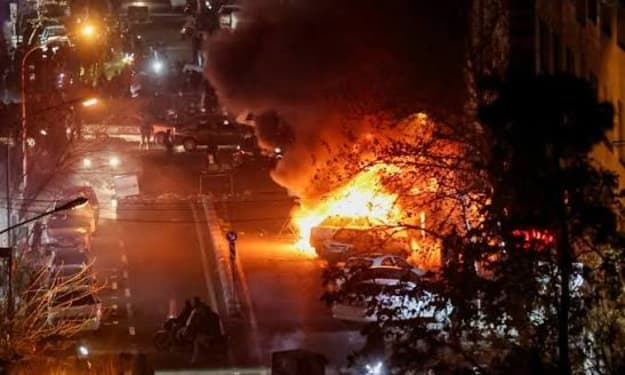
Questions After Iran’s Government Releases Victim List in Protest Killings. AI-Generated.
In a move that has sparked both surprise and suspicion, the Iranian government has released an official list of individuals killed during the widespread protests that erupted across the country. The release of the list, which was issued by the Ministry of the Interior, comes after weeks of international pressure and public outcry over the brutal crackdown on demonstrators. However, questions abound regarding the accuracy of the list and the government’s motivations behind the release. The Official List: Who’s Included and Who’s Missing? The Iranian authorities have confirmed the names of over 200 individuals who were reportedly killed during protests that erupted in September, following the death of Mahsa Amini in police custody. The protests, which began as a response to Amini's tragic death, quickly escalated into widespread demonstrations calling for greater freedoms, women’s rights, and political reforms. However, the release of the victim list has been met with skepticism. Human rights organizations have pointed out discrepancies, noting that the number of confirmed deaths is far lower than the estimates from independent sources. The government’s list includes individuals who were allegedly killed by “rioters” or “foreign agents” but does not account for those who were reportedly killed by security forces during the crackdown. “There is no transparency in this list,” said one human rights activist based in Tehran, who spoke on condition of anonymity. “The list released by the government only includes the names of people who died in circumstances that fit their narrative. It conveniently omits those killed by the authorities themselves, which could easily number in the hundreds.” Independent reports, including those from international organizations such as Amnesty International and Human Rights Watch, claim that the actual number of victims is far higher. They assert that the Iranian government’s actions in suppressing dissent—including the use of live ammunition, mass arrests, and torture—has led to a much higher toll than what has been publicly acknowledged. The Political Motivation Behind the List The release of the victim list is widely seen as part of the Iranian government's strategy to control the narrative surrounding the protests. By publishing a carefully curated list of names, the government appears to be trying to shape the conversation around the protests, framing them as the result of foreign interference and criminal violence rather than addressing the underlying issues of governmental repression and systemic injustice. “This list is a clear attempt by the regime to exonerate itself and redirect blame onto external forces,” said a political analyst who has closely monitored the protests. “By labeling the protestors as agents of foreign powers and presenting these deaths as part of the wider ‘enemy agenda,’ the government is hoping to legitimize its crackdown.” The Iranian authorities have frequently accused foreign governments, including the United States and European nations, of orchestrating unrest in the country. Tehran has also claimed that the protests were fomented by anti-revolutionary elements within the country, though there is little evidence to support these claims. The government’s insistence on casting the protests in this light stands in stark contrast to the demands of the protesters themselves, who have called for an end to restrictions on freedom of expression, the right to free assembly, and greater protections for women. The tragic death of Mahsa Amini served as a catalyst for the unrest, but many have emphasized that the protests represent a long-standing desire for political reform and social justice. International Reactions and Criticism The international community’s response to the release of the victim list has been swift and critical. Several foreign governments and human rights organizations have called for an independent, international investigation into the deaths and the government’s violent suppression of the protests. While some Western countries have sanctioned Iran’s leadership and officials, the Iranian government continues to reject outside intervention, framing the protests as an internal issue. “There must be a thorough and independent investigation into the deaths of these protesters,” said Agnes Callamard, the Secretary-General of Amnesty International. “The Iranian authorities have shown a complete disregard for human rights in their brutal treatment of peaceful protesters. The release of this list is insufficient and does not bring us any closer to accountability.” In the United States, lawmakers and human rights advocates have expressed outrage over the killings and the government’s continued crackdown on dissent. “The Iranian regime has once again demonstrated its willingness to trample on basic human rights to maintain its grip on power,” said a statement from the U.S. State Department. “We call for the immediate release of all those detained for exercising their fundamental rights and for an end to the violent repression.” European Union officials have echoed these sentiments, calling on Tehran to allow an independent investigation and hold those responsible for the killings accountable. Yet, despite mounting international pressure, the Iranian government remains defiant, continuing to label the protests as acts of sabotage and terrorism. What Happens Next? As the situation in Iran continues to evolve, the key question remains whether the release of the government’s victim list will lead to meaningful change or whether it will further entrench the status quo. Some believe that the list is just the beginning of a broader government effort to control the narrative and prevent further unrest. Others worry that it will lead to increased repression in the coming weeks. The protest movement, which has been sustained by a diverse coalition of Iranians from different political and social backgrounds, shows no signs of waning. The brutal response from the government has only intensified the resolve of many protesters, who remain determined to press for change despite the threats of violence and imprisonment. “The government is trying to hide the truth,” said a university student involved in the protests. “But we won’t stop fighting until we see real justice. The world is watching, and we are not going away.” The coming weeks and months will be critical in determining whether the Iranian authorities will face pressure to change their tactics, or whether the international community will be able to hold them accountable for the deaths of protesters. For now, the protests continue, and the questions surrounding the government’s release of the victim list remain unanswered. Conclusion While the release of the victim list by the Iranian government may be seen as an attempt to quash international criticism and deflect attention from the true scale of the killings, it also raises larger questions about the ongoing struggle for human rights in the country. As the protests persist and the world continues to scrutinize Iran’s actions, it is clear that the pursuit of justice for those who have died will not be silenced by the government’s carefully crafted narratives.
By Fiaz Ahmed 4 days ago in The Swamp
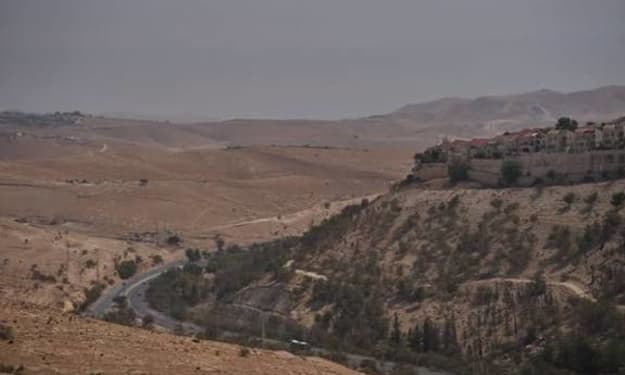
Florida bill seeks to ban use of ‘West Bank’ in schools and state agencies. AI-Generated.
A proposed bill in Florida has ignited fierce debate after seeking to prohibit the use of the term “West Bank” in public schools and state agencies, replacing it with language that aligns more closely with Israeli government terminology. Supporters of the measure argue that it promotes political neutrality and consistency, while critics say it amounts to censorship and erases Palestinian identity and history from educational and government discourse. The bill, introduced by a group of Republican lawmakers, would require state-funded institutions to avoid the term “West Bank” in official documents, lesson plans, and communications. Instead, agencies and schools would be encouraged to use alternative geographic descriptors, such as “Judea and Samaria,” a term commonly used by Israeli authorities and some pro-Israel advocacy groups. If passed, Florida would become the first U.S. state to formally restrict the use of the widely recognized international term in its education system and administrative language. Political Motivation and Legislative Intent Sponsors of the bill say the goal is to prevent what they describe as “politically loaded language” from being used in classrooms and government materials. One lawmaker backing the proposal said the legislation is meant to ensure that state institutions “do not promote terminology that implies political conclusions about disputed territory.” The bill reflects Florida’s increasingly active role in shaping policies related to the Israel-Palestine conflict. In recent years, state leaders have passed laws penalizing companies that boycott Israel and have strengthened ties with Israeli institutions through trade and academic agreements. “This is about accuracy and fairness,” one sponsor said during committee hearings. “We don’t want Florida students being taught one-sided narratives about complex international conflicts.” However, opponents argue that the term “West Bank” is not partisan but is recognized by the United Nations, the U.S. State Department, and nearly every international organization. They contend that banning it signals political alignment rather than neutrality. Educational and Academic Concerns Teachers, historians, and civil liberties organizations have raised alarm about the bill’s potential impact on academic freedom. Educators worry that restricting commonly used terminology will undermine their ability to teach Middle Eastern history accurately and critically. “The West Bank is a standard term in geography and international law,” said one high school history teacher in Miami. “If we can’t use it, how do we explain the Oslo Accords, the Six-Day War, or current events in a way that aligns with textbooks and global understanding?” University faculty associations have also criticized the proposal, warning that it sets a precedent for government interference in scholarly language. They fear the bill could lead to further restrictions on how controversial topics are discussed in classrooms. The American Civil Liberties Union of Florida released a statement calling the bill “an unconstitutional attempt to impose political ideology on education,” adding that language bans threaten free speech and intellectual inquiry. Palestinian and Arab American Response Palestinian and Arab American groups have expressed outrage at the proposal, saying it erases Palestinian identity and legitimizes occupation policies. Activists argue that the term “West Bank” has been used for decades to describe territory captured by Israel in 1967 and remains central to international peace negotiations. “This bill doesn’t just change words—it changes reality,” said a spokesperson for a Florida-based Palestinian advocacy group. “You cannot simply rename a place and expect people to forget the millions of Palestinians who live there.” Community leaders also fear the legislation will contribute to discrimination and marginalization of Palestinian students. They worry that restricting terminology will discourage discussion of Palestinian history and suffering, making classrooms less inclusive for Arab and Muslim students. Some parents have voiced concerns that their children will be taught politically filtered narratives rather than globally accepted facts. Legal and Constitutional Questions Legal experts say the bill could face challenges in court if enacted. Restricting specific geographic terms raises First Amendment concerns, particularly when applied to public education and government communication. “Courts have consistently ruled that the government cannot mandate ideological speech or suppress widely accepted terminology simply because it is politically inconvenient,” said a constitutional law professor at a Florida university. “This law could be struck down as viewpoint discrimination.” Opponents also argue that the measure could conflict with federal foreign policy language. The U.S. government continues to use the term “West Bank” in diplomatic statements and policy documents, which could place Florida agencies in contradiction with federal standards. Broader Cultural and Political Context The bill arrives at a time of heightened tensions following the war in Gaza and renewed global debate over Israel-Palestine policy. Across the United States, school boards and universities have become battlegrounds for discussions about how the conflict should be taught and discussed. Florida has already passed legislation restricting certain political and social concepts in classrooms, including laws targeting diversity initiatives and what lawmakers call “divisive topics.” Critics see the West Bank proposal as part of a broader trend of politicizing education. Supporters counter that parents want greater oversight of what is taught in schools and argue that the state has a responsibility to ensure materials are not biased. “This is about protecting students from propaganda,” one lawmaker said. “We want them to learn facts, not political activism.” What Comes Next The bill is expected to face intense debate in legislative committees before heading to a full vote. Advocacy groups on both sides are mobilizing, with protests planned at the state capitol and letter-writing campaigns aimed at lawmakers. If approved, the law would take effect next academic year and require schools and agencies to revise curricula, maps, and official communications. That process could be costly and legally complicated. For many Floridians, the issue goes beyond terminology. It raises fundamental questions about who controls historical narrative, how international conflicts are taught, and whether government should dictate language in education. As one student activist put it, “This isn’t just about a word. It’s about whether classrooms are places for learning—or for politics.” The outcome of the bill could shape not only Florida’s education system but also set a precedent for how U.S. states engage with sensitive global issues in the classroom.
By Fiaz Ahmed 4 days ago in The Swamp
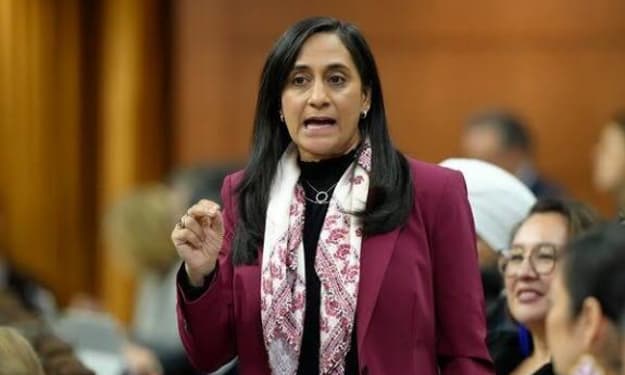
Any Decision to Join U U.S. Critical Minerals Bloc Will Be Part of USMCA Talks, Anand Says. AI-Generated.
As global demand for critical minerals, such as lithium, cobalt, and nickel, continues to surge, the pressure on nations to secure reliable sources of these resources has reached new heights. In the context of this growing geopolitical competition, Canada's decision on whether to join the United States’ critical minerals bloc will be intertwined with ongoing talks surrounding the United States-Mexico-Canada Agreement (USMCA), according to Canadian Minister of Innovation, Science, and Industry, François-Philippe Champagne. The U.S. has been actively courting its neighbors in North America to bolster supply chains for critical minerals in a bid to secure the resources necessary to meet the needs of an increasingly green and digital economy. These minerals are essential in the manufacturing of electric vehicles (EVs), batteries, and various other green technologies, making them highly sought after in the global market. The Biden administration, in particular, is aiming to reduce the reliance on foreign sources, particularly those from China, for these vital resources. The U.S. Critical Minerals Bloc: A New Geopolitical Push The United States’ push to form a bloc with Canada and Mexico for critical minerals is part of a broader strategy to ensure the resilience and security of its supply chains, particularly for industries essential to the clean energy transition. The critical minerals bloc would essentially ensure that North America works together to secure mining, processing, and recycling of these minerals within its borders, creating a domestic supply chain that is less reliant on countries with less stable geopolitical relationships. In recent months, the U.S. has signaled that it would be more than willing to incentivize its North American neighbors to align with its push for critical minerals autonomy. This has included discussions on how trade arrangements, such as the USMCA, can be leveraged to encourage such collaboration. Given Canada’s vast mineral resources—especially in regions such as Quebec, Ontario, and British Columbia—the question has now arisen as to whether Canada will formally commit to such a bloc, or whether it will continue to maintain independent trade relationships with other global suppliers. Minister Champagne recently stated that any decision on Canada’s participation in the U.S. critical minerals bloc would be discussed as part of the ongoing USMCA talks, suggesting that economic and trade considerations will be at the forefront of this decision. This position underscores how intertwined national security, energy policy, and international trade are becoming in the current geopolitical climate. Canada’s Strategic Position Canada is uniquely positioned in the global mineral supply chain due to its abundant reserves of critical minerals, including lithium, nickel, copper, and cobalt. These minerals are not only essential to the green transition but also have significant strategic value. However, Canada is also mindful of its trade relationships beyond the U.S., particularly with the European Union and China, both of which are heavily invested in securing access to these same minerals. Canada’s decision to align itself with the U.S. on critical minerals would represent a significant step in deepening the economic and geopolitical ties between the two nations. However, it is a decision fraught with complexity. On one hand, cooperation with the U.S. could strengthen Canada’s position as a global supplier of critical minerals, fostering more robust trade ties with its southern neighbor. On the other hand, it could risk disrupting Canada’s existing relationships with other global players, including China, which is a major importer of Canada’s resources. Canada’s own energy transition goals may also complicate this decision. While Canada has positioned itself as a leader in environmental sustainability, it is also deeply integrated into global energy markets, many of which are still reliant on fossil fuels. Balancing the demands of a green transition while ensuring energy security and economic growth will be a delicate challenge for Canadian policymakers. The Role of USMCA in the Equation The USMCA, which replaced the North American Free Trade Agreement (NAFTA), has already significantly shaped trade relations between the U.S., Canada, and Mexico. The agreement includes provisions aimed at strengthening labor standards, environmental protection, and intellectual property rights, as well as improving trade in agricultural and industrial goods. However, the rapidly changing landscape of global energy and mineral supply chains is now pushing critical minerals to the forefront of USMCA discussions. Anand's comments indicate that Canada will weigh its options carefully as it assesses the U.S. push for cooperation on critical minerals. The USMCA talks offer Canada an opportunity to negotiate favorable terms that align with its national priorities, particularly when it comes to sustainable development and market access. Canada's mineral-rich provinces are eager to tap into the growing demand for these resources, but they also want to ensure that any deal benefits their local economies and environmental standards. While the U.S. has been pushing for more direct control over critical minerals within North America, Canada’s approach has traditionally been more cautious. This cautious stance is not just about economic considerations; it also reflects broader geopolitical dynamics. Canada’s political culture favors multilateralism and engagement with global partners, and there is concern that too close an alignment with the U.S. could alienate other trading partners, especially as China continues to play an important role in global mineral supply chains. Opportunities and Challenges Joining the U.S. critical minerals bloc could present several benefits for Canada. In addition to strengthening trade relations with its largest trading partner, Canada would gain preferential access to U.S. markets for its minerals and could potentially benefit from U.S. incentives aimed at boosting domestic mining and processing capacity. As the clean energy sector grows, this could translate into long-term economic opportunities for Canada’s mining sector. However, the potential for exclusionary policies that favor U.S. companies in the extraction, processing, and refining of critical minerals remains a point of contention. Canada's participation in the bloc may require it to align its own mining policies with U.S. standards, which could have far-reaching implications for environmental protection and indigenous rights, issues that are particularly sensitive in Canada. Furthermore, Canada will need to ensure that it is not overly reliant on the U.S. for trade in critical minerals. Maintaining a diverse set of trade partners, including European and Asian markets, will be crucial for balancing geopolitical risks and ensuring the stability of Canada’s mining sector. Conclusion: A Decision That Will Shape the Future of North American Trade As discussions continue within the USMCA framework, Canada’s decision on whether to join the U.S. critical minerals bloc will have profound implications for both its economic future and its geopolitical standing. While there are significant benefits to closer cooperation with the U.S., especially in the rapidly expanding green energy sector, Canada must also consider its broader strategic interests, including maintaining strong, balanced trade relationships with other global powers. In the coming months, as the global demand for critical minerals intensifies and the geopolitical landscape evolves, this decision will be one of the most important that Canadian policymakers face. How Canada chooses to navigate this issue within the broader context of the USMCA talks will shape the country’s role in the future of global mineral supply chains and its long-term economic trajectory.
By Fiaz Ahmed 4 days ago in The Swamp
Most Preventable Cancers Are Linked to Just Two Lifestyle Habits. AI-Generated.
Cancer remains one of the leading causes of death worldwide, and while the medical community has made significant strides in early detection and treatment, the battle against cancer is far from over. What’s often overlooked, however, is that many cancers are highly preventable. In fact, research indicates that the majority of cancer cases can be traced back to two lifestyle factors: smoking and poor diet. While genetic factors and environmental exposures undoubtedly play a role in cancer development, lifestyle choices are by far the most significant contributors to the development of many types of cancer. According to the World Health Organization (WHO), nearly one-third of cancers are preventable through lifestyle changes, particularly in relation to smoking and diet. In light of this, experts are urging the public to reconsider their daily habits and make changes that could save lives. Smoking: The Leading Cause of Preventable Cancer It’s well-established that smoking is the single largest preventable cause of cancer worldwide. Tobacco use is directly linked to a wide range of cancers, including lung, throat, mouth, and pancreatic cancers. According to the American Cancer Society, smoking is responsible for approximately 30% of all cancer-related deaths in the United States. When people smoke, they are inhaling over 7,000 chemicals, many of which are known carcinogens. These harmful substances damage cells and DNA, leading to mutations that increase the likelihood of cancer. Smoking not only affects the lungs but also increases the risk of cancers in other parts of the body, such as the bladder, kidney, cervix, and liver. In addition to directly causing cancer, smoking weakens the immune system, making it more difficult for the body to fight off cancerous cells. For those who continue to smoke, the risk of developing cancer increases with the duration and intensity of tobacco use. But the good news is that smoking-related cancers are among the most preventable. Studies show that quitting smoking—at any age—can significantly reduce the risk of developing cancer, with former smokers seeing a dramatic decrease in their risk over time. “Quitting smoking is the most important thing you can do to reduce your risk of cancer,” says Dr. Emily Harris, an oncologist with the National Cancer Institute. “Even if you’ve smoked for years, it’s never too late to stop. Your body starts healing the moment you quit.” Poor Diet: The Silent Contributor The second major factor contributing to preventable cancers is diet. While it may not seem as immediately harmful as smoking, poor eating habits can have a profound impact on cancer risk. Studies consistently show that diets high in processed foods, red meats, and unhealthy fats can increase the likelihood of developing various types of cancer, including colorectal, breast, and prostate cancers. One of the most concerning aspects of modern diets is the overconsumption of processed and fast foods, which are often high in sugars, unhealthy fats, and additives. These foods contribute to obesity, which is a known risk factor for several types of cancer. In fact, the World Cancer Research Fund estimates that nearly 20% of cancer cases are linked to obesity and poor dietary choices. Research has also shown that diets low in fiber, fruits, and vegetables can contribute to cancer risk. A lack of fiber in the diet can disrupt the digestive system, leading to inflammation and a higher likelihood of cell mutations that can lead to cancer. Additionally, diets rich in antioxidants, such as those found in fruits and vegetables, can help protect the body’s cells from damage and reduce the risk of cancer. Another concerning dietary habit is the consumption of excessive alcohol. Alcohol is a known carcinogen, and excessive drinking has been linked to cancers of the liver, mouth, throat, and esophagus. The more alcohol a person drinks and the longer they drink, the higher their risk of developing alcohol-related cancers. Experts recommend limiting alcohol intake or, ideally, avoiding it altogether to reduce cancer risk. The Role of Prevention: Simple Steps to Reduce Cancer Risk The connection between smoking, poor diet, and preventable cancers highlights the importance of prevention. While genetics and environmental factors may increase the risk of cancer, lifestyle habits are within our control, and making healthy choices can significantly lower the chances of developing the disease. To reduce cancer risk, experts recommend several lifestyle changes: Quit Smoking: If you smoke, quitting is the single most important thing you can do for your health. Smoking cessation programs, nicotine replacement therapy, and support groups can help make the process easier. Adopt a Healthy Diet: Focus on eating a balanced diet rich in whole foods, including fruits, vegetables, whole grains, and lean proteins. Limit processed foods, red meats, and unhealthy fats, while incorporating more plant-based foods into your meals. Maintain a Healthy Weight: Aim to maintain a healthy weight by balancing calorie intake with physical activity. Obesity is a major risk factor for many cancers, so keeping your weight in check can help reduce your risk. Exercise Regularly: Physical activity has been shown to lower the risk of several types of cancer. Aim for at least 150 minutes of moderate exercise or 75 minutes of vigorous exercise per week. Limit Alcohol Consumption: If you drink, do so in moderation. The American Cancer Society recommends no more than one drink per day for women and two drinks per day for men. Stay Regular with Screenings: Early detection through screenings, such as mammograms, colonoscopies, and pap smears, can help catch cancers early, when they are most treatable. By making these lifestyle changes, individuals can take significant steps toward reducing their risk of cancer. Experts agree that prevention is key and that many cancers that seem inevitable may, in fact, be avoided with the right choices. The Importance of Public Awareness While much has been done to raise awareness about the link between smoking and cancer, much more needs to be done to educate the public about the role of diet in cancer prevention. Schools, workplaces, and public health organizations must continue to spread the message about the importance of healthy lifestyle choices. “We need to change the way people think about cancer prevention,” says Dr. Harris. “It’s not just about getting regular check-ups. It’s about taking care of your body every day through the choices you make. Simple changes in diet and lifestyle can make a world of difference.” The fact that most preventable cancers are linked to just two lifestyle habits—smoking and poor diet—serves as a reminder that many cancer cases are not inevitable. By making healthier choices, we can collectively reduce the global cancer burden and improve quality of life for millions of people worldwide.
By Fiaz Ahmed 4 days ago in Longevity
Melania Is a Rubbish Film. Of Course, the Man Who Defunded the Arts Loves It.. AI-Generated.
The film Melania—a biographical drama focusing on the life of the former First Lady of the United States, Melania Trump—has drawn considerable attention, not just for its content, but for the vitriol it’s provoked. Released in an era dominated by polarized opinions and deep divides over the Trump legacy, the film's lack of nuance and its superficial approach to one of the most controversial figures in American politics has left audiences and critics alike shaking their heads in disbelief. Yet, unsurprisingly, it has found favor with a particular group: those who have long disregarded the importance of the arts. This, of course, is not a coincidence. The film’s patronage and its overwhelmingly positive reception from certain political figures—particularly those with a history of defunding cultural initiatives—speak volumes about its place in the broader political and cultural landscape. The alliance between politics and film is nothing new, but the intersection between political figures who routinely dismiss the significance of the arts and their celebration of Melania feels particularly jarring. A Shallow Portrait of a Complex Figure At its core, Melania seeks to humanize the often-stereotyped figure of Melania Trump, but it fails to explore the depth of her personal story or political entanglements in a meaningful way. Instead, the film offers a glossed-over portrayal, painting her as a passive victim of circumstance rather than a complex individual navigating the turbulent waters of global politics, fame, and public scrutiny. The film seems more interested in sensationalizing her appearance and persona rather than investigating the power dynamics of her relationship with her husband, Donald Trump, or her role in shaping the image of the Trump administration. Instead of a nuanced exploration of her life, the film delivers a series of superficial scenes—awkwardly constructed montages and one-dimensional dialogue—that only serve to reduce the subject to a caricature. Director and writer are both complicit in creating a film that plays to the basest instincts of its audience, offering little in the way of substantial critique or introspection. There’s no real exploration of how Melania Trump’s upbringing in Slovenia, her career as a model, or her often-contentious relationship with the media and public eye shaped her as a person and political figure. The audience is instead left with an image of a woman who is, for lack of a better term, a pawn in a political drama larger than herself. For a film purportedly about her life, it misses the mark on portraying her as anything other than a passive figure. The Man Who Defunded the Arts Enter the political figures who celebrate Melania as a triumph—a group that includes individuals who have a long history of defunding the arts and slashing budgets for cultural initiatives. This relationship between a film like Melania and these policymakers is no accident. The film fits squarely into the ethos of the political establishment that views the arts not as a vital part of society but as a luxury that should be stripped away in the name of fiscal conservatism. It’s no secret that many of these figures have long sought to dismantle cultural funding, whether through direct cuts to arts budgets or the erosion of educational and creative programs. These are the same politicians who, when given the choice to support the public good, often prioritize tax cuts for the wealthy over investing in the communities that make up the cultural and artistic backbone of society. So, when they give their endorsement to Melania, a film that seems more interested in capitalizing on political spectacle than producing art of substance, it speaks volumes about how they view cultural production. It’s not about creating meaningful discourse or exploring complex topics; it's about leveraging entertainment to serve a political narrative—one that fits their worldview and supports their agenda. A Blatant Attempt at Political Branding While the film presents itself as an attempt at telling the story of Melania Trump’s life, it also works as a piece of political branding. The portrayal of Melania in Melania aligns perfectly with the way she was presented during her time as First Lady: a silent, glamorous figure with little to say or contribute beyond her image. This lack of depth in the portrayal of Melania mirrors the broader political effort to reduce her to a figurehead. This film, like much of her public image, is crafted to ensure that she remains a symbol rather than an actual person with thoughts, ambitions, and agency. It’s this absence of substance that allows the film to align so perfectly with the interests of its supporters. Rather than challenging the audience or asking them to engage with complex ideas, it serves up a version of reality that is digestible, simple, and safe. This is the kind of film that appeals to people who prefer things to remain as they are—where art exists not to question the status quo but to reinforce it. The Question of Art and Value In the end, Melania raises important questions about the value of art and its relationship with politics. At a time when cultural projects are continually under threat of being underfunded or completely dismantled, the reception of a film like Melania—a film that fails to meet basic artistic standards—serves as a stark reminder of how art can be co-opted for political purposes. When the same politicians who are responsible for defunding the arts celebrate a shallow and politically convenient piece of cinema, it’s clear that art has become another tool in the political toolbox. Rather than being an outlet for self-expression or social change, it is reduced to a means of serving a specific agenda. In the case of Melania, the film reflects a troubling trend in political and cultural circles—a move away from investing in art that challenges the status quo in favor of art that serves to reinforce it. Unfortunately, that’s not the kind of art that inspires change or prompts meaningful conversation. It’s art that is content to maintain the status quo, and perhaps that’s exactly what the people who fund it want. Conclusion Ultimately, Melania may not be the artistic triumph that some hoped for, but it provides an insightful look at the intersection of politics and culture. It’s a film that reflects the priorities of the individuals who funded it and those who endorse it—priorities that often value spectacle over substance and branding over true artistic exploration. For those looking for a deeper understanding of Melania Trump or the issues she represents, Melania is a disappointment. But for those more interested in political messaging and reinforcing the status quo, it may be just the right film.
By Fiaz Ahmed 4 days ago in The Swamp
Flawed Economic Models Mean Climate Crisis Could Crash Global Economy, Experts Warn. AI-Generated.
As the world grapples with increasingly severe climate events, experts are raising alarms about the long-term implications of the climate crisis on the global economy. A growing body of research suggests that current economic models—rooted in concepts of infinite growth, consumerism, and exploitation of finite resources—are dangerously inadequate for addressing the impacts of climate change. These models, experts warn, could very well lead to economic collapse if the global community fails to radically rethink its approach to growth, development, and environmental responsibility. The idea that economic growth can continue unabated, regardless of environmental limits, has been the guiding principle for policymakers and financial systems for decades. But, as climate-related disasters worsen and ecosystems teeter on the brink of collapse, the traditional economic paradigms are beginning to show cracks. According to a group of leading economists, the climate crisis is not just an environmental issue but an existential economic one, with the potential to cause widespread disruption and even a systemic collapse of the global economy. The Flaws of Current Economic Models At the heart of this concern lies the unsustainable nature of economic models that prioritize continuous growth at all costs. Most global economies, particularly in developed nations, are built on the assumption that resources—whether fossil fuels, land, or raw materials—are plentiful and that consumption can keep rising indefinitely. This assumption is fundamentally flawed, as it overlooks the fact that the Earth’s resources are finite and that the degradation of these resources, caused by unchecked exploitation, will inevitably create severe economic and social consequences. The economic models that dominate global finance also tend to disregard the long-term impacts of environmental degradation, focusing instead on short-term profits and GDP growth. This has resulted in policies that subsidize industries responsible for massive carbon emissions, such as fossil fuels, agriculture, and manufacturing, while undermining efforts to transition to a more sustainable economy. Furthermore, these models ignore the reality of climate risks—natural disasters, droughts, floods, and rising sea levels—which are already disrupting production, trade, and infrastructure in many parts of the world. In an interview with The Guardian, Dr. Elizabeth Gannon, a professor of environmental economics, pointed out, “We are building economic systems based on the assumption that we can continue consuming the planet’s resources indefinitely. But climate change is making it clear that this is not only unsustainable—it’s catastrophic.” How Climate Change Will Impact the Global Economy The economic impacts of climate change are already being felt across the globe, from supply chain disruptions to increased insurance premiums and infrastructure damage. Economists predict that the effects will only intensify, with some arguing that climate change could trigger a new global recession or even an economic collapse. One of the most immediate threats is the disruption of global supply chains, particularly in industries that rely on agricultural production and natural resources. Rising temperatures, extreme weather events, and changing precipitation patterns are already wreaking havoc on crop yields, especially in regions like sub-Saharan Africa, Southeast Asia, and parts of South America. This is likely to lead to food shortages, which will further increase prices and contribute to global inflation. In addition to agricultural disruptions, rising sea levels and stronger storms threaten coastal cities, where many of the world’s economic hubs are located. In the United States alone, cities like Miami, New York, and New Orleans are experiencing the effects of rising sea levels, while European cities like Venice and Rotterdam are also at risk of flooding. This type of infrastructure damage not only disrupts local economies but also has broader ramifications for global trade, as many ports and shipping routes are located along coastlines. The economic risks of climate change are not limited to physical damage. Financial markets are increasingly recognizing the long-term risks of climate-related disasters, and investors are beginning to pull out of industries that are seen as vulnerable to climate change. The fossil fuel industry, in particular, is facing growing divestment, with major investors shifting their portfolios to more sustainable assets. As a result, oil, gas, and coal companies are facing financial instability, and entire sectors of the global economy are at risk of collapsing or being dramatically transformed. Reimagining Economic Models for Sustainability Given the urgency of the situation, many economists and environmentalists are calling for a complete overhaul of current economic models. One prominent proposal is the idea of degrowth, which suggests that economies should intentionally scale back production and consumption in order to reduce environmental impacts and prioritize long-term sustainability over short-term profits. Advocates of degrowth argue that the obsession with endless GDP growth has led to a crisis of overconsumption, resource depletion, and ecological collapse. Other proposals focus on the concept of a circular economy, which seeks to eliminate waste and promote the reuse and recycling of resources. In this model, products are designed with sustainability in mind, and industries work to create closed-loop systems where materials are reused instead of disposed of. A circular economy would reduce reliance on raw materials and minimize the environmental footprint of manufacturing and production. At the policy level, governments would need to implement robust regulations to curb carbon emissions, incentivize renewable energy adoption, and invest in green infrastructure. Carbon pricing mechanisms, such as carbon taxes or cap-and-trade systems, would encourage businesses to internalize the environmental costs of their operations and shift toward more sustainable practices. The transition to a low-carbon economy would also require large-scale investments in clean energy technologies, public transportation, and sustainable agriculture. In her recent speech at the United Nations Climate Change Conference, UN Secretary-General António Guterres stressed the importance of transforming economic models to prevent climate catastrophe: “The climate crisis is a financial crisis. The time to change our economic systems is now, before it’s too late.” Conclusion: A Path Forward The climate crisis presents a clear and present danger not only to the environment but to the global economy itself. As climate-related disasters intensify, experts warn that the current economic models, which are based on unsustainable growth and resource depletion, could crash the global economy. The time has come for radical reform—one that prioritizes sustainability, equity, and long-term resilience over short-term profits. While the path to a sustainable economy will not be easy, the alternative—economic collapse, widespread poverty, and environmental ruin—is far worse. By embracing new economic models and shifting our priorities, we can mitigate the impacts of climate change and build a future that works for both people and the planet.
By Fiaz Ahmed 4 days ago in Longevity
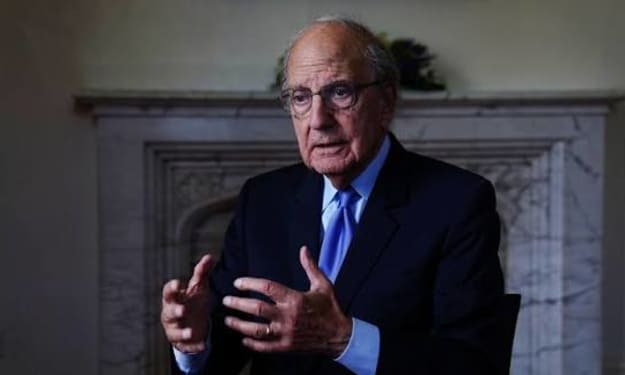
Calls for Mitchell to Lose Freedom of Belfast Over Epstein Links. AI-Generated.
In recent weeks, a growing number of voices have called for prominent British businessman and philanthropist, Sir Mitchell, to lose his Freedom of the City of Belfast due to his links with the disgraced financier Jeffrey Epstein. The pressure stems from allegations of Epstein’s involvement in serious criminal activity, including sex trafficking, which has caused public outcry around those who were associated with him. Mitchell, who was awarded the Freedom of Belfast in 2005 in recognition of his charitable work and contributions to the city, has faced increasing scrutiny due to his ties with Epstein. Critics argue that such associations tarnish the honor bestowed upon him by Belfast’s civic leaders, while others question how much the city’s governing bodies knew about Mitchell’s alleged relationship with the financier, who was arrested in 2019 on federal charges of sex trafficking of minors. While Mitchell has not been charged with any criminal wrongdoing in relation to Epstein’s activities, the mounting pressure to revoke his honorary title reflects broader concerns about accountability for those linked to Epstein’s network. As calls to strip him of his award intensify, Mitchell’s position is becoming increasingly untenable. A Controversial Friendship Sir Mitchell’s relationship with Jeffrey Epstein dates back to the early 2000s when the two men reportedly met at various high-profile events. Epstein, who was known for his connections to powerful figures in politics, business, and entertainment, maintained a network of influential friends and associates. Mitchell was one of those individuals, and the two men were photographed together at multiple gatherings over the years. However, it was only after Epstein’s arrest in 2019 that questions regarding the nature of these associations began to emerge. While Mitchell has consistently denied any involvement in Epstein’s criminal activities, his ties to the financier have raised eyebrows, particularly after the release of court documents and testimonies from Epstein’s victims. Many are questioning whether Mitchell was aware of Epstein's illegal actions, and whether his association with Epstein should be considered a stain on his character, especially considering the impact Epstein’s crimes have had on numerous lives. The call to strip Mitchell of his Freedom of Belfast comes amid broader scrutiny of individuals who were connected to Epstein, as public sentiment shifts toward demanding greater accountability from those who had associations with him. Critics argue that holding figures like Mitchell accountable is necessary to send a clear message that complicity—whether intentional or not—should not be overlooked. The Impact of Epstein’s Network Epstein’s arrest and subsequent death in prison in 2019 have sparked numerous investigations into the web of relationships he cultivated during his life. His connections spanned several industries, including finance, entertainment, and politics, and he was known to entertain some of the world’s most influential figures at his private island in the Caribbean, his New York mansion, and his properties around the world. Many of Epstein’s associates have faced backlash, even if they were not directly involved in his criminal activities. Some have had their reputations severely damaged, while others have faced legal consequences for their involvement. Prince Andrew, former U.S. President Bill Clinton, and former U.S. President Donald Trump have all been linked to Epstein in some capacity, and their associations have sparked widespread controversy. In the case of Mitchell, his association with Epstein does not appear to have involved any of the egregious criminal acts that Epstein is alleged to have orchestrated. However, the mere proximity to such a figure, especially one with Epstein’s record of sexual abuse and exploitation, is enough to cause significant public discomfort. For some, the idea of awarding the Freedom of Belfast to someone with such connections is an affront to the values of the city. Belfast, which has undergone its own process of reconciliation and healing after years of conflict, is now being asked to reflect on its own values in the context of its historical honors. Many Belfast residents and civic leaders believe that those who are bestowed with such recognition should reflect the highest moral standards and should be above reproach when it comes to ethical and legal matters. The Case for Revoking the Honor The call for Mitchell to lose his Freedom of Belfast is rooted in the desire to hold public figures accountable for their associations with figures like Epstein. The question being asked is whether someone who has been connected to Epstein—whose crimes included the abuse and trafficking of minors—should continue to hold a prestigious title, particularly one tied to a city that values human rights, justice, and ethical conduct. Belfast’s Freedom of the City honor is granted to individuals who have made significant contributions to society, and it is a symbol of the city’s respect and gratitude. However, as the city continues to evolve and reckon with the past, some argue that this honor should not be reserved for individuals with potentially damaging ties. A number of local politicians, as well as advocacy groups focused on human rights and women’s safety, have spoken out against Mitchell’s continued possession of the title. They contend that revoking his freedom would send an important message that Belfast does not condone associations with those who contribute to or benefit from harm. With public sentiment in favor of greater accountability, especially when it comes to high-profile figures connected to serious crimes, some believe that this is a necessary step for the city to take in order to uphold its values. Mitchell’s Defense Sir Mitchell, for his part, has maintained that he had no knowledge of Epstein’s criminal activities and has expressed his shock and dismay over the allegations that have since come to light. He has insisted that his interactions with Epstein were purely social and professional, and that he has not engaged in any illegal behavior. His defenders argue that stripping him of his title would be unfair, given that he has not been charged with any crime. Furthermore, they contend that the revocation of the Freedom of Belfast would set a dangerous precedent, where individuals could lose their public honors due to associations, rather than their own actions. According to some legal experts, this could open the door to a slippery slope of guilt by association, where public figures are judged solely by their relationships rather than their personal conduct. Conclusion: A Complicated Debate The calls for Sir Mitchell to lose his Freedom of Belfast over his links to Jeffrey Epstein reflect a broader societal debate about accountability and the consequences of personal associations. While Mitchell’s ties to Epstein have been a source of public controversy, there is no clear consensus on whether his actions—or lack thereof—merit the revocation of such a significant honor. What is clear, however, is that the Epstein scandal continues to reverberate throughout society, prompting questions about complicity, guilt, and the role of public figures in perpetuating or enabling harmful behavior. Whether or not Mitchell will ultimately lose his title remains to be seen, but the debate underscores the growing call for greater transparency and responsibility among those who hold power and influence in the modern world.
By Fiaz Ahmed 4 days ago in The Swamp
Some in Israel Question Its Influence Over U.S. as Iran War Decision Nears. AI-Generated.
As tensions between the U.S. and Iran continue to escalate, some voices within Israel are beginning to question the country’s longstanding influence over U.S. foreign policy. The mounting crisis, marked by increasing military confrontations in the Gulf and fears of an all-out war, has prompted Israeli leaders and analysts to reconsider whether Israel’s relationship with Washington will be enough to steer U.S. policy in the direction they desire. Historically, Israel has enjoyed a close and influential relationship with the United States, with American support acting as a cornerstone of Israeli security and political strategy. However, as President Joe Biden navigates increasingly complex geopolitical waters—balancing domestic pressures, international diplomacy, and the threat of nuclear escalation with Iran—Israel is finding itself in an uncertain position. In fact, some Israeli officials and analysts are asking whether Israel's influence over U.S. decisions on Iran is as potent as it once was. Israel's Historical Leverage over the U.S. For decades, Israel has enjoyed near-unwavering support from Washington, particularly in matters concerning security in the Middle East. From military aid and intelligence-sharing to political backing in the United Nations, the alliance between the two countries has been a pillar of U.S. foreign policy. Israel has been a consistent advocate for aggressive measures against Iran, especially its nuclear program, and has sought to persuade Washington to take a hard-line stance against Tehran. At the same time, Israel has made it clear that it views Iran as an existential threat, due to Tehran's support for militant groups in the region and its nuclear ambitions. Israeli officials have lobbied for years to ensure that the U.S. takes decisive action to curb Iran’s influence, whether through economic sanctions, military threats, or covert operations. However, in recent years, especially under President Biden, some analysts are beginning to question whether the close relationship between the U.S. and Israel has begun to fray. Biden, while maintaining support for Israel, has sought to distance the U.S. from the policies of the Trump administration, which was seen as especially favorable to Israeli interests. This has included efforts to revive the Joint Comprehensive Plan of Action (JCPOA), the nuclear deal that the Trump administration abandoned in 2018. Israel has vocally opposed the revival of the deal, fearing that it would allow Iran to strengthen its nuclear program in exchange for sanctions relief. Biden’s Approach: Balancing Israel and Iran President Biden’s foreign policy on Iran has thus far focused on diplomacy and de-escalation, seeking to re-enter the JCPOA and prevent further nuclear proliferation. This stance has been met with frustration from Israel, which has pushed for more direct action against Iran. Israeli officials have repeatedly warned that Iran’s nuclear program is progressing rapidly and that diplomacy may not be enough to halt Tehran’s ambitions. Some even argue that a military strike against Iran’s nuclear facilities may be necessary to prevent the country from obtaining nuclear weapons. Despite Israel’s concerns, Biden has maintained a cautious approach. While offering military support to Israel in the form of weapons systems like Iron Dome and expanding intelligence cooperation, Biden has also made it clear that he is prioritizing diplomacy with Iran. In part, this is due to domestic political pressures in the U.S., with many in Congress and the public expressing weariness over another Middle Eastern conflict, particularly one that could involve U.S. military intervention. Biden’s efforts to re-enter the nuclear deal have been complicated by the hard-line stance of Iran’s leadership, as well as a growing sense in the U.S. that Iran is not living up to its commitments under the agreement. This has led to increasing skepticism in Washington, with some lawmakers pushing for stronger measures against Iran, including additional sanctions and military options. Is Israel Losing Its Grip? Within Israel, there is a growing sense of unease about the shifting dynamics in U.S.-Israel relations. Some Israeli officials worry that the country’s influence over U.S. decisions on Iran is waning as the Biden administration pursues a more multilateral approach to diplomacy. Israel’s ability to shape U.S. policy may have been stronger during the Trump years, when then-President Donald Trump was a staunch ally of Israeli Prime Minister Benjamin Netanyahu and his hardline policies on Iran. The U.S. withdrawal from the Iran nuclear deal, the recognition of Jerusalem as Israel’s capital, and the peace agreements brokered through the Abraham Accords all reinforced the perception of Israel’s unassailable influence in Washington. However, with the Biden administration taking office, Israel’s role in influencing U.S. actions has become more contested. The diplomatic efforts to restore the Iran deal have seen Washington taking a more measured approach, balancing U.S. interests in the region with the growing need for international cooperation on nuclear nonproliferation. In light of this shift, some Israeli leaders are expressing frustration. “We’ve worked for years to ensure the U.S. stands with us on Iran, but we’re seeing the opposite happen,” said an anonymous Israeli official in an interview with Haaretz. “The Biden administration seems more concerned with appeasing Iran and European allies than with securing our safety.” Others are concerned that the U.S. is moving toward a more globalist foreign policy, one that seeks to ease tensions in the Middle East and avoid further conflict. This approach, they argue, could leave Israel vulnerable to a nuclear-capable Iran and undermine its strategic advantage in the region. The Road Ahead: A Crucial Crossroads As the potential for conflict with Iran looms larger, Israel’s role in shaping U.S. foreign policy on Iran will be tested. Will Israel’s strategic partnership with Washington be enough to sway American decisions, or will the shifting political landscape force Israel to take more unilateral action? With the nuclear threat growing and tensions in the region escalating, the decision on how to deal with Iran could be one of the most pivotal moments in recent U.S.-Israel history. In the coming months, the situation will likely come to a head as the Biden administration faces increasing pressure to decide on a course of action regarding Iran. Israel, for its part, will continue to advocate for a hardline stance against Tehran, but it may have to confront the reality that its influence over U.S. policy is not as powerful as it once was. For now, the question remains: Can Israel still count on the United States to prioritize its security, or is the balance of power in U.S.-Israel relations shifting toward a more cautious, multilateral approach to the Middle East?
By Fiaz Ahmed 4 days ago in The Swamp
Kindness Angels' helping city's rough sleepers. AI-Generated.
As urban landscapes become more complex and socioeconomic divides deepen, the issue of homelessness remains one of the most visible and pressing challenges facing cities worldwide. In the heart of this struggle, a group of volunteers has emerged as unsung heroes, offering hope, compassion, and a helping hand to those with no place to call home. Dubbed the “Kindness Angels,” this grassroots initiative has been instrumental in providing support to the city’s rough sleepers, many of whom live in the shadows of towering skyscrapers and bustling streets. The Kindness Angels aren’t a formal organization with vast financial resources; rather, they are a collective of individuals united by a deep sense of empathy and a commitment to tackling homelessness head-on. Their work is simple but transformative: offering food, clothing, and companionship to those on the streets, while also directing them to the necessary services that might help them get off the streets for good. Their efforts have not only provided material relief to rough sleepers but have also sparked a broader conversation about the root causes of homelessness and the role that community-based interventions can play in combating this persistent issue. The Growing Problem of Rough Sleeping Homelessness is a problem that often goes unnoticed by those who are not directly affected by it. For many, it’s a matter of walking past individuals sleeping on park benches or doorways, brushing off the discomfort, and continuing with their day. But for those on the streets, the situation is grim. According to recent statistics, over 100,000 people in the country are currently experiencing homelessness, and of those, a significant number are living on the streets, exposed to the elements and at the mercy of a system that often fails to provide the necessary support. Rough sleeping is not simply about lacking a roof over one’s head; it’s about living in constant vulnerability. The lack of shelter means exposure to harsh weather conditions, the risk of physical violence, and the mental toll of isolation. The stigma of being homeless only exacerbates these challenges, with many rough sleepers facing discrimination or indifference from the general public. This is where the Kindness Angels step in. What the Kindness Angels Do The Kindness Angels are made up of volunteers from all walks of life: from university students and retired teachers to social workers and business professionals. The group operates on the principle that small acts of kindness can make a significant difference in the lives of people who feel invisible or forgotten by society. The group’s members work across the city, particularly in areas where rough sleepers are known to congregate. Every evening, volunteers gather in designated meeting points, packing bags with hot meals, blankets, toiletries, and a range of other essentials that rough sleepers might need. These are then distributed across the city, often directly to individuals who are living on the streets. The Kindness Angels’ presence is a lifeline for many rough sleepers who would otherwise go without food or support. But the group’s work is not limited to material aid. Perhaps more importantly, the volunteers offer companionship and a listening ear, engaging in conversations with those they help and offering a sense of human connection that is often missing in the lives of people living in extreme poverty. “Sometimes, it’s not about what we give them—it’s about acknowledging their humanity,” says Sarah Hughes, one of the founding members of the Kindness Angels. “Many people we meet have been ignored for so long that just having someone take the time to speak to them can mean the world.” While providing immediate relief is important, the Kindness Angels also take a longer-term approach. They work closely with local shelters, mental health services, and addiction recovery programs to help rough sleepers transition off the streets. Volunteers often make referrals to these services, helping to guide individuals through the sometimes-complicated process of accessing support. “We’re not just providing a quick fix,” Sarah explains. “We want to give people the tools they need to rebuild their lives and reintegrate into society. Sometimes that means helping them get the paperwork they need, or even just sitting with them as they navigate a confusing system.” The Ripple Effect: Building a Stronger Community The Kindness Angels have been so successful not only because they provide much-needed assistance, but because they encourage a culture of compassion and community responsibility. By showing that homelessness isn’t just an abstract issue but one that requires action from all of us, the group has helped shift public attitudes toward rough sleepers. In a recent survey conducted by a local news outlet, the majority of respondents said that they felt more willing to engage with homeless individuals after learning about the Kindness Angels' work. This shift in perspective is exactly what volunteers hope to accomplish: to break down the stigma surrounding homelessness and inspire others to get involved. Through their work, the Kindness Angels have also become advocates for systemic change, lobbying local authorities to increase funding for homelessness services, better support mental health care, and provide more affordable housing. Many of the group’s volunteers have firsthand experience with the challenges of homelessness, either through personal experiences or through family members and friends who have lived on the streets. This gives their advocacy an authenticity that resonates with policymakers and the public. Personal Stories: Impact on Rough Sleepers For many rough sleepers, the Kindness Angels are not just a charity—they are a symbol of hope and human decency. John*, a 47-year-old man who has been living on the streets for several years, explains how the group has made a profound impact on his life. “I was skeptical at first. I’ve seen a lot of people come and go, giving food and moving on. But the Kindness Angels, they actually care. They took the time to listen to me. They helped me get connected with a shelter and even helped me find a job interview. I’m not where I want to be yet, but I wouldn’t have even had the chance if it wasn’t for them.” Stories like John’s are a testament to the importance of community-based solutions in addressing homelessness. While systemic changes are essential, initiatives like the Kindness Angels provide immediate, tangible support that can help individuals take the first step toward rebuilding their lives. The Future: Expanding the Mission As the initiative grows, the Kindness Angels hope to expand their efforts to other cities facing similar challenges. They are also focusing on increasing their impact by offering additional services such as financial literacy workshops, skills training, and mental health support. Volunteers are training in trauma-informed care to better address the complex needs of those they help. “We believe that by helping people one person at a time, we can make a real difference,” Sarah concludes. “It’s not just about providing meals—it’s about giving people the dignity and respect they deserve, and letting them know they’re not invisible.” In a world where kindness can sometimes feel scarce, the Kindness Angels’ work is a powerful reminder of the change that can be sparked by simple acts of compassion.
By Fiaz Ahmed 4 days ago in Humans
Aussie Workers Would Gain Easier Access to EU Under Trade Deal. AI-Generated.
Australia and the European Union (EU) have made a significant stride in trade relations with a new agreement that promises to ease access for Australian workers to the EU job market, marking a pivotal shift in the free movement of skilled labor between the two regions. The new trade deal, which is poised to benefit both sides economically, is expected to create long-term opportunities for Australian professionals, especially in sectors where skill shortages are prevalent in Europe. This development comes after years of negotiations and signals a deepening economic and diplomatic relationship between Australia and the EU. While the full details of the agreement are yet to be finalized, both parties have indicated that Australian workers—particularly those in high-demand industries such as technology, engineering, healthcare, and research—will see significant reductions in bureaucratic barriers and be afforded easier access to European job markets. Key Provisions of the Trade Deal The trade deal, described as a “comprehensive” agreement, includes several provisions aimed at promoting labor mobility. Under the terms being negotiated, Australian citizens will be able to apply for work visas more easily, cutting down on the paperwork and wait times that have previously hindered movement between the two regions. The deal is expected to establish a streamlined visa process, allowing Australian professionals to work in the EU for extended periods without being subjected to restrictive quotas or cumbersome regulations. In addition, the agreement also includes recognition of qualifications and professional standards. This provision is particularly important for skilled Australian workers who often face challenges in having their certifications and qualifications recognized across borders. The deal would allow for the mutual recognition of professional qualifications in a wide range of sectors, providing an essential lifeline for workers looking to capitalize on opportunities in the EU market. As a result of these changes, Australian workers would have enhanced opportunities in Europe, and employers in the EU would gain access to a highly skilled labor force, which is especially important in industries facing shortages. The ability to recruit from a larger talent pool is seen as a critical factor in the EU’s recovery from the economic impact of the COVID-19 pandemic and the resulting labor gaps. Economic Implications for Australia and the EU For Australia, the deal represents a significant economic opportunity. In recent years, many Australian professionals, particularly those in high-demand sectors, have sought better opportunities abroad, especially in Europe. A deal that facilitates access to the EU job market could serve as an economic boon for Australia, encouraging skilled workers to stay or return home while ensuring the country's workforce remains internationally competitive. Additionally, the trade agreement is expected to strengthen Australia’s export market, especially in agricultural and manufacturing sectors, which have been a mainstay of the nation’s international trade. Access to the EU market under favorable terms could lead to increased exports of Australian products, providing a boost to the national economy. This aligns with Australia’s broader trade strategy of diversifying its export destinations beyond its traditional trading partners, such as China. For the EU, the deal presents an opportunity to address ongoing labor shortages in key sectors. The COVID-19 pandemic exposed vulnerabilities in many European economies, including a shortage of skilled workers. By opening up easier access to skilled labor from Australia, the EU hopes to fill gaps in industries such as healthcare, engineering, IT, and research, ensuring economic recovery is supported by a stable, qualified workforce. The Impact on Australian Workers For Australian workers, this trade deal is expected to open up exciting opportunities for personal and professional growth. One of the biggest advantages is the reduction in bureaucratic red tape, which often discourages workers from seeking jobs abroad. By facilitating easier access to the EU job market, Australian professionals, especially in high-skill fields, will have greater mobility to explore new career prospects in a diverse range of European countries. Additionally, the deal promises to be a game-changer for Australian students and graduates. With universities in Australia often offering internationally recognized qualifications, many graduates find it challenging to translate their qualifications into overseas employment opportunities. This new agreement will allow graduates to enter the European job market with more confidence, knowing their degrees and skills are recognized, giving them a competitive edge when looking for work. For young professionals, the EU’s vibrant job markets, particularly in cities like Berlin, London, and Amsterdam, offer exciting prospects in fields such as technology, finance, and design. The visa relaxation is expected to be a key factor in attracting talent from Australia, which has long faced a “brain drain” as many professionals have moved abroad to seek higher wages and better opportunities. Reactions to the Agreement The trade deal has been welcomed by many business and industry leaders on both sides. Australian trade ministers have hailed the deal as a “historic moment,” while their European counterparts have emphasized the importance of strong ties between Australia and the EU. Both parties have recognized that collaboration on labor mobility will enhance the global competitiveness of their economies, especially as the world emerges from the pandemic-induced recession. However, the agreement has also been met with some concern. Critics argue that an influx of foreign workers could exacerbate unemployment issues within certain sectors in the EU, particularly as the continent navigates the post-pandemic recovery phase. Some labor unions in Europe have voiced concerns that prioritizing foreign talent could undermine local job markets, especially in industries already grappling with labor surpluses. Conclusion The new trade agreement between Australia and the EU marks a significant shift in the international mobility of skilled labor. By providing Australian workers with easier access to the EU job market, the deal promises to boost opportunities for professionals in a variety of sectors, from technology to healthcare, while addressing skill shortages in Europe. Though it remains to be seen how the agreement will unfold in practice, both Australia and the EU stand to gain from this enhanced labor mobility and the economic growth it is likely to stimulate. As the details of the deal continue to emerge, it is clear that this new arrangement will play a key role in shaping the future of global workforces, offering greater freedom of movement for skilled professionals and fostering deeper economic ties between Australia and Europe.
By Fiaz Ahmed 4 days ago in The Swamp
Dracula Review: A Gothic Tale Reimagined for Modern Audiences. AI-Generated.
When Bram Stoker first penned Dracula in 1897, he created more than just a horror novel; he forged the template for vampire mythology that continues to captivate audiences over a century later. From films to television series, Dracula has been reimagined countless times, but the latest adaptation seeks to balance the original gothic charm with a modern sensibility. The result? A bold and intriguing rethinking of one of literature’s most iconic figures, but also a reminder of why the classic still holds its own. Plot Overview The latest iteration of Dracula comes from the creative minds behind Sherlock, Steven Moffat and Mark Gatiss. This version of the legendary vampire is structured around a three-part miniseries, each episode running an hour and a half. Set in 1897, the story follows the infamous Count Dracula (played by Claes Bang) as he plots to leave Transylvania and invade England. However, this time, the focus is not just on Dracula’s evil machinations but also on the female characters, particularly Sister Agatha (Dolly Wells), a resourceful nun who sets herself up as Dracula’s nemesis. The show begins with the well-known origin story of Dracula’s rise, with an intriguing twist. Dracula, a master of manipulation and seduction, is depicted as more than just a bloodsucker. He is a figure of intellect and strategic genius, using his supernatural powers not only for killing but also for self-preservation. Unlike many previous iterations, Moffat and Gatiss present him as both a force of pure evil and an embodiment of society’s fears and desires. Performance and Casting Claes Bang’s portrayal of Count Dracula is, without a doubt, one of the most compelling parts of this adaptation. He exudes charisma and menace with equal precision, imbuing Dracula with a complexity that pushes the character beyond the typical portrayal of a mere villain. His performance conveys a layered personality—a being both ancient and alluring, calculating and dangerously charming. However, the true standout in this series is Dolly Wells as Sister Agatha. What could have easily been a traditional ‘final girl’ role is instead given a much-needed update, with Agatha being both a formidable antagonist and a surprisingly complex character. The dynamic between her and Dracula provides some of the most interesting moments of the show, as the tension between good and evil is explored with nuance. Her wit, strength, and resolve make her an excellent foil to Dracula's unyielding malevolence. The rest of the supporting cast, including a range of characters in Dracula's path of destruction, holds their own but often fall short when compared to the central performances. Nonetheless, they serve to further the plot, providing Dracula with the means and obstacles he needs for his wicked schemes. Cinematic Visuals and Atmosphere One of the greatest strengths of Dracula lies in its visual aesthetic. The show embraces the gothic nature of the story, using intricate, atmospheric settings that heighten the tension and eeriness of the tale. From the dark, towering walls of Dracula’s Transylvanian castle to the Victorian mansions of London, every set is meticulously designed to evoke the mood of the original novel while enhancing the story’s modern twist. The show’s cinematography is rich with deep shadows and hauntingly beautiful shots that emphasize the themes of isolation, corruption, and the supernatural. A standout scene occurs in the first episode, where Dracula’s entrance into a new world is marked by a stormy, foreboding atmosphere, complete with creeping fog and the faint sound of organ music. These visuals help to immerse the viewer into the world of Dracula, reinforcing the timeless nature of his terrifying presence. Themes and Modern Twists While Moffat and Gatiss retain much of the original plot from Stoker’s novel, they infuse it with modern sensibilities, exploring themes like gender, power, and societal expectations. One of the most interesting aspects of the series is its approach to the character of Dracula, who is depicted not merely as a bloodthirsty monster but as a reflection of humanity’s darker impulses. The show cleverly examines how Dracula uses his powers not only to manipulate people but to expose the darker aspects of human nature. Furthermore, the role of women in the story is redefined. In previous adaptations, female characters often served as helpless victims, but here, they are imbued with agency and complexity. Agatha’s character is one of empowerment, and her resistance against Dracula is portrayed not as a mere battle of good versus evil, but as a confrontation of intellect, resilience, and willpower. The narrative also plays with the passage of time, reflecting on Dracula’s ability to adapt and survive throughout history. While the show sticks to its Victorian roots for much of the series, it takes some bold steps in reimagining the traditional narrative structure, keeping the audience on edge with unexpected developments and time-jumps that lead to both thrills and intrigue. Pacing and Structure While Dracula starts strong with an exciting and fast-paced first episode, the pacing slows down significantly in the second and third episodes. The middle episode tends to meander, losing some of the immediate tension established at the outset. The final episode also takes a rather ambitious narrative leap, which will leave some viewers either satisfied or perplexed by the unexpected twists. This structure may frustrate those expecting a more traditional, linear storytelling approach. Despite its somewhat uneven pacing, the miniseries remains an engaging and bold reinterpretation of the classic gothic tale. Moffat and Gatiss take risks, and though not all of them fully succeed, their vision is clear, fresh, and audacious in its attempt to modernize a centuries-old story. Final Thoughts Ultimately, the Dracula miniseries is a captivating reimagining that both honors and challenges the source material. With strong performances, particularly from Claes Bang and Dolly Wells, a gorgeous visual style, and thought-provoking themes, it offers a fresh perspective on an age-old story. While the pacing may falter at times, the show’s ambition and atmosphere make it an exhilarating ride for fans of both classic horror and modern reboots. This adaptation of Dracula is a thrilling exploration of power, fear, and human nature, cementing its place as a worthy entry in the long line of Dracula adaptations. For those willing to embrace a new take on an iconic character, this version is certainly worth the watch.
By Fiaz Ahmed 4 days ago in Geeks
Low Honey Harvest Expected as North Island Beekeepers Grapple With Storm Effects. AI-Generated.
Beekeepers across New Zealand’s North Island are bracing for one of the weakest honey harvests in years as the lingering impacts of severe storms continue to disrupt flowering cycles, damage hives, and strain an industry already under pressure from rising costs and environmental challenges. Unseasonal rainfall, strong winds, and repeated flooding events over recent months have left many apiarists facing reduced nectar flows and delayed hive recovery. Regions that normally provide abundant manuka and clover blooms have seen flowering patterns thrown off balance, cutting into the peak production period that beekeepers rely on for much of their annual income. “This season has been incredibly difficult,” said one commercial beekeeper operating in Hawke’s Bay. “We lost access to several sites because roads were washed out, and even where hives survived, the bees haven’t had consistent weather to forage properly.” Storm Damage and Disrupted Bloom Cycles The North Island experienced a series of intense storms that damaged farmland, forests, and coastal areas. For beekeepers, the consequences go beyond physical destruction of equipment. Flooding saturated soils and uprooted vegetation, while prolonged cloud cover reduced sunlight necessary for plants to produce nectar. Botanists and agricultural scientists say flowering plants are highly sensitive to weather patterns. When storms arrive during crucial blooming windows, nectar production can drop sharply. “Bees need stable conditions to collect nectar,” explained an environmental researcher at a New Zealand agricultural institute. “If rain washes pollen away or temperatures stay too low, flowers simply don’t provide enough resources.” In areas such as Northland and Waikato, beekeepers report hive productivity down by as much as 30 to 40 percent compared with average seasons. Some smaller operators fear they may not harvest enough honey to cover operational expenses. Economic Pressure on the Industry The beekeeping sector has already been grappling with challenges including fluctuating manuka honey prices, increased biosecurity requirements, and rising fuel and transport costs. A low harvest year adds further strain to businesses that rely heavily on exports. Manuka honey remains one of New Zealand’s most valuable agricultural exports, with international demand particularly strong in Asian and European markets. However, reduced supply could push prices higher, potentially benefiting some producers while limiting access for smaller exporters. “For large companies, there may be ways to absorb the losses,” said an industry representative. “But for family-run operations, this could be a make-or-break season.” Some beekeepers are considering scaling back hive numbers or shifting locations next year to avoid areas more vulnerable to extreme weather. Others are exploring diversification into pollination services for crops such as kiwifruit and apples to offset lost honey revenue. Impact on Bee Health Beyond production losses, bee health has also suffered. Wet conditions increase the risk of fungal diseases inside hives, while weakened colonies are more susceptible to pests such as varroa mites. Veterinary experts warn that stressed bees may struggle to survive winter if they enter the colder months with insufficient food reserves. Beekeepers are now spending more on supplemental feeding using sugar syrup and protein patties to keep colonies alive. “We’re not just losing honey,” one apiarist said. “We’re spending more to keep the bees healthy, and that cuts into any profit we might make.” Climate Change and Long-Term Risks Scientists link the increasing frequency and intensity of storms to broader climate change trends. Warmer oceans and shifting weather patterns are making extreme rainfall events more common in New Zealand, raising concerns about the long-term stability of industries dependent on predictable seasons. Agricultural economists argue that beekeeping is particularly vulnerable because it depends on both plant health and insect behavior, two systems sensitive to environmental stress. “This season may be a warning sign,” said a climate policy analyst. “If storms continue at this pace, the industry will need stronger adaptation strategies, such as moving hives more frequently or planting storm-resistant forage crops.” Government agencies are monitoring the situation closely. Some regional councils are assessing whether emergency assistance or recovery grants may be needed for affected farmers and beekeepers. Community and Environmental Role Beekeepers play a critical role in pollination, supporting food production far beyond honey. Crops such as berries, avocados, and squash rely heavily on bees, and reduced hive numbers could affect yields next year. Local farming communities have already reported lower pollination activity in some storm-hit districts, raising concerns about knock-on effects for the wider agricultural economy. Environmental groups stress that protecting bee populations is essential not only for economic reasons but for biodiversity. Native plants depend on healthy pollinator networks to regenerate after disasters. “Bees are part of the recovery process,” said a conservation spokesperson. “When storms damage ecosystems, pollinators help bring them back to life.” Looking Ahead Despite the grim outlook, many beekeepers remain cautiously hopeful. Weather forecasts suggest more stable conditions in the coming months, which could allow late-season flowering to provide some relief. However, expectations remain low compared with previous years. Industry leaders are urging collaboration between scientists, policymakers, and producers to build resilience against future storms. Ideas include expanding research into climate-resistant plants, improving hive design, and developing early-warning systems for extreme weather.
By Fiaz Ahmed 4 days ago in Earth