
Is Weight Loss Surgery Necessary To Avoid The Hernia Health Issue?
Obese patients have a higher hernia risk. To know more about it, please read the article.
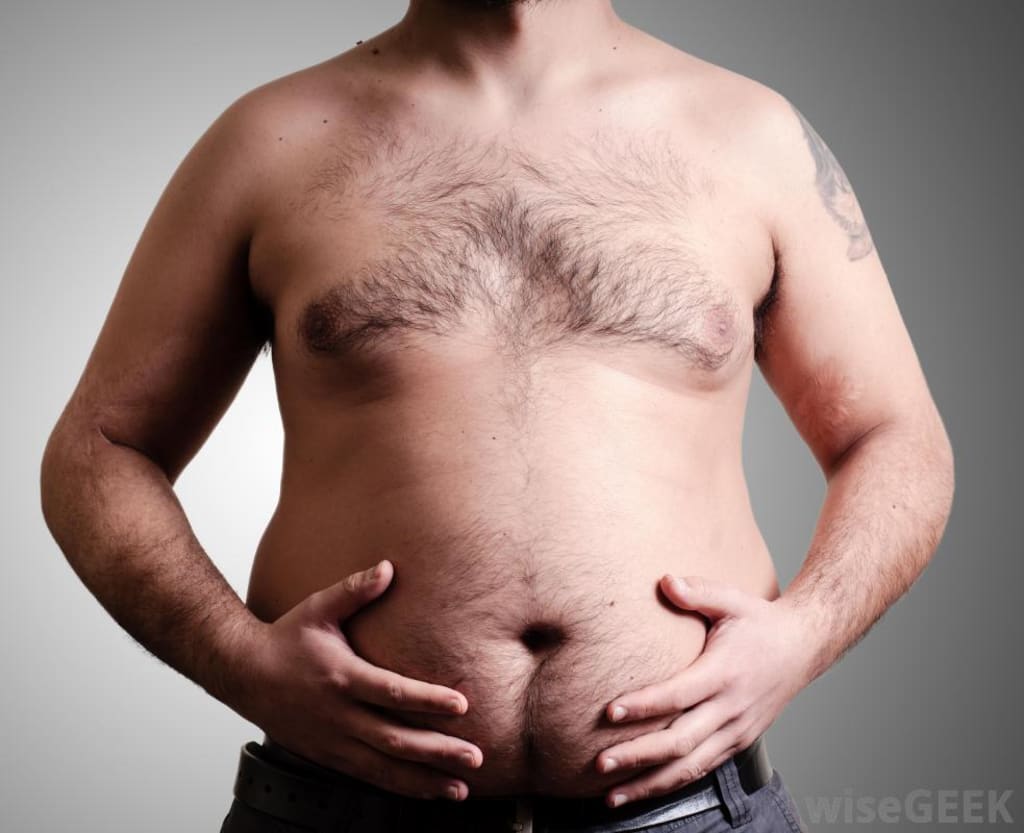
Obese patients are more likely to be diabetic and suffer from joint aches that limit their mobility.
Obese persons are more prone to have a hernia recurrence. Obese persons are not only more likely to develop hernias but also have a greater rate of hernia surgery failure, according to India's best weight loss surgeon, Dr. Harsh Sheth.
With ten years of expertise, Dr. Harsh Sheth is one of Mumbai's leading bariatric surgeons. Saifee Hospital, Bhatia Hospital, ACI Cumballa Hill Hospital, Apollo Spectra Hospital (Tardeo), Wockhardt Hospital, Mumbai Central, and Conwest & Manjula S Badani Jain Charitable Hospital, he is a consultant in advanced laparoscopic and bariatric surgery.
Dr. Harsh is a Fellow in Advanced Minimal Access & Bariatric Surgery in Mumbai, where he studied under Dr. MuffazalLakdawala, a well-known bariatric surgeon at Saifee Hospital.
Obesity is one of India's significant health issues. Obesity is expected to quadruple in India between 2010 and 2040, with the population of overweight people (20-69 years old) more than double. Obesity brings with it a slew of other ailments known as co-morbidities, such as diabetes, hypertension, cardiovascular disease, and joint problems, to name a few.
Obese persons are more prone to have a hernia recurrence. Obese people are not only more likely to have hernias, but they also have a greater rate of hernia surgery failure. To reduce this risk, patients who are overweight or obese are frequently advised to lose weight before undergoing hernia surgery. That, however, is a challenging task that is easier said than done.
"Bariatric surgery is a type of surgery that not only helps to reduce a significant amount of weight but also helps patients get a complete remission of co-morbid problems such as Diabetes and Hypertension, lowering the risk of heart disease, cancers, and an improvement in the quality of life," says Dr. Harsh Sheth, a renowned bariatric surgeon from Mumbai."
"There is no medicine that can treat an abdominal wall hernia; surgery is the only option. In a few circumstances, the hernia can reappear after the patient has had surgery. Due to the significant pressure placed on the abdominal wall, obese patients have a higher risk of hernia recurrence. In obese patients, hernia surgery carries a higher risk of wound complications. Obese patients are more likely to be diabetic and suffer from joint aches that limit their mobility. As a result, individuals get into a vicious cycle that makes losing weight on their own — with food and exercise alone — extremely difficult. As a result, bariatric surgery becomes a critical consideration for these patients to assist them in losing weight, reduce complications, and lower the chance of hernia recurrence following surgery. In such individuals, bariatric surgery becomes a near-necessity, save in emergency cases with hernia problems, "Dr. Harsh Sheth went on to say.
"An individual aged 51 years was suffering from both Obesity and Hernia," the bariatric surgeon noted, referring to one of the patient situations. After his liver transplant surgery, he gained a lot of weight (138 kg), became diabetic, and developed a huge incisional hernia. The patient underwent a Laparoscopic Sleeve Gastrectomy, which resulted in him losing 28 kilograms of weight and curing his diabetes. He had open incisional hernia surgery and was discharged without any issues."
"In another example, a 44-year-old woman had a severely giant recurring incisional hernia below the navel as a result of hysterectomy surgery. A CT scan revealed a massive 55 cm hernia involving many loops of the small intestine in the patient, who weighed 108 kg and had a BMI of 48. The hernia repair could not be postponed till the patient lost weight because the hernia was causing severe symptoms. The patient was discharged without incident following surgery and returned two weeks later for suture removal and diet progression, having already reduced eight kilograms, "Dr. Harsh Sheth continued.
Obesity and hernia are two prevalent disorders frequently related to one another, compounding the patient's problem. Finally, the optimal answer for this difficult situation will have to be determined individually for each patient. Patients who require this treatment will undergo a complete evaluation and be enrolled in an appropriate treatment plan.
About the Creator
Keep reading
More stories from writers in Longevity and other communities.
The No-Exercise Cholesterol Hack: How I Ate My Way Out of a Medical Mess
I’ve spent most of my life as an athlete and a soldier, which means I’m used to treating my body like a machine. In that world, you don’t ask how the engine feels; you just put the fuel in and demand results. But hit fifty, throw in a few major surgeries, and suddenly that machine starts looking more like a rusty tractor.
By Feliks Karić3 days ago in Longevity




Comments
There are no comments for this story
Be the first to respond and start the conversation.