health
Keeping your mind and body in check - popular topics in health and medicine to maintain a long and healthy life.
The Foundation of Balance: Why Ankles Matter More Than Core Strength
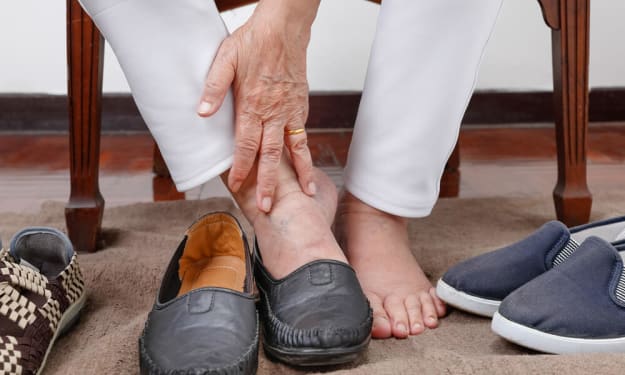
When balance becomes a concern, the conversation often turns toward core strength. While the core plays an important role in posture and movement, balance itself starts much closer to the ground. The feet and ankles are the body’s primary interface with the world, constantly collecting information and sending signals that guide stability.
By AhmedFitLife8 days ago in Longevity
When Footwear Interferes With Balance: The Sensory Side of Stability
Balance is often treated as a physical ability—something improved through strength or flexibility. But long before muscles react, balance is guided by information. Specifically, it depends on sensory input traveling from the feet through the nervous system to the brain.
By AhmedFitLife9 days ago in Longevity
Pakistan Becomes Latest Asian Country to Introduce Checks for Deadly Nipah Virus. AI-Generated.
Health authorities step up surveillance as regional concerns over virus spread grow Pakistan has become the latest Asian country to introduce health screening and monitoring measures to guard against the deadly Nipah virus. The move follows rising regional concern as neighboring countries strengthen their disease surveillance systems to prevent potential outbreaks. Health officials say the checks are precautionary but necessary. Nipah virus infections, while rare, have a high fatality rate and no specific cure, making early detection and prevention critical. What Is the Nipah Virus? Nipah virus is a zoonotic disease, meaning it can spread from animals to humans. It was first identified in the late 1990s and has since caused sporadic outbreaks in South and Southeast Asia. The virus is commonly linked to: Fruit bats, which are natural carriers Contaminated food or drink Close contact with infected individuals Symptoms can range from mild fever and headache to severe respiratory illness and brain inflammation, which can be fatal in many cases. Why Pakistan Is Taking Action Now Pakistan’s decision to introduce checks reflects growing regional awareness of the virus’s potential impact. Recent alerts from international health organizations have urged countries to remain vigilant, especially those with: Dense populations Shared borders High levels of regional travel Pakistani health authorities have emphasized that no outbreak has been confirmed in the country, but preventive measures are essential to protect public health. What the New Checks Include The newly introduced measures focus on early detection and containment. These include: Health screening at airports and border crossings Monitoring of travelers arriving from affected regions Increased hospital preparedness Awareness campaigns for healthcare workers Officials say these steps will help identify potential cases quickly and prevent local transmission. Lessons From Past Outbreaks Previous Nipah outbreaks in Asia have shown how quickly the virus can spread if not detected early. In some cases, delays in diagnosis led to: Overwhelmed healthcare systems High death rates Fear and misinformation Learning from these experiences, Pakistan aims to act before any suspected cases escalate. Public Health Preparedness Health experts stress that preparedness goes beyond screening. Hospitals and clinics across Pakistan are being advised to: Recognize early symptoms Follow strict infection control protocols Report suspected cases promptly Training sessions and updated guidelines are being shared with medical professionals to ensure a coordinated response. Regional Cooperation Matters The Nipah virus does not respect borders. Public health specialists highlight the importance of regional cooperation, including: Information sharing between countries Coordinated surveillance efforts Joint research and response planning Pakistan’s move aligns it with other Asian nations that have already increased monitoring and preparedness. Public Awareness Is Key Authorities are also urging the public to remain informed without panic. Health officials recommend: Avoiding consumption of uncovered or contaminated food Practicing good hygiene Seeking medical attention if unusual symptoms appear after travel Clear communication, experts say, helps prevent fear while encouraging responsible behavior. Challenges Ahead While the new checks are a positive step, challenges remain. These include: Limited healthcare resources in rural areas Need for consistent training across regions Managing misinformation on social media Officials acknowledge that sustained investment and public cooperation are essential for long-term success. Why Vigilance Matters Nipah virus outbreaks are rare, but their consequences can be severe. With no vaccine currently available, prevention and early response remain the strongest defenses. By introducing checks now, Pakistan aims to reduce risks and reassure the public that health authorities are taking proactive steps. Conclusion Pakistan’s decision to introduce checks for the deadly Nipah virus reflects a growing understanding of the importance of early prevention and preparedness. While no confirmed cases have been reported, the measures show a commitment to safeguarding public health amid regional concerns. As global travel and regional movement continue to increase, vigilance against emerging diseases is more important than ever. Pakistan’s proactive approach sends a clear message: when it comes to public health threats, prevention is better than reaction.
By Fiaz Ahmed 9 days ago in Longevity
Catherine Joins Wellbeing Walk in the Peak District. AI-Generated.
A public moment that highlights the power of nature, recovery, and mental health Catherine’s recent wellbeing walk in the Peak District has drawn widespread attention, not just because of who she is, but because of what the moment represents. Taking part in a gentle walk through one of Britain’s most scenic national parks, Catherine highlighted the growing importance of mental health, recovery, and the healing role of nature in everyday life. The event was calm and understated, yet deeply symbolic. It showed how time outdoors, simple movement, and connection with others can support wellbeing—messages that resonate strongly with people across the UK and beyond. A Walk With a Purpose The wellbeing walk was designed to promote the benefits of physical activity and time in nature for mental and emotional health. Rather than focusing on performance or distance, the walk emphasized mindfulness, reflection, and shared experience. Catherine’s participation added visibility to the initiative, encouraging people of all ages to consider how small, manageable activities can make a meaningful difference to overall wellbeing. Her presence reinforced the idea that wellness is not about perfection, but about balance and consistency. Why the Peak District Matters The Peak District, known for its rolling hills, open landscapes, and quiet trails, provided an ideal setting for the event. As the UK’s first national park, it has long been associated with: Accessibility to nature Mental clarity and stress reduction Physical activity for all ability levels Studies have shown that spending time in green spaces can reduce anxiety, improve mood, and support long-term mental health. By choosing the Peak District, the walk highlighted how local natural spaces can be powerful tools for wellbeing. The Link Between Nature and Mental Health Mental health professionals often emphasize the value of nature-based activities. Walking outdoors offers several benefits: Gentle exercise that supports heart and joint health Reduced stress through fresh air and natural surroundings Improved focus and emotional balance Opportunities for social connection Catherine’s involvement helped bring these benefits into public conversation, encouraging people to prioritize their mental health in simple, practical ways. A Message of Balance and Recovery While the walk itself was modest, its message was significant. Catherine’s participation reflected a broader shift toward open conversations about health, recovery, and self-care. Public figures increasingly use their platforms to normalize rest, reflection, and gradual healing. By choosing a low-pressure, nature-focused event, Catherine demonstrated that wellbeing does not require dramatic gestures. Sometimes, progress comes through small steps, taken consistently and with intention. Public Response and Awareness The public response to the wellbeing walk was largely positive. Many people praised the focus on mental health and the reminder that: Wellness looks different for everyone Recovery is not linear Taking time for oneself is not a weakness Social media discussions reflected appreciation for the walk’s simplicity and authenticity. For many, it served as a reminder to slow down and reconnect with both nature and personal wellbeing. Encouraging Community Participation Beyond the symbolic value, the event also encouraged community engagement. Wellbeing walks are accessible, low-cost activities that can be organized by: Local councils Health organizations Community groups Schools and workplaces Catherine’s involvement helped raise awareness of how communities can support mental health through inclusive outdoor activities. The Role of Public Figures in Mental Health Advocacy Public figures have a unique ability to shape conversations around health. When they participate in events like wellbeing walks, they help: Reduce stigma around mental health Encourage early self-care Promote healthier lifestyle choices Catherine’s presence sent a clear message that mental health deserves attention and care, regardless of status or background. Looking Ahead The wellbeing walk in the Peak District may seem like a small moment, but its impact extends beyond a single day. It reinforces the importance of: Staying active in gentle, sustainable ways Using nature as a source of healing Supporting open dialogue about mental health As more people seek balance in a fast-paced world, events like this offer a reminder that wellbeing often begins with simple actions and mindful choices. Conclusion Catherine joining a wellbeing walk in the Peak District was more than a public appearance—it was a statement about the value of nature, movement, and mental health. The event highlighted how small, intentional activities can support recovery and emotional wellbeing. By choosing a peaceful walk in one of the UK’s most beautiful landscapes, Catherine helped amplify a message that resonates widely: taking care of mental health starts with slowing down, stepping outside, and taking one step at a time.
By Fiaz Ahmed 9 days ago in Longevity
Diabetic Foot Ulcer
A diabetic foot ulcer (DFU) is one of the most serious and common complications of long-standing diabetes mellitus. These open wounds, usually located on the sole of the foot or toes, occur due to a combination of nerve damage, poor circulation, and impaired wound healing. If left untreated, diabetic foot ulcers can lead to severe infections, hospitalization, and even lower-limb amputation. Understanding early symptoms, appropriate treatment, and long-term management is essential for improving outcomes and quality of life in people with diabetes.
By benjamin taylor9 days ago in Longevity
Major Study Links Being a Night Owl to Higher Heart Attack and Stroke Risk. AI-Generated.
New research suggests late-night habits may affect heart health A recent major study has revealed a significant link between being a night owl—someone who prefers staying up late and waking up late—and a higher risk of heart attack and stroke. The findings add to a growing body of research suggesting that sleep patterns can have a major impact on cardiovascular health, beyond just the number of hours slept. Researchers analyzed the health outcomes of tens of thousands of participants, tracking their sleep habits, lifestyle, and medical histories. The results suggest that people who go to bed late and rise late may face increased cardiovascular risks, even when controlling for factors like age, diet, and physical activity. What the Study Found The study observed participants over several years, examining the relationship between sleep timing and cardiovascular events. Key findings include: Night owls were more likely to suffer heart attacks and strokes compared to early risers. The risk was especially pronounced among those who consistently stayed up past midnight. Late sleepers often had higher levels of stress, disrupted circadian rhythms, and poorer metabolic health, which could contribute to heart problems. The research does not suggest that staying up late automatically causes heart disease, but it highlights a strong correlation between late-night habits and cardiovascular risk. Why Night Owls May Be at Greater Risk Experts point to several factors that may explain why night owls are more vulnerable: Circadian Rhythm Disruption The body’s internal clock regulates sleep, hormone release, and metabolic functions. Late-night habits can disrupt this rhythm, affecting heart rate, blood pressure, and inflammation levels. Lifestyle Factors Night owls may engage in behaviors that increase cardiovascular risk, such as irregular eating patterns, late-night snacking, or reduced physical activity during daylight hours. Sleep Quality and Duration Even when night owls get enough total sleep, their sleep may be less restorative due to misalignment with natural light-dark cycles. Poor-quality sleep is a known risk factor for heart disease. Stress and Hormonal Imbalance Irregular sleep schedules can increase stress hormones like cortisol, which can raise blood pressure and contribute to heart disease over time. Health Implications for Night Owls For those who naturally prefer staying up late, the study emphasizes the importance of proactive heart health management. Recommendations include: Regular Check-Ups: Monitoring blood pressure, cholesterol, and blood sugar can help detect early signs of cardiovascular risk. Consistent Sleep Schedule: Even night owls can benefit from gradually aligning their sleep with natural circadian rhythms. Healthy Lifestyle Choices: Regular exercise, a balanced diet, and limiting late-night snacking can reduce risk factors. Stress Management: Meditation, mindfulness, and relaxation techniques can counter the effects of disrupted sleep on stress hormones. Medical professionals stress that small adjustments can make a meaningful difference for long-term heart health. Broader Research Context This study adds to a growing recognition that chronotype—whether someone is a morning or evening person—matters for health outcomes. Previous research has linked night owl tendencies to: Higher rates of obesity and diabetes Increased risk of depression and anxiety Lower overall life expectancy in some population studies By focusing specifically on heart attack and stroke risk, this study provides more targeted insight into the cardiovascular consequences of late-night habits. Not All Night Owls Are at Equal Risk It’s important to note that not all night owls face the same level of risk. Factors such as genetics, overall health, diet, and exercise habits play a significant role. Additionally, occasional late nights are unlikely to cause serious heart problems; the risk is more associated with consistent late-night behavior over years. Experts encourage people to assess their overall lifestyle rather than focus solely on sleep timing. Adjusting habits gradually can help mitigate risk without completely changing natural sleep preferences. Advice for Individuals and Employers The findings have implications not just for individuals but also for workplaces: Employers may consider flexible scheduling to accommodate natural chronotypes, helping employees get restorative sleep. Public health campaigns could raise awareness about the link between sleep patterns and cardiovascular health. Individuals can take control by tracking sleep patterns and making incremental changes to improve alignment with natural rhythms. Small shifts, such as going to bed 30 minutes earlier or limiting late-night screen exposure, can improve sleep quality and support heart health over time. Conclusion The study linking night owl habits to higher heart attack and stroke risk highlights the importance of sleep timing as a key factor in cardiovascular health. While staying up late is a natural preference for many, consistent late-night routines may contribute to increased heart risks over time. Experts recommend monitoring overall health, maintaining a consistent sleep schedule, and adopting healthy lifestyle habits. By making small, informed adjustments, night owls can protect their hearts and reduce the risk of serious cardiovascular events. This research underscores a simple yet powerful message: when you sleep may be just as important as how long you sleep.
By Fiaz Ahmed 9 days ago in Longevity
Most People Don't Feel Unhealthy ...Until Their Body Starts Limiting Their Life
Most people don't wake up one day and feel unhealthy. That's the problem. Decline doesn't announce itself. It blends in. It feels like stress. Like being busy. Like getting older. Like a phase that will pass once things calm down.
By Destiny S. Harris9 days ago in Longevity