health
Keeping your mind and body in check - popular topics in health and medicine to maintain a long and healthy life.
Pakistan Becomes Latest Asian Country to Introduce Checks for Deadly Nipah Virus. AI-Generated.
Health authorities step up surveillance as regional concerns over virus spread grow Pakistan has become the latest Asian country to introduce health screening and monitoring measures to guard against the deadly Nipah virus. The move follows rising regional concern as neighboring countries strengthen their disease surveillance systems to prevent potential outbreaks. Health officials say the checks are precautionary but necessary. Nipah virus infections, while rare, have a high fatality rate and no specific cure, making early detection and prevention critical. What Is the Nipah Virus? Nipah virus is a zoonotic disease, meaning it can spread from animals to humans. It was first identified in the late 1990s and has since caused sporadic outbreaks in South and Southeast Asia. The virus is commonly linked to: Fruit bats, which are natural carriers Contaminated food or drink Close contact with infected individuals Symptoms can range from mild fever and headache to severe respiratory illness and brain inflammation, which can be fatal in many cases. Why Pakistan Is Taking Action Now Pakistan’s decision to introduce checks reflects growing regional awareness of the virus’s potential impact. Recent alerts from international health organizations have urged countries to remain vigilant, especially those with: Dense populations Shared borders High levels of regional travel Pakistani health authorities have emphasized that no outbreak has been confirmed in the country, but preventive measures are essential to protect public health. What the New Checks Include The newly introduced measures focus on early detection and containment. These include: Health screening at airports and border crossings Monitoring of travelers arriving from affected regions Increased hospital preparedness Awareness campaigns for healthcare workers Officials say these steps will help identify potential cases quickly and prevent local transmission. Lessons From Past Outbreaks Previous Nipah outbreaks in Asia have shown how quickly the virus can spread if not detected early. In some cases, delays in diagnosis led to: Overwhelmed healthcare systems High death rates Fear and misinformation Learning from these experiences, Pakistan aims to act before any suspected cases escalate. Public Health Preparedness Health experts stress that preparedness goes beyond screening. Hospitals and clinics across Pakistan are being advised to: Recognize early symptoms Follow strict infection control protocols Report suspected cases promptly Training sessions and updated guidelines are being shared with medical professionals to ensure a coordinated response. Regional Cooperation Matters The Nipah virus does not respect borders. Public health specialists highlight the importance of regional cooperation, including: Information sharing between countries Coordinated surveillance efforts Joint research and response planning Pakistan’s move aligns it with other Asian nations that have already increased monitoring and preparedness. Public Awareness Is Key Authorities are also urging the public to remain informed without panic. Health officials recommend: Avoiding consumption of uncovered or contaminated food Practicing good hygiene Seeking medical attention if unusual symptoms appear after travel Clear communication, experts say, helps prevent fear while encouraging responsible behavior. Challenges Ahead While the new checks are a positive step, challenges remain. These include: Limited healthcare resources in rural areas Need for consistent training across regions Managing misinformation on social media Officials acknowledge that sustained investment and public cooperation are essential for long-term success. Why Vigilance Matters Nipah virus outbreaks are rare, but their consequences can be severe. With no vaccine currently available, prevention and early response remain the strongest defenses. By introducing checks now, Pakistan aims to reduce risks and reassure the public that health authorities are taking proactive steps. Conclusion Pakistan’s decision to introduce checks for the deadly Nipah virus reflects a growing understanding of the importance of early prevention and preparedness. While no confirmed cases have been reported, the measures show a commitment to safeguarding public health amid regional concerns. As global travel and regional movement continue to increase, vigilance against emerging diseases is more important than ever. Pakistan’s proactive approach sends a clear message: when it comes to public health threats, prevention is better than reaction.
By Fiaz Ahmed 10 days ago in Longevity
Catherine Joins Wellbeing Walk in the Peak District. AI-Generated.
A public moment that highlights the power of nature, recovery, and mental health Catherine’s recent wellbeing walk in the Peak District has drawn widespread attention, not just because of who she is, but because of what the moment represents. Taking part in a gentle walk through one of Britain’s most scenic national parks, Catherine highlighted the growing importance of mental health, recovery, and the healing role of nature in everyday life. The event was calm and understated, yet deeply symbolic. It showed how time outdoors, simple movement, and connection with others can support wellbeing—messages that resonate strongly with people across the UK and beyond. A Walk With a Purpose The wellbeing walk was designed to promote the benefits of physical activity and time in nature for mental and emotional health. Rather than focusing on performance or distance, the walk emphasized mindfulness, reflection, and shared experience. Catherine’s participation added visibility to the initiative, encouraging people of all ages to consider how small, manageable activities can make a meaningful difference to overall wellbeing. Her presence reinforced the idea that wellness is not about perfection, but about balance and consistency. Why the Peak District Matters The Peak District, known for its rolling hills, open landscapes, and quiet trails, provided an ideal setting for the event. As the UK’s first national park, it has long been associated with: Accessibility to nature Mental clarity and stress reduction Physical activity for all ability levels Studies have shown that spending time in green spaces can reduce anxiety, improve mood, and support long-term mental health. By choosing the Peak District, the walk highlighted how local natural spaces can be powerful tools for wellbeing. The Link Between Nature and Mental Health Mental health professionals often emphasize the value of nature-based activities. Walking outdoors offers several benefits: Gentle exercise that supports heart and joint health Reduced stress through fresh air and natural surroundings Improved focus and emotional balance Opportunities for social connection Catherine’s involvement helped bring these benefits into public conversation, encouraging people to prioritize their mental health in simple, practical ways. A Message of Balance and Recovery While the walk itself was modest, its message was significant. Catherine’s participation reflected a broader shift toward open conversations about health, recovery, and self-care. Public figures increasingly use their platforms to normalize rest, reflection, and gradual healing. By choosing a low-pressure, nature-focused event, Catherine demonstrated that wellbeing does not require dramatic gestures. Sometimes, progress comes through small steps, taken consistently and with intention. Public Response and Awareness The public response to the wellbeing walk was largely positive. Many people praised the focus on mental health and the reminder that: Wellness looks different for everyone Recovery is not linear Taking time for oneself is not a weakness Social media discussions reflected appreciation for the walk’s simplicity and authenticity. For many, it served as a reminder to slow down and reconnect with both nature and personal wellbeing. Encouraging Community Participation Beyond the symbolic value, the event also encouraged community engagement. Wellbeing walks are accessible, low-cost activities that can be organized by: Local councils Health organizations Community groups Schools and workplaces Catherine’s involvement helped raise awareness of how communities can support mental health through inclusive outdoor activities. The Role of Public Figures in Mental Health Advocacy Public figures have a unique ability to shape conversations around health. When they participate in events like wellbeing walks, they help: Reduce stigma around mental health Encourage early self-care Promote healthier lifestyle choices Catherine’s presence sent a clear message that mental health deserves attention and care, regardless of status or background. Looking Ahead The wellbeing walk in the Peak District may seem like a small moment, but its impact extends beyond a single day. It reinforces the importance of: Staying active in gentle, sustainable ways Using nature as a source of healing Supporting open dialogue about mental health As more people seek balance in a fast-paced world, events like this offer a reminder that wellbeing often begins with simple actions and mindful choices. Conclusion Catherine joining a wellbeing walk in the Peak District was more than a public appearance—it was a statement about the value of nature, movement, and mental health. The event highlighted how small, intentional activities can support recovery and emotional wellbeing. By choosing a peaceful walk in one of the UK’s most beautiful landscapes, Catherine helped amplify a message that resonates widely: taking care of mental health starts with slowing down, stepping outside, and taking one step at a time.
By Fiaz Ahmed 10 days ago in Longevity
Diabetic Foot Ulcer
A diabetic foot ulcer (DFU) is one of the most serious and common complications of long-standing diabetes mellitus. These open wounds, usually located on the sole of the foot or toes, occur due to a combination of nerve damage, poor circulation, and impaired wound healing. If left untreated, diabetic foot ulcers can lead to severe infections, hospitalization, and even lower-limb amputation. Understanding early symptoms, appropriate treatment, and long-term management is essential for improving outcomes and quality of life in people with diabetes.
By benjamin taylor10 days ago in Longevity
Major Study Links Being a Night Owl to Higher Heart Attack and Stroke Risk. AI-Generated.
New research suggests late-night habits may affect heart health A recent major study has revealed a significant link between being a night owl—someone who prefers staying up late and waking up late—and a higher risk of heart attack and stroke. The findings add to a growing body of research suggesting that sleep patterns can have a major impact on cardiovascular health, beyond just the number of hours slept. Researchers analyzed the health outcomes of tens of thousands of participants, tracking their sleep habits, lifestyle, and medical histories. The results suggest that people who go to bed late and rise late may face increased cardiovascular risks, even when controlling for factors like age, diet, and physical activity. What the Study Found The study observed participants over several years, examining the relationship between sleep timing and cardiovascular events. Key findings include: Night owls were more likely to suffer heart attacks and strokes compared to early risers. The risk was especially pronounced among those who consistently stayed up past midnight. Late sleepers often had higher levels of stress, disrupted circadian rhythms, and poorer metabolic health, which could contribute to heart problems. The research does not suggest that staying up late automatically causes heart disease, but it highlights a strong correlation between late-night habits and cardiovascular risk. Why Night Owls May Be at Greater Risk Experts point to several factors that may explain why night owls are more vulnerable: Circadian Rhythm Disruption The body’s internal clock regulates sleep, hormone release, and metabolic functions. Late-night habits can disrupt this rhythm, affecting heart rate, blood pressure, and inflammation levels. Lifestyle Factors Night owls may engage in behaviors that increase cardiovascular risk, such as irregular eating patterns, late-night snacking, or reduced physical activity during daylight hours. Sleep Quality and Duration Even when night owls get enough total sleep, their sleep may be less restorative due to misalignment with natural light-dark cycles. Poor-quality sleep is a known risk factor for heart disease. Stress and Hormonal Imbalance Irregular sleep schedules can increase stress hormones like cortisol, which can raise blood pressure and contribute to heart disease over time. Health Implications for Night Owls For those who naturally prefer staying up late, the study emphasizes the importance of proactive heart health management. Recommendations include: Regular Check-Ups: Monitoring blood pressure, cholesterol, and blood sugar can help detect early signs of cardiovascular risk. Consistent Sleep Schedule: Even night owls can benefit from gradually aligning their sleep with natural circadian rhythms. Healthy Lifestyle Choices: Regular exercise, a balanced diet, and limiting late-night snacking can reduce risk factors. Stress Management: Meditation, mindfulness, and relaxation techniques can counter the effects of disrupted sleep on stress hormones. Medical professionals stress that small adjustments can make a meaningful difference for long-term heart health. Broader Research Context This study adds to a growing recognition that chronotype—whether someone is a morning or evening person—matters for health outcomes. Previous research has linked night owl tendencies to: Higher rates of obesity and diabetes Increased risk of depression and anxiety Lower overall life expectancy in some population studies By focusing specifically on heart attack and stroke risk, this study provides more targeted insight into the cardiovascular consequences of late-night habits. Not All Night Owls Are at Equal Risk It’s important to note that not all night owls face the same level of risk. Factors such as genetics, overall health, diet, and exercise habits play a significant role. Additionally, occasional late nights are unlikely to cause serious heart problems; the risk is more associated with consistent late-night behavior over years. Experts encourage people to assess their overall lifestyle rather than focus solely on sleep timing. Adjusting habits gradually can help mitigate risk without completely changing natural sleep preferences. Advice for Individuals and Employers The findings have implications not just for individuals but also for workplaces: Employers may consider flexible scheduling to accommodate natural chronotypes, helping employees get restorative sleep. Public health campaigns could raise awareness about the link between sleep patterns and cardiovascular health. Individuals can take control by tracking sleep patterns and making incremental changes to improve alignment with natural rhythms. Small shifts, such as going to bed 30 minutes earlier or limiting late-night screen exposure, can improve sleep quality and support heart health over time. Conclusion The study linking night owl habits to higher heart attack and stroke risk highlights the importance of sleep timing as a key factor in cardiovascular health. While staying up late is a natural preference for many, consistent late-night routines may contribute to increased heart risks over time. Experts recommend monitoring overall health, maintaining a consistent sleep schedule, and adopting healthy lifestyle habits. By making small, informed adjustments, night owls can protect their hearts and reduce the risk of serious cardiovascular events. This research underscores a simple yet powerful message: when you sleep may be just as important as how long you sleep.
By Fiaz Ahmed 10 days ago in Longevity
Most People Don't Feel Unhealthy ...Until Their Body Starts Limiting Their Life
Most people don't wake up one day and feel unhealthy. That's the problem. Decline doesn't announce itself. It blends in. It feels like stress. Like being busy. Like getting older. Like a phase that will pass once things calm down.
By Destiny S. Harris10 days ago in Longevity
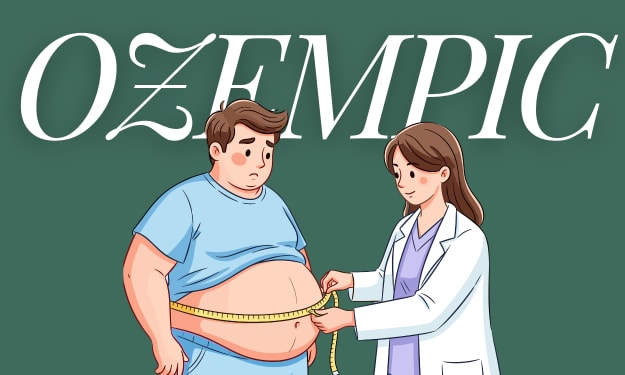
I Was On Ozempic Before The Celebs Were— Don’t Fall For Its Sheer Hype
Here’s something only five people in my life know. I was on Ozempic. In the middle of 2021, I visited my regular doctor to discuss weight loss options with him. Ever since my gallbladder removal in 2013, my struggles with losing weight have intensified.
By Ellen Frances10 days ago in Longevity
What If Truth Is Rejected Even When It Is Lived Well
It’s easy to assume that if something is true, and if it is communicated clearly, reasonably, and with goodwill, it will eventually be accepted. This assumption sits quietly beneath a lot of effort, especially in faith. We speak carefully. We try to be fair. We explain ourselves patiently. Somewhere beneath all of that is the hope that clarity and sincerity will be enough. But what if that hope misunderstands how truth actually moves through the world.
By Peter Thwing - Host of the FST Podcast10 days ago in Longevity
Truth Is Often Rejected Because It Demands Change
There is a widespread assumption, rarely spoken but deeply believed, that truth will eventually be accepted if it is communicated clearly, patiently, and with genuine goodwill. When resistance appears, the instinct is to search for error in tone, framing, or explanation. The underlying belief is simple: if the truth were presented well enough, rejection would disappear. This belief is comforting, but it is false. History, Scripture, and lived experience all point in the same direction. Truth is often rejected not because it is unclear, but because it is costly.
By Peter Thwing - Host of the FST Podcast10 days ago in Longevity
Met Office Issues Yellow Weather Warning for Ice. AI-Generated.
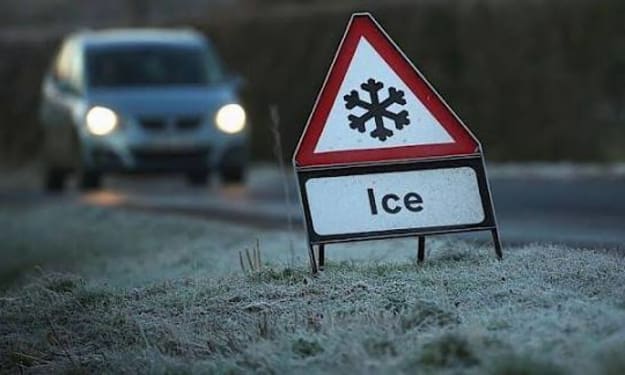
Slippery roads, travel delays, and safety concerns as temperatures drop The Met Office has issued a yellow weather warning for ice, alerting the public to potentially dangerous conditions across affected areas. As temperatures fall overnight, untreated roads, pavements, and rural routes are expected to become icy, increasing the risk of accidents and travel disruption. While a yellow warning is the lowest level of weather alert, it should not be ignored. Ice can form quickly and unexpectedly, making everyday journeys hazardous and placing pressure on emergency services. What a Yellow Warning for Ice Means A yellow weather warning is issued when conditions may cause minor disruption and increased risk to safety. In this case, the Met Office warns that freezing temperatures could lead to ice forming on roads and walkways, particularly overnight and during early morning hours. Drivers, pedestrians, and cyclists are advised to remain cautious, as even small patches of ice can cause vehicles to skid or people to slip. Rural areas and higher ground are especially vulnerable due to lower temperatures and fewer treated surfaces. How Ice Forms So Quickly Ice often forms when temperatures drop close to or below freezing, especially after rain or melting snow. Moisture left on roads and pavements can freeze rapidly, creating black ice, which is nearly invisible and extremely dangerous. Black ice is particularly common: In shaded areas On bridges and overpasses On untreated country roads Because it is hard to see, black ice is responsible for many winter accidents. Impact on Travel and Transport Icy conditions can cause significant disruption to travel, even when snowfall is minimal. Road traffic accidents often increase during icy spells, leading to delays and congestion. Public transport services may also be affected. Buses can struggle on steep or untreated roads, while rail services may operate at reduced speeds to maintain safety. Airports may face minor delays due to icy runways or aircraft de-icing procedures, especially during early morning departures. Authorities urge travelers to: Check travel updates before leaving Allow extra time for journeys Avoid unnecessary travel during icy conditions Risks for Pedestrians and Cyclists Ice is not only a threat to drivers. Pedestrians and cyclists face a high risk of injury, particularly on untreated pavements and paths. Slips and falls can lead to broken bones, head injuries, and hospital admissions. Older adults are especially vulnerable, as falls can have long-lasting health effects. Local councils often prioritize gritting main roads, which means pavements and side streets may remain icy for longer. Wearing suitable footwear and walking carefully can reduce risk, but caution remains essential. Pressure on Emergency and Health Services During icy weather, emergency services experience a rise in callouts. Ambulance crews respond to accidents, falls, and cold-related illnesses, while hospitals may see increased admissions. Fire and rescue teams are also affected, responding to road incidents and assisting vulnerable people. These pressures highlight why even moderate weather warnings deserve attention. Healthcare professionals encourage people to check on elderly neighbors and relatives, ensuring they are warm, safe, and have access to essential supplies. How to Stay Safe During Icy Conditions The Met Office and local authorities recommend several practical steps to stay safe: Drive slowly and smoothly, avoiding sudden braking Keep a safe distance from other vehicles Wear shoes with good grip when walking outdoors Use handrails where available Stay informed by checking local weather updates Preparing in advance can help reduce risk and prevent accidents during icy spells. Schools, Workplaces, and Daily Life Ice can also disrupt schools and workplaces, particularly if travel becomes unsafe. Some schools may open late or close temporarily, while employers may allow remote working where possible. For people whose jobs require travel or outdoor work, icy conditions increase the risk of injury. Employers are encouraged to assess risks and take steps to protect staff. Daily routines such as shopping, medical appointments, and social activities may also be affected, especially for those with limited mobility. Why Winter Warnings Matter Weather warnings are designed to give people time to prepare, not to cause alarm. Even a yellow warning can help reduce accidents by encouraging caution and awareness. Meteorologists note that winter weather in the UK can be unpredictable. Rapid changes in temperature mean ice can form even when conditions appear calm. Climate experts also point out that while average temperatures may rise over time, extreme and sudden cold spells are still possible, making preparation essential. Community Awareness and Responsibility Local communities play an important role during icy weather. Neighbors clearing pathways, sharing information, and checking on vulnerable residents can make a real difference. Many councils encourage residents to clear snow and ice from pavements outside their homes where it is safe to do so. These small actions help reduce injuries and keep communities moving. Conclusion The Met Office’s yellow weather warning for ice serves as an important reminder that winter conditions can be dangerous, even without heavy snow. Slippery roads, icy pavements, and reduced visibility all increase the risk of accidents and disruption. By staying informed, taking sensible precautions, and looking out for others, communities can reduce the impact of icy weather. While winter hazards cannot be avoided entirely, awareness and preparation remain the best tools for staying safe when temperatures fall.
By Fiaz Ahmed 10 days ago in Longevity
Blueberries vs. Grapes: Which Fruit Is Better for Heart Health?. AI-Generated.
Both fruits support the heart, but they do it in different ways When it comes to heart health, fruit often tops the list of doctor-recommended foods. Among the many options, blueberries and grapes stand out for their powerful nutrients and long list of benefits. Both are rich in antioxidants, easy to add to meals, and supported by scientific research. But if you had to choose one, which fruit offers more protection for your heart? The answer is not as simple as picking a winner. Blueberries and grapes help the heart in different ways, and understanding those differences can help you make smarter dietary choices. Why Fruit Matters for Heart Health Heart disease remains one of the leading causes of death worldwide. Diet plays a major role in reducing risk factors such as: High blood pressure High cholesterol Inflammation Poor blood vessel function Fruits provide vitamins, fiber, and plant compounds that protect the cardiovascular system. Blueberries and grapes are especially valued because they contain polyphenols, natural compounds that help reduce damage to blood vessels and improve circulation. Blueberries: Small Fruit, Big Benefits Blueberries are often called a superfood, and for good reason. They are packed with antioxidants known as anthocyanins, which give blueberries their deep blue color. How Blueberries Support the Heart Research suggests that regular blueberry consumption may: Improve blood vessel flexibility Lower blood pressure Reduce inflammation Improve cholesterol balance Anthocyanins help protect arteries by reducing oxidative stress. This means less damage to the lining of blood vessels, which lowers the risk of plaque buildup. Blueberries are also low in calories and sugar, making them a heart-friendly choice for people watching their weight or blood sugar levels. Fiber and Blood Sugar Control One cup of blueberries contains a good amount of dietary fiber, which plays a key role in heart health. Fiber helps: Lower “bad” LDL cholesterol Slow sugar absorption Support healthy digestion Stable blood sugar levels reduce stress on the cardiovascular system, especially for people with diabetes or insulin resistance. Grapes: A Heart-Healthy Classic Grapes, especially red and purple varieties, have long been linked to heart health. They contain powerful antioxidants such as resveratrol, flavonoids, and quercetin. How Grapes Protect the Heart Studies suggest that grapes may: Improve blood flow Reduce inflammation Lower blood pressure Prevent blood clots Resveratrol, found mainly in grape skins, has been studied for its potential role in protecting arteries and supporting healthy aging of blood vessels. Grapes also contain potassium, which helps balance sodium levels and supports healthy blood pressure. The Role of Resveratrol Resveratrol is often highlighted as the key heart-protective compound in grapes. It may help: Reduce artery stiffness Improve nitric oxide production, which relaxes blood vessels Protect against oxidative damage While resveratrol supplements exist, experts agree that whole grapes offer more benefits due to the combined effect of fiber and multiple antioxidants working together. Comparing Nutritional Profiles Both fruits are healthy, but they differ slightly in nutrition: Blueberries Lower sugar content High in anthocyanins Rich in vitamin C and vitamin K Strong anti-inflammatory effects Grapes Higher natural sugar Contain resveratrol and flavonoids Provide hydration due to high water content Support circulation and blood flow For people managing blood sugar, blueberries may be the safer option. For those focused on circulation and vascular function, grapes offer unique benefits. What About Cholesterol? Both fruits can help improve cholesterol levels, but through different mechanisms. Blueberries help reduce LDL cholesterol by improving how the body processes fats and reducing inflammation. Grapes may prevent LDL cholesterol from oxidizing, which is a major factor in artery damage. In short, blueberries reduce the problem, while grapes help prevent it from getting worse. How Much Should You Eat? Moderation is key. A healthy serving includes: About one cup of blueberries, fresh or frozen About one cup of grapes, preferably with skins intact Eating a variety of fruits throughout the week ensures you get a wider range of protective nutrients. Fresh, Frozen, or Dried? Fresh blueberries and grapes offer the most benefits. Frozen blueberries are also an excellent choice, as they retain most nutrients. Dried grapes (raisins) are nutritious but higher in sugar and calories, so portion control is important. Raisins still provide heart-friendly compounds but should be eaten sparingly. Which One Is Better for Heart Health? There is no clear winner. Both blueberries and grapes are excellent for heart health, but they shine in different areas. Choose blueberries if you want lower sugar, strong antioxidant protection, and help with blood pressure. Choose grapes if you want improved circulation, vessel protection, and powerful polyphenols like resveratrol. For the best results, include both fruits in your diet. Final Thoughts When it comes to heart health, consistency matters more than perfection. Blueberries and grapes both offer powerful protection, and neither should be excluded. Rather than choosing one over the other, rotating both fruits into your meals can provide broader cardiovascular support. Combined with regular exercise, balanced nutrition, and healthy lifestyle habits, these fruits can play a meaningful role in keeping your heart strong.
By Fiaz Ahmed 11 days ago in Longevity
Preservation for Eternal Impact
It is easy to feel as though most of what is said disappears. Words are spoken, written, posted, argued over, and then quickly buried beneath the next wave of noise. Attention moves on. Platforms refresh. What once felt urgent becomes invisible. In that environment, a quiet but persistent question emerges. What actually lasts. And more uncomfortably, what is worth preserving when so much seems to vanish without consequence.
By Peter Thwing - Host of the FST Podcast11 days ago in Longevity