lifestyle
Living your life - the health and wellness way.
Storm Clean-Up in ‘Full Swing’ on Channel Islands as Communities Begin Recovery. AI-Generated.
The Channel Islands are gradually returning to normal as large-scale clean-up operations move into full swing following one of the most disruptive storms in recent years. Powerful winds, heavy rain, and rough seas battered the islands, leaving behind damaged infrastructure, blocked roads, power outages, and coastal erosion. While the worst of the weather has passed, the aftermath has revealed the scale of destruction and the resilience of island communities determined to rebuild. Widespread Damage Across the Islands The storm struck with little mercy, uprooting trees, tearing off rooftops, and flooding low-lying areas. Coastal regions were particularly hard-hit as waves surged over sea defenses, damaging promenades, harbors, and marine facilities. In some areas, boats were torn from moorings, and debris was scattered across beaches and roads. Transport networks were severely disrupted. Fallen trees and landslides blocked key routes, while ferry services and flights were suspended at the height of the storm. Emergency crews worked around the clock to restore access, prioritizing routes needed for ambulances, utility vehicles, and supply deliveries. Power outages affected thousands of homes and businesses, with electricity lines damaged by falling trees and high winds. Water services were also temporarily disrupted in some areas, adding to the challenges faced by residents. Emergency Response and Clean-Up Efforts Local authorities, emergency services, and utility companies mobilized quickly once conditions allowed. Councils across the Channel Islands activated emergency response plans, deploying crews to clear debris, assess structural damage, and restore essential services. Public works teams have been focusing on clearing roads, repairing streetlights, and securing damaged public buildings. Utility companies report significant progress in restoring electricity, with most households now reconnected, though isolated areas continue to face delays due to difficult terrain and ongoing safety assessments. Volunteers have also played a crucial role. Community groups, local businesses, and residents have joined clean-up efforts, helping neighbors clear gardens, remove debris, and check on vulnerable individuals. This collective response has highlighted the strong sense of solidarity that defines island life. Impact on Businesses and Daily Life The storm has taken a toll on local businesses, particularly those in tourism, fishing, and retail. Shops, cafes, and hotels suffered water damage and lost revenue due to forced closures. Fishermen reported damaged equipment and lost fishing days, raising concerns about longer-term economic impacts. Schools in some areas were closed temporarily due to safety concerns, including fallen trees and structural inspections. While many have since reopened, education authorities continue to monitor conditions to ensure student safety. Residents have described the experience as frightening but have also expressed relief that no widespread loss of life was reported. For many, the focus has now shifted from survival to recovery and preparedness for future extreme weather events. Coastal Concerns and Climate Questions The storm has reignited debate about coastal protection and climate resilience. Experts warn that extreme weather events are becoming more frequent and intense due to climate change, posing growing risks to island communities. Erosion along coastlines has raised concerns about the long-term sustainability of sea defenses. Local governments are now under pressure to invest in stronger infrastructure, improved drainage systems, and better early-warning mechanisms to reduce the impact of future storms. Environmental assessments are underway to evaluate damage to natural habitats, including beaches, dunes, and marine ecosystems. Conservation groups stress the importance of balancing recovery efforts with environmental protection. Looking Ahead: Recovery and Resilience While clean-up operations remain ongoing, officials emphasize that recovery will take time. Structural repairs, insurance claims, and environmental restoration could stretch over months. Authorities are urging residents to remain cautious, avoid unsafe areas, and report hazards such as unstable trees or damaged buildings. Despite the challenges, the response to the storm has underscored the resilience of the Channel Islands. The rapid mobilization of services, combined with community cooperation, has helped limit long-term disruption and speed up recovery. As the islands rebuild, the storm serves as a reminder of nature’s power and the need for preparedness in an era of changing climate patterns. For now, with clean-up efforts in full swing, the Channel Islands are focused on restoring normal life—stronger, wiser, and more united than before.
By Fiaz Ahmed Brohi22 days ago in Longevity
Fast Track one Day Detox Diet: Better Slow Down on the Detox Claim
Promise of a Quick Diet Through Detox Ann Louise Gittleman’s fad diet, The Fast Track One-Day Detox Diet, has a misleading title. The diet doesn’t take one day to complete, and it’s more about flushing “toxins” from the body. It may have short-term success as a weight loss program, but this diet depends too much on the concept of detoxification -- which has never been scientifically proven to be beneficial.
By Dean Traylor22 days ago in Longevity
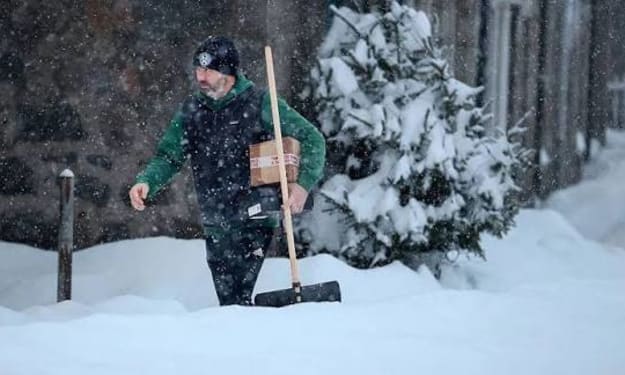
Bad News for the Elfstedentocht: “Snow Is the Enemy of Ice”. AI-Generated.
The Elfstedentocht, the legendary Dutch ice-skating race through eleven cities in Friesland, has always been a symbol of national pride and endurance. However, this year, enthusiasts face grim news: snow, which seems harmless in everyday life, has become the enemy of ice and threatens the much-anticipated event. Experts warn that without the right conditions, the iconic race may be postponed or even canceled, disappointing thousands of skaters and spectators alike.
By Fiaz Ahmed 25 days ago in Longevity
Making Meaningful Connections as a Senior
As we grow older, social circles often become smaller. Opportunities to meet new people tend to fade, not because the desire disappears, but because the contexts that once made encounters natural slowly vanish. Many seniors still feel the need to share, to talk, to laugh, to build a connection — whether friendly, emotional, or romantic — yet they no longer know where or how such encounters can happen.
By Bubble Chill Media 25 days ago in Longevity
Day 4 of Quitting. Top Story - January 2026.
If this is how sobriety feels, maybe it’s better to go through life a little buzzed… this, along with other hits like, I want to kill myself, I wish I was dead, and I’m going to throw myself off a bridge have been the only thoughts on rotation these past few days. I promise myself that if, in a month, I still feel like this (‘this’ meaning despondent, full of rage, and simultaneously numb) I can go back to smoking. Until mid-February though? Nicotine is off the table.
By sleepy drafts27 days ago in Longevity
Ice and Snow Warning for Most of Scotland as Hundreds of Schools Closed. AI-Generated.
Here’s a 700-word article for your requested topic, crafted to be unique, informative, and suitable for Vocal Media readers: Ice and Snow Warning for Most of Scotland as Hundreds of Schools Closed Scotland is bracing for a significant spell of winter weather as meteorologists issue widespread ice and snow warnings across the country. The harsh conditions have prompted authorities to close hundreds of schools, disrupt transportation networks, and urge the public to take extreme caution over the coming days. A Widespread Winter Alert The Met Office has placed most of Scotland under a yellow warning for snow and ice, signaling potentially dangerous conditions. Heavy snowfall is expected in the Highlands, Grampian, and northern coastal areas, with accumulations of up to 20 centimeters in some regions. Authorities warn that icy patches will form on roads, pavements, and rail tracks, increasing the risk of accidents and making travel treacherous. The Scottish government has already confirmed the closure of hundreds of schools, particularly in areas forecasted to receive the heaviest snow. Local councils are advising parents to keep children at home where possible and have promised that remote learning options will be made available. Impact on Transport and Travel Transport services across Scotland are also facing disruptions. Rail operators have warned of potential delays and cancellations, especially on lines running through the northern and central Highlands. Bus services in rural and elevated regions have been scaled back, and ferry services may be affected by high winds and rough seas. Motorists are being urged to avoid unnecessary travel and to equip vehicles with winter essentials such as snow chains, blankets, and food supplies. Police Scotland has issued warnings to drivers to adjust speeds and take extra precautions when driving on icy or snow-covered roads. Airports, including Edinburgh and Glasgow, have prepared for flight delays and cancellations, advising travelers to check with airlines before heading to terminals. Public Safety Measures Emergency services are preparing for a surge in incidents related to the cold snap. Hospitals and health centers have been alerted to anticipate a rise in weather-related injuries, including slips and falls on ice, hypothermia cases, and accidents due to hazardous driving conditions. The Scottish Environment Protection Agency (SEPA) has also issued warnings about potential flooding in areas where heavy snow may melt rapidly. Residents living near rivers and low-lying areas are advised to stay vigilant and follow guidance from local authorities. School Closures and Community Response The closure of schools has prompted a swift response from parents and educators. Many schools are shifting to online learning platforms to ensure continuity of education despite the extreme weather. Headteachers have emphasized that safety is the primary concern and have thanked staff, students, and families for their cooperation. Community centers and local councils are mobilizing volunteers to check on vulnerable residents, particularly the elderly and those living alone. Warm shelters are being opened in areas heavily affected by the snow, providing heated spaces, hot meals, and medical assistance where needed. Economic and Daily Life Implications The extreme weather is expected to have broader implications beyond immediate safety concerns. Retail businesses, transport operators, and service industries may face disruptions due to reduced footfall and logistical challenges. Farmers and livestock owners are advised to take preventive measures to protect animals and crops from freezing temperatures. Energy companies are on high alert as increased demand for heating places additional strain on the power grid. Residents are encouraged to conserve energy where possible and to report any outages immediately. Weather Experts Weigh In Meteorologists say that Scotland is experiencing one of the most severe winter weather patterns of the decade. Dr. Fiona MacKenzie of the Met Office explained: “The combination of low temperatures, heavy snowfall, and icy winds creates hazardous conditions that can affect every aspect of daily life. Residents should treat warnings seriously and limit travel unless essential.” Experts also highlight that climate variability is contributing to the unpredictability and severity of winter weather, underscoring the need for robust preparedness measures. Staying Safe During the Cold Snap Authorities continue to urge the public to follow safety guidance during the extreme weather period. Key recommendations include: Avoid traveling unless absolutely necessary. Keep warm and check on vulnerable neighbors and family members. Use public transport where possible, and follow updates from transport operators. Prepare emergency kits for vehicles and homes, including food, water, blankets, and medical supplies. Conclusion As ice and snow sweep across Scotland, the focus remains on public safety and preparedness. The closure of schools, disruption to transport networks, and activation of community support systems highlight the seriousness of the situation. Residents are advised to stay informed, follow official guidance, and take all necessary precautions to weather the storm safely. The coming days will test Scotland’s resilience to winter extremes, but coordinated efforts between authorities, communities, and individuals aim to mitigate the impact of this severe cold snap, keeping lives and property as safe as possible.
By Fiaz Ahmed Brohi27 days ago in Longevity
Exploring the cultural, religious, and modern celebrations of Epiphany around the world. AI-Generated.
Epiphany, celebrated annually on January 6th, is a festival rich with history, religious meaning, and cultural traditions. Often overshadowed by the grandeur of Christmas and New Year, Epiphany carries profound significance in Christian theology while also inspiring diverse customs and secular celebrations across the globe. Its origins, spanning centuries, reveal a fascinating blend of religious devotion, folklore, and community rituals that continue to evolve in contemporary society. Religious Significance The term “Epiphany” comes from the Greek word epiphaneia, meaning “manifestation” or “appearance.” In Christian tradition, it commemorates the revelation of Jesus Christ to the Gentiles, symbolized by the visit of the Magi, or the three wise men, to the infant Jesus. This event is often referred to as the Feast of the Three Kings in many cultures. For Christians, Epiphany signifies not only Christ’s manifestation to the world but also the broader concept of divine revelation. In the Eastern Orthodox Church, Epiphany primarily celebrates the baptism of Jesus in the Jordan River by John the Baptist, highlighting the moment when the Holy Trinity was revealed. Across denominations, Epiphany is a time for reflection, worship, and acknowledgment of spiritual enlightenment. Many churches hold special masses, blessing ceremonies, and processions to mark the occasion. Traditional Celebrations Around the World Epiphany customs vary widely by region, reflecting local culture and history. In Spain and much of Latin America, the festival is celebrated as Día de los Reyes (Three Kings’ Day). Children eagerly await gifts from the Magi, who are said to leave presents in shoes left by the door, echoing the tradition of Santa Claus in other cultures. Parades, community gatherings, and elaborate nativity reenactments make the day a vibrant public celebration. In Italy, Epiphany is associated with La Befana, a kindly witch who delivers sweets and small gifts to children, combining folklore with Christian teachings. In France, the Galette des Rois is a special pastry shared among family and friends, with a hidden figurine inside—whoever finds it is crowned “king” or “queen” for the day. In Poland and Hungary, traditional church services are followed by the blessing of homes with holy water, chalk markings, and prayers for prosperity in the new year. Secular and Modern Rites While Epiphany has strong religious roots, it has also been embraced in secular ways. In parts of Europe and the Americas, cultural performances, street fairs, and community feasts accompany the religious observances, creating a festival atmosphere accessible to people of all beliefs. Epiphany also marks the official end of the Christmas season in many countries, with public decorations and Christmas trees being taken down on or after January 6th. In contemporary practice, some families have transformed Epiphany into a day for giving back, hosting charity events, or spending time with extended family. Educational institutions may incorporate lessons on the Magi, symbolism, and cultural traditions, allowing children to connect history and faith in meaningful ways. Epiphany in Popular Culture Epiphany’s themes of revelation, wisdom, and generosity have permeated literature, music, and art. Artists have depicted the journey of the Magi in countless paintings, highlighting the universal motif of seeking knowledge and light. Literary works sometimes use Epiphany as a symbol of personal or spiritual awakening, where characters experience a profound moment of insight or transformation. In music, especially in choral and classical traditions, Epiphany inspires compositions that celebrate divine revelation, blending sacred lyrics with melodies designed to evoke both contemplation and joy. Secular adaptations, from festive songs to theater performances, demonstrate how Epiphany continues to influence culture beyond strictly religious contexts. A Festival of Reflection and Connection At its heart, Epiphany is about revelation and connection—whether divine, cultural, or communal. It reminds people of the importance of generosity, insight, and celebration. For many, it serves as a bridge between the sacred and the secular, linking centuries-old traditions with modern interpretations that keep the festival alive and meaningful. From blessing homes in Eastern Europe to sharing pastries in France, from festive parades in Spain to family gatherings around symbolic rituals, Epiphany continues to foster community, joy, and spiritual reflection. It stands as a testament to how ancient religious observances can evolve, embracing cultural diversity while maintaining their essential message of light, wisdom, and generosity. Conclusion Epiphany is much more than a footnote in the holiday calendar. It is a celebration that unites religious devotion, folklore, and communal joy, reminding us of the universal desire for revelation, understanding, and connection. Whether observed in solemn church services, joyous parades, or simple family traditions, Epiphany remains a powerful festival, bridging past and present while inspiring both spiritual reflection and cultural celebration worldwide.
By Fiaz Ahmed Brohi27 days ago in Longevity
Many Schools Don’t Think Students Can Read Full Novels Anymore — And That’s a Tragedy. AI-Generated.
In classrooms across the world, a quiet but troubling shift is taking place. Many schools are scaling back or completely abandoning the teaching of full-length novels, replacing them with excerpts, summaries, or short-form texts. The reasoning often sounds practical: students lack the attention span, reading stamina, or motivation to finish long books. But this growing assumption carries a deeper cost. The decline of novel reading in schools is not just an educational adjustment — it is a cultural and intellectual tragedy. The Shrinking Role of the Novel For generations, novels have been central to education. They taught students empathy, critical thinking, moral reasoning, and the patience required to follow complex ideas over time. From classic literature to modern fiction, full novels allowed young readers to live inside other lives and perspectives. Today, however, many educators report that students struggle to complete even a few chapters. Digital distractions, social media, and fast-paced content have reshaped how young people consume information. In response, schools increasingly favor bite-sized reading materials that align with standardized testing and reduced classroom time. While this may appear efficient, it risks sacrificing depth for convenience. Why Reading Full Novels Still Matters Reading a novel is fundamentally different from reading short texts. A novel demands sustained attention, emotional investment, and intellectual endurance. These are not outdated skills — they are essential ones. When students read a full novel, they learn how to track themes across hundreds of pages, understand character development, and recognize cause-and-effect relationships in complex narratives. These abilities translate directly into real-world skills such as problem-solving, patience, and long-term focus. More importantly, novels cultivate empathy. Living inside a character’s thoughts over time helps students understand perspectives vastly different from their own. In an increasingly polarized world, this emotional literacy is invaluable. Lowering Expectations, Lowering Outcomes One of the most concerning aspects of abandoning novels is the message it sends to students: we don’t think you’re capable. When schools assume students cannot handle long-form reading, expectations are quietly lowered. History shows that when expectations drop, outcomes often follow. Students rise to challenges when given the tools and encouragement to do so. If reading stamina is weak, the solution should not be avoidance but gradual rebuilding — just as physical strength improves with practice. Removing novels from curricula denies students the chance to develop this crucial skill. The Role of Technology and Attention It is undeniable that digital culture has reshaped attention spans. Constant notifications, short videos, and algorithm-driven content train the brain to crave immediacy. But schools should act as a counterbalance to this trend, not surrender to it. Education has always required effort that goes against the grain of comfort. Learning mathematics is difficult. Writing essays is demanding. Reading novels is no different. Shielding students from difficulty does not prepare them for adulthood — it weakens their resilience. Engagement, Not Elimination The problem is not novels themselves, but how they are taught. Too often, novels are presented as rigid academic tasks rather than living stories. Educators who connect books to students’ lives, encourage discussion, and allow space for interpretation often see higher engagement. Modern novels, diverse voices, and relevant themes can reignite interest. Pairing reading with creative projects, debates, or multimedia exploration can make novels feel alive rather than burdensome. The answer is innovation in teaching, not retreat from literature. Equity and Cultural Loss There is also an equity issue at stake. Students from book-rich homes may continue reading novels independently, while those without access rely entirely on schools for literary exposure. Removing novels from classrooms widens the cultural gap, depriving many students of the shared experience of literature. Novels are not just educational tools — they are cultural touchstones. They shape language, values, and identity. Losing them from schools means losing a common intellectual heritage. What We Stand to Lose If students grow up believing they cannot read novels, the consequences extend far beyond school. Long-form reading strengthens concentration, memory, and analytical thinking — skills essential for higher education, professional life, and informed citizenship. A society that abandons deep reading risks becoming more reactive, less reflective, and more vulnerable to misinformation. The ability to sit with complexity, ambiguity, and nuance begins with reading books that do not offer instant gratification. Conclusion The belief that students can no longer read full novels is not just pessimistic — it is dangerous. It reflects a failure of imagination and resolve rather than a failure of students themselves. Young people are capable of far more than we often assume, especially when challenged with purpose and support. Abandoning novels may seem like a practical response to modern realities, but it comes at a steep cost. Preserving long-form reading in schools is not about nostalgia; it is about protecting the intellectual and emotional development of future generations. If schools give up on novels, we give up on depth, empathy, and sustained thought. That is not progress. That is a tragedy.
By Fiaz Ahmed Brohi28 days ago in Longevity
The Silent Revolution: How a Spin Bike in My Living Room Changed Everything. AI-Generated.
For years, my relationship with fitness was a series of "starts" that never quite "stuck." I’d buy the expensive gym membership, feel the surge of January motivation, and then slowly retreat when the logistics of commuting, locker rooms, and "gymtimidation" became too much to handle.
By George Evan29 days ago in Longevity