
The Weight We Carry in December: Why the End of the Year Feels So Heavy
The overlooked mix of routine changes, expectations, and emotional pressure that makes December uniquely exhausting.


Educational Information Only — Not Medical Advice
This article provides general information and is not intended as medical or psychological guidance. Always consult a qualified professional regarding health concerns.
December is often described as cheerful, festive, and energizing — yet many people quietly feel overwhelmed, drained, or unusually tense as the month unfolds. The contrast between what the season is supposed to feel like and what it actually brings can create a heavy emotional load that goes unnoticed.
The truth is that December exerts pressure from multiple angles. Expectations rise, routines shift, responsibilities multiply, and time feels compressed. These combined forces create a sense of strain that isn’t imaginary — it’s a real seasonal pattern.
Here’s why the end of the year often feels heavier than any other month.
1. Routines Collapse Without Warning

Throughout most of the year, everyday structure helps keep stress in check. Sleep schedules, mealtimes, work patterns, and social habits create stability. December disrupts nearly all of them.
Calendar changes, late-night gatherings, travel, increased errands, and shifting schedules pull people away from their usual rhythm. When routines slip, emotional regulation becomes harder. Even positive events can add to the strain simply because they break from the familiar.
2. Emotional and Social Expectations Multiply

December comes with a silent rulebook: be joyful, be social, be generous, be available.
Unspoken pressure shows up in many forms:
- meeting family expectations
- attending gatherings
- purchasing gifts
- performing holiday roles
- maintaining cheerful attitudes
Even people who enjoy the season can feel the emotional weight of sustained social engagement. The expectation to stay upbeat, especially when feeling tired or stretched thin, can amplify stress.
3. Financial Decisions Become More Complex

For many households, financial juggling becomes harder in December. Travel costs, seasonal activities, gift budgets, and year-end obligations all accumulate in a short period. Even when spending is planned, the pace and volume of decisions can be draining.
The mental load of managing money during the holidays — while trying to meet emotional expectations — adds another layer to the overall pressure.
4. Reflections on the Year Bring Mixed Emotions
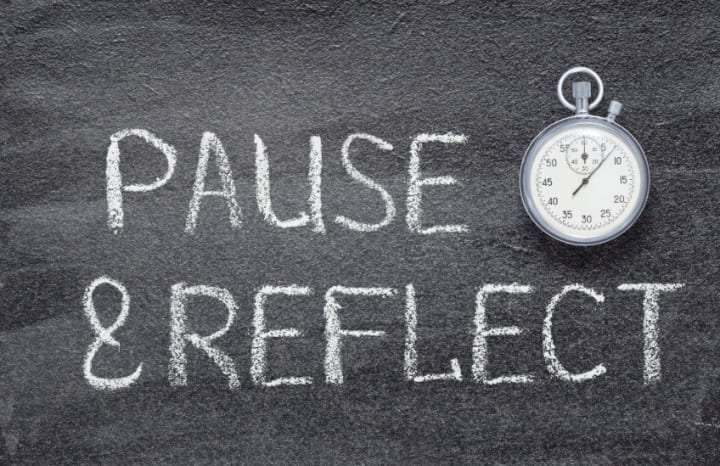
As the year closes, people naturally reflect on what they achieved, what changed, and what didn’t go as planned. This reflection is valuable, but it can also stir up:
- regret
- disappointment
- nostalgia
- unresolved stress
- lingering goals
The combination of reflection and holiday expectations creates a unique emotional blend — one that carries both weight and complexity.
5. Daylight and Weather Influence Mood

Shorter days and reduced sunlight can affect energy levels and motivation. Many people experience seasonal dips in mood without recognizing the connection. Cold weather, earlier darkness, and fewer outdoor activities make emotional balance harder to maintain.
These physical changes quietly shape the emotional tone of the month.
6. The Pressure to “Finish Strong”

There’s also a cultural assumption that December requires:
- wrapping up unfinished projects
- preparing for the new year
- organizing finances
- completing work deadlines
- setting goals for the future
The push to close out the year can make daily life feel like a countdown. Even small tasks appear heavier when time feels limited.
7. Holiday Joy and Holiday Stress Coexist

The holiday season can be meaningful, but it’s rarely simple. People often experience gratitude, connection, and happiness at the same time as exhaustion, emotional strain, and sensory overload.
This mix is normal — yet rarely acknowledged.
Understanding that these feelings can coexist helps reduce the pressure to experience the season in one specific way.
8. What Helps Lighten the December Load

Small adjustments can make a noticeable difference:
- protecting sleep when possible
- spacing out obligations
- drinking more water during busy days
- limiting overwhelming environments
- taking short breaks between social events
- recognizing when expectations feel too heavy
- allowing yourself a slower pace when needed
These practices don’t remove the season’s demands, but they help restore balance.
The Season Isn’t Simple — And That’s Okay

If December feels heavier than other months, you’re not imagining it. The combination of disrupted routines, social expectations, financial pressure, emotional reflection, and seasonal changes can create an intense experience.
Recognizing the weight of the season doesn’t diminish its meaningful parts — it simply allows space for a more honest, balanced understanding of what this time of year brings.
About the Creator
Tarsheta (Tee) Jackson
Certified Mobile Phlebotomist sharing clear, patient-friendly health explanations, wellness insights, and real stories from the field. Making labs and medical moments easier to understand.
Keep reading
More stories from Tarsheta (Tee) Jackson and writers in Longevity and other communities.
What It’s Really Like to Be a Mobile Phlebotomist
Medical Disclaimer This article is for educational and informational purposes only. It is not intended to diagnose, treat, cure, or prevent any medical condition. Nothing here should be taken as personal medical advice. Always consult with your physician, healthcare provider, or qualified medical professional about your specific health questions, symptoms, or lab results.
By Tarsheta (Tee) Jackson3 months ago in Longevity
How Robots Are Changing Healthcare
How Robots Are Changing Healthcare One of the most transformative periods in healthcare's history is currently underway. Robotics, which was once mostly associated with manufacturing plants and science fiction, is at the center of this evolution. Today, robots assist surgeons, disinfect hospital rooms, deliver medications, support rehabilitation, and even provide companionship to patients.
By Farida Kabira day ago in Longevity
Presidents Day
Every February, Americans pause to reflect on leadership, history, and the evolving meaning of public service. Presidents Day, observed on the third Monday of February, is more than just a long weekend or retail event. At its core, it is a federal holiday rooted in remembrance, civic identity, and the enduring influence of presidential leadership on the United States.
By Saboor Brohi about 13 hours ago in Longevity



Comments
There are no comments for this story
Be the first to respond and start the conversation.