
Unlocking the Power of the Gut-Brain Axis for Better Health
Explore how a balanced gut-brain connection can enhance mood, mental clarity, and overall health

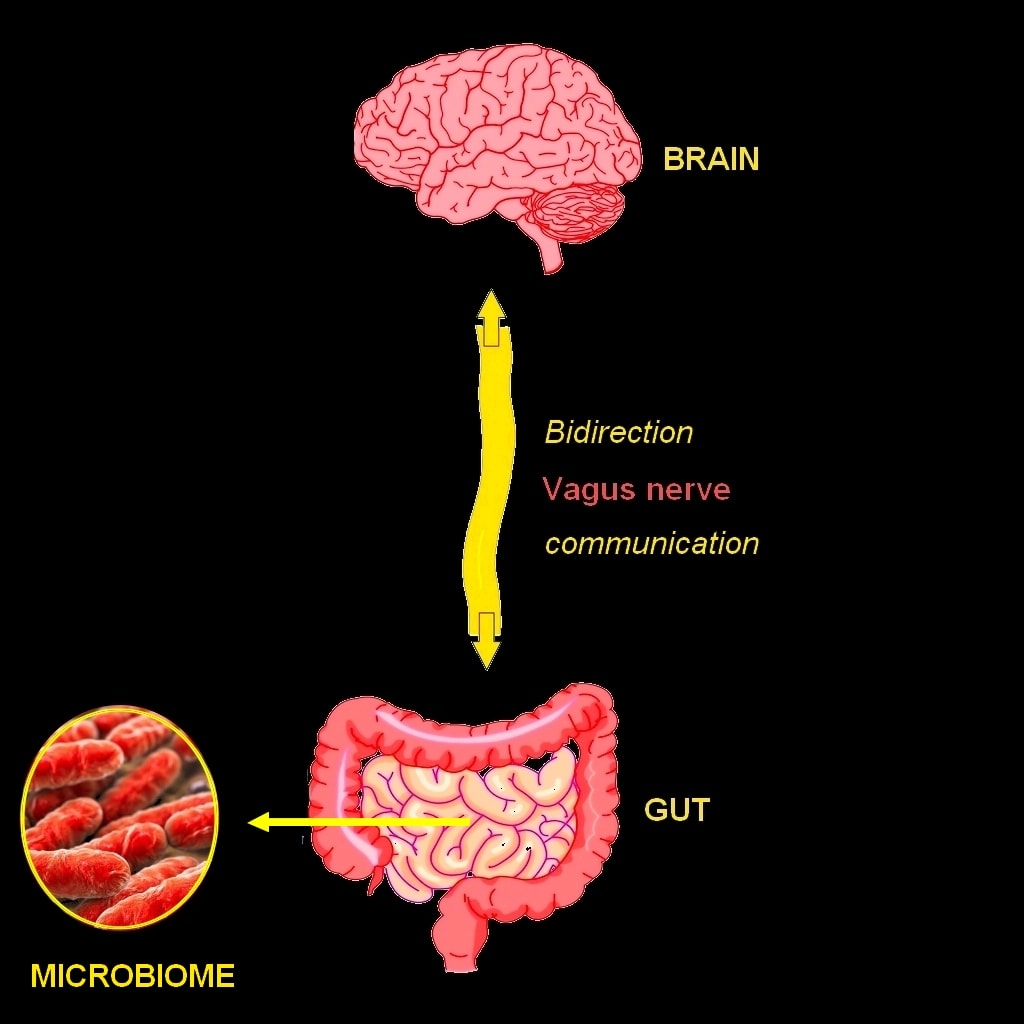
Have you ever wondered why you feel happy when you eat your Favorite food or why you get butterflies in your stomach when you are nervous? Even now, the smell of my wife’s cooking, especially when she prepares my favourite dish, instantly lifts my spirits and brings a smile to my face. Back when I was a student, the pressure of exams used to make me feel nervous, and I still get that same feeling whenever I speak in front of a crowd. It's because of the special connection between your gut and brain. This connection is called the "gut-brain axis."
How Does it Work?
Your gut and brain talk to each other through tiny messengers called neurotransmitters. These messengers help you feel happy, sad, or anxious. But did you know that most of these messengers are made in your gut? That's right! Your gut is like a tiny factory that produces chemicals that affect your mood and emotions.
Emerging research has revealed a fascinating link between our gut and brain, known as the "gut-brain axis." This connection means that the health of our gut directly affects not just our digestion but also how we feel mentally and emotionally. By nurturing a healthy gut microbiome through diet, exercise, and sleep, we can help reduce anxiety, support mood stability, and foster overall well-being.
The Science Behind the Gut-Brain Axis
The gut and brain communicate bidirectionally, meaning they both send and receive signals to each other. One of the primary ways they communicate is through the microbiome an ecosystem of trillions of bacteria living in the gut. These bacteria play essential roles in digestion, immune function, and, notably, the production of neurotransmitters like serotonin and dopamine, which regulate mood, sleep, and stress. In fact, nearly 90% of serotonin, often called the "feel-good" hormone, is produced in the gut.
Studies highlight this connection
Mayer (2011) points out that gut bacteria can influence brain function by signalling through the Vagus nerve, directly affecting emotional regulation.
Foster and Neufeld (2013) found that imbalances in gut bacteria can increase susceptibility to anxiety and depression, suggesting that gut health has a profound impact on mental health.
Understanding this connection allows us to make simple lifestyle changes that benefit both gut and brain. Here are some effective ways to support a healthy gut-brain balance.
Simple Tips for a Balanced Gut and Brain Health
1. Eat Fiber-Rich Foods
Fiber serves as a food source for beneficial gut bacteria, which helps them thrive and outcompete harmful bacteria. Foods like fruits, vegetables, whole grains, and nuts provide the fibre necessary to maintain a healthy balance. This balance contributes to a stable mood and may even help reduce stress and anxiety.
2. Incorporate Probiotic Foods
Probiotics are live, beneficial bacteria found in foods like yogurt, kefir, and sauerkraut. Studies, including those by Clapp et al. (2017), indicate that consuming probiotics can positively influence mood and mental health by promoting diversity in gut bacteria. A more diverse microbiome is associated with reduced levels of depression and anxiety, likely due to enhanced production of mood-regulating chemicals.
3. Limit Junk, Processed and Sugary Foods
Junk, processed and sugary foods can disrupt the microbiome by encouraging the growth of harmful bacteria and reducing beneficial bacteria. Instead, focus on healthy, whole and unprocessed foods. Not only do these foods benefit digestion, but they also help maintain a healthy microbiome, which supports emotional well-being.
4. Stay Hydrated
Water is essential for healthy digestion and nutrient absorption. Adequate hydration helps maintain the mucosal lining of the intestines, supporting a favourable environment for beneficial bacteria. A healthy gut environment helps optimize the gut-brain connection.
5. Prioritize Quality Sleep
Poor sleep affects both gut and brain health. Disruptions in sleep can reduce beneficial bacteria and exacerbate stress levels, making it more challenging to manage anxiety. Prioritizing sleep helps maintain the microbiome, improving resilience against stress. Research supports that getting a full night’s sleep allows for better coordination between gut and brain, leading to a positive impact on mood and cognitive function.
6. Exercise Regularly
Regular exercise has been shown to benefit both mental and physical health. Exercise stimulates the release of endorphins chemicals that promote happiness and relaxation. Additionally, studies indicate that exercise helps support gut bacteria diversity and strengthens the gut lining, which aids the microbiome’s overall health.
Your gut and brain are connected in amazing ways. By taking care of your gut, you can support your mental health and well-being. Remember, it's not just about what you eat, but also how you live. By making simple changes to your diet and lifestyle, you can unlock better health and emotional well-being.
A balanced gut microbiome does more than support digestion; it contributes to mental clarity, emotional resilience, and overall well-being. While diet, exercise, and sleep are everyday factors, they have a profound impact on our gut health and, by extension, our mental health. Nurturing this connection between gut and brain can be a transformative step toward feeling emotionally balanced and physically healthy.
This information is provided for general health awareness and educational purposes only. It is not a substitute for professional medical advice, diagnosis, or treatment. Always consult your physician or other qualified healthcare provider with any questions you may have regarding a medical condition.
References
Mayer, E. A. (2011). Gut feelings: the emerging biology of gut–brain communication. Nature Reviews Neuroscience, 12(8), 453-466.
Clapp, M., Aurora, N., Herrera, L., Bhatia, M., Wilen, E., & Wakefield, S. (2017). Gut microbiota’s effect on mental health: The gut-brain axis. Clinics and Practice, 7(4), 987.
Foster, J. A., & Neufeld, K. A. (2013). Gut–brain axis: how the microbiome influences anxiety and depression. Trends in Neurosciences, 36(5), 305-312.
About the Creator
Vijay Koul
I worked in CSIRO, AU. After retiring I found great joy in embracing writing as a fulfilling hobby. With more time on my hands. This new pursuit allowed me to explore different genres and topics, drawing from my experiences and knowledge.
Keep reading
More stories from Vijay Koul and writers in Longevity and other communities.
For Healthy Eating, Healthy Living: Food is Your Medicine
For Healthy Eating, Healthy Living: Food is Your Medicine The phrase "food is your medicine" emphasizes the powerful role that what we eat plays in maintaining health and preventing disease. Rather than turning to medications to manage illness, we can choose the right foods to support the body's natural healing processes and improve our overall well-being. Let’s explore this concept in simple terms.
By Vijay Koulabout a year ago in Longevity
Day 4 of Quitting
If this is how sobriety feels, maybe it’s better to go through life a little buzzed… this, along with other hits like, I want to kill myself, I wish I was dead, and I’m going to throw myself off a bridge have been the only thoughts on rotation these past few days. I promise myself that if, in a month, I still feel like this (‘this’ meaning despondent, full of rage, and simultaneously numb) I can go back to smoking. Until mid-February though? Nicotine is off the table.
By sleepy drafts26 days ago in Longevity
Trouble at the Tea Leafing Café
The rain had started right around the time that Annie was buttering her second thick slice of homemade toast for breakfast, and hadn’t paused since. Not that anyone could tell. The windows of the café were fogged over, and with every seat filled with happy customers munching on fresh baked pastries or steaming bowls of the delicious soup of the day, it was hardly surprising. Annie looked around the room, finally taking a moment to breathe after the lunch time rush. Her old life already felt like a bad memory, a part of her history, always, but just that. History.
By Hannah Moore2 days ago in Fiction


Comments
There are no comments for this story
Be the first to respond and start the conversation.