
China’s Box Office Presales Fall Over 60% From Last Year in Crucial Lunar New Year Window
Formal / News Style A sharp decline in ticket presales signals changing audience habits China’s film industry faces unprecedented slowdown during key holiday season 🔹 Neutral & Informative Analyzing the factors behind a 60% drop in Lunar New Year presales What declining presales mean for cinemas, studios, and streaming platforms 🔹 Catchy & Impactful From theaters to living rooms: China’s evolving movie market When the holiday blockbuster rush fails to deliver


China’s film industry is facing a surprising slowdown as presales for the Lunar New Year box office—a period traditionally considered the most lucrative for Chinese cinema—have plummeted by more than 60% compared with last year. The sudden drop has raised concerns among producers, distributors, and exhibitors about audience appetite, content strategy, and the sustainability of China’s rapidly expanding movie market.
Industry analysts report that, as of early February, ticket presales for the first week of the Lunar New Year period were just over $120 million, compared with $320 million during the same period in the previous year. This decline comes despite a slate of highly anticipated releases, including major domestic blockbusters and high-profile co-productions with foreign studios.
Factors Behind the Decline
Several factors appear to be contributing to the sharp fall in presales. Analysts cite a combination of audience fatigue, market saturation, and changing viewing habits. After years of unprecedented growth, Chinese audiences are increasingly selective, often favoring streaming platforms over cinemas for convenience and cost-effectiveness.
“The market is no longer simply about releasing big titles and expecting box office gold,” said a Shanghai-based film distributor. “Audiences are more discerning and have more options than ever. Presales reflect the mood of the market, and this year, the mood is cautious.”
Content quality is also under scrutiny. While blockbuster marketing campaigns have dominated social media platforms, early reviews and audience reactions to trailers have been mixed. Some industry insiders suggest that recent films fail to deliver the compelling storytelling and high production values expected from Lunar New Year releases, traditionally a showcase of domestic cinematic excellence.
Impact on the Industry
The presales slump has immediate financial implications for producers and cinema chains. Lunar New Year often accounts for 30–40% of a studio’s annual revenue, making it a critical window for recouping production costs and generating profits. Lower-than-expected ticket sales could lead to tighter budgets for upcoming projects, reduced investment in domestic content, and delays in planned releases.
Exhibitors are also feeling the pinch. Cinema chains, which rely heavily on this period to offset slower months, have begun reevaluating staffing, scheduling, and promotional strategies. Some chains are offering deeper discounts and bundled packages in an effort to attract audiences, while others are emphasizing enhanced cinematic experiences such as premium seating and immersive audio-visual technology.
Streaming and Changing Habits
Streaming platforms have emerged as a formidable competitor to traditional cinemas. Platforms offering early access to films, subscription models, and interactive features are reshaping audience expectations. Analysts believe that the presales drop signals a broader trend: a growing segment of Chinese consumers prefers the flexibility of at-home viewing, particularly for family-friendly content that has traditionally dominated the Lunar New Year window.
“Lunar New Year used to be a communal cinema experience,” said a Beijing-based cultural commentator. “Now, the communal aspect often happens at home, with family members streaming the same films together rather than going out to theaters.”
Market Saturation and Audience Fatigue
Another factor is market saturation. China releases hundreds of films annually, and during peak periods, competition for audience attention is fierce. With multiple high-profile releases scheduled simultaneously, consumers are faced with difficult choices, leading to lower presales for individual films.
Audience fatigue is evident on social media platforms, where discussions reveal skepticism toward big-budget productions and a preference for content that offers novelty and emotional resonance. Analysts note that marketing campaigns alone are no longer sufficient to guarantee presales success; content quality, word-of-mouth, and audience trust now play a more decisive role.
Looking Ahead
Industry watchers caution that while the presales drop is significant, it may not translate directly into a proportional decline in overall box office revenue. Weekend peaks, last-minute ticket purchases, and strong word-of-mouth can still drive substantial earnings.
However, the trend serves as a warning for studios and distributors. As China’s film market matures, success depends increasingly on understanding audience preferences, investing in compelling storytelling, and innovating beyond traditional marketing strategies.
The Lunar New Year window has long been a symbol of the industry’s vitality and cultural resonance. This year’s presales decline underscores a shift in audience behavior and the growing influence of alternative viewing platforms. For China’s film industry, the challenge is clear: adapt to changing habits, elevate content quality, and find ways to engage audiences in a landscape that is no longer guaranteed by tradition alone.
About the Creator
Fiaz Ahmed
I am Fiaz Ahmed. I am a passionate writer. I love covering trending topics and breaking news. With a sharp eye for what’s happening around the world, and crafts timely and engaging stories that keep readers informed and updated.
Keep reading
More stories from Fiaz Ahmed and writers in The Swamp and other communities.
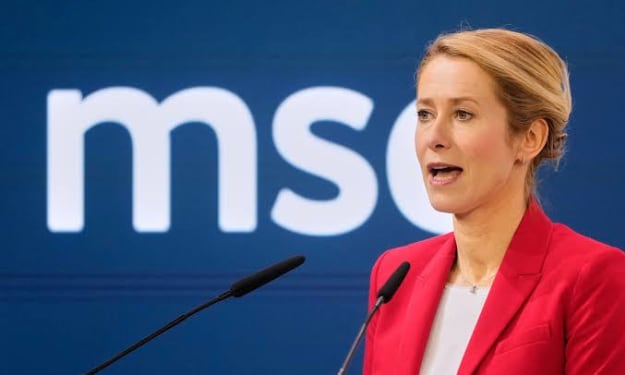
Woke Europe Not Facing Civilisational Erasure,’ Says EU’s Kallas After Rubio’s Munich Speech – As It Happened
In the wake of a provocative speech by U.S. Senator Marco Rubio at the Munich Security Conference, Estonia’s Prime Minister Kaja Kallas moved swiftly to reassure Europeans that fears of civilisational collapse are overblown, emphasizing resilience and cohesion within the European Union. Rubio’s address, which highlighted demographic trends, cultural shifts, and the perceived weakening of traditional European values, sparked intense debate among policymakers, analysts, and media outlets across the continent. Rubio’s Munich Speech: Key Points Rubio’s address at the conference outlined a scenario in which Europe, he argued, risks losing its cultural and strategic identity. He warned of declining birth rates, immigration pressures, and what he termed the rise of “woke policies” as threats to Europe’s traditional societal structures. His speech urged EU nations to adopt more assertive defense policies, reinforce cultural identity, and strengthen ties with the United States to counter perceived demographic and ideological shifts. While many attendees lauded Rubio’s remarks for drawing attention to strategic challenges, critics described the speech as alarmist and politically charged. Social media erupted with contrasting opinions, with hashtags debating Europe’s future trending for several hours. Kallas’ Response: Calm Amid Alarm Responding promptly to Rubio’s remarks, Prime Minister Kallas downplayed the notion that Europe is facing civilisational erasure. Speaking at a follow-up press briefing, she stressed that the EU is navigating global challenges with “resilience, unity, and adaptability.” “Europe faces challenges, but it is not on the brink of collapse,” Kallas said. “Our institutions, economies, and societies have endured far more difficult periods. We will continue to defend our values, innovate, and grow together.” She also highlighted the EU’s commitment to sustainability, education, and digital transformation, framing these priorities as tools that strengthen rather than weaken European identity. “Progressive policies do not erase heritage; they prepare us for a more inclusive and resilient future,” Kallas added. Reactions Across Europe The exchange between Rubio and Kallas sparked immediate discussion in Brussels, Berlin, and Paris. Analysts noted that Rubio’s framing tapped into anxieties among certain conservative circles regarding demographic changes and social liberalization. However, Kallas’ response was seen as a balancing act, seeking to reassure the public without dismissing legitimate concerns about defense and strategic autonomy. Several political commentators described the exchange as indicative of the broader transatlantic debate over identity, values, and security in an era of rapid global change. Some highlighted that Kallas’ measured tone reinforced the EU’s ability to respond to external critiques while maintaining internal cohesion. Strategic and Geopolitical Implications Beyond rhetoric, Rubio’s speech reflects deeper transatlantic discussions about Europe’s role in global security and its reliance on U.S. military and economic support. While the EU has increased defense spending and coordinated strategic initiatives, some U.S. policymakers continue to press European nations to adopt more assertive postures in NATO and in countering global adversaries. Kallas’ assurance that Europe is resilient signals a desire to maintain a steady course. By balancing reassurance with recognition of challenges, she reinforced the EU’s commitment to collaboration both within the continent and with key partners, including the United States. Looking Ahead As the Munich Security Conference concluded, debates over Europe’s cultural and strategic trajectory remained central. While Rubio’s warnings resonate with some policymakers and analysts, Kallas’ response underscores that Europe’s approach is multifaceted—addressing demographic trends, social policies, and security imperatives without succumbing to alarmism. Observers note that the exchange may shape upcoming policy discussions within the EU, particularly in areas such as defense funding, education initiatives, and migration management. For many Europeans, the conversation reflects not a crisis, but a critical moment to reaffirm values, strengthen institutions, and engage with global challenges thoughtfully. In the end, the dialogue between Rubio and Kallas illustrates the balance between caution and confidence, between critique and reassurance. Europe, according to Kallas, remains far from civilisational erasure—it is a continent capable of adaptation, unity, and enduring influence in a complex world.
By Fiaz Ahmed 2 days ago in The Swamp
Why Black History Matters in America?
The United States of America is celebrating their 250th anniversary in 2026. I'm proud to be an American and as someone who was born here, I wouldn't imagine myself living anywhere else. This is a country where opportunities are possible. Where anyone can be successful in anything they desire to do. Equality, community, and togetherness are the backbones of what America is and should be about. However, we have an administration who wants to erase and disregard those who have made positive, meaningful impacts in our country, specifically Black figures, such as Martin Luther King, Jr., Rosa Parks, and Maya Angelou. President Trump and his administration have been constantly complaining and fighting against what they call the "Woke agenda". They use this excuse as a distraction from other issues they refuse to address, such as the high cost of living, climate change, and inflation. That equality is dividing America, when in reality, it's bringing us together. Being woke is not tied to a specific political party. No matter where you stand on the political spectrum, you can still care about other people and their plights. Compassion and empathy for others isn't tied to a political party, either. We were taught as children to treat others the way we want to be treated and not judge others because they're different from us. Caring about others isn't a personal attack on your beliefs. It doesn't make you any less of a person. People who are easily offended over African American figures, past or present, or anything related to it, are grasping at straws. Current and future generations need to know who people like Harriet Tubman and Shirley Chisholm were, especially in the classroom. Black History is part of American History. It should be recognized, not hidden or forgotten. Besides, you can't shield children from everything, just because your feelings are easily hurt.
By Mark Wesley Pritchard 16 days ago in The Swamp
Sir Jim Ratcliffe: "The UK Has Been Colonised".
For the richest British man who resides in Monaco its very easy to sit there and criticise the UK. What was it that the businessman was moaning about? Speaking to Ed Conway of Sky News, Sir Jim said the UK faces very profound problems. Those are political, social, and economic challenges.
By Nicholas Bishop5 days ago in The Swamp


Comments
There are no comments for this story
Be the first to respond and start the conversation.