
“Don’t Drop the Prime Minister Over Mandelson,” Minister Urges Labour MPs Amid Growing Tensions
Senior Cabinet Voice Calls for Unity as Labour Faces Internal Divisions Over Peter Mandelson’s Influence
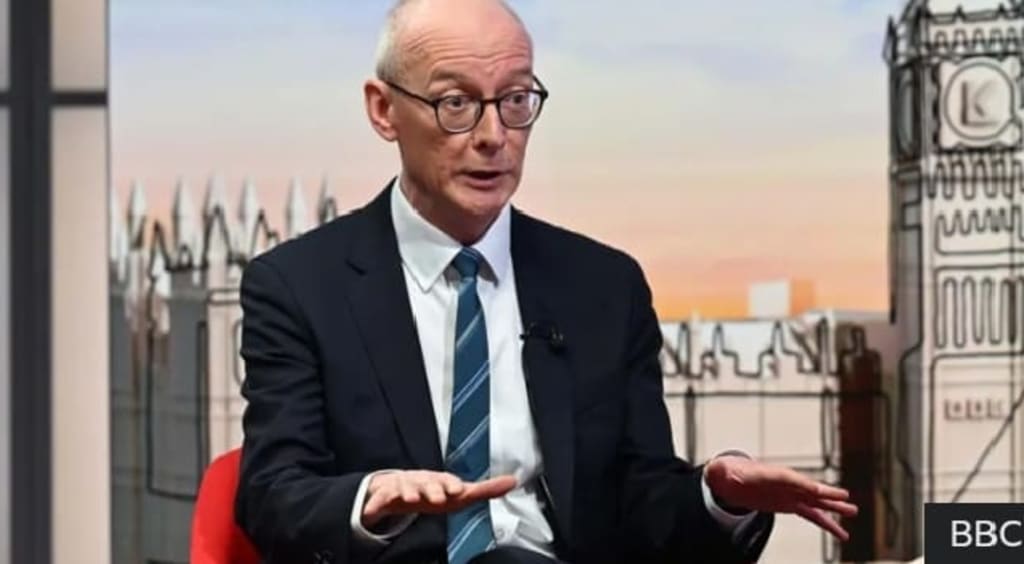
A senior government minister has urged Labour Members of Parliament not to turn internal disagreements over Peter Mandelson into a leadership crisis, warning that party infighting could seriously damage public trust and weaken the government’s ability to govern effectively.
The appeal comes amid rising concerns within Labour ranks about Mandelson’s growing influence in political decision-making. A veteran strategist and former cabinet minister, Mandelson has long been regarded as one of the party’s most skilled operators. However, his return to prominence has also revived old controversies, making him a divisive figure among MPs and party activists.
In recent weeks, reports have suggested that some Labour lawmakers are uneasy about the Prime Minister’s close association with Mandelson. Critics argue that his past scandals and connections to powerful business interests could undermine Labour’s image as a party committed to transparency and fairness.
Growing Discontent in Party Ranks
Several backbenchers have privately voiced concerns that Mandelson’s involvement reflects a reliance on old political figures rather than fresh ideas. Some believe this could alienate younger voters and grassroots supporters who want the party to move in a more progressive direction.
Others fear that the public may view Mandelson’s influence as evidence that key decisions are being shaped behind closed doors, rather than through open democratic debate. This perception, they argue, could harm Labour’s credibility at a time when trust in politics is already fragile.
These concerns have reportedly led to informal discussions among some MPs about challenging the Prime Minister’s leadership. While no formal move has been announced, the speculation alone has created anxiety within senior party circles.
Minister’s Call for Stability
In response, a senior cabinet minister addressed Labour MPs in a private meeting, urging them to focus on shared goals rather than personal disagreements.
“Differences of opinion are natural in a democratic party,” the minister reportedly said. “But turning those differences into a leadership crisis would be irresponsible and damaging.”
The minister emphasized that Mandelson serves only in an advisory capacity and does not override the authority of elected officials. According to sources, the message was clear: disagreements over one individual should not threaten the stability of the entire government.
The minister also warned that internal conflict would only strengthen opposition parties.
“When we fight among ourselves, we hand our opponents an advantage,” the minister said. “Our voters expect us to deliver results, not drama.”
Mandelson’s Political Record
Peter Mandelson has played a major role in shaping modern Labour politics. As one of the architects of “New Labour,” he helped transform the party into an electoral powerhouse in the late 1990s and early 2000s. His strategic skills and understanding of political machinery are widely respected.
However, his career has also been marked by controversy, including past resignations and allegations that continue to influence public opinion. For many MPs, these issues make his return to influence uncomfortable.
Supporters argue that his experience is exactly what the party needs during uncertain times. They point out that few politicians possess his level of insight into campaigning, policy messaging, and government operations.
One senior MP said, “Mandelson knows how to win elections and manage power. That experience is valuable, especially when the political climate is unstable.”
Impact on Party Unity
The debate over Mandelson has exposed deeper divisions within Labour. Some members want the party to pursue bold social and economic reforms, while others favor a more moderate, centrist approach. These ideological differences have been simmering for years and are now resurfacing through the current controversy.
Economic challenges, rising living costs, and pressure on public services have also increased public expectations of the government. In such an environment, leadership disputes risk overshadowing policy achievements and weakening Labour’s message.
Party organizers have expressed concern that continued infighting could discourage volunteers and weaken local campaigning efforts.
A regional party official commented, “People on the ground want us talking about jobs, housing, and healthcare. They’re tired of hearing about internal politics.”
Opposition’s Response
Opposition parties have been quick to take advantage of Labour’s difficulties. Conservative leaders have accused the government of being distracted and divided, arguing that it lacks the focus needed to address national problems.
Some opposition figures have questioned why Mandelson remains influential despite past controversies. They claim this reflects a lack of accountability and transparency within the ruling party.
Political analysts believe these attacks will intensify if Labour fails to restore unity soon.
The Prime Minister’s Position
So far, the Prime Minister has avoided directly addressing the Mandelson controversy. Instead, he has emphasized teamwork and collective responsibility in public speeches.
“Our priority is delivering for the British people,” he said recently. “That requires unity, discipline, and shared purpose.”
Sources close to the Prime Minister say he values Mandelson’s advice but makes his own decisions. They insist that no single adviser dominates government policy.
Looking Ahead
As Labour prepares for major policy debates and future elections, party unity will be crucial. The minister’s warning reflects growing concern that internal disputes could undermine years of political progress.
Many senior figures believe that now is not the time for leadership challenges. With economic uncertainty and social pressures mounting, they argue that stability and clear leadership are essential.
Whether the minister’s appeal will succeed remains to be seen. Much depends on whether party leaders can reassure skeptical MPs and rebuild trust within their ranks.
For now, the message from the top of the party is clear: disagreements over Peter Mandelson should not become a reason to abandon the Prime Minister. In an increasingly competitive political landscape, unity may prove to be Labour’s most valuable strength. Hu
About the Creator
Why Black History Matters in America?
The United States of America is celebrating their 250th anniversary in 2026. I'm proud to be an American and as someone who was born here, I wouldn't imagine myself living anywhere else. This is a country where opportunities are possible. Where anyone can be successful in anything they desire to do. Equality, community, and togetherness are the backbones of what America is and should be about. However, we have an administration who wants to erase and disregard those who have made positive, meaningful impacts in our country, specifically Black figures, such as Martin Luther King, Jr., Rosa Parks, and Maya Angelou. President Trump and his administration have been constantly complaining and fighting against what they call the "Woke agenda". They use this excuse as a distraction from other issues they refuse to address, such as the high cost of living, climate change, and inflation. That equality is dividing America, when in reality, it's bringing us together. Being woke is not tied to a specific political party. No matter where you stand on the political spectrum, you can still care about other people and their plights. Compassion and empathy for others isn't tied to a political party, either. We were taught as children to treat others the way we want to be treated and not judge others because they're different from us. Caring about others isn't a personal attack on your beliefs. It doesn't make you any less of a person. People who are easily offended over African American figures, past or present, or anything related to it, are grasping at straws. Current and future generations need to know who people like Harriet Tubman and Shirley Chisholm were, especially in the classroom. Black History is part of American History. It should be recognized, not hidden or forgotten. Besides, you can't shield children from everything, just because your feelings are easily hurt.
By Mark Wesley Pritchard 17 days ago in The Swamp
Democrats Hopeful They Can Reverse a Decade-Old Gubernatorial Trend
After more than a decade of Republican dominance in gubernatorial elections across key states, Democrats are positioning themselves to reclaim ground in the upcoming cycle. Party strategists believe that changing demographics, voter fatigue, and targeted campaigning could break the streak and bring a shift in state-level leadership. Historical Context Over the past ten years, Republicans have held the governor’s office in multiple states that were once considered competitive battlegrounds. Analysts point to a combination of strong local candidates, national political climate favoring Republicans, and effective mobilization of rural and suburban voters as reasons for the GOP’s sustained success. Democrats, meanwhile, have struggled to find candidates who could resonate with both urban and rural constituencies, often focusing on traditional bases without expanding outreach to moderate voters. As a result, the party has seen repeated losses in races that were considered winnable in earlier cycles. Changing Demographics and Voter Sentiment However, recent data suggest that voter sentiment may be shifting. Urbanization, growing minority populations, and an influx of younger voters are altering the electorate in several states. Political analysts note that these groups historically lean Democratic, giving the party a potential advantage if they are effectively mobilized. “We’re seeing significant demographic changes that could favor Democrats,” said a political strategist familiar with the campaigns. “The key is turning potential voters into actual votes.” Voter fatigue also plays a role. Some constituents have expressed frustration with Republican leadership in certain states, citing concerns over public education funding, healthcare access, and infrastructure maintenance. These issues have provided openings for Democratic candidates to craft messages that appeal to centrist and independent voters. Strategic Campaigning Democrats are focusing on highly targeted campaigns that emphasize local concerns. Grassroots organizing, digital outreach, and tailored policy proposals are central to the strategy. In addition, party leaders are investing in candidate recruitment to ensure that gubernatorial hopefuls have strong ties to their communities and can appeal to a broad spectrum of voters. Messaging will be critical. Democratic campaigns are expected to highlight contrasts with incumbent Republican administrations, stressing issues such as healthcare, education, and economic development. At the same time, candidates are being advised to avoid polarizing national topics that could alienate moderate voters in swing states. Challenges Ahead Despite optimism, Democrats face significant hurdles. Republican incumbents benefit from name recognition, established political networks, and strong fundraising infrastructure. Historical voting patterns indicate that rural areas remain challenging for Democratic candidates, requiring carefully calibrated outreach efforts. Furthermore, national political trends could influence state races. High-profile federal elections or controversies may sway voter behavior, either energizing the Democratic base or galvanizing Republican supporters. Strategists emphasize the need for campaigns to stay focused on local issues rather than being overshadowed by national narratives. Looking Forward The upcoming gubernatorial elections represent both an opportunity and a test for Democrats. Success would not only break a decade-long Republican streak but also provide momentum for future state and national contests. Party officials are closely analyzing early polling, voter registration trends, and demographic data to identify states where investment could yield the highest returns. If Democrats can mobilize their base, appeal to independents, and capitalize on demographic shifts, political analysts say they have a credible chance of reversing the trend. Conversely, failure to expand outreach beyond traditional strongholds could reinforce Republican dominance and set the stage for another cycle of losses. For voters, the elections will be closely watched as indicators of broader political trends. For the Democratic Party, they represent a pivotal opportunity to demonstrate strategic adaptability and reclaim influence in state governance after a decade of challenges. The coming months will reveal whether Democrats can successfully translate hope and strategy into tangible victories—or whether the Republican stronghold on gubernatorial offices will continue into the next cycle.
By Fiaz Ahmed a day ago in The Swamp



Comments
There are no comments for this story
Be the first to respond and start the conversation.