
How the Epstein Files Became Public
Legal Pathways, Leaks, and Lasting Questions

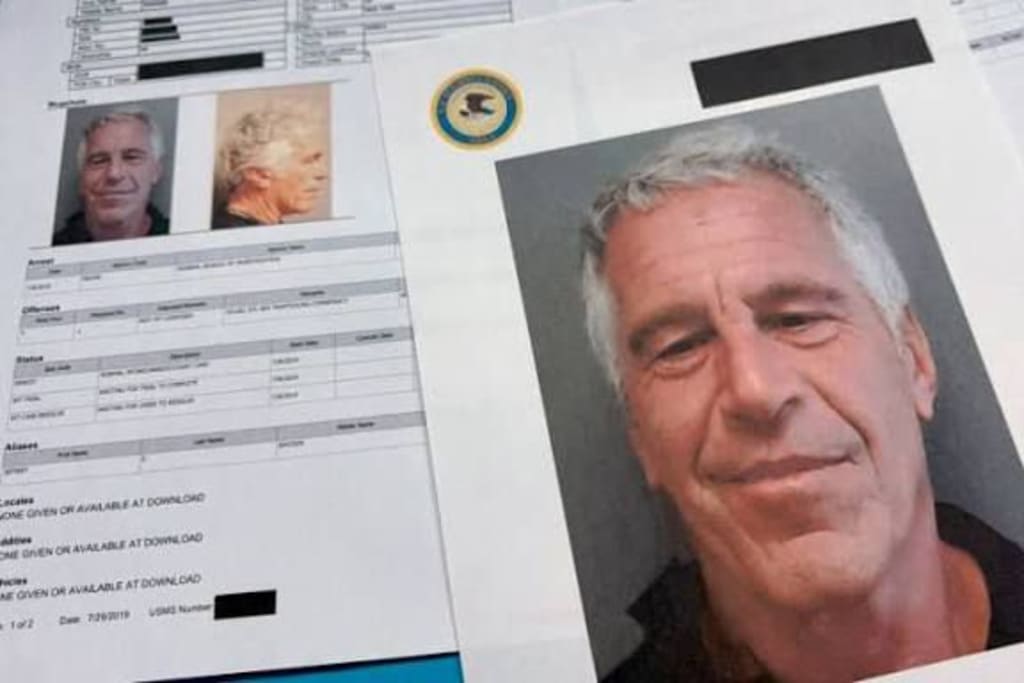
The release of records connected to the Epstein investigation has unfolded over years through a complex blend of court proceedings, civil litigation, investigative journalism, and transparency laws. Rather than a single “file” being published at once, the public record grew piece by piece—each disclosure shaped by legal standards, media scrutiny, and pressure from victims seeking accountability.
The Role of Criminal Investigations
Initial documentation emerged from criminal investigations conducted by the Federal Bureau of Investigation and federal prosecutors. When authorities build a criminal case, they generate extensive records: affidavits, warrants, interview summaries, and evidentiary inventories. Much of this material is normally sealed during active investigations to protect due process. However, when prosecutions move forward—or collapse—courts often reconsider whether records should remain sealed.
After Epstein’s 2019 arrest in New York, federal prosecutors from the U.S. Attorney’s Office for the Southern District of New York filed detailed charging documents describing alleged conduct. These filings became foundational public records because they are typically accessible unless specifically sealed. Even when portions remained redacted, the filings provided a structured account of the allegations and investigative timeline.
Civil Litigation and Document Disclosure
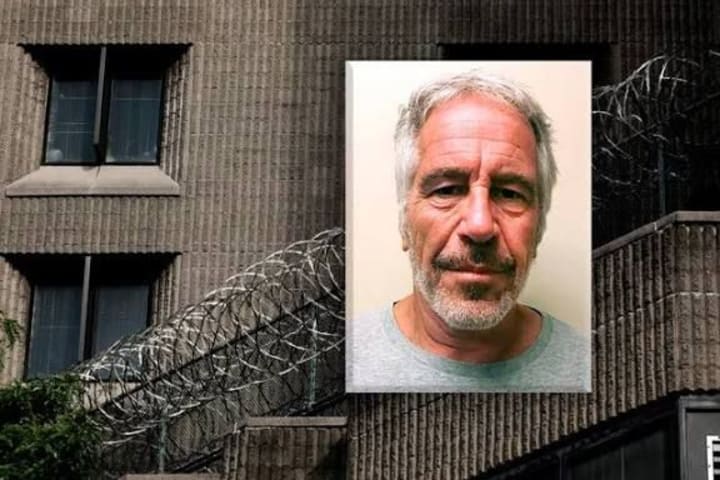
A major driver of public access came from civil lawsuits filed by victims. Civil courts operate under different disclosure rules than criminal courts, often requiring the exchange—and sometimes publication—of depositions, correspondence, and financial records.
One pivotal civil case was brought by victims against Epstein’s longtime associate Ghislaine Maxwell. During pretrial discovery, thousands of pages of testimony and exhibits were generated. Media organizations and advocacy groups later petitioned courts to unseal portions of these materials, arguing strong public interest in understanding the network of individuals connected to the case.
Judges weighed competing interests: privacy rights of individuals named in documents versus transparency in matters of significant public concern. Over time, multiple rulings authorized the release of redacted versions of depositions and exhibits. These judicial decisions formed one of the most significant pipelines through which Epstein-related records entered the public domain.
Freedom of Information Requests
Another pathway involved formal transparency laws. Journalists and watchdog groups submitted requests under federal and state public-records statutes to obtain investigative files and correspondence from law enforcement agencies. While many requests were denied or heavily redacted, some produced new information, especially when agencies concluded that disclosure would not compromise ongoing proceedings.
The process was gradual and often contested. Agencies invoked exemptions for privacy, national security, and law enforcement sensitivity. Applicants appealed denials in court, producing further legal rulings that sometimes compelled partial disclosure.
The Influence of Investigative Journalism
Investigative reporting played a decisive role in transforming scattered records into a coherent public narrative. Journalists analyzed court filings, interviewed witnesses, and cross-referenced evidence from multiple jurisdictions including Palm Beach and the U.S. Virgin Islands. Their work not only publicized documents but also prompted additional legal action by victims and prosecutors.
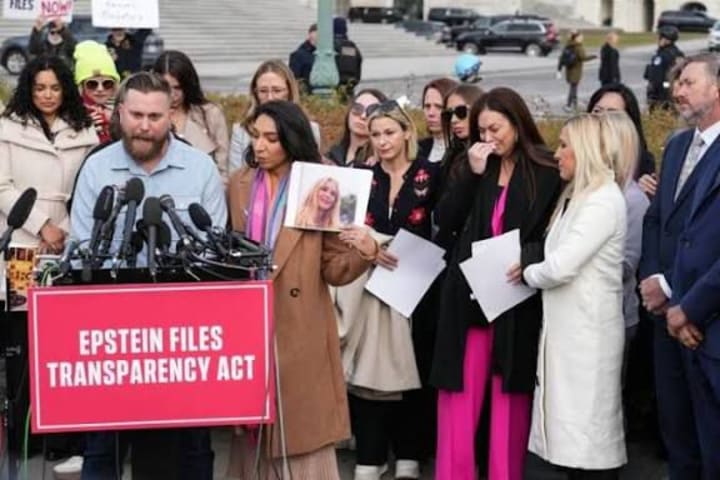
News organizations frequently intervened in court to request unsealing of records. Courts often recognize media standing in such cases, acknowledging the press’s role in ensuring transparency in matters involving public interest and institutional accountability.
Court Decisions on Unsealing
Judicial discretion ultimately determined what could be released. Courts assess several factors when deciding whether to unseal documents:
• The presumption of public access to judicial records
• Privacy and reputational interests of individuals named
• Potential prejudice to ongoing investigations
• The broader public interest
In multiple rulings across federal courts, judges concluded that significant portions of Epstein-related records met the threshold for public disclosure. However, releases were typically partial and redacted to protect victims’ identities and to limit harm to individuals not formally charged.
Why the Files Appeared Gradually
Public perception sometimes suggests a single moment of disclosure, but in reality the Epstein records surfaced through a cumulative process spanning years. Each legal proceeding generated new documents, and each request for transparency triggered additional review. As a result, the “Epstein files” are better understood as an evolving archive rather than a unified publication.
This incremental release reflects fundamental tensions in democratic legal systems: balancing transparency with fairness, protecting victims while preserving public oversight, and maintaining investigative integrity while acknowledging widespread interest.

Sub-Article: Transparency, Accountability, and the Future of High-Profile Case Disclosures
The publication of records connected to the Epstein case has reshaped expectations about transparency in high-profile investigations. The legal principles governing disclosure were not created for a single case; they represent broader mechanisms through which societies scrutinize powerful individuals and institutions.
Institutional Lessons
First, the process demonstrated how civil litigation can drive disclosure even when criminal proceedings are limited or delayed. Victims’ lawsuits compelled document production that might otherwise have remained confidential. Second, it illustrated the growing influence of media intervention in court proceedings. Judges increasingly recognize that public trust depends on visible accountability.
Third, the case highlighted limitations within transparency frameworks. Redactions and sealed records remain common, especially when sensitive personal data is involved. Critics argue that inconsistent disclosure standards across jurisdictions create confusion and uneven access to information.
Public Impact
The gradual publication of records significantly shaped public discourse about elite networks, institutional responsibility, and the handling of sexual exploitation cases. It intensified calls for stronger protections for victims and clearer rules governing prosecutorial agreements and investigative oversight.

Future Implications
Legal experts anticipate that future high-profile investigations will face stronger demands for openness earlier in proceedings. Courts may develop more standardized criteria for unsealing records, particularly when allegations involve systemic wrongdoing or significant public interest.
At the same time, policymakers must navigate a careful balance. Excessive disclosure risks undermining fair trials and personal privacy, while insufficient transparency erodes public trust. The Epstein record releases illustrate how modern legal systems increasingly operate under public scrutiny shaped by digital access, media persistence, and civic engagement.
About the Creator
shaoor afridi
“I am a passionate writer dedicated to sharing informative, engaging, and well-researched articles. My goal is to provide valuable content that educates, inspires, and adds real value to readers.”
Keep reading
More stories from shaoor afridi and writers in The Swamp and other communities.
Is Jeffrey Epstein Alive?
The question “Is Jeffrey Epstein alive?” continues to circulate across social media platforms, online forums, and public discussions years after his reported death in 2019. Jeffrey Epstein, the American financier who was charged with sex trafficking of minors, became the center of one of the most controversial criminal cases in modern U.S. history. His connections to powerful political leaders, business figures, and celebrities fueled widespread speculation. When he died in federal custody on August 10, 2019, the official ruling was suicide. However, doubts and conspiracy theories quickly followed, leading some to ask whether Epstein might still be alive.
By shaoor afridi7 days ago in The Swamp
Why Black History Matters in America?
The United States of America is celebrating their 250th anniversary in 2026. I'm proud to be an American and as someone who was born here, I wouldn't imagine myself living anywhere else. This is a country where opportunities are possible. Where anyone can be successful in anything they desire to do. Equality, community, and togetherness are the backbones of what America is and should be about. However, we have an administration who wants to erase and disregard those who have made positive, meaningful impacts in our country, specifically Black figures, such as Martin Luther King, Jr., Rosa Parks, and Maya Angelou. President Trump and his administration have been constantly complaining and fighting against what they call the "Woke agenda". They use this excuse as a distraction from other issues they refuse to address, such as the high cost of living, climate change, and inflation. That equality is dividing America, when in reality, it's bringing us together. Being woke is not tied to a specific political party. No matter where you stand on the political spectrum, you can still care about other people and their plights. Compassion and empathy for others isn't tied to a political party, either. We were taught as children to treat others the way we want to be treated and not judge others because they're different from us. Caring about others isn't a personal attack on your beliefs. It doesn't make you any less of a person. People who are easily offended over African American figures, past or present, or anything related to it, are grasping at straws. Current and future generations need to know who people like Harriet Tubman and Shirley Chisholm were, especially in the classroom. Black History is part of American History. It should be recognized, not hidden or forgotten. Besides, you can't shield children from everything, just because your feelings are easily hurt.
By Mark Wesley Pritchard 17 days ago in The Swamp




Comments
There are no comments for this story
Be the first to respond and start the conversation.