politics
Politics does not dictate our collective cultural mindset as much as it simply reflects it; We've got to look in the mirror sometimes, and we've got one.
Squid Game Executions.
Why is Squid Game called Squid Game? When no apparent squid, real or otherwise, is featured. What I have seen of the game is just a load of hapless South Koreans being shot at by a giant doll. Those who can get through win a huge sum of money. Of course, it is just a concept, a drama, where poor people are encouraged to take part to win this money. Though fictional, the concept of people taking part in a game where most of them will die to win a large amount of money for entertainment is morally questionable to me. However, like Traitors in the UK, also with a morally questionable agenda, the show is watched by millions around the world.
By Nicholas Bishop2 days ago in The Swamp
Saudi’s Neom Replaced by Almaty as Asian Winter Games Host. AI-Generated.
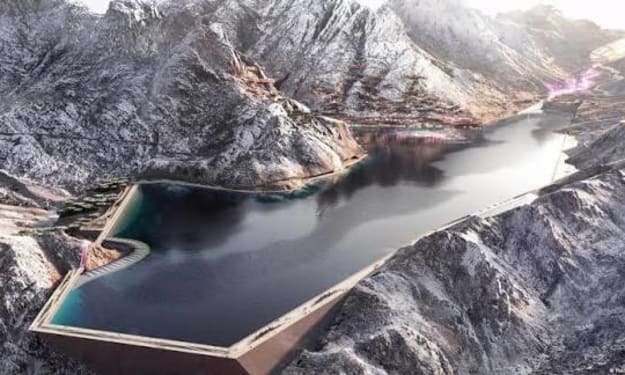
The Olympic Council of Asia (OCA) has officially announced that Almaty, Kazakhstan, will host the upcoming Asian Winter Games, replacing Saudi Arabia’s futuristic mega-city project Neom. The decision follows months of growing concerns over logistical readiness, infrastructure delays, and the unprecedented challenge of staging a major winter sports event in a desert region. Saudi Arabia had initially won the bid to host the Games as part of its ambitious Vision 2030 strategy, which seeks to transform the kingdom into a global hub for sports, tourism, and entertainment. The selection of Neom — a planned $500-billion high-tech city on the Red Sea — was intended to showcase Saudi Arabia’s technological innovation, including indoor ski slopes and artificial snow facilities. However, the project’s timelines and technical feasibility have increasingly come under scrutiny. Concerns Over Readiness and Climate Sources close to the OCA said the decision was driven by “practical and sporting considerations.” Hosting winter events such as alpine skiing, biathlon, and snowboarding in a region with no natural snowfall would have required massive energy consumption and artificial snow production, raising both environmental and operational questions. Despite Saudi assurances that Neom’s Trojena mountain resort would be ready in time, inspectors reportedly found that several core venues were still under construction and far from competition-ready. Transportation networks, athlete villages, and safety infrastructure also remained incomplete. In contrast, Almaty offered a proven winter sports environment. The Kazakh city sits near the Tian Shan mountains and already boasts world-class facilities, including the Medeu speed skating rink and Shymbulak ski resort. These venues previously hosted international competitions and require minimal new construction. An OCA official said the choice of Almaty ensures “certainty, sustainability, and athlete safety,” adding that the organization could not risk delays that might compromise the Games’ credibility. Saudi Arabia’s Strategic Setback For Saudi Arabia, the loss of hosting rights represents a notable setback in its sports diplomacy campaign. Over the past decade, the kingdom has invested heavily in international sporting events, including Formula One races, boxing championships, and football tournaments. The Asian Winter Games were meant to symbolize Saudi Arabia’s leap into non-traditional sports and its technological capacity to overcome environmental limits. In a brief statement, Saudi officials said they respected the OCA’s decision and would continue developing Neom and its tourism infrastructure. They emphasized that Trojena remains a key part of the country’s long-term vision and that winter tourism projects would proceed regardless of the Games. However, analysts say the reversal exposes the tension between ambition and feasibility. “Neom represents Saudi Arabia’s desire to redefine what is possible, but mega-events require reliability,” said one regional sports policy expert. “The OCA opted for a safer option.” Almaty’s Opportunity Kazakhstan welcomed the announcement as a chance to reaffirm its status as Central Asia’s leading winter sports destination. Government officials said hosting the Games would boost tourism, generate jobs, and enhance the country’s international profile. Almaty previously bid for the 2022 Winter Olympics and narrowly lost to Beijing. Local authorities view the Asian Winter Games as both a consolation prize and a stepping stone toward future Olympic ambitions. Preparations are expected to focus on upgrading existing venues rather than constructing new ones, aligning with sustainability goals promoted by international sporting bodies. Kazakh President Kassym-Jomart Tokayev praised the decision, saying it reflected “confidence in Kazakhstan’s sporting infrastructure and organizational experience.” Environmental and Ethical Debate The change in host city also reflects a broader shift in how international sporting organizations view climate and sustainability. Critics of the Neom bid argued that building winter sports facilities in a desert region contradicted environmental responsibility, especially amid global climate concerns. Human rights groups had also raised questions about labor conditions and transparency linked to large construction projects in Neom. While the OCA did not publicly cite these issues as decisive factors, observers note that they likely contributed to the organization’s cautious stance. By contrast, Almaty’s natural climate and existing venues reduce the need for large-scale construction and carbon-intensive snowmaking, making it a more environmentally defensible choice. Looking Ahead The Asian Winter Games will now move forward under Almaty’s stewardship, with organizers promising a traditional winter sports atmosphere and strong regional participation. Athletes and national federations have largely welcomed the decision, expressing relief that competitions will take place in a location designed for snow and ice events. For Saudi Arabia, the episode underscores the challenges of transforming bold visions into operational realities. While Neom remains a symbol of future ambition, the reassignment of the Games highlights the limits of innovation when confronted with climate, timelines, and international sporting standards. As preparations begin in Kazakhstan, the shift from desert megacity to mountain metropolis marks a return to conventional winter sports logic — and a reminder that even the most ambitious projects must meet practical demands when hosting the world’s athletes.
By Fiaz Ahmed 2 days ago in The Swamp
Ramadan Work Hours in UAE: Private Sector Rules, Exemptions and Overtime Explained. AI-Generated.
As the holy month of Ramadan begins, working hours across the United Arab Emirates are adjusted in line with federal labor regulations designed to support fasting employees while maintaining productivity in both public and private sectors. For private sector companies in particular, the rules surrounding reduced working hours, exemptions, and overtime often raise questions for employers and employees alike. Under UAE labor law, private sector employees are entitled to a reduction in daily working hours during Ramadan, regardless of whether they are fasting. This provision reflects the government’s commitment to ensuring worker welfare while respecting the religious significance of the month. Reduced Working Hours According to the UAE Ministry of Human Resources and Emiratisation (MOHRE), the standard working day for private sector employees is reduced by two hours per day during Ramadan. This applies to all workers, including Muslim and non-Muslim employees, and is not limited only to those who are fasting. For example, if an employee normally works eight hours per day, their Ramadan schedule becomes six hours per day. Employers are free to decide how these reduced hours are structured, whether through earlier closing times, split shifts, or flexible scheduling, as long as the total daily working time does not exceed the adjusted limit. The regulation aims to strike a balance between religious observance and business continuity, particularly in sectors such as retail, logistics, and hospitality that experience fluctuating demand during the holy month. Exemptions and Special Sectors While the two-hour reduction is mandatory, certain categories of workers may be exempt due to the nature of their roles. These typically include: Security personnel Healthcare workers Public utility staff Hospitality and tourism employees Transport and logistics workers In these sectors, companies may continue to operate full shifts if required for operational reasons. However, employees working beyond the reduced Ramadan hours are entitled to overtime compensation in accordance with labor law. MOHRE has emphasized that any exemptions must still respect employee rights, including rest periods and overtime pay. Employers cannot use Ramadan exemptions as a reason to impose excessive working hours without compensation. Overtime Rules During Ramadan Overtime regulations remain in effect during Ramadan, just as they do throughout the rest of the year. If an employee works more than the reduced daily hours, that additional time qualifies as overtime and must be compensated accordingly. Under UAE labor law: Overtime pay must be at least 25% higher than the normal hourly wage. If overtime occurs between 10 p.m. and 4 a.m., compensation must be increased by at least 50%, unless the employee works in shift-based roles such as hospitality or security. Employees cannot be required to work more than two extra hours per day, except in cases where preventing significant business loss is necessary. This ensures that workers who continue to operate critical services during Ramadan are fairly rewarded for the additional burden. Remote Work and Flexible Arrangements In recent years, many private companies have adopted flexible working arrangements during Ramadan, including remote work, hybrid schedules, and staggered shifts. While not legally required, these practices have become increasingly common and are encouraged by government authorities as a way to support work-life balance. Some employers allow staff to start earlier in the morning and leave before afternoon heat and traffic peak times, while others introduce split shifts that accommodate prayer times and Iftar preparation. Human resource specialists note that productivity often remains stable during Ramadan when flexible policies are applied thoughtfully. Reduced working hours combined with clear performance expectations can lead to higher morale and stronger employee loyalty. Penalties for Non-Compliance MOHRE has warned that companies failing to implement the reduced working hours or denying overtime compensation may face administrative penalties and inspections. Employees who believe their rights have been violated can file a complaint through MOHRE’s hotline or digital platforms. Authorities regularly conduct inspections during Ramadan to ensure that businesses adhere to labor regulations and that employee welfare is protected. Private Sector vs Public Sector It is important to distinguish between private and public sector rules. While both sectors benefit from reduced hours, government entities typically announce separate official working schedules that may include shorter daily hours or extended weekend breaks. Private sector companies must follow MOHRE guidelines rather than public sector announcements, which often leads to confusion among employees working for multinational firms. Cultural and Business Impact Ramadan brings significant changes to workplace culture across the UAE. Meetings are often scheduled earlier in the day, business lunches are replaced with evening gatherings, and productivity rhythms adjust to accommodate fasting and prayer. For many companies, Ramadan is also a period of increased corporate social responsibility, with initiatives such as charity drives, community iftars, and employee support programs becoming more visible. Looking Ahead As the UAE continues to modernize its labor framework, Ramadan working hour regulations remain a cornerstone of employee protection and religious accommodation. The two-hour reduction, combined with overtime safeguards and flexible work policies, reflects a legal system that balances economic activity with cultural respect. For employees, understanding these rules helps ensure fair treatment during the holy month. For employers, compliance is not only a legal requirement but also an opportunity to foster goodwill and maintain a motivated workforce. With proper planning and adherence to regulations, Ramadan in the UAE can remain a period of both productivity and reflection — a unique blend of professional responsibility and spiritual observance.
By Fiaz Ahmed 2 days ago in The Swamp
Can the U.S. Help Iran? What Iranians Say — Inside and Outside the Country. AI-Generated.
As tensions between the United States and Iran remain high in early 2026, a central question looms over both domestic and international discourse: can the U.S. help Iran — and if so, how? Iranians inside the country, protesters demanding change, and members of the diaspora offer a complex mix of hope, skepticism, and caution about Washington’s ability to influence their future. The backdrop to these views includes renewed diplomatic engagement between the U.S. and Iran over nuclear issues, ongoing violent protests within Iran, and repeated statements from U.S. leaders about “help” that have often gone unfulfilled. Recent indirect talks between the U.S. and Iran in Oman were described as a “good start” by Iranian Foreign Minister Abbas Araghchi, but both sides remain far apart on core issues such as Iran’s nuclear program and missile development. theguardian.com Inside Iran: Cautious Hope and Deep Skepticism Inside Iran, attitudes toward potential U.S. influence are mixed and deeply shaped by lived experience. Many Iranians have watched their economy deteriorate under decades of international sanctions — sanctions largely driven by Washington — which have contributed to inflation, shortages, and hardship among ordinary families. This historical context shapes how many Iranians view the idea of “help” from the U.S. even as they endure brutal crackdowns on protests. � nz.news.yahoo.com Some young protesters have expressed hope that international intervention — including from the U.S. — might change the status quo. In rare communications during even limited internet access, a protester in Tehran told foreign media that Iranians were “waiting for America to intervene,” reflecting desperation amid violence and “brutal repression.” abc.net.au However, other voices express profound wariness. Many remember that foreign intervention historically often brought more suffering than relief. Analysts have warned that military action — even if intended to protect civilians — could escalate conflict, leading to regional violence that would worsen life inside Iran rather than alleviate iran International There is also a healthy strain of realism among Iranians who argue that real change must come from within. They believe that internal unity and sustained public mobilisation, not external force, hold the key to democracy and reform. One Iranian living in the U.S. said that regime change should “come from within,” emphasizing that foreign power can’t substitute for indigenous political momentum. nz.news.yahoo.com Diaspora Views: Hope, Frustration, and Debate Iranian expatriates — particularly in Western countries — also express a range of opinions. Some feel abandoned by promises of U.S. assistance, recalling past statements by U.S. leaders encouraging protests without substantive follow-through. This perceived gap has bred frustration, especially among communities whose relatives face danger back home. TIME Others in the diaspora actively call for more robust American support. Some have even publicly spray-painted graffiti in Iranian cities urging President Trump to help overthrow the clerical regime. A woman in central Iran described Washington as “our only hope” to oust the current government. abc.net.au Yet there are also diaspora voices warning against overestimating Washington’s willingness or capacity to intervene. Some point to historical foreign involvement in Iran — such as the CIA-backed overthrow of Prime Minister Mohammad Mossadegh in 1953 — to argue that U.S. interests have not always aligned with Iranian welfare. These critics stress that relying on American intervention could backfire or undermine Iranian sovereignty. Reddit U.S. Policy: Mixed Signals and Strategic Limits From a policy standpoint, U.S. actions toward Iran are often contradictory. On one hand, American officials have reaffirmed support for the Iranian people and included “all options” on the table, including diplomatic and military avenues. On the other, Washington has implemented aggressive sanctions and avoided deep engagement on humanitarian concerns, leaving many Iranians questioning the sincerity and effectiveness of U.S. aid. nypost.com Efforts to resume nuclear talks, while welcomed by some Iranian officials, have so far produced limited results and avoided broader issues such as human rights or missile programs. Tehran’s insistence on sovereign decision-making and refusal to negotiate under threat further complicates matters. theguardian.com Experts suggest that the most viable forms of U.S. help would likely be non-military and human-centred — such as support for independent media, internet freedom, and civil society programs that empower citizens without direct intervention in Iran’s internal politics. Policy proposals from think tanks have emphasized these softer tools as a way to balance pressure on the regime with support for Iranian agency. americafirstpolicy.com The Iranian Perspective: Not One Monolith Ultimately, there is no single Iranian position on whether the U.S. can help. Iranians inside Iran tend to be more cautious, wary of foreign intervention’s costs even as they endure severe repression. Iranians abroad often mix hope with frustration, demanding more action while remembering past geopolitical grievances. Together, these perspectives illustrate a broader truth: help from the U.S. — if possible at all — must be carefully calibrated, respectful of Iranian agency, and grounded in long-term humanitarian and democratic goals rather than short-term strategic gains. Whether American support ultimately empowers Iranian citizens or deepens geopolitical tensions will depend on a delicate balance of diplomatic skill, genuine engagement, and respect for the voices of Iranians themselves.Start writing...
By Fiaz Ahmed 2 days ago in The Swamp
Judge Orders Trump Administration to Restore Funding for NY–NJ Rail Tunnel. AI-Generated.
A federal judge has ordered the Trump administration to restore funding for a long-delayed rail tunnel project connecting New York and New Jersey, marking a significant legal and political development in the ongoing battle over America’s infrastructure priorities. The ruling is being viewed as a major victory for state leaders, transportation advocates, and millions of commuters who rely on the aging rail corridor beneath the Hudson River.
By Ayesha Lashari2 days ago in The Swamp
BBC Persian Journalists Say Iran Is Monitoring Them and Targeting Their Families. AI-Generated.
Exiled journalists working for BBC Persian have come forward with troubling claims that the Iranian government is actively monitoring their activities abroad and targeting their family members back in Iran in retaliation for their reporting. The allegations highlight a pattern of what rights groups describe as transnational repression, aimed at intimidating journalists and discouraging independent coverage of domestic unrest and political developments. The Guardian +1 The journalists, who operate out of the UK but report on events inside Iran, say that Iranian authorities have repeatedly threatened their relatives with interrogations, detention, and economic punishment unless they cease their work. The accusations, detailed in recent testimony to The Guardian, describe a systematic campaign to leverage family ties, forcing reporters to grapple not only with professional risks but also deep personal anguish. The Guardian Surveillance Beyond the Border Staff members report that Iranian security forces appear to possess detailed information about their movements, work routines, and even specific desk locations inside their London newsroom. One BBC journalist, speaking anonymously for fear of putting relatives at further risk, said his father in Iran had been summoned for questioning and shown precise details about the journalist’s work and life abroad. The Guardian “They knew everything about me somehow,” the journalist recalled, referring to warnings relayed through his detained father. “They said they know where I live. They even gave my father the address, the telephone number, where I’m sitting exactly in the newsroom.” The Guardian Other staff described similar episodes in which Tehran security services threatened severe consequences — ranging from asset seizures to potential detention — against family members if the journalists did not stop their reporting. The tactics reportedly escalate particularly around sensitive periods of unrest or after critical broadcasts. The Guardian Targeting Family Members in Iran According to the journalists, family members have faced interrogations, business license revocations, travel restrictions, and asset freezes. In one case, a correspondent’s mother was detained during a period of internet blackout that followed widespread protests, leaving the journalist unable to contact her for weeks. The Guardian Other witnesses reported that colleagues had left their roles due to the financial pressures placed on families, often struggling to support relatives under duress. Some say that family members’ jobs were threatened or revoked by authorities as a means of exerting economic pressure. The Guardian Rights groups say these actions are not isolated incidents but rather part of a broader effort by the Iranian state to silence external voices it perceives as hostile. Reporters Without Borders (RSF) has condemned what it calls a “relentless campaign” of threats and intimidation against Iranian journalists working from abroad and their relatives inside Iran. RSF has also called on authorities in Tehran to halt the attacks and for the UK government to work with allies to protect journalists and their families. rsf.org A Pattern of Transnational Pressure The BBC’s own leadership has repeatedly raised concerns about the escalating intimidation. A complaint submitted to the United Nations detailed how Iranian authorities have characterized independent reporting as “media terrorism” and used national security laws to justify targeting journalists and their families. The broadcasters claim that critics have attempted to categorize independent coverage as a threat to Iran’s stability — a narrative used to justify repression. The National Union of Journalists (NUJ) has also urged the UN to condemn these actions, calling them a blatant abuse of legal systems to suppress free press and free expression. NUJ officials highlighted decades of harassment, from deportation threats to passport confiscations for relatives linked to BBC Persian staff. Psychological and Practical Toll Journalists at BBC Persian have described the emotional cost of this pressure as severe. Beyond threats of legal action against family members, the uncertainty about loved ones’ safety has taken a psychological toll. Some have recounted missing family funerals or unable to care for sick relatives due to fear of further retaliation. The Guardian One journalist explained the burden of carrying “shame” for living freely abroad while loved ones endured hardship at home. “You feel guilty because it’s my choice to be a journalist and be out of Iran — the pressure is on them,” the journalist said. The Guardian International and UK Response The situation has drawn condemnation in the UK and beyond. Human rights advocates argue that targeting reporters’ families represents a serious violation of international norms regarding press freedom. The UK government has been urged to offer enhanced protection for journalists and to raise the issue in diplomatic dialogues with Iranian representatives. Despite repeated calls for Iran to cease these actions, Tehran has not publicly acknowledged responsibility for the allegations, and the pressure on journalists continues at a time of heightened domestic unrest and restricted communications inside Iran. Broader Context The intensified targeting of BBC Persian journalists and their relatives reflects a broader climate of repression toward independent media and dissent within and outside Iran. As global concerns around press freedom grow, cases like these are viewed by rights organizations as critical tests of international mechanisms to protect journalists and uphold human rights in the face of state-sponsored intimidation.
By Fiaz Ahmed 2 days ago in The Swamp
Trump Threatens Tariffs for Countries Trading With Iran. AI-Generated.
The Biden administration may be long gone, but international tensions over Iran continue to shape U.S. foreign policy in early 2026 — now under former President Donald Trump’s White House. In a controversial move that could significantly impact global trade, Trump has signed an executive order establishing a framework to impose tariffs on foreign countries that maintain commercial relationships with Iran, escalating economic pressure in a broader strategy to influence Tehran’s behaviour. Business Recorder The executive order, issued on February 6, authorizes U.S. officials to levy additional tariffs — potentially at levels of up to 25% — on imports from countries that “directly or indirectly purchase, import, or otherwise acquire any goods or services from Iran.” It represents one of the most expansive attempts yet by Washington to extend economic coercion beyond traditional sanctions. � Business Recorder A New Economic Lever Against Tehran Trump’s threat to impose tariffs follows his earlier public declaration that “any country doing business with the Islamic Republic of Iran will pay a tariff of 25% on any and all business being done with the United States of America,” a statement he posted on social media in January. While that announcement lacked official legal underpinning at the time, the new executive order establishes a formal process for identifying affected countries and determining how tariffs will be applied. CitiNewsroom.com The order instructs the U.S. Secretary of State, in coordination with the Secretaries of Commerce and Homeland Security, to determine whether a foreign government’s commercial engagement with Iran qualifies it for additional duties. The tariffs would be layered on top of regular U.S. import taxes and could affect a broad range of products. � mint Who Could Be Affected? The potential reach of the tariffs is significant. Iran’s trading partners include major economies such as China, which accounted for a large share of Iranian trade, as well as other nations including India, Turkey, the United Arab Emirates, and Russia. If enforced, tariffs on imports from these countries could disrupt already complex global supply chains and raise costs for U.S. importers and consumers. � The Guardian +1 China, Iran’s biggest trading partner, would face particular scrutiny. Beijing handles billions of dollars in Iranian oil and other commerce each year. A 25% tariff on Chinese imports tied to Tehran trade could push effective tariff rates far higher, undermining recent détente efforts and trade negotiations between Washington and Beijing. The Guardian Countries like India and the UAE, which maintain active trade with Iran, have publicly sought clarification from the U.S. government on how the tariff policy would be implemented, emphasizing the need for predictability in international commerce. Reuters Trump’s Strategic Calculus The timing of the tariff threat reflects a complex geopolitical backdrop. Washington has ramped up pressure on Tehran amid ongoing nuclear concerns, regional conflicts, and domestic unrest in Iran. At the same time, U.S. and Iranian officials have engaged in indirect nuclear talks in Oman — the first substantive discussions since significant escalations last year. The tariff order, issued around the same time as those talks, underscores the administration’s dual approach of combining pressure with dialogue. CitiNewsroom.com Administration officials describe the tariffs as another tool to coerce Iran’s trading partners into reducing economic ties with Tehran, thereby depriving the Iranian government of foreign revenue. They argue that existing sanctions have been insufficient to change Iran’s conduct on nuclear development and support for regional militias. CitiNewsroom.com Global Reactions and Risks Reactions to the policy have been swift. China has already voiced strong opposition, with its foreign ministry warning that “tariff wars and trade wars have no winners” and stressing that unilateral measures undermine the rules-based global trading system. Other nations potentially targeted have expressed similar concerns over the legality, fairness, and economic impact of such measures. The Guardian Experts have warned that expanding tariffs in this way could destabilize global markets and provoke retaliation. Countries slapped with duties may respond with counter-tariffs against U.S. exports, sparking broader trade conflicts at a time when the world economy is grappling with inflationary pressures and supply chain disruptions. The legal basis for imposing such penalties under international trade rules remains uncertain. Under World Trade Organization agreements, discriminatory tariffs targeting specific countries’ external relations could be challenged by affected states as violating global trade norms. Domestic and Economic Consequences Domestically, the tariff policy could have mixed impacts. U.S. importers reliant on goods from affected countries may see costs rise, potentially passing higher prices onto consumers. Some sectors that depend on foreign components could face competitive disadvantages, complicating economic forecasting and planning. Critics also argue that the White House’s aggressive trade posture risks alienating allies and undermining long-term diplomatic cooperation on issues such as security, climate change, and technology governance. Looking Ahead As the tariff framework moves toward implementation, Washington faces a delicate balance between exerting pressure on Iran and managing fallout from affected trade partners. How and when tariffs will be applied remains unclear, with officials suggesting that decisions will be evaluated on a case-by-case basis. Whether this strategy will succeed in isolating Iran further — or instead inflame trade tensions among major economies — will become clearer in the coming months as the policy is tested on the global stage.
By Fiaz Ahmed 2 days ago in The Swamp
I Didn’t Make a Mistake’: Trump Refuses to Apologize for Racist Video of the Obamas. AI-Generated.
Introduction: A Post That Sparked National Outrage In a political climate already charged with polarization and distrust, former U.S. President Donald Trump once again found himself at the center of controversy after sharing a video widely condemned as racist. The video, posted on Trump’s Truth Social platform, included imagery depicting former President Barack Obama and former First Lady Michelle Obama as apes — a representation rooted in one of the most offensive racial stereotypes in history.
By Ayesha Lashari2 days ago in The Swamp
Russia Turns to India and Sri Lanka for a Way Out of Its Labor Crisis. AI-Generated.
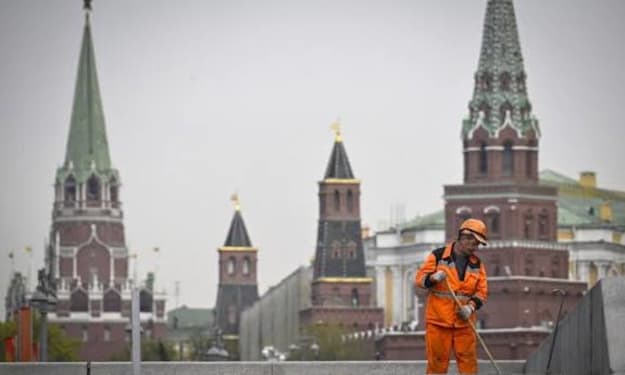
Russia is increasingly turning to South Asian countries, particularly India and Sri Lanka, to address a growing labor shortage that has begun to strain key sectors of its economy. Facing demographic decline, workforce losses linked to the war in Ukraine, and tighter migration rules for Central Asian workers, Moscow is seeking new sources of manpower to sustain construction, manufacturing, and service industries. Officials in Russia have acknowledged that the country’s labor market is under severe pressure. With unemployment at historic lows and millions of workers absorbed into military service or defense-related industries, employers are struggling to fill vacancies. The government now views foreign labor recruitment as a strategic necessity rather than a temporary solution. A Shift in Migration Strategy For decades, Russia relied heavily on migrant workers from former Soviet republics such as Uzbekistan, Tajikistan, and Kyrgyzstan. These workers filled low-paying jobs in construction, transport, retail, and municipal services. However, stricter migration controls, rising social tensions, and security concerns have reduced the flow of labor from Central Asia. In response, Russian companies and state agencies have begun exploring recruitment agreements with India and Sri Lanka, countries with large working-age populations and established overseas labor networks. Recent delegations and bilateral talks have focused on simplifying visa processes, setting up training centers, and ensuring language and skills preparation for potential workers. An official from Russia’s Ministry of Labor said the goal is to create “orderly and regulated migration channels” that can meet economic needs while maintaining domestic stability. Why India and Sri Lanka? India offers a vast labor pool with experience in construction, engineering, healthcare, and information technology. Sri Lanka, meanwhile, has a long history of sending workers abroad, particularly to the Middle East, and has built systems to manage overseas employment. Both countries are also seeking foreign job opportunities for their citizens as part of their economic strategies. Remittances from overseas workers are a crucial source of income for Sri Lanka, while India continues to promote international labor mobility through bilateral agreements. Experts say Russia’s outreach reflects a broader realignment of labor markets driven by geopolitics. “Russia is diversifying its migrant workforce in the same way it has diversified its trade partners since Western sanctions intensified,” said a regional migration analyst. “South Asia is emerging as a key alternative.” Economic Pressures at Home Russia’s labor shortage is most visible in construction and manufacturing, where delays and rising wages have increased project costs. Major infrastructure developments and housing projects have slowed due to a lack of skilled and unskilled workers. The service sector has also been affected, with restaurants, delivery companies, and municipal services reporting staff shortages. Employers have raised wages to attract domestic workers, but this has added to inflationary pressures. Demographic trends further complicate the situation. Russia’s working-age population has been shrinking for years due to low birth rates and an aging society. The war in Ukraine has accelerated these trends by removing large numbers of men from the civilian workforce. Challenges and Risks While recruiting workers from India and Sri Lanka may ease immediate labor shortages, it also presents challenges. Language barriers, cultural differences, and legal protections for foreign workers must be addressed to prevent exploitation and workplace disputes. Human rights groups have warned that migrant workers in Russia already face discrimination and limited access to legal support. Expanding recruitment without strong safeguards could increase vulnerability to abuse. There are also political sensitivities. Some Russian politicians have expressed concern that large-scale migration could fuel social tensions. Balancing economic needs with domestic opinion will be a key test for the Kremlin. Looking Ahead Russia’s turn toward South Asia highlights the depth of its labor crisis and the country’s changing international relationships. If agreements with India and Sri Lanka move forward, they could reshape migration patterns that have long defined Russia’s workforce. For Moscow, the priority is clear: keep its economy functioning despite demographic decline and geopolitical isolation. For India and Sri Lanka, the opportunity lies in providing jobs abroad while strengthening diplomatic ties with a major power. Whether this strategy succeeds will depend on how well Russia manages integration, worker protections, and long-term demographic planning. What is certain is that labor migration has become another front in Russia’s effort to adapt to a rapidly changing global and domestic landscape.
By Fiaz Ahmed 2 days ago in The Swamp