politics
Politics does not dictate our collective cultural mindset as much as it simply reflects it; We've got to look in the mirror sometimes, and we've got one.
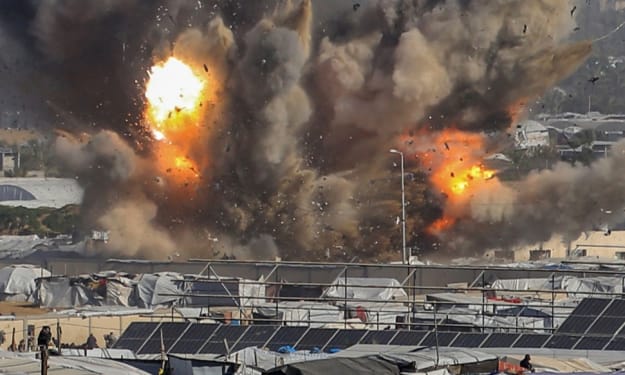
Casualties Include Women and Children as Gaza Hospitals Receive Bodies After Latest Violence. AI-Generated.
Officials at Gaza hospitals have reported receiving bodies from a recent violent incident, with casualties including two women and six children from two different families. The development has once again drawn global attention to the devastating human cost of ongoing violence in the region and the increasing strain on already fragile humanitarian systems.
By Aarif Lashariabout 22 hours ago in The Swamp
Gaza’s Rafah Border Crossing With Egypt Reopens for Limited Traffic. AI-Generated.
The Rafah border crossing — Gaza’s only direct land link to Egypt — has reopened for limited movement of people after being largely closed for nearly two years amid the Israeli-Hamas war. The reopening marks a key, if cautious, milestone in the implementation of a cease-fire agreement designed to ease the humanitarian plight in Gaza and restore some access to the outside world. � AP News +1 What Has Changed at Rafah? On February 2, 2026, Egyptian and Israeli security officials confirmed that the Rafah crossing had resumed limited pedestrian movement in both directions. The crossing, which had been under Israeli control since May 2024, had remained mostly shut after it was seized early in the conflict, severely restricting movement and worsening humanitarian conditions in Gaza. � AP News +1 Under the initial reopening: Only a small number of Palestinians will be allowed to cross each day. Movement is currently limited to foot traffic, with strict security screening by both Israel and Egypt. No cargo or general goods are entering Gaza through Rafah yet. European Union border agents are also present to help monitor the process. � AP News Egyptian media reported that in the first phase about 50 people are expected to exit Gaza daily and a similar number to return. Priority is being given to patients needing medical treatment abroad, many of whom have been waiting for weeks or months for access. � AP News Why This Matters 1. Reopening After Long Closure The crossing’s closure has been one of the most significant barriers isolating Gaza from the outside world. Rafah is the only border crossing between Gaza and Egypt that does not require transit through Israel, making it especially important for humanitarian access and travel. Its reopening — even at limited capacity — is widely viewed as a humanitarian relief step. � Reuters 2. Part of Cease-Fire Implementation The limited reopening is tied to a fragile cease-fire agreement between Israel and Hamas that began in October 2025. The deal was negotiated with international involvement, including the United States and the European Union, and called for steps to ease restrictions on movement and improve living conditions in Gaza. � Reuters 3. Meeting Urgent Medical Needs Health officials in Gaza estimate tens of thousands of sick or wounded people urgently need medical care not available inside the enclave. Allowing patients and their families to leave for treatment abroad is a high humanitarian priority tied to the crossing’s reopening. � wgvunews.org How the Reopening Is Being Managed The process is being phased in carefully: Screening by multiple parties: Israel and Egypt are vetting individuals before they travel. A European border mission adds an external supervisory role. � wgvunews.org Limited capacity: Movement is restricted at first to keep the process orderly and secure and to allow authorities to manage security concerns. � Al Jazeera Focus on people, not goods: At this stage, the crossing isn’t open for commercial goods or aid shipments — just for the movement of people. � Al Jazeera Ongoing trial phase: Initial movement began with a trial phase, and officials are evaluating how to expand operations safely over time. � Anadolu Ajansı Critics and Ongoing Challenges While the reopening is welcomed by many, it has also drawn criticism and caution: Some humanitarian groups argue the limited scope doesn’t do enough to address basic supply needs in Gaza, where shortages of medicine, fuel, and food remain serious. Social media and commentators point to the strict security approvals and small numbers allowed, describing them as insufficient given the scale of need. � الجزيرة نت Critics say the strict conditions, including prior Israeli security clearance and coordination, continue to limit true freedom of movement and access. � الجزيرة نت What Comes Next? Officials say the reopening of Rafah is a first step in a phased plan to eventually restore fuller access for Gaza residents. Future phases could include: Increasing daily crossing numbers Gradual opening for more categories of travellers Possible future movement of goods and aid supplies However, any expansion will depend on continuing security coordination and progress in broader cease-fire and peace plan negotiations. Conclusion: A Step Forward Amid Fragile Peace The partial reopening of Gaza’s Rafah border crossing to Egypt is a significant symbolic and humanitarian step after nearly two years of severe restriction. While still limited in scope, it offers a lifeline for families, especially for urgent medical travel, and reflects ongoing efforts to implement cease-fire arrangements. For Palestinians in Gaza — long cut off from the outside world — even this small window of movement is a meaningful development, underscoring both the urgency of addressing humanitarian needs and the fragility of regional diplomatic efforts.
By Zahid Hussainabout 22 hours ago in The Swamp
Historic Storm Delivers Biggest Snowfall in Decades for North Carolina. AI-Generated.
A rare and powerful winter storm — described by meteorologists as “historic” — has brought the most significant snowfall North Carolina has seen in decades, blanketing all 100 counties and transforming the Tar Heel State’s landscape from coastal plains to mountain peaks. (turn0news0turn0news2)(https://www.carolinajournal.com/north-carolina-begins-cleanup-following-historic-snowfall/) Dubbed a bomb cyclone and fueled by a strong nor’easter, the storm delivered heavy snow, large drifts, and dangerously cold conditions. From Charlotte’s urban streets to the Outer Banks’ coastal dunes, communities were blanketed with snow totals rarely seen in modern memory. (turn0news3) Record or Near-Record Snowfall Across the State The storm’s snowfall — in many places the greatest in decades — shocked residents and meteorologists alike: Eastern North Carolina’s coast recorded up to 15 inches, the highest in nearly 40 years. Some coastal communities saw totals that exceeded those from storms in 1980 and 1989. (turn0search19) Charlotte reported around 11 inches on a single day, tying for one of the city’s fourth-heaviest one-day snowfalls ever recorded in historical meteorological data. (turn0search25) Interior regions and foothills experienced heavy snow as well, with isolated reports of over *20 inches in some rural parts of eastern North Carolina. (turn0news38) The breadth of the snowfall — reaching nearly every corner of the state — was remarkable for a region that typically sees light snow at most a few times a winter. Storm Mechanics and Historical Context This powerful system developed as a bomb cyclone, meaning the storm underwent rapid intensification off the southeastern U.S. coast as cold Arctic air collided with moist air over the Atlantic. This kind of setup is rare in the Southeast and more common farther north, making the storm both unusual and impactful. (turn0news36) Meteorological records show that events this significant haven’t occurred frequently in recent decades. The last time much of eastern North Carolina saw comparable snow accumulation was in the 1980 and 1989 storms, which stood as benchmarks for heavy winter snow in the region for decades. (turn0search19) Widespread Disruptions and Safety Hazards While the snow delighted many residents, the impacts were serious and widespread: Road and Travel Chaos More than 1,100 vehicle crashes were reported across North Carolina due to slick, icy roads, stretching emergency services thin. (turn0news2) Major highways, including Interstate 85, saw multi-car pileups and extended travel delays. Airports including Charlotte’s major hub canceled scores of flights as crews struggled to clear runways and cope with heavy snowfall. Power Outages and Cold Freezing temperatures and weight on lines caused power outages for thousands of homes and businesses. Local officials urged people to stay home, citing dangerous road conditions and the risk of hypothermia. Rare Southern Snow The storm’s influence even spread beyond North Carolina: snow flurries and record cold were reported as far south as Florida, where temperatures plunged far below typical winter lows. In some areas, cold-stunned iguanas fell from trees, highlighting the extremity of the cold. (turn0news36) Community Reactions: Beauty and Strain Social media and local commentary captured a mix of wonder and hardship: Many residents described the snowy landscape as “magical” and shared photos of heavy snow drifts and winter scenes reminiscent of more cold-climate states. (turn0reddit70) At the same time, emergency managers warned that beautiful snow can mask deadly conditions, including black ice, downed trees, and the dangers of extended cold exposure. Local schools and businesses closed for safety, and community members helped shovel driveways and clear sidewalks — a rare sight in a state better known for warm beaches than winter blizzards. State Response and Cleanup Efforts North Carolina officials moved quickly to begin cleanup and restoration: State Highway Patrol and DOT crews worked around the clock to clear roads and treat bridges with salt and sand. Local governments deployed plows to priority routes even in areas that rarely see heavy snow. Emergency workers urged residents to avoid unnecessary travel and to check on neighbors, especially elderly or disabled individuals. The state’s emergency management highlighted that while snowfall may taper off, dangerous icy conditions would persist for several days due to below-freezing temperatures. What This Storm Says About Winter Weather Trends Although climate patterns vary from year to year, this event stands out as exceptional for the Carolinas: The scale of snowfall — from the Outer Banks to the mountains — is highly unusual. Many communities saw snow accumulations not experienced in decades. Meteorologists stress that such storms, while rare, can occur when atmospheric forces align just right, particularly with strong cold air masses and abundant moisture. Some long-time residents noted that while snow was more common in past decades, heavy events of this magnitude haven’t been typical in recent years — making this storm both a meteorological landmark and a reminder of nature’s unpredictability. (turn0reddit64) Looking Ahead: Cold Weather Continues National weather authorities warn that the freezing temperatures will persist, keeping roads icy and slowing recovery efforts. Residents were advised to prepare for continued hazardous conditions, even as snowplows and crews work to restore normalcy. (turn0news38) As North Carolina digs out from one of the most remarkable snow events in living memory, the storm will be remembered not just for its beauty but for the challenges it posed and the resilience it revealed in communities across the state.
By Zahid Hussainabout 22 hours ago in The Swamp
From Political Drama to Personal Trauma, Fatima Bhutto Details All in Her New Memoir. AI-Generated.
Fatima Bhutto, a prominent writer and member of Pakistan’s most famous political dynasty, has returned to the public spotlight with a new memoir that blends political history with intimate personal reflection. In From political drama to personal trauma, Bhutto offers readers a rare and unfiltered account of life shaped by power, violence, exile, and grief. The book moves beyond headlines and slogans, revealing the emotional cost of growing up within a family whose name has been synonymous with both hope and tragedy in Pakistan’s modern history.
By Salaar Jamaliabout 23 hours ago in The Swamp
Twelve Miners Killed by Russian Strike in Ukraine, Officials Say. AI-Generated.
Ukrainian authorities said a Russian missile strike hit an industrial facility in eastern Ukraine, killing at least twelve miners and injuring several others in one of the deadliest attacks on civilian workers in recent weeks. The strike reportedly targeted a coal mine complex in the Donetsk region, an area that has been heavily contested since the early months of the war. Local officials confirmed that the attack occurred during a routine shift change, when dozens of workers were either entering or leaving the site. Emergency crews worked through the night to recover bodies and search for survivors trapped beneath damaged structures. “This was a deliberate strike on a civilian workplace,” said Donetsk regional governor Vadym Filashkin. “These people were miners, not soldiers. They were simply doing their jobs when the missile hit.” Rescue Efforts and Casualties According to Ukraine’s State Emergency Service, several buildings at the mining complex were severely damaged, including administrative offices and underground access points. Firefighters and rescue teams faced difficult conditions due to secondary explosions and fears of further attacks. Medical officials reported that at least eight people were injured, some critically, and were transported to nearby hospitals. Doctors described burns, shrapnel wounds, and trauma caused by collapsing structures. Authorities declared a day of mourning in the affected district, while families gathered near the site seeking news of loved ones. Local residents said the mine had continued operating despite frequent shelling because it provided one of the few remaining sources of income in the region. “These miners stayed because their families needed to survive,” said a local community leader. “Now they are gone.” Ukraine Accuses Russia of Targeting Civilian Infrastructure Ukrainian officials accused Russian forces of intentionally targeting civilian and industrial facilities as part of a campaign to weaken the country’s economy and morale. The mine was not known to be used for military purposes, according to Ukrainian military spokespeople. President Volodymyr Zelensky condemned the strike in a televised address, calling it “another act of terror against peaceful workers.” “Russia continues to show that it has no respect for civilian life,” Zelensky said. “This attack will not break our resolve, but it will be remembered.” The Ukrainian prosecutor’s office said it had opened a war crimes investigation into the incident, adding that attacks on civilian workplaces violate international humanitarian law. Russia’s Position Russian officials did not immediately comment on the specific strike. In previous statements, Moscow has denied deliberately targeting civilians and says its military operations are aimed at Ukrainian military infrastructure. Russian defense sources have often claimed that industrial sites in eastern Ukraine are used to support military logistics, though no evidence has been presented in this case. Independent verification of battlefield claims remains difficult due to restricted access to frontline areas. A Region Under Constant Fire The Donetsk region has seen some of the heaviest fighting since Russia’s full-scale invasion of Ukraine began in 2022. Mines, factories, and power stations that once supported the region’s economy have increasingly become vulnerable as hostilities have intensified. Coal mining remains a critical industry for many eastern communities, even as war disrupts production and forces thousands of workers to flee. Many mines have continued operating with reduced staff and heightened security measures, though repeated attacks have raised questions about worker safety. Energy analysts say that strikes on mining and industrial facilities could further strain Ukraine’s already fragile power supply, especially during winter months when demand peaks. “This is not just a human tragedy,” said one Ukrainian energy expert. “It also weakens the country’s ability to function economically.” International Reaction The deadly strike drew condemnation from several Western governments and international organizations. The European Union’s foreign policy chief said the attack underscored the urgent need for stronger air defenses to protect civilian infrastructure. The United Nations Human Rights Monitoring Mission in Ukraine said it was reviewing reports of the incident and gathering information on whether the strike violated international law. “Civilian workers are entitled to protection under the laws of war,” a UN spokesperson said. “Attacks on non-military sites raise serious legal concerns.” Human rights groups renewed calls for accountability and for increased support to Ukraine’s emergency response services. Impact on Families and Communities For families of the victims, the loss is devastating. Many miners were the primary wage earners in households already struggling with displacement and shortages. Outside a local hospital, relatives waited anxiously for news of survivors. Some held photographs of missing family members, while others wept openly as names of the dead were released. “My husband went to work in the morning and never came home,” said one woman, speaking through tears. “We never imagined the mine would become a target.” Community leaders said counseling services and emergency financial aid would be provided to affected families, though resources are limited. A Continuing Pattern of Civilian Harm The strike adds to a growing toll of civilian casualties in Ukraine. According to UN estimates, thousands of non-combatants have been killed since the war began, with industrial workers, medical staff, and emergency responders increasingly at risk as attacks expand beyond the front lines. Military analysts warn that as the conflict drags on, industrial and energy facilities are more likely to be targeted because of their strategic and symbolic value. “This war is increasingly about destroying the ability of society to function,” said one security analyst. “That puts ordinary workers directly in harm’s way.” Conclusion The deaths of twelve miners in Donetsk highlight the human cost of a war that continues to blur the line between battlefield and civilian life. While Ukraine seeks justice through investigations and international appeals, families and communities are left to mourn workers who were simply trying to earn a living amid conflict. As fighting continues, the tragedy underscores the urgent need for protection of civilian infrastructure and renewed diplomatic efforts to end a war that has claimed too many lives far from the front lines.
By Fiaz Ahmed a day ago in The Swamp
Bad Bunny Says ‘ICE Out’ in Forceful Grammy Speech. AI-Generated.
At the 68th Annual Grammy Awards in Los Angeles, Puerto Rican superstar Bad Bunny used his acceptance speech to deliver what many observers called one of the most political and powerful moments of the night — calling for “ICE out” as he condemned U.S. immigration enforcement and urged compassion and unity in a fraught political climate. Bad Bunny, whose real name is Benito Antonio Martínez Ocasio, received the Best Música Urbana Album award for Debí Tirar Más Fotos. Rather than begin with the typical list of thanks, he chose to open with a pointed rebuke of U.S. Immigration and Customs Enforcement (ICE), the federal agency at the center of heated national debate over immigration policy and enforcement tactics. Reuters +1 “Ice out,” he declared to loud applause from the audience. “We’re not savage. We’re not animals. We’re not aliens. We are humans, and we are Americans.” Reuters +1 A Political Statement on a Global Stage The line drew a standing ovation and became one of the most discussed moments of the night. Bad Bunny’s remarks resonated amid growing public scrutiny of ICE’s actions, including controversial enforcement operations and recent incidents that have sparked nationwide protests and criticism. People.com Bad Bunny framed his message around humanity and empathy, seeking to push back against rhetoric that dehumanizes migrants and marginalized communities. “The hate gets more powerful with more hate,” he said, adding that the only thing more powerful than hate is love. “If we fight, we have to do it with love.” NBC Los Angeles His speech went beyond simply rejecting federal enforcement tactics; it called on viewers to reject dehumanizing language and see all people as human before labels or legal status. In doing so, he tapped into broader debates over immigration, civil rights and national identity — issues that many artists at the ceremony also addressed. Vogue A Moment of Solidarity Bad Bunny was not alone in using the Grammy platform to raise political and social issues. Other performers and winners also wore “ICE OUT” pins on the red carpet and referenced immigrants’ contributions in their remarks — including artists such as Billie Eilish and Olivia Dean, who wove immigrant narratives into their victory speeches and acceptance moments. uk.news.yahoo.com Billie Eilish, for example, was reported to have voiced strong opposition to ICE by the end of her own speech, saying emphatically that “no one is illegal on stolen land” — remarks that were powerfully symbolic, even if briefly censored in parts of the broadcast. www.ndtv.com Olivia Dean also spoke about her immigrant heritage, calling herself a “product of bravery” and honoring the people who came before her. Teen Vogue The collective messages from multiple artists painted a picture of the Grammy Awards as not just a music celebration, but a moment of cultural activism — one where artists deliberately used their visibility to speak on political matters that extend far beyond entertainment. Tension and Backlash Bad Bunny’s remarks have sparked a polarized response. Supporters have praised him for bravery and using his platform to address what many see as injustices in immigration enforcement. Social media reactions — including posts from fans and observers — describe the moment as meaningful and historically significant. Reddit Critics, particularly from conservative corners of U.S. politics, argue that award shows are not appropriate venues for political protest or critiques of federal agencies. Some have attacked the Grammy producers for allowing such statements, while others have questioned whether entertainment stages should blend performance with political advocacy. Coverage in entertainment news outlets reflects both sides of the debate. Reuters +1 Broader Context of Immigration Debate Bad Bunny’s speech comes amid ongoing national conversations about immigration policy in the United States. Federal immigration enforcement has intensified in recent months, particularly under the current administration’s priorities. ICE’s operations have drawn criticism from civil rights groups over tactics and reported abuses. Meanwhile, lawmakers and immigration advocates continue to push for comprehensive reforms. www.ndtv.com Protests and rallies have taken place nationwide, with activists calling for an end to aggressive immigration raids and for humane treatment of migrants. Bad Bunny’s public rebuke of ICE at one of music’s highest-profile events underscores how deeply these issues resonate in American culture — even on stages not typically associated with politics. Art, Activism and Audience Bad Bunny has long been known not just for his music but for his willingness to engage with political and cultural issues affecting Latino and immigrant communities. Previously, he has highlighted concerns about immigration and border policies, and he opted not to tour the continental U.S. at one point in part because of fears over enforcement actions at concert venues. Reddit His Grammy speech — arriving just a week before he is scheduled to perform at the Super Bowl halftime show — adds another layer of national conversation about where art and politics intersect. NBC Los Angeles For many viewers, the moment was more than a protest slogan — it was a call for empathy, unity and recognition of shared humanity. For others, it was a reminder that cultural platforms are increasingly spaces where political debate and artistic expression converge. Conclusion Bad Bunny’s “ICE out” message at the 2026 Grammy Awards became one of the night’s most talked-about statements, reflecting broader tensions in U.S. society over immigration enforcement, human dignity and how far artists will go to use their platforms for advocacy. In a ceremony that celebrated musical excellence, the speech underscored how deeply cultural figures can influence national conversations — and how the world’s biggest stages have become stages for social and political expression.
By Fiaz Ahmed a day ago in The Swamp
‘Enemy’ Insults and Questioning Putin: Steve Rosenberg on the Tightrope of Reporting From Russia. AI-Generated.
For BBC journalist Steve Rosenberg, reporting from Russia has never been simple. But in recent years, the job has become an exercise in constant caution, personal risk, and professional resolve. Labeled an “enemy” by state-aligned commentators and closely watched by authorities, Rosenberg’s work highlights the extraordinary pressures facing foreign correspondents operating inside a country where dissent is increasingly criminalized. Rosenberg, the BBC’s longtime Russia editor, has spent decades covering the Kremlin and its leadership. His role places him at the heart of one of the world’s most tightly controlled media environments, where critical questioning of President Vladimir Putin can carry consequences not only for journalists but also for their local contacts. Walking a Narrow Line Foreign reporters in Russia must navigate a system of laws that restrict speech about the military, the war in Ukraine, and the government. New legislation introduced since 2022 makes it illegal to publish information that contradicts official narratives, with penalties including heavy fines and prison sentences. Rosenberg has described his work as “walking a tightrope” between asking legitimate journalistic questions and ensuring his reporting does not endanger colleagues or sources. “You have to think not just about what you ask, but how it will be interpreted,” he has said in interviews. “Every word matters.” At press conferences, Rosenberg is one of the few Western journalists still able to question Putin directly. His queries often focus on economic pressures, sanctions, and the war’s impact on ordinary Russians—topics that rarely receive open discussion on state television. Becoming a Target These questions have made Rosenberg a familiar face not only to international audiences but also to Russian state media critics. Pro-government commentators have accused him of spreading “hostile propaganda” and portraying Russia negatively for Western audiences. In one widely circulated television segment, he was mocked as an “enemy journalist,” a label that reflects a broader narrative portraying foreign media as agents of outside influence. The rhetoric has intensified as relations between Russia and Western nations have deteriorated. Such attacks are not merely symbolic. Media experts say they increase risks for journalists by framing them as political actors rather than neutral observers. “When journalists are branded as enemies, it creates an atmosphere where harassment and intimidation feel justified,” said a researcher with a global press freedom organization. Questioning Power in Public One of Rosenberg’s most notable moments came during a press conference when he asked Putin about the long-term economic consequences of war and isolation. The exchange, broadcast internationally, underscored the rare opportunity to challenge the Russian president publicly. Putin responded sharply, dismissing the premise of the question and insisting that Russia’s economy was stronger than Western governments claimed. The interaction became emblematic of the tension between controlled messaging and journalistic inquiry. For Rosenberg, such moments represent the core of his profession. “If journalists stop asking difficult questions, then power goes unchallenged,” he has said. “That’s not journalism.” Risks Beyond the Reporter The dangers of reporting from Russia extend far beyond the correspondent alone. Local producers, translators, and drivers face even greater risks because they are Russian citizens subject to domestic laws. Many foreign news organizations have reduced their presence in Russia precisely because of concerns for staff safety. Several Western outlets closed their Moscow bureaus after reporters were threatened with prosecution. Rosenberg has acknowledged that every report must consider the safety of those who assist him. “You’re not just responsible for yourself,” he has noted. “You’re responsible for the people who help you tell the story.” A Shrinking Space for Independent Media Since the start of the war in Ukraine, Russia has effectively dismantled independent journalism. Major outlets such as Novaya Gazeta have been forced to suspend operations or relocate abroad. Social media platforms are restricted, and many journalists have fled the country. Within this environment, foreign correspondents like Rosenberg serve as one of the few remaining windows into Russian political life for international audiences. Their presence, however limited, provides rare firsthand reporting rather than reliance solely on official statements. Media analysts argue that this role has become more important as state propaganda tightens its grip. “When information is tightly controlled, even small moments of accountability matter,” said one academic specializing in authoritarian media systems. Psychological Toll Reporting under constant scrutiny takes an emotional toll. Rosenberg has spoken of the stress of knowing that any misstep could lead to expulsion or worse. The pressure is compounded by online harassment and personal attacks. Yet he continues to work in Moscow, driven by a belief that direct reporting is essential. “Russia is too important to be covered only from the outside,” he has said. “You need eyes and ears on the ground.” The Future of Foreign Reporting in Russia As geopolitical tensions persist, the future of foreign journalism in Russia remains uncertain. New restrictions could further limit access, and the risk of detention or deportation looms over every assignment. Nevertheless, Rosenberg’s experience illustrates both the fragility and resilience of journalism in hostile environments. His reporting reflects the delicate balance between courage and caution—between asking hard questions and staying safe enough to keep asking them tomorrow. Conclusion Steve Rosenberg’s work embodies the challenges of modern war-time journalism: being branded an “enemy,” operating under strict laws, and questioning one of the world’s most powerful leaders in a climate of suspicion and control. His story is not just about one reporter, but about the broader struggle for truthful reporting in an age of disinformation and repression. As long as foreign journalists remain in Russia, they will continue to walk that narrow path—seeking facts in a system designed to obscure them, and reminding the world that even under pressure, journalism still matters.
By Fiaz Ahmed a day ago in The Swamp
Mexico Moves to Combat Pollution Following Guardian Investigations. AI-Generated.
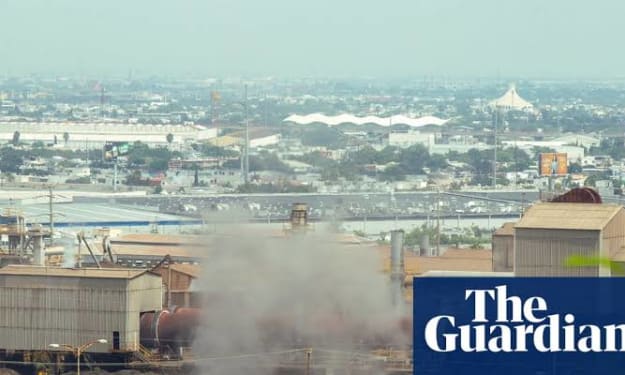
Mexico’s government has announced a series of new environmental measures after investigative reporting by The Guardian exposed the scale of industrial pollution affecting communities across the country. The revelations have intensified public pressure on federal and state authorities to strengthen enforcement of environmental laws and address long-standing concerns over air and water contamination linked to factories, mining operations, and waste disposal sites. The investigations documented how toxic emissions and untreated wastewater from industrial facilities have polluted rivers, soil, and neighborhoods, often in areas where residents lack access to clean drinking water and adequate healthcare. Environmental groups say the findings confirmed what many communities have been reporting for years: that pollution controls were weakly enforced and that economic development was often prioritized over public health. Government Response In response, Mexico’s Ministry of Environment and Natural Resources (SEMARNAT) announced a coordinated plan involving stricter inspections, higher fines for violations, and the closure of facilities that repeatedly fail to comply with environmental standards. Officials also pledged to publish more transparent data on emissions and contamination levels, allowing the public to track industrial polluters more easily. Environment Minister María Luisa Albores said the government could no longer ignore the health risks revealed by the investigations. “These reports show the human cost of environmental negligence,” she said in a statement. “Our responsibility is to protect citizens and ensure that industries respect the law.” The federal government also confirmed that it would review permits granted to high-risk industries, including cement plants, steel manufacturers, and chemical processing facilities, particularly those operating near residential areas. Communities Demand Accountability Residents in affected regions welcomed the announcement but expressed skepticism that meaningful change would occur. In towns along heavily polluted rivers, families have reported increased cases of respiratory illness, skin conditions, and gastrointestinal problems. “For years we have complained, but no one listened,” said a community organizer from central Mexico whose town lies downstream from multiple factories. “Now that the world is paying attention, the government is acting. But we need permanent solutions, not temporary promises.” Grassroots organizations have called for independent monitoring and public participation in environmental decision-making. They argue that without community oversight, enforcement efforts risk becoming symbolic rather than transformative. Industrial Sector Pushback Industry groups cautioned that aggressive regulation could damage economic growth and employment. Mexico relies heavily on manufacturing and exports, particularly under trade agreements with the United States and Canada. Business leaders warned that sudden closures or penalties could disrupt supply chains and threaten jobs. “We support environmental responsibility, but regulations must be balanced with economic reality,” said a spokesperson for a national manufacturing association. “Companies need time and technical support to meet higher standards.” However, environmental economists counter that pollution imposes long-term costs that far exceed short-term compliance expenses. “Health care costs, lost productivity, and environmental degradation are hidden subsidies for polluters,” said one policy analyst. “Strong regulation ultimately benefits society and the economy.” Guardian’s Findings The Guardian’s investigations highlighted several cases in which factories allegedly discharged hazardous waste into waterways without proper treatment. In some regions, regulatory agencies were shown to have conducted few inspections over many years, despite repeated complaints from residents. One report detailed how pollution in an industrial corridor had contaminated groundwater relied upon by thousands of families. Another focused on air pollution in urban areas where particulate matter regularly exceeded national safety limits. The newspaper’s reporting relied on satellite imagery, government records, and interviews with affected communities, drawing international attention to Mexico’s environmental enforcement gaps. Legal and Political Implications Mexico’s congress has begun discussing reforms to strengthen environmental oversight and increase penalties for violators. Proposed measures include expanding the authority of the Federal Attorney for Environmental Protection (PROFEPA) and creating special courts for environmental crimes. Opposition lawmakers have accused the government of reacting only after international embarrassment, while ruling party officials say the response demonstrates commitment to reform. “This is not about blame; it is about action,” said one senior legislator. “The evidence is clear that our current system needs improvement.” Legal experts note that successful prosecutions will depend on political will and the independence of regulators. “Environmental law exists, but enforcement has historically been uneven,” said a professor of environmental policy. “What happens next will show whether this is a turning point or a short-lived response to media pressure.” International Context Mexico’s actions come amid growing global concern over industrial pollution and climate change. International trade partners and investors increasingly require proof of environmental responsibility, and failure to comply can lead to sanctions or reputational damage. Environmental advocates say the Guardian investigations have placed Mexico under an international spotlight, making reform unavoidable. “This is not just a national issue anymore,” said one activist. “The world is watching how Mexico handles corporate pollution.” Looking Ahead The government has pledged to publish progress reports every six months and involve civil society organizations in oversight efforts. Pilot programs are being launched to clean up polluted rivers and restore contaminated land in heavily affected zones. Still, challenges remain. Corruption, limited resources, and political pressure from powerful industries could undermine reforms. Communities say they will continue to document violations and push for accountability. Conclusion Mexico’s decision to confront industrial pollution following the Guardian investigations marks a significant moment in the country’s environmental policy. The revelations have forced authorities to acknowledge systemic failures and promise stronger enforcement. Whether these promises translate into lasting change will depend on sustained political commitment and transparent oversight. For residents living with contaminated water and air, the stakes are personal and urgent. As one community leader put it, “This is not about politics. It is about our right to live without poison.”
By Fiaz Ahmed a day ago in The Swamp
Norway’s Crown Princess Had Years of Contact With Epstein, Files Suggest. AI-Generated.
Recently disclosed documents indicate that Norway’s Crown Princess maintained contact over several years with financier Jeffrey Epstein, raising renewed questions about how prominent global figures interacted with the disgraced businessman before his 2019 arrest and death. The files, which include travel records and correspondence reviewed by journalists and legal authorities, do not allege wrongdoing by the Crown Princess but highlight the breadth of Epstein’s social and professional network. The revelations come as courts and investigative bodies continue to release materials connected to Epstein’s activities, offering new insight into how he cultivated relationships with politicians, academics, royalty, and business leaders around the world. Nature of the Contact According to the documents, the Crown Princess had multiple encounters with Epstein over a period of several years in the early and mid-2000s. These contacts reportedly occurred during international conferences, charity-related events, and social gatherings attended by influential figures. Sources familiar with the files say the interactions appeared to be within diplomatic and philanthropic contexts rather than personal relationships. No evidence has emerged suggesting that the Crown Princess was aware of Epstein’s later criminal conduct at the time of these meetings. A spokesperson for the Norwegian royal household acknowledged that there had been contact but stressed that it was limited and occurred before Epstein’s conviction in 2008 and subsequent exposure as a serial sex offender. “At the time, Epstein was widely regarded as a financier and donor involved in scientific and humanitarian initiatives,” the spokesperson said. “The Crown Princess had no knowledge of any illegal activities and has had no contact with him in many years.” Epstein’s Strategy of Influence Epstein built a reputation as a benefactor of research institutions and global causes, using his wealth to gain access to elite circles. He associated with scientists, politicians, royalty, and celebrities, positioning himself as a connector between power and philanthropy. Experts say this strategy allowed him to move easily within respectable social environments. “He deliberately sought relationships with people of high status,” said a political ethics researcher. “That gave him legitimacy and protection for years.” Many individuals whose names appear in the newly disclosed documents have also emphasized that they cut ties with Epstein long before his arrest in 2019 and had no knowledge of his criminal behavior. Public and Political Reaction in Norway News of the Crown Princess’s past contact with Epstein has triggered debate in Norway, where the royal family is generally held in high regard and expected to maintain strict standards of conduct. Opposition politicians have called for transparency but stopped short of accusing the Crown Princess of any wrongdoing. “The public deserves clarity,” said one lawmaker. “This does not mean guilt, but it does mean that questions should be answered openly.” Norwegian media outlets have focused largely on the timeline of events and the context of the interactions rather than sensational claims. Analysts note that the monarchy’s credibility depends heavily on public trust, and even indirect associations can spark concern. Legal and Ethical Distinctions Legal experts emphasize that appearing in Epstein-related documents does not imply participation in or awareness of his crimes. “There is a critical difference between documented contact and criminal involvement,” said a professor of international law. “The vast majority of people who met Epstein did so in professional or social settings without any knowledge of his abuse.” So far, no evidence has been presented linking the Crown Princess to Epstein’s illegal activities. The documents merely show communication and meetings over time, not the nature or content of private discussions. Broader Pattern of Disclosures The Crown Princess is not alone among public figures whose names have surfaced in recent releases of Epstein-related material. Business leaders, former government officials, and members of royal households in several countries have also been referenced. These disclosures have fueled renewed scrutiny of how powerful individuals interact with wealthy donors and philanthropists, and whether sufficient vetting occurs when forming such relationships. Transparency advocates argue that the Epstein case demonstrates the need for stricter ethical guidelines for public officials and institutions when engaging with private financiers. “Influence networks thrive in secrecy,” said one anti-corruption campaigner. “This case shows why openness matters.” Royal Household Response The Norwegian royal family has reiterated that the Crown Princess regrets any association with Epstein and would not have met him had his criminal behavior been known at the time. In a written statement, the palace said the Crown Princess “condemns all forms of abuse” and supports efforts to ensure accountability for Epstein’s crimes and those who enabled them. The statement added that her focus remains on her official duties, including mental health advocacy and humanitarian work. Impact on the Monarchy While the revelations are unlikely to result in legal consequences, they may present reputational challenges. Public trust in monarchies depends heavily on moral authority and perceived integrity. Political commentators say the issue will likely fade unless further evidence emerges suggesting deeper involvement. “For now, this is a matter of historical association, not scandal,” said a Norwegian political analyst. “But in the age of transparency, even old connections can be politically sensitive.” Conclusion The newly disclosed files suggesting years of contact between Norway’s Crown Princess and Jeffrey Epstein underscore the vast reach of Epstein’s social network before his crimes became widely known. While the documents raise uncomfortable questions, there is no indication of wrongdoing by the Crown Princess, and her representatives maintain that the interactions occurred without any knowledge of Epstein’s criminal behavior. As investigations and document releases continue, the case serves as a reminder of how individuals in positions of influence can become entangled—often unknowingly—in networks that later prove deeply troubling. For Norway’s monarchy, the episode highlights the importance of transparency, accountability, and public trust in an era of increasing scrutiny.
By Fiaz Ahmed a day ago in The Swamp
Right-wing Populist Laura Fernández Claims Victory in Costa Rica’s Elections. Here’s What to Know.. AI-Generated.
Right-wing populist Laura Fernández has claimed victory in Costa Rica’s presidential election, according to preliminary and partial results that suggest she has secured enough votes to avoid a runoff and become the country’s next president. The outcome caps a heated campaign built around security concerns, political discontent and the appeal of continuity with the outgoing government. Reuters +1 Fernández’s projected win signals a significant shift in Costa Rican politics — a country long regarded as a stable democracy in Central America — and reflects growing voter frustration over rising crime and a desire for what her supporters describe as stronger leadership. Financial Times A Populist Victory in the First Round Preliminary results from Costa Rica’s Supreme Electoral Tribunal indicate that Fernández, the 39-year-old candidate of the right-wing Sovereign People’s Party (PPSO), garnered nearly half of the vote with more than 88% of ballots counted, comfortably above the 40% threshold needed to win in the first round of voting and avoid a runoff scheduled for April 5. MarketScreener Her closest rival, centrist economist Álvaro Ramos of the long-established National Liberation Party, received approximately one-third of the vote and has already conceded the race, though he emphasized his intention to remain a vigorous opposition voice in Costa Rican politics. Reuters A Protege of President Chaves Fernández’s political rise has been closely linked to outgoing President Rodrigo Chaves Robles, who is constitutionally barred from immediate re-election but remains a central figure in national discourse. She previously served in his administration as minister of national planning and economic policy as well as minister of the presidency — roles that positioned her as both a technocrat and loyalist. Wikipedia Her campaign leaned heavily on promises to continue Chaves’ hard-line security policies and anti-establishment rhetoric. Crime, particularly drug-related violence and rising homicide rates, became a dominant theme during the campaign, with many voters expressing anxiety about insecurity after years of historically low crime figures. Kuwait Times In her victory speech, Fernández described her win as ushering in a “new political era” for Costa Rica. She called for broad changes, asserting that the nation was moving beyond its post-civil war political framework toward what she termed a “transformative” agenda. MarketScreener The Sovereign People’s Party’s Strengthened Position Fernández’s governing party, the Sovereign People’s Party (PPSO), is also projected to make substantial gains in the 57-seat Legislative Assembly, winning roughly half of the seats, up from just eight in the previous legislature. While that may not constitute a supermajority — which would enable sweeping constitutional changes — it substantially strengthens her ability to pursue her legislative priorities. Reuters Critics had warned that a supermajority could threaten institutional checks and balances, but even without it, the PPSO’s position represents a sharper tilt to the right in the Assembly and reduces the influence of traditional parties that have long dominated Costa Rican politics. Financial Times Policies and Promises Security remains Fernández’s top priority. She has pledged to continue construction of maximum-security prisons, increase penalties for violent crime and introduce states of emergency in areas most affected by gang activity — policies that critics compare to those implemented by leaders like El Salvador’s Nayib Bukele. Supporters argue such measures are necessary to regain public safety and curb cartel influence. Kuwait Times Fernández has also positioned herself as a candidate of continuity, promising to retain key figures from Chaves’ government in advisory or leadership roles. This has raised questions about how much authority Chaves’ influence will have on her presidency, given legal restrictions on consecutive terms. Wikipedia Economically, her platform mixes social conservatism with elements of economic liberalism, part of PPSO’s broader ideological stance. The party, founded in 2022, blends nationalist and populist appeals, including skepticism toward traditional elites and an emphasis on “sovereignty” in policy decisions. Wikipedia Mixed Reactions at Home and Abroad Reaction within Costa Rica has been polarized. Fernández’s supporters view her triumph as a mandate for decisive action on crime and public order after years of fear and frustration. Many voters who backed her cited concerns about daily security and dissatisfaction with what they see as bureaucratic stagnation. thestar.com.my Opposition groups and civil society organizations, however, worry about the implications of her approach for democratic norms. They caution that hard-line tactics and expanded executive authority could erode institutional balances and civil liberties. Some critics also express concern about whether Fernández’s confrontational style, reminiscent of figures like Rodrigo Chaves and other populists, could deepen political divisions. Financial Times Internationally, Fernández’s election is being watched as part of a broader trend in Latin America, where voters in several countries have shifted toward right-wing or populist leaders in recent years — often in response to crime, economic anxiety and disillusionment with traditional political parties. Financial Times Challenges Ahead Assuming office in May 2026, Fernández will confront immediate challenges: stemming gang violence, managing economic pressures, and governing effectively with a newly assertive legislature. How she navigates these issues will shape not only her domestic standing but also Costa Rica’s international relations, particularly as her government balances security cooperation with human rights commitments. Her victory also raises questions about the future of Costa Rica’s political landscape. While once defined by consensus and moderation, the country now grapples with more polarized and assertive leadership — a reflection of shifting public sentiment in an era of uncertainty and insecurity.
By Fiaz Ahmed a day ago in The Swamp
Iran’s Missiles Pose Deadly Threat, Gulf Allies Warn, as Trump Weighs Strikes. AI-Generated.
Start writinTensions between the United States and Iran have reached a critical point as Gulf allies raise alarms about Tehran’s growing missile capabilities, warning that they pose a “deadly threat” to regional security, even as U.S. President Donald Trump weighs potential military strikes amid simmering crises across the Middle East. The situation unfolds against the backdrop of internal unrest in Iran, rising U.S. military deployments, and widespread fears of a broader conflict that could draw in neighboring countries.
By Fiaz Ahmed a day ago in The Swamp