
These Shy, Scaly Anteaters Are the Most Trafficked Mammals in the World
Pangolins—tiny, nocturnal mammals covered in protective scales—face a crisis as illegal wildlife trade pushes them to the brink of extinction.

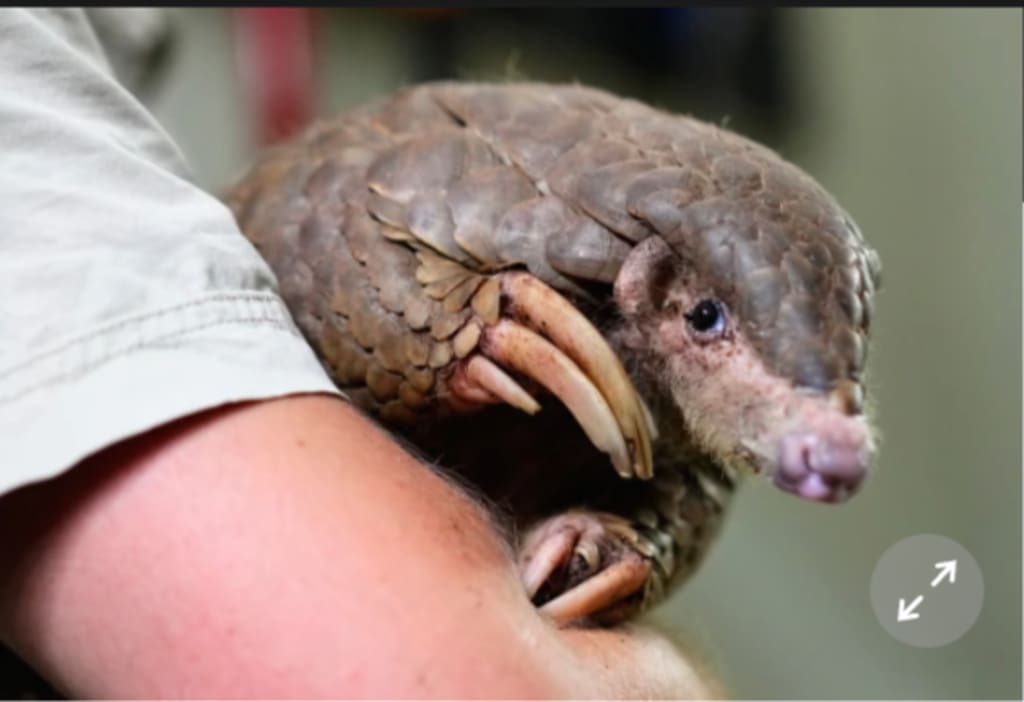
In the quiet forests and grasslands of Africa and Asia, a remarkable creature quietly scuttles along the forest floor, searching for ants and termites. Covered in hard, overlapping scales that resemble armor, the pangolin is one of the most unique mammals on Earth. Shy, solitary, and nocturnal, these scaly anteaters have lived for millions of years, yet today they face a threat that could erase them from the wild: illegal trafficking.
Despite their unassuming nature, pangolins have become the most trafficked mammals in the world. Poachers capture them for their scales, meat, and body parts—driven by demand in traditional medicine markets and luxury cuisine. Over the past two decades, pangolin populations have plummeted, with some species now classified as critically endangered.
Meet the Pangolin: Nature’s Scaled Wonder
Pangolins, often called “scaly anteaters,” belong to the order Pholidota. There are eight known species—four in Africa and four in Asia. They are nocturnal and largely solitary, spending much of their lives foraging for insects using long, sticky tongues that can extend up to 40 centimeters.
Their most striking feature is their protective scales, made of keratin—the same material as human fingernails. When threatened, pangolins curl into a tight ball, relying on these scales to shield them from predators. Despite this natural defense, humans have become the most dangerous predator of all.
The Global Trafficking Crisis
According to conservation groups and the United Nations, pangolins are the most trafficked mammals in the world. It is estimated that hundreds of thousands of pangolins are illegally captured and sold every year. The demand comes largely from East and Southeast Asia, where pangolin scales are used in traditional medicine, and their meat is considered a delicacy.
One shocking aspect of this trade is its secrecy and sophistication. Traffickers operate across borders, often using intricate smuggling routes to avoid detection. Wildlife authorities frequently confiscate shipments of pangolins and their scales, revealing the scale of this illicit market. For many species, particularly the Chinese pangolin and the Sunda pangolin, this relentless demand has pushed populations dangerously low.
Why Pangolins Are Vulnerable
Several factors make pangolins especially susceptible to trafficking:
Slow Reproduction: Pangolins typically give birth to a single offspring at a time, making population recovery slow.
Nocturnal and Solitary Nature: Their shy behavior makes them hard to monitor, which complicates conservation efforts.
High Demand for Scales: Keratin scales are believed to have medicinal properties in some cultures, despite a lack of scientific evidence.
Habitat Loss: Deforestation and urban expansion reduce available habitats, forcing pangolins into areas closer to human populations and poachers.
These combined pressures mean that without intervention, pangolins could disappear from the wild within a few decades.
Conservation Efforts Around the World
Recognizing the severity of the crisis, international organizations and governments have taken steps to protect pangolins. In 2016, all eight pangolin species were listed under Appendix I of the Convention on International Trade in Endangered Species (CITES), effectively banning international commercial trade.
Non-governmental organizations (NGOs) also work tirelessly on the ground. Rescue centers across Africa and Asia rehabilitate confiscated pangolins and sometimes reintroduce them into the wild. Conservationists conduct anti-poaching patrols, community education, and research to better understand pangolin behavior and habitat needs.
Some innovative approaches have emerged as well. In certain regions, local communities are incentivized to protect pangolins through ecotourism or conservation payments, giving people a sustainable alternative to poaching.
The Role of Public Awareness
Public awareness is crucial in the fight to save pangolins. Viral videos, documentaries, and social media campaigns have helped shine a spotlight on these shy creatures, turning them into global conservation icons. Images of rescued pangolins, often wrapped in blankets or cradled by caregivers, highlight their vulnerability and the urgent need for protection.
Education campaigns targeting consumers in regions with high demand for pangolin products aim to reduce market pressures. Experts argue that stopping demand is as important as protecting habitats, as trafficking will continue as long as scales and meat remain profitable.
A Warning for the Future
The plight of the pangolin is more than an isolated conservation issue. It underscores the larger dangers of wildlife trafficking, which not only threatens biodiversity but also increases the risk of zoonotic diseases—illnesses transmitted from animals to humans. Experts have repeatedly warned that illegal wildlife trade can serve as a bridge for pathogens, potentially fueling global health crises.
Protecting pangolins is therefore a matter of ecological and public health importance. These creatures are key parts of their ecosystems, controlling insect populations and maintaining soil health. Their loss could ripple across food webs, affecting countless other species.
How You Can Help
Every individual can play a role in protecting pangolins. Some steps include:
Supporting NGOs: Organizations like the Pangolin Conservation Network, Save Pangolins, and TRAFFIC work directly to protect these animals.
Raising Awareness: Sharing accurate information about pangolins and the dangers of trafficking can influence public opinion.
Avoiding Wildlife Products: Consumers must refuse pangolin meat or scales, helping to reduce demand.
Advocating for Policy Change: Encouraging governments to enforce wildlife protection laws and increase penalties for trafficking helps create a safer environment for pangolins.
Even small actions, when multiplied globally, can have a profound effect on saving these remarkable mammals.
Conclusion: The Urgency of Action
Pangolins are extraordinary creatures, uniquely adapted to survive in their environments. Yet their shy, solitary nature has made them easy targets for human greed. Being the most trafficked mammals in the world, they now face the real risk of extinction in the wild.
Conservation efforts have gained momentum, but time is running out. Governments, organizations, and individuals must work together to protect these scaly anteaters before it’s too late. By raising awareness, enforcing laws, and reducing demand, we can ensure that pangolins continue to roam the forests and grasslands where they belong.
These shy, scaly mammals may be small, but their story carries a powerful message: the survival of a species depends not only on nature but also on human choices. The future of pangolins—and countless other threatened species—rests in our hands.
About the Creator
Sajida Sikandar
Hi, I’m Sajida Sikandar, a passionate blogger with 3 years of experience in crafting engaging and insightful content. Join me as I share my thoughts, stories, and ideas on a variety of topics that matter to you.
Keep reading
More stories from Sajida Sikandar and writers in The Swamp and other communities.
5 NATO Allies Agree to Produce Low-Cost Drones
In a move that underscores how warfare and defense strategy are rapidly evolving, five member nations of the North Atlantic Treaty Organization have agreed to jointly develop and produce low-cost military drones. The announcement highlights a growing recognition that future conflicts will rely not only on advanced fighter jets and missile systems but also on scalable, affordable unmanned aerial vehicles that can be produced in large numbers.
By Sajida Sikandarabout 8 hours ago in The Swamp
A Gathering of Evil Bosses
“I’m the queen of chin jutting while I smooth my hair, attacking, insulting, and deflecting to protect my appointer.” “Oh, please, Blondi, my hair is curled, highlighted, and longer than yours. I feature television commercials telling immigrants that we will give them a free plane ride home, and if they voluntarily turn themselves in, they will be allowed to legally apply for re-entry. It runs everywhere, and I look good in it! You can’t compete because of your blond hair. Mine is nicer, and my lips are prettier than yours.”
By Andrea Corwin 3 days ago in The Swamp
Drone Strikes in Sudan’s Kordofan Region Take a Toll on Civilians and Aid Operations
Drone strikes in Sudan’s Kordofan region have intensified in recent weeks, leaving a mounting toll on civilians and complicating already fragile humanitarian operations. Local authorities, aid workers, and independent observers report that the use of unmanned aerial weapons in populated areas has disrupted everyday life, displaced families, and hindered efforts to deliver food, medical supplies, and basic services. Surge in Drone Activity Residents and humanitarian agencies say that drone strikes—attributed to military forces and allied armed groups operating in Kordofan—have become more frequent and seemingly less discriminating in their targets. The strikes have hit villages, marketplaces, and roads used by civilians, leading to significant loss of life and property. A spokesperson for a local community group described the mood in affected areas as one of fear and uncertainty. “People no longer feel safe even in their homes,” the spokesperson said. “We hear the hum of drones overhead, and every strike threatens a civilian area.” Doctors and nurses at clinics in the region report treating increasing numbers of patients with injuries consistent with drone munitions, including shrapnel wounds, blast trauma, and burns. Hospitals operating with limited supplies are overwhelmed, forcing staff to ration care. Impact on Humanitarian Operations The drone strikes have severely disrupted humanitarian aid delivery. Convoys carrying food, water, and medical supplies have been forced to reroute or halt operations due to safety concerns. Aid groups operating in the region, including both Sudanese and international organizations, warn that the ongoing strikes are making it increasingly difficult to reach populations in need. A senior aid official working in Kordofan said that the presence of active drone operations has made it nearly impossible to negotiate safe corridors. “When drones are present, vehicles and personnel are at risk,” the official said. “We cannot justify sending teams into areas where we have no guarantee of protection.” The strikes have also driven displacement, compounding an already fragile situation. Families fleeing danger have sought shelter in makeshift camps, where overcrowding, poor sanitation, and a lack of services pose additional health risks. Civilian Casualties While accurate figures remain difficult to verify, local sources and humanitarian monitors estimate that dozens of civilians have been killed or injured in recent strikes. Among the victims are children and elderly residents who were not involved in any armed activity. One survivor recounted how a drone strike hit a small market, killing relatives and neighbors who had gathered to buy basic supplies. “We were just trying to get food for our family,” the survivor said. “Then the explosion came. Everything changed in an instant.” Human rights organizations have documented cases where drone strikes appear to have hit areas well outside active conflict zones, raising concerns about the standards used to select targets and the safeguards in place to protect civilians. International and Regional Response The escalation in drone strikes has drawn condemnation from human rights groups and diplomatic representatives. Calls for restraint and accountability have intensified, with some observers urging increased monitoring and reporting mechanisms to document potential violations of international humanitarian law. However, external pressure has so far had limited impact on the conduct of military actors in the Kordofan region. Analysts note that the use of drones, including both surveillance and armed systems, has become a tactical preference for forces seeking to project power without exposing personnel. Neighboring countries and regional organizations have expressed concern that instability in Sudan could have spillover effects, including increased refugee flows and cross-border tensions. Efforts to broker ceasefires or limited truces have repeatedly stalled, in part due to mistrust between combatants. Humanitarian Challenges Aid groups stress that the consequences of continued drone strikes extend beyond immediate casualties. Supply shortages, economic disruption, and psychological trauma are creating layers of long-term hardship. Children in affected areas face interrupted schooling, food insecurity, and increased vulnerability to disease. A field coordinator for an international relief agency said that adapting to the changing security environment has required constant adjustments. “We are trying to innovate, adjust routes, and pre‑position supplies where possible,” the coordinator said. “But the unpredictability of drone strikes makes it extremely hard to plan effectively.” Looking Ahead As fighting and drone use continue, humanitarian needs are expected to grow. Observers warn that without a reduction in hostilities and meaningful diplomatic engagement, the conflict in Kordofan will continue to exact a heavy toll on civilians already struggling with poverty and displacement. Human rights advocates insist that all parties to the conflict must respect international law and protect non‑combatants. Aid agencies are appealing for renewed diplomatic efforts, greater protection for humanitarian workers, and expanded mechanisms to document and respond to abuses. The situation in Kordofan remains volatile, with no immediate end in sight to the drone strikes and their devastating impact on civilian life and relief operations. As the conflict unfolds, the toll on ordinary families and humanitarian responders alike continues to deepen.
By Fiaz Ahmed 3 days ago in The Swamp




Comments
There are no comments for this story
Be the first to respond and start the conversation.