Fiaz Ahmed
Bio
I am Fiaz Ahmed. I am a passionate writer. I love covering trending topics and breaking news. With a sharp eye for what’s happening around the world, and crafts timely and engaging stories that keep readers informed and updated.
Stories (1146)
Filter by community
Greetings from Kyiv, Where Candles Are the Last Option During Wartime Blackouts. AI-Generated.
As night falls over Kyiv, the city no longer glows the way it once did. Streetlights flicker sporadically, apartment windows dim quickly, and the familiar hum of urban life is replaced by an uneasy silence broken only by generators and distant air raid sirens. In many neighborhoods, candles have become the last and most reliable source of light during prolonged wartime blackouts. Ukraine’s capital continues to endure waves of power outages following sustained Russian attacks on the country’s energy infrastructure. Substations, power plants, and transmission lines have been repeatedly targeted, leaving millions of residents with limited or no electricity for hours — sometimes days — at a time. While emergency repairs are carried out around the clock, each new strike pushes the system closer to collapse. For families across Kyiv, daily routines have been reshaped around the availability of electricity. Mobile phones are charged whenever power briefly returns. Meals are prepared in advance or cooked on gas stoves and portable burners. Elevators stand still in high-rise buildings, forcing elderly residents to climb dark stairwells with flashlights or candles in hand. “In the evening, when everything goes dark, we light candles and sit quietly,” said Olena, a retired schoolteacher living in the Podil district. “It feels like the city goes back a hundred years. But at least we are together, and that gives us strength.” A City Adjusts to Darkness Shops close earlier than before. Restaurants that remain open rely on generators and candlelit tables, creating scenes that resemble romantic dinners but carry an unmistakable tension. Pharmacies ration fuel for backup power to preserve refrigeration for medicines. Hospitals operate under strict energy-saving protocols, prioritizing intensive care units and surgical theaters. Public transportation is frequently disrupted. The Kyiv Metro, which doubles as a bomb shelter during air raids, runs on reduced schedules when electricity supplies are unstable. Bus stops are packed during peak hours, as commuters try to make it home before sunset. For many residents, the blackout is not just an inconvenience — it is a reminder that the war remains ever-present. “You cannot escape it,” said Andriy, a university student. “Even if you don’t hear explosions, the darkness tells you the war is here.” The Candle Economy Candles, flashlights, and battery-powered lanterns have become essential items. Small shops that once sold decorative candles now stock large boxes of emergency supplies. Prices have risen sharply, and shelves are often emptied within hours of new deliveries. Markets across the city sell thick paraffin candles designed to burn for many hours. Some families reuse wax remnants, melting them down to create new ones. Others improvise using jars and cooking oil when supplies run low. “We never thought candles would become so important,” said Larysa, who runs a small grocery store. “Now they sell faster than bread.” Alongside candles, power banks and portable solar chargers are in high demand. Residents line up at public charging stations installed by the city council in libraries, schools, and metro stations. These hubs allow people to power phones, laptops, and medical devices for a few precious hours. Psychological Toll The darkness brings emotional strain as much as physical hardship. Mental health workers say prolonged blackouts deepen feelings of anxiety and isolation, especially for children and the elderly. “When it’s dark and cold, people feel more vulnerable,” said a Kyiv-based psychologist who volunteers at a crisis center. “Candles provide light, but they also symbolize how fragile life has become.” Parents struggle to maintain a sense of normalcy. Homework is done by candlelight. Board games replace television. Stories are told instead of streamed. Some families say the blackouts have unexpectedly brought them closer together, but the uncertainty remains exhausting. Children have adapted quickly, treating blackouts like adventures at first. But teachers warn that fatigue and stress are beginning to affect learning and behavior. “They are brave, but they are tired,” said one elementary school teacher. “They ask when the lights will stay on again. We don’t always have an answer.” Government and International Support Ukrainian officials acknowledge the scale of the challenge. Emergency crews repair damaged power lines within hours of strikes, often under dangerous conditions. International partners have sent generators, transformers, and technical equipment to stabilize the grid. President Volodymyr Zelensky has repeatedly urged Western allies to accelerate delivery of air defense systems to protect energy facilities. “Every blackout is a victory for terror,” he said in a recent address. The government has also introduced rolling blackout schedules to distribute electricity more evenly and prevent total system collapse. While this has helped some neighborhoods, unpredictable attacks mean outages still occur without warning. Resilience in the Shadows Despite the hardships, Kyiv continues to function. Cafés reopen when power returns. Musicians play acoustic sets by candlelight. Volunteers organize soup kitchens using portable stoves. Life persists, dimly lit but determined. In one apartment block near Independence Square, residents gather in the stairwell each night during outages, sharing tea and stories by candlelight. What began as a practical solution has become a small community ritual. “We cannot control the war,” said Mykola, a former engineer. “But we can control how we treat each other in the dark.” As winter deepens, the challenge grows more severe. Cold temperatures make heating as critical as lighting. Yet for now, candles remain the city’s quiet symbol of survival — small flames standing against vast uncertainty. In Kyiv, light is no longer taken for granted. Each flicker of a candle is both a reminder of loss and a sign of resilience. In the darkness of war, even the smallest flame carries meaning.
By Fiaz Ahmed 16 days ago in The Swamp
Amazon Blocks Local Theater From Playing ‘Melania’ After ‘Disparaging’ Marquee Jokes. AI-Generated.
A small independent theater in the United States has been blocked from screening the documentary Melania after Amazon Studios intervened, citing concerns over “disparaging” messages displayed on the venue’s marquee that referenced former First Lady Melania Trump. The decision has sparked debate over artistic freedom, corporate control of film distribution, and the limits of political satire in public spaces. The theater, located in a mid-sized Midwestern city, had planned to host a limited-run showing of Melania, a recently released documentary examining the former First Lady’s public life, fashion influence, and role within the Trump political era. Days before the scheduled screening, the venue placed humorous and critical slogans on its outdoor marquee to promote the event. One message reportedly read: “Come see Melania — elegance, silence, and sequins,” while another referenced her long absence from public appearances. Photos of the marquee circulated on social media, drawing mixed reactions from viewers. Some praised the theater’s tongue-in-cheek marketing, while others accused it of mocking a political figure in a way they considered disrespectful. Within 48 hours, the theater received a formal notice from Amazon Studios, which controls the film’s distribution rights, informing management that their license to screen the documentary had been revoked. Amazon’s Response In a statement provided to local media, Amazon Studios said the decision was based on contract terms requiring exhibitors to present the film in a “professional and non-disparaging manner.” “Our agreements with theaters are designed to ensure that films are exhibited respectfully and without messaging that could be interpreted as defamatory or politically inflammatory,” the company said. “The promotional language used by this venue did not meet those standards.” Amazon emphasized that the issue was not with criticism or debate surrounding the film’s subject matter but with the manner in which it was being marketed. “The documentary itself invites discussion,” the statement continued. “However, marketing that ridicules or demeans the individual portrayed falls outside the scope of acceptable promotional conduct under our licensing agreements.” Theater Pushes Back The theater’s owner, who has operated the venue for more than two decades, called the decision “deeply disappointing” and “an example of corporate overreach.” “We’ve shown controversial films for years,” the owner said in an interview. “We’ve hosted documentaries about presidents, wars, and social movements. Never before has a distributor shut us down over a joke on a marquee.” According to the theater, the marquee messages were intended as light satire rather than personal attacks. Management argued that political humor has long been part of American culture and should not be grounds for censorship. “We weren’t vandalizing the film or altering its content,” the owner added. “We were using humor to spark curiosity and conversation, which is what independent theaters do best.” The theater has since replaced the marquee message and removed references to the documentary altogether. Free Speech Concerns Civil liberties advocates say the incident highlights the growing influence of large streaming and distribution companies over cultural spaces traditionally associated with open expression. “This is not a government censorship issue, but it raises serious questions about private corporations controlling what stories can be shown and how they can be promoted,” said Laura Simmons, a media law analyst. “Independent theaters depend on licensing agreements, which means distributors hold enormous power.” Simmons noted that while Amazon is legally entitled to enforce its contract terms, the case illustrates how commercial rules can shape public discourse. “When satire or criticism becomes grounds for cancellation, the boundaries of artistic expression become narrower,” she said. Reaction From the Community Local residents and regular theatergoers have expressed frustration over the decision. A petition calling for Amazon to reinstate the screening gathered several hundred signatures within two days. “This theater is one of the few places in town that shows documentaries and foreign films,” said one supporter. “It feels wrong that a joke on a sign could shut down a film entirely.” Others, however, defended Amazon’s action. “If the theater wanted to show the movie, they should have promoted it respectfully,” said one community member. “You can’t insult the subject and then expect the distributor to be fine with it.” The dispute has divided the community along familiar political lines, with some viewing the situation as an attack on free expression and others seeing it as a matter of professionalism. About the Film Melania is a documentary that explores the former First Lady’s life from her upbringing in Slovenia to her time in the White House. The film features interviews with journalists, fashion experts, and political analysts, examining her public image and her often limited public role during Donald Trump’s presidency. The documentary has drawn attention for its neutral tone, avoiding direct political advocacy while acknowledging controversies surrounding the Trump administration. Reviews have described it as “measured” and “observational,” though some critics argue it avoids deeper scrutiny. A Broader Cultural Debate The incident reflects a broader tension between political satire and corporate caution in an era of polarized public discourse. Distributors are increasingly sensitive to how their content is marketed, wary of backlash from audiences, advocacy groups, or political actors. “Studios want to avoid controversy that could damage their brand,” said a former entertainment executive. “But controversy is often what independent theaters thrive on.” As streaming giants expand their reach into traditional film exhibition, conflicts like this may become more common. What Comes Next The theater is considering legal options but says its priority is returning to regular programming. For now, it plans to replace the canceled screening with another documentary unrelated to current political figures. Amazon has not indicated whether the ban could be lifted if the theater agrees to new promotional terms. For many observers, the dispute serves as a reminder of how culture, politics, and commerce increasingly intersect. “This isn’t just about one film,” the theater owner said. “It’s about who gets to decide how stories are told and how much room there is for humor and criticism in public life.” As the debate continues, the canceled screening has ironically drawn far more attention to Melania than the marquee joke ever could have on its own.
By Fiaz Ahmed 16 days ago in The Swamp
Australia Vows to Repair ‘Distressing’ Damage to War Graves in Gaza Bulldozed by Israeli Army. AI-Generated.
The Australian government has pledged to help repair and restore war graves in Gaza that were damaged during recent military operations, describing the destruction as “deeply distressing” and calling for greater protection of historical and humanitarian sites during conflict.
By Fiaz Ahmed 16 days ago in The Swamp
Met Office Names 29 Areas Facing Snow on Wednesday – Full List. AI-Generated.
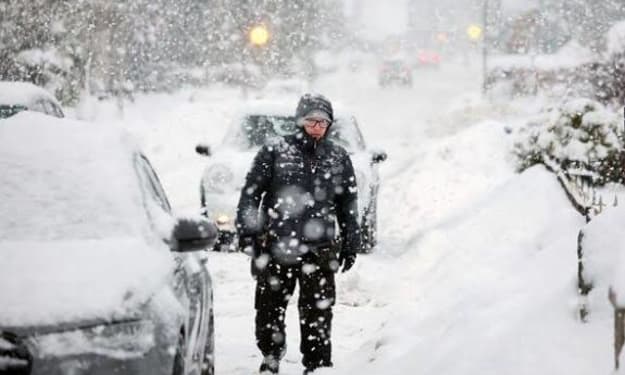
The Met Office has issued weather warnings for 29 areas across the United Kingdom as a fresh wave of cold air is set to bring snowfall, icy roads, and potential travel disruption on Wednesday. Forecasters say the developing weather system could create hazardous conditions, particularly during the morning commute, with snow expected to fall across parts of England, Wales, and Scotland. Yellow weather warnings for snow and ice have been put in place after meteorologists observed a cold front moving in from the northwest, colliding with moist Atlantic air. This combination is forecast to trigger widespread wintry showers, with heavier snow likely over higher ground and in northern regions. Snowfall Expected Overnight According to the Met Office, rain will begin pushing into the affected regions late Tuesday evening before turning to snow as temperatures drop close to or below freezing. Accumulations of between 1 and 3 centimetres are likely in many areas, with up to 5 centimetres possible in elevated locations such as hills and moorlands. “Snowfall will be variable, but some communities may wake up to wintry scenes and slippery conditions,” a Met Office spokesperson said. “There is also a risk of ice forming on untreated surfaces, which could make pavements and roads particularly dangerous.” Forecasters added that temperatures are expected to remain low throughout Wednesday morning, meaning snow may not melt quickly and could continue to affect travel into the afternoon. Full List of Areas Affected The 29 areas identified by the Met Office include regions across northern England, Wales, and large parts of Scotland: England: Derbyshire, Durham, Cheshire East, Cumbria, Greater Manchester, Lancashire, Staffordshire, North Yorkshire, South Yorkshire, West Yorkshire. Wales: Conwy, Denbighshire, Flintshire, Gwynedd, Powys, Wrexham. Scotland: Angus, Clackmannanshire, Dundee, Fife, Perth and Kinross, Stirling, Aberdeen, Aberdeenshire, Moray, Highland, Argyll and Bute, Orkney Islands, Shetland Islands. Residents in these areas have been advised to remain alert for changing conditions and to monitor local forecasts. Travel Disruption Likely Transport authorities have warned that roads may become slippery, especially on higher routes and rural roads. Motorists are being urged to allow extra time for journeys and to avoid unnecessary travel if conditions worsen. Rail operators are also preparing for possible delays, particularly in Scotland and northern England, where snowfall and icy tracks could affect timetables. Airports in affected regions have advised passengers to check flight updates before setting off. “Even light snowfall can cause major knock-on effects during peak travel hours,” said a transport official. “We are prepared, but passengers should plan ahead and expect delays.” Bus services may also be disrupted in hillier areas, while school transport providers are monitoring the situation closely. Schools and Local Authorities on Alert Several local councils have confirmed that gritters and snowploughs will be deployed overnight to treat main routes. Schools have been asked to prepare contingency plans, including delayed openings or temporary closures if conditions deteriorate. Parents are being advised to check school websites and local authority announcements early on Wednesday morning. Community groups have also been reminded to check on vulnerable residents, particularly elderly people and those living alone who may struggle in freezing temperatures. Risk of Ice and Power Outages In addition to snowfall, forecasters have warned about the possibility of freezing rain and icy patches forming as temperatures fluctuate around zero. This raises the risk of slips and falls, as well as traffic accidents. Utility companies are on standby in case of power outages caused by falling branches or damaged lines, especially in areas where wet snow may accumulate on trees and cables. Households are being encouraged to charge devices in advance, keep torches and batteries available, and ensure they have enough heating supplies to last through the cold spell. Why This Weather Is Happening Meteorologists say the current conditions are being driven by a shift in atmospheric pressure patterns, allowing cold Arctic air to move southwards into the UK. This cold air is interacting with milder, moisture-rich systems from the Atlantic, creating ideal conditions for snow. “This is a classic winter setup,” explained one weather analyst. “It’s not unusual, but the timing and spread mean many people will feel its impact at once.” The cold snap is expected to continue for several days, with night-time temperatures remaining below freezing in many of the affected areas. Safety Advice The Met Office and emergency services have issued clear guidance for residents in warning zones: Avoid unnecessary travel during heavy snowfall. Wear appropriate footwear to reduce the risk of slipping. Drive slowly and keep emergency supplies in vehicles. Stay informed through official weather updates. Check on neighbours who may need assistance. Officials stress that yellow warnings do not mean severe weather is guaranteed, but they highlight an increased risk of disruption and injury. Looking Ahead Conditions are forecast to gradually improve later on Wednesday from the south, though further wintry showers may continue in Scotland and northern England into Thursday. Additional warnings could be issued if snowfall totals increase or if ice becomes more widespread. For now, authorities are urging calm preparation rather than panic. With the correct precautions, much of the disruption can be minimized. As the UK braces for another burst of winter weather, the message from forecasters is clear: stay informed, stay cautious, and be prepared for snow-covered roads and cold conditions as Wednesday begins.
By Fiaz Ahmed 17 days ago in Longevity
Irish government to impose total ban on scramblers in public places. AI-Generated.
The Irish government has announced plans to introduce a nationwide ban on the use of scrambler bikes in public places, following growing concern over public safety, noise pollution, and a sharp rise in accidents involving unregulated off-road vehicles. The move represents the most decisive action yet against what officials describe as a persistent and dangerous problem in urban and rural communities alike. Under the proposed legislation, scramblers and similar off-road motorcycles will be prohibited from operating in parks, housing estates, beaches, and other public spaces. The ban is expected to come into effect later this year after final approval by the Oireachtas. Rising Safety Concerns Justice Minister officials confirmed that the new measures were prompted by an increase in serious injuries linked to scrambler use, particularly among young riders. Emergency departments across the country have reported a surge in trauma cases involving off-road bikes, many of which are not road-legal and lack basic safety features such as registration plates or insurance coverage. “Too many people have been hurt, and too many communities feel unsafe,” said a senior government spokesperson. “This is about restoring public order and protecting lives.” Police data shows that scrambler-related incidents have doubled in some counties over the past three years, with children and pedestrians among those injured. Several high-profile accidents have intensified pressure on lawmakers to act. Enforcement Powers Expanded The new legislation will give Gardaí expanded powers to seize scramblers immediately if they are found being used illegally in public areas. Owners may face heavy fines and, in repeat cases, confiscation of the vehicle without compensation. Authorities will also be permitted to pursue riders who attempt to evade officers, ending a long-standing limitation that prevented police from engaging scramblers due to safety risks. “We are closing legal loopholes that allowed reckless behavior to continue,” said a senior Garda official. “These bikes are not toys when used in crowded public spaces.” Local councils will also be allowed to designate specific zones where scrambler use is completely prohibited, including school grounds, playgrounds, and pedestrian pathways. Community Pressure Drives Policy Public frustration has been mounting for years, especially in working-class neighborhoods where scramblers are often ridden through housing estates at high speed. Residents have complained of intimidation, sleepless nights, and fear for children playing outdoors. “I can’t let my kids cycle on our street anymore,” said a Dublin mother. “These bikes fly past with no helmets, no lights, and no regard for anyone else.” Community groups have welcomed the ban as long overdue. Several advocacy organizations have argued that scrambler misuse has become a symbol of lawlessness and lack of enforcement. “This law sends a message that public spaces belong to everyone, not just those willing to take risks,” said one community leader. Critics Warn of Social Impact Despite widespread support, some youth organizations and motorsport groups have warned that the ban could disproportionately affect young people from disadvantaged backgrounds. They argue that scramblers provide recreation in areas lacking sports facilities and structured activities. “There is a danger of criminalizing teenagers instead of investing in alternatives,” said a spokesperson for a youth outreach charity. “We need safe places for legal riding, not just punishment.” In response, the government has indicated that it will explore funding for designated off-road tracks and supervised training programs. Officials say the goal is not to eliminate the sport, but to remove it from unsafe environments. “We recognize the need for balance,” the Justice Minister said. “This is about where these vehicles are used, not banning them outright.” Legal and Insurance Issues Another major concern driving the ban is the lack of insurance and registration associated with scramblers. Most models are designed for off-road use only and cannot be legally insured for public areas. When accidents occur, victims are often left without compensation. Legal experts say the new law could significantly reduce liability disputes and help clarify responsibility in collision cases. “Unregulated vehicles operating in shared spaces create serious legal grey areas,” said one transport law specialist. “This reform brings much-needed clarity.” Political Support Grows The proposal has received backing from across party lines, reflecting the widespread frustration of constituents. Several TDs reported receiving hundreds of complaints from residents demanding action. “This issue cuts across class and geography,” said one opposition politician. “Rural beaches and city parks are both affected.” The bill is expected to pass with strong majority support when introduced for final debate next month. What Happens Next Once enacted, the ban will be accompanied by a national public awareness campaign explaining where scramblers may and may not be used. Retailers will also be required to inform buyers of the new restrictions at the point of sale. Gardaí will focus initially on education and warnings before moving to full enforcement, officials said. However, repeat offenders can expect strict penalties. A Shift in Public Space Policy The scrambler ban marks a broader shift in how Ireland regulates public spaces amid changing patterns of recreation and transport. Officials say the government must adapt to new risks while preserving safety and accessibility for all. “This is about reclaiming parks, beaches, and estates for families and communities,” the Justice Minister said. “No one should feel afraid to walk in their own neighborhood.” As Ireland prepares to implement the ban, the debate highlights a larger challenge: balancing freedom, recreation, and responsibility in shared public environments. Whether the new law succeeds will depend on consistent enforcement and the creation of safer alternatives for riders. For many communities, however, the decision already represents a long-awaited step toward quieter streets and safer public spaces.
By Fiaz Ahmed 17 days ago in The Swamp
Officially confirmed : heavy snow begins late tonight as weather alerts warn of major disruptions, travel chaos, and dangerous conditions. AI-Generated.
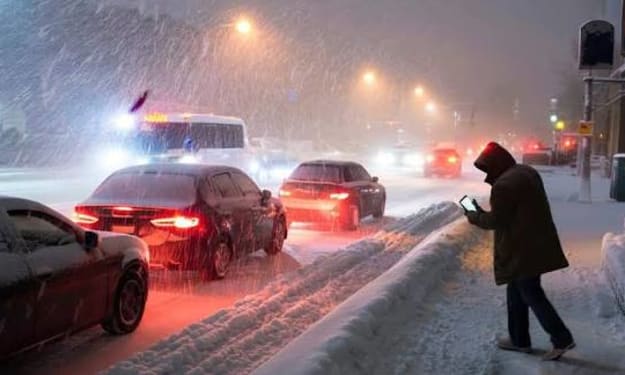
Meteorological authorities have officially confirmed that a powerful winter storm will begin bringing heavy snowfall late tonight, prompting widespread weather alerts and warnings of major disruption across several regions. Forecasters say the system is expected to intensify rapidly overnight, creating hazardous travel conditions, possible power outages, and significant delays to public transportation. The national weather service issued multiple advisories on Tuesday afternoon, urging residents to prepare for what could be one of the most disruptive snow events of the season. Snowfall rates of up to two inches per hour are possible in some areas, accompanied by strong winds that could lead to blizzard-like conditions. Storm System Strengthens Overnight According to meteorologists, the storm system is moving in from the northwest and will collide with a mass of cold air already settled over much of the region. This combination is expected to produce heavy, wet snow in lower elevations and lighter, powdery snowfall in higher areas. “The timing is particularly concerning because the heaviest snow is expected during the overnight and early morning hours,” said a senior forecaster. “That increases the risk of accidents during the morning commute and makes road treatment more difficult.” Snow is forecast to begin shortly before midnight, with accumulation accelerating through the early morning. Some regions could see between 8 and 14 inches of snow by midday tomorrow, while mountain communities may receive significantly more. Travel Disruptions and Road Closures Expected Transportation officials have warned that highways, secondary roads, and rural routes could become impassable. Snowplows and salt trucks have been placed on standby, and emergency response teams are preparing for a high volume of calls. Major airports have already announced the possibility of flight delays and cancellations, advising passengers to check their schedules before heading to terminals. Rail operators are also preparing for service disruptions due to icy tracks and reduced visibility. “Even well-treated roads can become dangerous very quickly under this kind of snowfall,” said a spokesperson for the transport authority. “We strongly recommend avoiding non-essential travel until conditions improve.” Local police departments are urging drivers to carry emergency kits, including blankets, food, and flashlights, in case vehicles become stranded. Schools and Businesses Prepare for Closures Several school districts have indicated that remote learning or delayed openings may be announced depending on overnight conditions. Universities and government offices are reviewing contingency plans as the storm approaches. Businesses in heavily affected areas are preparing for reduced staffing and possible temporary closures. Grocery stores reported increased demand for bread, milk, batteries, and heating supplies as residents stocked up in advance of the storm. “We saw a rush this afternoon,” said one store manager. “People remember what happened during the last storm and don’t want to be caught unprepared.” Risk of Power Outages Utility companies are warning that the combination of heavy snow and gusty winds could bring down power lines and tree branches. Crews have been placed on emergency schedules to respond quickly to outages. The risk is especially high in areas where snow is expected to be wet and heavy, placing additional strain on infrastructure. “We’re ready to respond, but restoration times may be longer if roads are blocked or visibility is poor,” a utility company statement said. Residents are being advised to charge electronic devices, prepare alternative heating options if safe, and keep flashlights and batteries accessible. Emergency Services on High Alert Hospitals and emergency responders are bracing for an increase in weather-related injuries, including slips and falls, car accidents, and exposure-related health issues. Officials are reminding people to check on elderly neighbors and those with medical conditions who may need assistance. Homeless shelters have expanded capacity in several cities to accommodate those seeking refuge from the cold. “This storm is not just an inconvenience—it can be life-threatening if people underestimate it,” said a spokesperson from the emergency management agency. Weather Alerts Remain in Effect Weather alerts will remain in place through tomorrow afternoon, with additional updates expected as the storm’s path becomes clearer. Forecasters caution that conditions could change rapidly and that snowfall totals may increase if the storm slows or intensifies further. Temperatures are expected to remain below freezing for much of the day tomorrow, increasing the risk of ice formation once the snow begins to melt and refreeze overnight. A Call for Caution Authorities are emphasizing preparation and patience. Residents are encouraged to stay indoors if possible, avoid unnecessary travel, and follow official guidance. “This is the kind of storm where small decisions can have big consequences,” said one emergency official. “If you don’t need to be on the roads, stay home.” While winter storms are not unusual, the scale and timing of this system have raised concerns about its potential impact on daily life. With heavy snow beginning late tonight, communities are bracing for a challenging day ahead. As crews prepare to clear roads and restore services, officials stress that public cooperation will be critical. The coming hours will test both infrastructure and individual readiness, with safety depending on careful planning and respect for the severity of the conditions. For now, the message from authorities is clear: prepare immediately, remain alert, and take the storm seriously.
By Fiaz Ahmed 17 days ago in Earth
Andrew Moves Out of Royal Lodge Home Early After Latest Epstein Files. AI-Generated.
Prince Andrew has moved out of Royal Lodge earlier than expected following renewed public scrutiny linked to the latest release of documents connected to Jeffrey Epstein, according to sources familiar with the matter. The Duke of York’s departure from the Windsor estate residence marks a significant personal and symbolic shift as pressure on the royal family intensifies amid fresh revelations. Royal Lodge, a sprawling 30-room mansion set within Windsor Great Park, has been Andrew’s home for more than two decades. Originally intended to remain his residence for several more years under a long-term lease, his accelerated move has drawn attention both within palace circles and among the public. A Decision Made Under Growing Pressure While Buckingham Palace has not formally confirmed the reason for the timing, insiders suggest the decision was influenced by mounting controversy surrounding newly unsealed court records in the United States connected to Epstein’s criminal network. Although Andrew has consistently denied any wrongdoing and is not charged with any crime, the renewed attention has revived uncomfortable questions about his past associations. “The atmosphere became untenable,” said one source close to royal household operations. “There was concern about optics and about minimizing further reputational damage to the monarchy.” The Duke has reportedly relocated to Frogmore Cottage, a smaller residence on the Windsor estate, previously occupied by Prince Harry and Meghan, the Duke and Duchess of Sussex. The move reflects both a downsizing and a strategic effort to distance Andrew from the grandeur associated with Royal Lodge. Financial and Logistical Factors Royal Lodge has long been costly to maintain, with reports suggesting millions of pounds are required annually for upkeep and security. As Andrew no longer carries out royal duties and lost public funding for security after stepping back from official life, questions have grown over whether he could afford to remain there. Palace officials have been under pressure to ensure that senior properties are reserved for working members of the royal family. The relocation allows the estate to be reassigned or potentially renovated for future use. “The monarchy is trying to balance tradition with accountability,” said a royal historian in London. “Andrew’s presence in such a prominent residence was increasingly difficult to justify.” Impact of the Epstein Files The newly released documents include testimonies and references involving several high-profile figures connected to Epstein. Andrew’s name has resurfaced in media coverage, despite his 2019 BBC interview and subsequent legal settlement with Virginia Giuffre in 2022, in which he denied the allegations made against him. Public reaction has been swift. Opinion polls suggest declining tolerance for Andrew’s continued association with royal privileges, and protest groups have renewed calls for greater transparency. Outside Windsor Castle, demonstrators held signs calling for the Duke’s complete removal from royal property. “The monarchy must show it understands public concern,” said one protester. “This move is only a first step.” The Royal Family’s Response King Charles III has made efforts to streamline the monarchy and reduce costs since ascending the throne. Sources indicate that Andrew’s early departure aligns with that broader strategy. Royal advisers believe that distancing the institution from controversy is essential as the King seeks to maintain public trust during a period marked by economic pressures and shifting attitudes toward the monarchy. “This is not about punishment,” said one palace source. “It’s about protecting the stability of the institution.” Andrew remains largely out of the public eye and is said to be living quietly with support from close family members, including his ex-wife Sarah, Duchess of York, who continues to reside nearby. Symbolism and Public Perception Royal Lodge has long symbolized Andrew’s status as the Queen’s second son and a former senior royal. His departure carries symbolic weight, signaling the end of an era in which he enjoyed the trappings of royal life despite stepping away from public duties. For critics, the move is overdue. For supporters, it represents a painful personal chapter for a man who insists on his innocence. “Whether fair or not, Andrew has become a lightning rod for controversy,” said a constitutional analyst. “Any step that reduces his visibility is seen as beneficial for the Crown.” What Comes Next The future of Royal Lodge remains uncertain. Some reports suggest it could be offered to another member of the royal family or repurposed for official functions. Renovations are likely before any new occupant moves in. Meanwhile, Andrew’s role within the royal household appears increasingly limited. He has not participated in public events and is unlikely to return to official duties. Legal experts note that while the Epstein files may not introduce new allegations against Andrew, their release has reinforced negative perceptions and prolonged scrutiny. “This is about reputation management as much as legality,” said a legal analyst. “The court of public opinion often moves faster than the courts themselves.” A Turning Point for the Monarchy Andrew’s early exit from Royal Lodge reflects a monarchy navigating modern expectations of accountability and transparency. The episode underscores how historical associations can resurface with lasting consequences, even years later. As the royal family seeks to modernize and maintain relevance, the handling of Andrew’s situation will remain a sensitive test of leadership and public trust. For now, the Duke of York’s quieter life away from Royal Lodge signals a deliberate step away from the spotlight—one shaped not by ceremony, but by controversy and caution. Whether this move will satisfy critics or simply mark another chapter in a long-running saga remains to be seen.
By Fiaz Ahmed 17 days ago in The Swamp
The Parade of Nations Is an Olympic Highlight. Italy Says, Let’s Have 4.. AI-Generated.
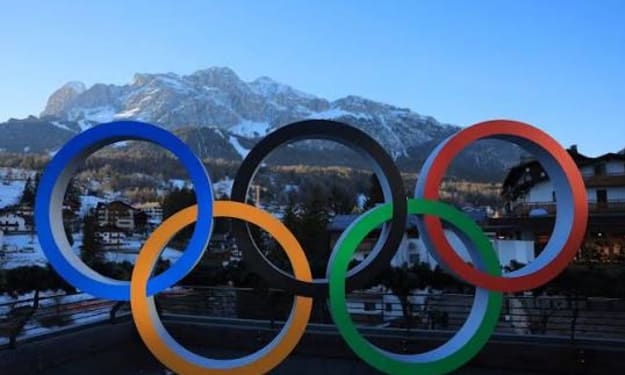
The Parade of Nations has long been one of the most beloved moments of every Olympic opening ceremony: athletes marching behind their national flags, waving to the world and officially launching the Games. For the Milan-Cortina Winter Olympics, Italy is preparing to rethink that tradition in an ambitious way. Instead of one parade, organizers plan to stage four separate parades across different host cities, reflecting the unique multi-venue structure of the 2026 Games. Italy’s proposal aims to celebrate the geographic and cultural diversity of the country while easing logistical pressures created by hosting events across northern Italy. The Winter Olympics will be split between Milan, Cortina d’Ampezzo, Verona, and Val di Fiemme, with competitions spread over hundreds of kilometers. Officials say a single massive opening ceremony no longer fits the reality of a decentralized Games. A New Format for a Classic Tradition The Parade of Nations typically takes place inside one stadium, with athletes from more than 90 countries marching together. For Milan-Cortina, organizers envision four synchronized ceremonies, each featuring a portion of the participating delegations. The events will be linked through live broadcasts and digital displays, creating what planners describe as “one opening ceremony in four chapters.” Each city will host a segment of the parade that highlights its regional identity. Milan’s ceremony is expected to focus on modern design and innovation, Cortina will emphasize alpine heritage, Verona will draw on its Roman and Renaissance history, and Val di Fiemme will showcase winter sports culture. “The Olympics are no longer confined to a single arena,” said one official involved in planning. “Our concept mirrors the reality of these Games — spread across regions but united in spirit.” Reducing Athlete Fatigue A key motivation behind the plan is athlete welfare. In past Olympics, competitors often waited hours to march in freezing temperatures or sit through lengthy ceremonies. Some athletes skipped the parade entirely to rest for upcoming events. With four ceremonies closer to competition venues, organizers hope athletes will be able to participate without long travel times or late-night schedules. Delegations will be assigned to the ceremony nearest their event locations. “This is a practical solution to a modern problem,” said a sports logistics expert in Rome. “Athletes want to experience the opening ceremony, but they also need sleep and recovery. Splitting the parade could improve both.” A Technical Challenge The proposal presents major technical hurdles. Broadcasting four ceremonies simultaneously will require precise coordination, advanced satellite links, and unified timing. Viewers worldwide must still feel they are watching one single global event rather than four separate shows. Italian broadcasters are reportedly working with international partners to ensure smooth transitions between cities, with shared music, countdowns, and symbolic moments such as the raising of the Olympic flag and the lighting of a central Olympic flame. There is also debate about whether the Olympic cauldron should be lit in one location or in four. Some designers are considering a main flame in Milan, accompanied by three smaller flames in the other cities. Mixed Reactions from the Olympic Community The International Olympic Committee (IOC) has welcomed the idea cautiously. Officials say they support innovation but stress that the unity of the Games must remain visible. “The Parade of Nations is a symbol of global togetherness,” said one IOC representative. “Any change must preserve that meaning.” Athletes have expressed curiosity and optimism. “It could be amazing to march in a place that reflects where you’re competing,” said an Italian alpine skier. “It makes the ceremony more personal.” However, some critics worry that splitting the parade may weaken the emotional impact of seeing all nations together in one space. The traditional image of a packed stadium filled with athletes from every corner of the world is considered iconic. “There is power in physical togetherness,” said a former Olympic organizer. “Four parades risk turning one powerful moment into several smaller ones.” Part of a Broader Olympic Shift The plan reflects a broader shift in how the Olympics are organized. Rising costs and public opposition to mega-stadium construction have pushed the IOC toward regional hosting models. Milan-Cortina is the first Winter Games to be formally designed as a multi-city event from the start. Italy’s experiment could shape future Olympics. If successful, it may encourage other host nations to rethink centralized ceremonies and explore regional participation. Environmental considerations also play a role. Fewer long-distance transfers of athletes and spectators could reduce the Games’ carbon footprint, a priority for both Italy and the IOC. Cultural Showcase on a National Scale Beyond logistics, Italy sees the four-parade format as a chance to present a richer cultural story. Each city will contribute music, architecture, and historical themes, offering a broader picture of Italian identity than a single stadium ceremony could provide. From Milan’s fashion and design legacy to Cortina’s alpine glamour, the ceremonies are expected to combine tradition with modern spectacle. A High-Risk, High-Reward Idea The success of the plan will depend on flawless execution. A fragmented ceremony could confuse audiences, but a well-coordinated event could redefine how the world experiences the Olympics. Italy’s gamble reflects a growing belief that the Games must evolve to remain relevant and sustainable. By transforming one of the Olympics’ most cherished traditions, the country hopes to show that unity does not require a single location — only a shared moment. Whether four parades will feel like one global celebration remains to be seen. But Italy’s bold approach has already ensured that the Parade of Nations will once again be one of the most closely watched elements of the Olympic opening ceremony.
By Fiaz Ahmed 17 days ago in Unbalanced
Germany News: 13 Million Living at Risk of Poverty. AI-Generated.
Germany, Europe’s largest economy and a symbol of postwar prosperity, is confronting a sobering reality: nearly 13 million people are now considered at risk of poverty, according to the latest figures released by national statistical authorities. The data highlights growing inequality in a country long associated with economic stability and a strong social safety net. The figures define those at risk of poverty as individuals earning less than 60 percent of the median national income. While Germany continues to post moderate economic growth, rising living costs and stagnating wages for many workers have pushed millions closer to financial insecurity. A Widening Gap Economists say the problem is not a sudden collapse but the result of years of structural pressures. Housing prices have soared in major cities such as Berlin, Munich and Hamburg, while energy and food costs surged following global supply disruptions and geopolitical tensions. “Germany has not experienced mass unemployment, but it has seen a sharp rise in the cost of basic necessities,” said Claudia Weber, a social policy analyst based in Frankfurt. “For low-income households, even small price increases translate into real hardship.” Single parents, pensioners, migrants and part-time workers are among the groups most affected. In some urban areas, more than one in five residents are classified as at risk of poverty. Working but Still Poor One of the most troubling trends is the rise of the “working poor.” Millions of Germans now hold jobs yet struggle to cover rent, utilities and food. Temporary contracts and part-time employment remain common in service industries, limiting financial security even for those who are officially employed. “I work full time, but I still have to choose between paying rent and buying new clothes for my children,” said Sabine Müller, a supermarket employee in Cologne. “It feels like I am always one unexpected bill away from disaster.” Trade unions argue that wage growth has failed to keep pace with inflation, especially in sectors such as retail, hospitality and care services. Regional Differences Poverty risk varies sharply across the country. Eastern German states continue to show higher rates than the west, reflecting long-standing disparities in income and employment opportunities. Rural areas also face challenges as young people migrate to cities, leaving behind aging populations with limited access to services. Large cities present a paradox: they offer jobs but also impose some of the highest living costs. Rent increases have outpaced salary growth, forcing many families into overcrowded housing or long commutes from distant suburbs. Pressure on the Welfare System Germany’s welfare system, designed to prevent extreme poverty, is under growing strain. Social benefits such as housing assistance and unemployment support have been adjusted in recent years, but critics say the increases have not matched inflation. Charities report rising demand for food banks and emergency aid. “We see more families every month who have never needed help before,” said a spokesperson for a Berlin-based relief organization. “These are not people who are unemployed. They are people whose income simply does not stretch far enough anymore.” Political Debate Intensifies The poverty figures have fueled political debate ahead of upcoming regional elections. Opposition parties accuse the government of focusing too much on fiscal discipline and not enough on social protection. Government officials acknowledge the challenge but emphasize recent reforms, including higher minimum wages and expanded child benefits. “We are investing in social cohesion,” said a spokesperson from the labor ministry. “But the global economic situation has made progress more difficult.” Still, many policy experts argue that deeper reforms are needed, including stronger rent controls, expanded public housing and targeted tax relief for low-income earners. Impact on Children Child poverty remains a particular concern. Roughly one in five children in Germany lives in a household at risk of poverty, according to social organizations. Educators warn that financial insecurity can limit access to extracurricular activities, healthy food and educational resources. “When children grow up worrying about money, it affects their learning and their future opportunities,” said Martina Klein, a school principal in Dortmund. “We see students arriving hungry or without basic supplies.” Long-term studies show that children raised in poverty are more likely to face unemployment and health problems later in life, reinforcing cycles of disadvantage. Looking Ahead Germany’s economic outlook remains uncertain. Slower growth, an aging population and continued global instability could make poverty reduction even more difficult in the coming years. Experts stress that the issue is not just about income but about dignity and inclusion. “A society can be wealthy on paper and still leave millions behind,” said Weber. “The real test is whether prosperity is shared.” For many Germans, the statistics reflect everyday experience: shrinking budgets, rising anxiety and a sense that the promise of stability is slipping away. While Germany remains one of Europe’s strongest economies, the growing number of people at risk of poverty serves as a warning sign that economic success alone does not guarantee social security. As policymakers debate solutions, the lives behind the numbers continue to tell a story of quiet struggle in a country often seen as immune to such problems. Whether Germany can reverse this trend will depend on how effectively it balances economic competitiveness with social responsibility in the years ahead.
By Fiaz Ahmed 17 days ago in The Swamp
China Warns Panama as Hong Kong Firm Contests Ruling on Canal Ports. AI-Generated.
China has issued a sharp warning to Panama after a Hong Kong-based company challenged a government ruling affecting its control of key ports near the Panama Canal, intensifying tensions over one of the world’s most strategically important shipping routes. The dispute centers on a long-standing concession held by a Hong Kong logistics firm that operates container terminals at both entrances of the canal — one on the Atlantic side and the other on the Pacific. Panamanian authorities recently announced a legal review of the contract, citing concerns over national security, transparency and compliance with updated port regulations. Beijing has responded by accusing Panama of politicizing commercial matters and undermining investor confidence, framing the case as part of growing international pressure on Chinese-linked companies operating critical infrastructure abroad. Strategic Waterway Under Scrutiny The Panama Canal handles roughly five percent of global maritime trade and is vital to supply chains linking Asia, the Americas and Europe. Control over port operations near the canal has long been viewed as strategically sensitive, particularly as rivalry between China and the United States intensifies. The Hong Kong firm has operated the ports for more than two decades, expanding capacity and investing billions of dollars in infrastructure. It argues that the Panamanian government’s move to review or potentially revoke its concession violates contractual obligations and international investment protections. In a statement, the company said it would contest the ruling in court and pursue arbitration if necessary. “We have complied with Panamanian law and fulfilled our investment commitments,” the firm said. “Any attempt to cancel or revise the concession on political grounds would harm Panama’s reputation as a reliable destination for foreign investment.” Beijing’s Warning China’s foreign ministry reacted forcefully, urging Panama to “provide a fair and non-discriminatory business environment” and warning against decisions influenced by external political pressure. “Economic cooperation should not be turned into a geopolitical tool,” a ministry spokesperson said. “China firmly opposes any actions that damage the legitimate rights of Chinese enterprises under the pretext of national security.” Though the firm is registered in Hong Kong and operates independently, Chinese officials have increasingly treated disputes involving Hong Kong-based companies as matters of national interest, particularly when they involve infrastructure tied to global trade. Analysts say Beijing fears the case could set a precedent for other countries to challenge Chinese-linked port investments under security arguments. Panama’s Position Panamanian officials insist the review is a legal and administrative matter rather than a political one. The government has launched an audit of several port concessions as part of a broader effort to ensure compliance with updated laws and transparency standards. “This is about sovereignty and legality,” said one senior official familiar with the process. “No company, foreign or domestic, is exempt from review when national infrastructure is involved.” The government has not yet announced whether it plans to cancel or renegotiate the contract but has said it will wait for the courts to rule on the matter. The dispute comes at a delicate time for Panama, which has sought to balance economic ties with China while maintaining close relations with the United States, the canal’s former administrator and still its largest user. U.S. Concerns in the Background Washington has long expressed unease about Chinese involvement in ports near the canal, warning that such control could give Beijing leverage over a critical chokepoint in global trade. Although no evidence has emerged of interference with canal operations, U.S. officials have urged Panama to ensure that port management remains transparent and secure. The latest dispute is likely to intensify diplomatic pressure on Panama from both sides. “This is a textbook example of great-power competition playing out in a smaller country,” said a regional security analyst. “Panama is being pulled between its economic interests and its strategic alliances.” Business Risks and Investor Confidence For the Hong Kong firm, the stakes are high. The ports represent one of its most profitable overseas operations and a flagship example of its global expansion strategy. Losing control of them would not only hit revenues but also damage its reputation as a stable international operator. Investors are watching closely. Panama has promoted itself for decades as a logistics hub with predictable rules and strong protections for foreign companies. A prolonged legal battle could raise questions about regulatory risk in the country. “If contracts can be revisited for political reasons, it creates uncertainty,” said an international trade lawyer based in Miami. “That uncertainty can deter future investment.” Broader Implications The case reflects a wider trend of governments reexamining foreign involvement in ports, power grids and telecommunications networks. From Europe to Southeast Asia, infrastructure once viewed purely as commercial is increasingly seen through a security lens. China has expanded its presence in ports across Latin America, Africa and Europe as part of its global trade strategy. While these investments are often welcomed for their economic benefits, they have also triggered fears about dependence on Chinese capital and influence. Panama’s decision could therefore resonate far beyond its borders, shaping how other nations approach similar contracts with Chinese-linked firms. What Comes Next The Hong Kong company’s legal challenge is expected to move through Panama’s courts in the coming months. If unsuccessful, arbitration under international investment treaties could follow, potentially dragging the dispute on for years. Meanwhile, diplomatic pressure is likely to grow. Beijing will continue to frame the issue as discrimination against Chinese business, while Panama seeks to assert its authority over strategic assets without alienating major partners. As the canal remains central to global trade and geopolitics, the outcome of this confrontation will be closely watched by governments, shipping companies and investors alike. What began as a contract dispute has now become a test of how commercial interests, national sovereignty and great-power rivalry intersect at one of the world’s most important maritime crossroads.
By Fiaz Ahmed 17 days ago in The Swamp
Ahead of the Winter Olympics, Milan Wins Gold in Gentrification. AI-Generated.
With less than two years until the Winter Olympics arrive in northern Italy, Milan is undergoing a transformation as dramatic as any athletic competition. New rail lines, luxury developments and polished public spaces are reshaping the city’s skyline. But as cranes rise and construction accelerates, critics say Milan is also winning an unintended “gold medal” in gentrification — displacing long-time residents and redefining entire neighborhoods in the name of global prestige. The 2026 Winter Olympics, jointly hosted by Milan and Cortina d’Ampezzo, were billed as a catalyst for sustainable growth and urban renewal. City officials promised improved infrastructure and economic opportunities. Yet for many locals, the benefits have come at a steep social cost. A City Remade for the World In districts such as Porta Romana and Scalo Farini, former industrial zones have been converted into sleek residential complexes, cultural venues and corporate offices. Olympic villages, once promoted as affordable housing for athletes and later for residents, are increasingly tied to private investors and high-end real estate projects. “Milan is becoming a city for tourists and executives, not for families,” said Elena Rossi, a community organizer in the Navigli area, where rents have surged by more than 30 percent in five years. “People who lived here for decades can no longer afford their own neighborhoods.” According to housing advocacy groups, property values around planned Olympic sites have climbed faster than in any other Italian city. Landlords are converting long-term rentals into short-term tourist accommodations in anticipation of the Games, further shrinking the supply of affordable housing. Infrastructure or Investment Opportunity? Supporters of the redevelopment argue that Milan is finally catching up to other global cities in terms of modern transport and urban design. New metro extensions, renovated train stations and pedestrian-friendly streets are widely praised by business leaders. “The Olympics give us the chance to modernize,” said a senior official from Milan’s urban planning department. “These projects would take decades without international investment and visibility.” But critics counter that modernization has become a code word for profit-driven development. Public funds earmarked for Olympic preparation have flowed into partnerships with real estate firms, creating what some activists call a “two-speed city” — one polished and wealthy, the other increasingly marginalized. Who Benefits? The neighborhoods closest to Olympic venues are seeing the sharpest changes. In Porta Romana, where the Olympic Village is being built on former rail yards, trendy cafes and luxury apartments have replaced workshops and small family businesses. Local shop owner Marco De Santis said his rent has doubled since plans were announced. “They tell us this is progress,” he said. “But progress for whom? My customers are disappearing, replaced by people who don’t live here, only pass through.” Students and migrant workers have been hit particularly hard. Milan already struggles with housing shortages due to its large university population. The Olympic construction boom has intensified competition for rooms and apartments, pushing many to move to distant suburbs. Lessons from Past Olympics Urban scholars note that Milan’s experience mirrors patterns seen in other Olympic host cities. From Barcelona to Rio de Janeiro, major sporting events have often triggered waves of redevelopment that benefit investors while displacing vulnerable residents. “The Olympics accelerate trends that are already underway,” said Professor Lucia Ferraro, an urban studies expert at Bocconi University. “Milan was already becoming more exclusive. The Games simply poured fuel on the fire.” Ferraro added that promises of long-term social housing frequently fall short once the event ends. Olympic villages are often sold to private developers rather than converted into affordable homes, despite early pledges. City Hall Defends Its Strategy Milan’s municipal government insists it is aware of the risks and is trying to balance growth with social responsibility. Officials point to new public housing projects and rent-control experiments aimed at easing pressure on low-income residents. “We are not blind to the challenges,” said Deputy Mayor for Urban Development Giulia Bianchi. “But refusing investment is not an option. The task is to guide it in a way that serves the whole city.” She acknowledged, however, that market forces are difficult to control once international attention turns to a city. “The Olympics create expectations. Investors arrive quickly, and regulation takes time.” A Cultural Shift Beyond economics, many residents say Milan’s identity is changing. Once known for its working-class neighborhoods and local markets, the city is increasingly shaped by luxury brands, corporate towers and short-term visitors. “You feel like a guest in your own home,” said retired teacher Paolo Mancini, who recently moved out of the Brera district after his landlord sold the building. “The soul of the city is being replaced by a postcard version of itself.” Street art collectives and grassroots groups have begun organizing protests and public discussions about the social cost of the Olympics. Their message is not opposition to sport, but concern over who gets to remain in the city once the spotlight fades. A Golden Future or a Divided City? As Milan races toward the Winter Olympics opening ceremony, the contrast between shiny new developments and growing social tension is becoming harder to ignore. The city may emerge with world-class infrastructure and global recognition, but it also risks becoming less livable for those who built its communities. The true legacy of the Games will not be measured only in medals or visitor numbers, critics argue, but in whether Milan can remain a city for its residents as well as for the world. For now, the cranes continue to rise, the streets grow more polished, and the price of belonging climbs higher. In the competition between global ambition and local life, Milan appears to be winning — but at a cost that many fear will last long after the Olympic flame is extinguished.
By Fiaz Ahmed 17 days ago in The Swamp
French Prosecutors Ask Appeal Court to Keep Ban on Marine Le Pen Running for Office. AI-Generated.
French prosecutors have formally requested that an appeals court uphold a ruling barring far-right leader Marine Le Pen from running for public office, a move that could dramatically reshape France’s political landscape ahead of future elections. The request follows a lower court decision that found Le Pen guilty of misuse of public funds linked to her party’s management of European Parliament resources. The ruling included a ban on holding or seeking public office, along with a suspended prison sentence and a substantial fine. Le Pen has denied wrongdoing and vowed to fight the verdict, calling it a politically motivated attempt to remove her from democratic competition. The Paris Court of Appeal is expected to consider the prosecutors’ submission in the coming months, with a final decision likely before France’s next major electoral cycle. A Case with Major Political Consequences Le Pen, the longtime leader of the National Rally party and a three-time presidential candidate, remains one of the most influential figures in French politics. Polls consistently place her or her party near the top in voter support, particularly among working-class and rural voters frustrated with inflation, immigration and public services. If the ban is upheld, Le Pen would be legally prevented from standing in any election, including a potential 2027 presidential run. Analysts say this would create an unprecedented vacuum on the French far right and force her party to accelerate its search for a successor. Prosecutors argued that the ban is justified by the seriousness of the offense and the need to protect public trust in political institutions. “This case concerns the misuse of European public funds over several years,” a judicial source said. “The sanction reflects the gravity of the breach and the importance of accountability for elected officials.” Allegations of Misuse of EU Funds The case centers on accusations that Le Pen and senior members of her party improperly used money allocated for European Parliament assistants to pay party staff in France. Investigators said the funds were diverted away from legitimate parliamentary work and instead supported the party’s national operations. Le Pen has consistently rejected the charges, saying the case involves administrative disagreements rather than fraud. “This is not justice, it is political warfare,” she said after the initial verdict. “They want to stop me from representing millions of French people who vote for us.” Her legal team has argued that the ruling violates democratic principles by excluding a major opposition figure from elections. They insist that any punishment should be limited to financial penalties rather than political disqualification. Prosecutors Push Back In their appeal submission, prosecutors countered that the ban is proportionate and necessary to deter abuse of public resources. “Public office requires exemplary conduct,” prosecutors wrote, according to court sources. “When that trust is broken, sanctions must be strong enough to restore confidence in democratic institutions.” They also rejected claims of political bias, noting that the judiciary operates independently and that similar penalties have been imposed in past corruption cases involving politicians from across the political spectrum. Legal experts say the appeal court will weigh both the legal basis of the conviction and the broader implications of barring a leading political figure from office. “This is not just a legal matter, it’s a constitutional and political one,” said a Paris-based constitutional lawyer. “The court must balance the rule of law with the democratic impact of its decision.” Reactions Across the Political Spectrum The case has sparked fierce debate in France. Supporters of Le Pen accuse the government and judiciary of trying to neutralize a popular opponent through the courts. They point to her strong polling numbers as evidence that the ruling undermines voters’ will. “This is an attack on democracy,” said Jordan Bardella, president of the National Rally party. “They cannot defeat us at the ballot box, so they try to defeat us in the courtroom.” Government officials have avoided direct comment on the case, stressing the independence of the judiciary. President Emmanuel Macron’s office reiterated that “the courts decide according to the law, not political convenience.” Opposition figures on the left and center have offered mixed reactions. Some welcomed the ruling as proof that no one is above the law. Others expressed concern that banning a major political leader could fuel distrust and conspiracy theories among voters. Impact on the Far Right If Le Pen is disqualified, attention will turn to Bardella, a rising figure within the party who has cultivated a more youthful and media-friendly image. While popular among younger supporters, he lacks Le Pen’s experience and national recognition. Political analysts say the party could struggle to maintain unity without its longtime figurehead. “Marine Le Pen is not just a candidate, she is the brand,” said one political strategist. “Removing her would force a redefinition of the far-right movement in France.” However, some observers believe the controversy could strengthen the National Rally by portraying it as a victim of elite institutions. “Martyrdom has historically benefited populist movements,” said a political scientist at Sciences Po. “This could energize their base rather than weaken it.” Awaiting the Court’s Decision The appeals court is not expected to rule immediately, but the prosecutors’ request ensures the case will remain at the center of political debate for months to come. For Le Pen, the stakes could not be higher. A confirmed ban would mark the end of her personal presidential ambitions after more than a decade of campaigning. For France, the outcome could reshape the 2027 election and redefine the boundaries between justice and politics. As the country watches the legal process unfold, the case highlights a fundamental tension in modern democracies: how to enforce accountability while preserving the right of voters to choose their leaders. Whether the court sides with prosecutors or overturns the ban, the decision is certain to leave a lasting impact on France’s political future.
By Fiaz Ahmed 17 days ago in The Swamp