Fiaz Ahmed
Bio
I am Fiaz Ahmed. I am a passionate writer. I love covering trending topics and breaking news. With a sharp eye for what’s happening around the world, and crafts timely and engaging stories that keep readers informed and updated.
Stories (1092)
Filter by community
Falling Birth Rate in France: “We May Be Witnessing a Period of Very Rapid and Highly Gendered Social Change”. AI-Generated.
Shifting roles, rising costs, and changing values reshape family life in France France has long stood out in Europe for maintaining a relatively strong birth rate. Generous family benefits, childcare support, and parental leave policies helped the country avoid the sharp population declines seen elsewhere. Today, however, that trend is changing. France’s birth rate is falling steadily, reaching some of its lowest levels in decades. Experts warn that this decline is not just a demographic issue. It may signal a deeper social transformation, one that is unfolding quickly and in ways that affect men and women differently. As one researcher put it, “We may be witnessing a period of very rapid and highly gendered social change.” A Clear Decline in Births Recent data shows that fewer children are being born in France each year. The average number of children per woman has dropped well below the level needed to maintain the population without immigration. This decline is happening despite policies designed to support families. While financial assistance and childcare options still exist, they no longer appear strong enough to offset economic pressure, lifestyle changes, and shifting expectations around work and family life. The trend raises concerns about France’s long-term workforce, economic growth, and pension system, all of which rely on a stable or growing population. Why Are Fewer Babies Being Born? There is no single reason behind France’s falling birth rate. Instead, several factors are working together. 1. Economic Pressure The cost of living has risen sharply in recent years. Housing, energy, food, and childcare expenses make parenthood feel financially risky, especially for young adults. Many couples delay having children until they feel secure, while others decide to have fewer children—or none at all. 2. Job Insecurity Temporary contracts, unstable employment, and competitive job markets make long-term planning difficult. For many people, especially younger adults, starting a family feels incompatible with uncertain careers. 3. Later Parenthood People are having children later in life. Higher education, career goals, and personal freedom often take priority in early adulthood. While delayed parenthood does not always reduce the total number of children, it increases the likelihood of having fewer children overall. A Highly Gendered Shift Experts describe France’s demographic change as “highly gendered” because it affects women and men differently. Women, in particular, face growing pressure to balance careers and family life. While gender equality has improved, many workplaces still expect long hours and constant availability. Motherhood often leads to career interruptions, slower promotions, or lower income over time. As a result, many women feel they must choose between professional success and having children. Some delay motherhood, while others decide against it entirely. Men are also affected, but in different ways. Traditional expectations around breadwinning remain strong, and economic instability makes some men feel unprepared to support a family. This can lead to postponed partnerships and delayed parenthood. Changing Attitudes Toward Family Beyond economics and work, social values are evolving. Marriage is no longer seen as a necessary step before having children. Some people prioritize personal fulfillment, travel, or creative goals over parenthood. Others question whether bringing children into a world facing climate change, conflict, and uncertainty is responsible. These attitudes do not mean people reject family life entirely. Instead, they reflect a broader rethinking of what adulthood and success look like in modern France. The Limits of Family Policy France’s family policies were once considered a model for Europe. However, experts now argue that financial incentives alone are no longer enough. Cash benefits may help with expenses, but they do not solve deeper issues such as: Lack of flexible work arrangements Career penalties linked to parenthood Unequal division of childcare and domestic labor Without addressing these structural problems, policies risk losing their effectiveness, especially for women who feel the burden of parenthood falls disproportionately on them. Long-Term Consequences A sustained low birth rate could reshape France in significant ways: An Aging Population – Fewer young people means a higher proportion of elderly citizens, increasing pressure on healthcare and pensions. Labor Shortages – Industries may struggle to find workers, affecting productivity and growth. Greater Reliance on Immigration – Immigration may become essential to maintain population size and economic stability. Social Transformation – Family structures, education systems, and community life may continue to evolve in response to demographic change. While these shifts are not necessarily negative, they require careful planning and open public debate. What Could Change the Trend? Experts suggest that reversing or stabilizing the birth rate would require a broader approach: Encouraging flexible work hours and remote work Promoting equal sharing of childcare between men and women Reducing career penalties linked to parenthood Improving access to affordable housing Supporting mental health and work-life balance Such measures focus less on persuading people to have children and more on making parenthood compatible with modern life. Conclusion France’s falling birth rate is more than a demographic statistic. It reflects rapid social change shaped by economics, gender roles, and evolving values. As experts note, this transformation is deeply gendered, affecting how women and men experience work, family, and responsibility. Whether France can adapt to this new reality will depend on its ability to rethink family policy, workplace culture, and social expectations. The challenge is not simply to raise birth numbers, but to create a society where choosing to have children does not come at the cost of equality, stability, or personal freedom.
By Fiaz Ahmed 24 days ago in The Swamp
Second Marriage Without First Wife’s Consent May Lead to Criminal Action: SC. AI-Generated.
Supreme Court ruling highlights consent, dignity, and legal responsibility in marital relationships Marriage in India is not only a personal bond but also a legal and social contract. Over the years, courts have repeatedly stressed the importance of equality, trust, and dignity within marriage. In a significant observation, the Supreme Court (SC) has stated that entering into a second marriage without the consent of the first wife may attract criminal action, depending on the facts of the case.
By Fiaz Ahmed 24 days ago in The Swamp
Pakistani Human Rights Lawyers Jailed for 17 Years Over Social Media Posts. AI-Generated.
A troubling verdict raises alarms about free speech, digital laws, and the shrinking space for dissent in Pakistan In a decision that has sent shockwaves through Pakistan’s legal and human rights communities, several prominent human rights lawyers have been sentenced to 17 years in prison over social media posts deemed unlawful by the courts. The ruling has sparked intense debate about freedom of expression, the use of cybercrime laws, and the growing risks faced by voices critical of state institutions. The case highlights a wider struggle unfolding in Pakistan, where digital platforms have become one of the last remaining spaces for political commentary, legal critique, and human rights advocacy. As courts hand down harsh sentences linked to online speech, many are asking where the line now stands between national security and basic civil liberties. Who Are the Lawyers and What Were They Accused Of? The convicted individuals are well-known human rights lawyers, some of whom have spent years defending political prisoners, journalists, and minority groups. According to court documents, the charges stemmed from posts shared on social media platforms, including commentary critical of state authorities and institutions. Prosecutors argued that the posts: Spread misinformation Undermined public order Encouraged hostility toward state bodies The defense, however, maintained that the posts fell squarely within the boundaries of peaceful political expression and legal critique, protected under both Pakistan’s constitution and international human rights commitments. Despite these arguments, the court ruled in favor of the prosecution, delivering sentences that collectively amount to 17 years of imprisonment, along with fines and restrictions on future public activity. The Role of Cybercrime Laws At the center of the case is Pakistan’s cybercrime legislation, particularly laws designed to regulate online speech. Originally introduced to curb online fraud, hate speech, and extremist propaganda, these laws have increasingly been used in cases involving journalists, activists, and legal professionals. Critics argue that the language of these laws is too broad and vague, allowing authorities wide discretion to interpret dissent as criminal behavior. Legal experts warn that when criticism of institutions is treated as a security threat, the law shifts from protection to punishment. Supporters of the ruling, on the other hand, claim that unchecked online speech can destabilize society and that the state has a duty to maintain order in the digital sphere. Reaction From Human Rights Groups The verdict has drawn swift condemnation from local and international human rights organizations. Many have described the sentences as excessive and dangerous, warning that they could set a precedent that discourages lawyers and activists from speaking out. Human rights advocates argue that: Lawyers must be free to criticize laws and institutions Social media is a legitimate platform for legal debate Punishing speech undermines judicial independence Several organizations have called for the convictions to be overturned on appeal, urging Pakistan to align its digital regulations with global human rights standards. Impact on Freedom of Expression This case goes beyond the fate of a few individuals. It sends a powerful message to anyone using social media to discuss politics, law, or governance. When trained legal professionals face long prison terms for online speech, ordinary citizens may feel even more vulnerable. The chilling effect is already visible. Activists report increased self-censorship, while lawyers and journalists are reconsidering how openly they express their views online. Critics say this environment weakens democratic accountability and reduces public trust in institutions. Supporters of strict enforcement argue that freedom of expression must come with responsibility, especially in a country facing political instability and security challenges. A Test for Pakistan’s Legal System Pakistan’s constitution guarantees freedom of speech, subject to reasonable restrictions. The key question raised by this case is whether the punishment fits within the idea of “reasonable.” Legal analysts note that imprisoning lawyers for extended periods over social media posts risks blurring the line between lawful regulation and political suppression. The case may now become a major test for higher courts, which are expected to review the convictions on appeal. The outcome of those appeals could shape Pakistan’s legal landscape for years to come, especially in relation to digital rights and professional freedom. The Global Context Around the world, governments are struggling to regulate online speech without violating human rights. Pakistan is not alone in facing this challenge. However, international observers stress that democratic societies must protect dissent, even when it is uncomfortable or critical. As digital platforms replace traditional forums for debate, the treatment of online expression has become a global benchmark for civil liberties. Pakistan’s handling of this case will likely remain under international scrutiny. Conclusion: More Than a Legal Case The jailing of Pakistani human rights lawyers over social media posts is more than a courtroom decision—it is a reflection of the country’s ongoing tension between control and freedom. For supporters of the ruling, it represents the enforcement of law and order. For critics, it marks a dangerous narrowing of democratic space. As appeals move forward and public debate continues, one thing is clear: the case has reignited an urgent conversation about free speech, the power of the state, and the role of lawyers as defenders of rights in the digital age. The direction Pakistan chooses next will say much about its commitment to justice, accountability, and the voices that dare to speak online.
By Fiaz Ahmed 24 days ago in The Swamp
France and Rafale Lose €3.2 Billion Deal After Last-Minute U-Turn. AI-Generated.
A sudden reversal shakes Europe’s defense industry and raises questions about trust, geopolitics, and competition in global arms markets France’s defense industry faced a sharp setback after a €3.2 billion Rafale fighter jet deal collapsed at the final stage, following a dramatic last-minute reversal by the purchasing country. The decision not only hit French defense manufacturer Dassault Aviation, but also sent ripples through Europe’s broader aerospace and security sector. The Rafale jet, long promoted as a symbol of French technological independence and military excellence, has enjoyed strong export success in recent years. However, this sudden U-turn highlights how defense contracts are rarely decided by technology alone. Politics, alliances, and shifting strategic interests often play a decisive role. What Was the Rafale Deal About? The now-cancelled agreement was expected to involve the sale of multiple Rafale multirole fighter jets, along with training, maintenance, weapons systems, and long-term support packages. Together, these elements pushed the deal’s value to €3.2 billion, making it one of France’s most significant defense exports in recent memory. For France, the contract promised: Thousands of high-skill jobs Long-term industrial activity Stronger diplomatic and military ties with the buyer For the purchasing country, the Rafale offered a combat-proven aircraft capable of air superiority, ground attack, reconnaissance, and nuclear deterrence missions. Yet despite months—or even years—of negotiations, the deal unraveled at the very end. Why the Last-Minute U-Turn Happened Officials have not publicly disclosed all the reasons behind the sudden reversal, but defense analysts point to several likely factors. 1. Political Pressure and Alliances Defense purchases often reflect geopolitical alignment. A country may face pressure from powerful allies to buy equipment from specific suppliers, especially when security partnerships or military aid are involved. 2. Competition from Rival Manufacturers The Rafale competes with major platforms such as: The US-made F-35 Eurofighter Typhoon Advanced systems from emerging defense exporters In some cases, rival offers include political incentives, financing options, or security guarantees that go beyond the aircraft itself. 3. Budget and Economic Concerns A change in government, economic outlook, or military priorities can force decision-makers to reassess major spending commitments, even at the last moment. Impact on France and Dassault Aviation The collapse of the €3.2 billion deal is a financial and reputational blow. Economic Consequences Loss of expected revenue Delays or adjustments in production schedules Pressure on subcontractors across France and Europe France’s defense industry supports tens of thousands of jobs, and major export contracts help keep unit costs lower for France’s own military. Strategic Setback France has long positioned the Rafale as a sovereign alternative to US defense systems. Losing such a high-profile deal raises concerns about Europe’s ability to compete independently in global arms markets. What This Means for the Global Arms Market The failed Rafale deal illustrates how volatile and political defense sales have become. Trust and Reliability Issues When a deal collapses at the final stage, it can: Make exporters more cautious Increase demands for guarantees Complicate future negotiations Rising Geopolitical Influence Arms sales are increasingly used as tools of diplomacy. Countries are not just buying aircraft—they are choosing long-term strategic partners. Growing Competition Defense manufacturers must now offer: Technology transfers Local production Training and industrial partnerships not just advanced weapons France’s Response and Next Steps French officials have sought to downplay the long-term damage, pointing to Rafale’s continued success in other regions. In recent years, the jet has secured major contracts in Asia, the Middle East, and Europe. France is expected to: Pursue new export opportunities Strengthen industrial cooperation with allies Continue upgrading Rafale systems to stay competitive Dassault Aviation has also emphasized that interest in the Rafale remains strong, despite the setback. A Broader Lesson for Europe Beyond France, the failed deal raises questions for Europe’s defense strategy as a whole. If European manufacturers cannot rely on political unity or stable partnerships, they may struggle to compete against larger defense exporters backed by massive military alliances. The episode underscores the need for: Stronger European defense cooperation Clearer export strategies Long-term political consistency Conclusion: More Than Just a Lost Contract The loss of the €3.2 billion Rafale deal is not simply a commercial disappointment. It is a reminder that modern defense agreements sit at the crossroads of politics, economics, and security. For France, the challenge now is to turn this setback into a lesson, reinforcing its role as a reliable defense partner while navigating an increasingly complex global landscape. As defense markets grow more competitive and politicized, even the most advanced aircraft can fall victim to forces far beyond the runway.
By Fiaz Ahmed 24 days ago in The Swamp
Meet the K-222: The Fastest Nuclear Submarine in History, Capable of Exceeding 80 km/h. AI-Generated.
How a Soviet marvel redefined underwater speed and naval engineering In the world of submarines, speed is rarely the headline feature. Most submarines prioritize stealth, endurance, and firepower over raw velocity. Yet one vessel stands out as an exception: the K-222, a Soviet nuclear-powered submarine that holds the record as the fastest in history, reportedly capable of exceeding 80 kilometers per hour (around 43 knots).
By Fiaz Ahmed 24 days ago in Longevity
United Arab Emirates Plans to Bankroll First ‘Planned Community’ in South Gaza. AI-Generated.
Ambitious project aims to transform urban living and boost regional development The United Arab Emirates (UAE) has announced plans to finance the creation of the first planned community in southern Gaza, signaling a significant investment in infrastructure, housing, and regional development. This initiative represents an ambitious effort to rebuild and modernize urban life in one of the world’s most densely populated and conflict-affected regions. While the project promises new homes, services, and economic opportunities, it also faces challenges related to logistics, security, and long-term sustainability. What Is a Planned Community? A planned community is a carefully designed urban area, created with the goal of balancing residential, commercial, and recreational spaces. Unlike informal neighborhoods that develop organically, planned communities offer: Structured Urban Design – Streets, parks, and public spaces are laid out with precision. Integrated Infrastructure – Reliable access to electricity, water, sewage, and transportation. Community Services – Schools, clinics, markets, and recreational areas are included from the start. Economic Opportunities – Dedicated spaces for businesses and employment help stimulate local economies. In Gaza, where population density is extremely high and resources are limited, a planned community could serve as a model for sustainable urban development. The UAE’s Role The UAE, already known for supporting development projects across the Middle East, is providing both financial backing and technical expertise for the Gaza initiative. Officials from the UAE and Palestinian authorities have outlined plans to: Fund construction of residential and commercial areas Introduce modern infrastructure for water, power, and transport Support local workforce development, creating jobs during and after construction Promote long-term sustainability, including environmentally friendly building practices By taking on this project, the UAE demonstrates its commitment to humanitarian aid and regional development, while also strengthening diplomatic and economic ties with Palestine. Potential Benefits for Gaza The planned community could bring a range of positive changes for residents and the broader region: Improved Housing Conditions – Modern, safe, and functional homes could replace overcrowded or damaged structures. Enhanced Public Services – Schools, hospitals, and community centers improve quality of life. Job Creation – Construction and service sectors provide employment opportunities for local residents. Urban Planning Model – Could serve as a blueprint for future projects across Gaza. Economic Development – Planned commercial zones may attract businesses and investors, boosting local economies. In essence, the project aims to balance humanitarian needs with long-term economic and social development, rather than just providing temporary relief. Challenges Ahead While the UAE’s initiative is ambitious, there are several challenges to its success: Security Risks – Gaza has faced decades of conflict, which could affect construction and long-term stability. Resource Limitations – Ensuring sufficient water, electricity, and building materials may be difficult. Coordination and Governance – Effective management is needed to align international support with local needs. Community Acceptance – Residents must adapt to new urban layouts and integrate with planned systems. Experts emphasize that while planned communities can bring major benefits, careful planning and cooperation with local authorities are essential to avoid delays or setbacks. International and Regional Implications The UAE’s project could have broader significance beyond Gaza: Diplomatic Significance – By funding the community, the UAE strengthens its role as a regional actor committed to development and peace-building. Humanitarian Model – The project may serve as a template for post-conflict reconstruction in other regions. Economic Cooperation – Enhancing Gaza’s infrastructure may facilitate trade, investment, and regional integration. Political Messaging – Demonstrates that development initiatives can coexist with broader diplomatic efforts in the Middle East. Regional observers note that this initiative could shift perceptions of Gaza’s future, focusing on growth and stability rather than solely on conflict. Voices From Gaza Local residents have expressed cautious optimism about the project: Some welcome the promise of safer housing and jobs, hoping it will improve daily life. Others stress the need for transparency, ensuring that the community serves ordinary citizens rather than only elite or political interests. Community leaders highlight the importance of ongoing consultation, so the project reflects local needs and culture. The success of the planned community will depend on active engagement between the UAE, local authorities, and residents. Looking Ahead If successful, the UAE-backed planned community in southern Gaza could become a landmark project in urban development. By combining modern infrastructure, community services, and economic opportunities, it has the potential to transform lives and set a new standard for development in the region. The project also illustrates how strategic international support can complement local initiatives, demonstrating that carefully designed urban planning can be a powerful tool for humanitarian and economic progress. Conclusion The UAE’s decision to bankroll the first planned community in southern Gaza represents a bold step toward sustainable development in a challenging region. By combining financial support, technical expertise, and a long-term vision, the project aims to create homes, services, and opportunities for thousands of residents. While challenges remain, including security and resource constraints, the initiative offers hope for a future where urban planning, economic development, and humanitarian goals intersect. For Gaza, this could mark the beginning of a new chapter in rebuilding, growth, and resilience.
By Fiaz Ahmed 25 days ago in The Swamp
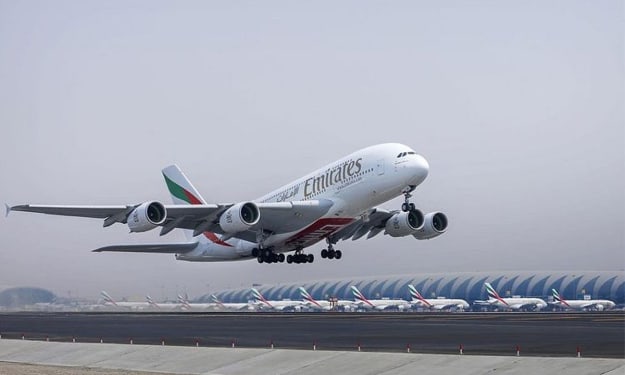
Emirates Cancels Dubai–US Flights Amid Heavy Snow and Severe Weather. AI-Generated.
Safety concerns force airline to halt transcontinental routes Emirates Airlines has announced the cancellation of several flights between Dubai and the United States due to heavy snow and severe winter weather affecting multiple US airports. The airline emphasized that passenger safety is the top priority, and the decision comes as a precautionary measure amid worsening conditions. The cancellations have impacted travelers on routes including New York, Chicago, and Boston, creating disruptions for business and leisure passengers alike. While Emirates works to reschedule flights and accommodate affected travelers, weather-related challenges continue to complicate transcontinental travel. Severe Weather Hits the US The United States is currently experiencing extreme winter weather, with heavy snowfall, strong winds, and icy conditions reported across the Northeast and Midwest. Airports are facing delays, cancellations, and operational difficulties as crews work to clear runways and ensure passenger safety. Meteorologists warn that the storm may continue for several days, with some regions expecting snowfall totals exceeding 20 inches (50 cm). Travel authorities advise passengers to check flight statuses, monitor weather alerts, and plan for delays. Emirates’ Response Emirates has issued an official statement noting that: Safety remains the highest priority for passengers and crew. Flights impacted by the storm have been temporarily canceled or rescheduled. Affected travelers will be offered alternate flights, refunds, or accommodations as needed. The airline continues to monitor weather developments closely to minimize disruption. The airline’s customer service teams are working around the clock to assist passengers with travel adjustments, while airport staff coordinate with air traffic authorities to manage arrivals and departures safely. Impact on Travelers For passengers, the cancellations present several challenges: Delayed Travel Plans – Business meetings, vacations, and personal schedules may be disrupted. Accommodation Needs – Some travelers may require hotels or temporary lodging while waiting for rescheduled flights. Financial Concerns – Unexpected cancellations can lead to additional costs for transportation, meals, and accommodation. Travel Anxiety – Uncertainty around flight schedules adds stress and emotional strain for passengers. Experts recommend that travelers affected by flight disruptions contact the airline directly, monitor official flight updates, and avoid traveling to airports during severe storms. Airline Safety Protocols Airlines like Emirates follow strict safety protocols during severe weather: Pre-flight Assessment – Pilots and operations teams evaluate conditions to determine if flights can depart safely. Weather Monitoring – Constant tracking of snow, wind, visibility, and runway conditions. Ground Crew Operations – Runways, taxiways, and aircraft are cleared of snow and ice to prevent accidents. Passenger Safety Measures – Instructions are provided for boarding, deboarding, and in-flight safety during turbulence or adverse weather. These measures ensure that passengers and crew remain protected, even if travel is delayed. The Broader Aviation Context Severe winter storms are a major challenge for international airlines, particularly for long-haul flights. Factors affecting operations include: Airport Closures – Heavy snow and ice can lead to temporary airport shutdowns. Air Traffic Congestion – Delayed flights create a domino effect, affecting arrivals and departures globally. Aircraft Safety Checks – Icy conditions require de-icing procedures that take extra time. Crew Scheduling – Staff availability may be limited due to delays and weather-related restrictions. Experts emphasize that preemptive flight cancellations are often safer than attempting to operate during extreme conditions, even if it causes inconvenience. Advice for Travelers Passengers planning to fly on Dubai–US routes during the storm should: Check Flight Status Frequently – Use Emirates’ official website, app, or customer service hotline. Allow Extra Travel Time – Airport check-ins and security lines may take longer than usual. Stay Informed About Local Conditions – Weather updates can indicate whether airports are operational. Prepare for Delays – Pack essentials, including snacks, medications, and warm clothing, in case of extended waits. Consider Travel Insurance – Provides financial protection in case of cancellations or extended delays. By taking proactive steps, travelers can reduce stress and adapt to changes while waiting for safe flights. Looking Ahead Meteorologists predict that the storm will gradually move eastward, allowing airports to resume normal operations over the next several days. Airlines, including Emirates, are closely coordinating with air traffic control and local authorities to restore service safely. While winter weather may temporarily disrupt transcontinental flights, the airline emphasizes that passenger safety always comes first, and operations will resume once conditions permit. Conclusion The cancellation of Dubai–US flights by Emirates amid heavy snow and severe weather underscores the importance of safety in air travel. While passengers face inconvenience and delays, the airline’s decision reflects responsible risk management in the face of extreme conditions. By prioritizing safety, following strict protocols, and keeping travelers informed, Emirates demonstrates how airlines navigate the challenges of winter storms while maintaining global connectivity. Passengers are advised to remain patient, monitor updates, and plan for delays as the weather gradually improves.
By Fiaz Ahmed 25 days ago in The Swamp
Suspected Russia ‘Shadow Fleet’ Tanker Bound for French Port. AI-Generated.
European authorities monitor unusual maritime activity European authorities are closely watching a suspected Russian “shadow fleet” tanker reportedly heading toward a French port. The vessel, part of a network of ships operating under opaque ownership and registration structures, has raised concerns among maritime regulators and security officials about the transportation of oil and fuel amid sanctions and geopolitical tensions. The term “shadow fleet” refers to vessels that often operate in secrecy, bypassing standard reporting procedures, or employing flags of convenience to obscure their activities. In this case, the tanker’s destination in France has prompted questions about compliance with international sanctions and energy security. What Is the Shadow Fleet? Russia’s so-called shadow fleet consists of oil and fuel tankers that often operate under hidden or misleading identities. These vessels can: Change names, flags, or identification numbers to avoid detection Navigate through sanctioned regions or restricted waters Transport oil or fuel to countries that may circumvent international restrictions The network has drawn international attention because it challenges sanctions enforcement and complicates maritime monitoring efforts. European Response French and European authorities are monitoring the tanker using radar tracking, satellite imagery, and maritime intelligence networks. Officials emphasize that: Safety and Security – Authorities must ensure the vessel poses no threat to port infrastructure or the environment. Compliance Checks – Customs and port officials are prepared to inspect cargo and verify documentation upon arrival. International Cooperation – Coordination with NATO partners, the European Union, and maritime agencies ensures transparency and enforcement of sanctions. The situation highlights the complexity of enforcing sanctions when vessels operate under opaque conditions and underscores the need for advanced monitoring technologies. Why the French Port Is Significant The French port in question is a major hub for fuel imports and energy distribution in Europe. The arrival of a suspected shadow fleet tanker raises several issues: Energy Security – Ensuring that fuel entering Europe complies with sanctions and safety regulations. Environmental Concerns – Tankers carrying oil present a risk of spills and ecological damage, particularly in sensitive port areas. Diplomatic Implications – The docking of a vessel linked to Russia’s shadow fleet could influence relations between France, the EU, and the United States. Authorities must carefully balance economic, environmental, and political considerations in handling the tanker. The Shadow Fleet and Sanctions Evasion Analysts note that shadow fleet vessels are often used to circumvent international sanctions, particularly on Russian oil. Techniques may include: Ship-to-Ship Transfers – Transferring cargo at sea to obscure origin and ownership. Re-Flagging – Changing the ship’s registration to a country with less strict maritime enforcement. False Documentation – Mislabeling cargo or providing incomplete paperwork to evade inspection. These practices make enforcement challenging for port authorities, requiring close coordination with international monitoring organizations. Global Implications The movement of shadow fleet tankers has implications for global trade, energy markets, and geopolitical stability: Energy Prices – Any disruption in the monitoring or inspection of fuel shipments can influence regional energy costs. Sanctions Effectiveness – Shadow fleets test the strength and enforcement of international sanctions. Maritime Security – Unregulated vessel movements can increase the risk of accidents, spills, or conflicts in international waters. European authorities’ vigilance is crucial for maintaining transparency and stability in energy imports. Expert Opinions Maritime security analysts stress that the tanker’s arrival serves as a reminder of the complexity of modern shipping networks: Dr. Elena Morozov, a European energy analyst, noted, “Shadow fleets are not just about evading sanctions—they’re about creating uncertainty in global energy markets.” Captain Jean-Luc Martin, a retired naval officer, added, “Ports must remain vigilant. Even a single tanker can pose serious environmental and security challenges if not properly monitored.” The combination of intelligence monitoring, inspections, and international cooperation is key to managing the risks associated with shadow fleet operations. Next Steps French port authorities are expected to inspect the tanker thoroughly upon arrival, verifying cargo manifests, ownership details, and compliance with EU sanctions. Depending on the findings, the vessel may: Be allowed to offload if all documentation and cargo comply with regulations. Face detainment or fines if any discrepancies are discovered. Trigger further diplomatic consultations with EU and NATO partners if violations are suspected. The situation will be closely watched by energy markets, international regulators, and geopolitical analysts over the coming days. Conclusion The suspected Russia shadow fleet tanker bound for a French port underscores the challenges of modern maritime security and sanctions enforcement. With opaque ownership, potential sanctions evasion, and environmental risks, authorities must navigate a complex intersection of safety, diplomacy, and commerce. As Europe continues to monitor maritime activity closely, this incident highlights the importance of intelligence, regulation, and international cooperation in maintaining the security and integrity of global energy supplies.
By Fiaz Ahmed 25 days ago in The Swamp
Mark Carney Takes On Donald Trump and Emerges as a Global Political Star. AI-Generated.
How a former central banker became a voice on the world stage Mark Carney, the former Governor of the Bank of England and former Governor of the Bank of Canada, has become a global political figure after taking a high-profile stance against former U.S. President Donald Trump. Once primarily known for his expertise in finance and central banking, Carney has leveraged his credibility to shape political and economic debates worldwide. Carney’s rise demonstrates how individuals with financial expertise and international influence can step into the political spotlight, influencing both policy and public opinion. The Clash with Donald Trump Carney publicly criticized Donald Trump on multiple occasions, particularly regarding climate policy, fiscal responsibility, and global economic stability. In one notable instance, Carney highlighted the risks of disregarding climate change and sustainability in economic planning, directly challenging Trump’s approach to environmental regulations and energy policy. This confrontation was unusual because Carney had traditionally avoided partisan politics, focusing instead on economic stability and financial oversight. By speaking out, he positioned himself as a thought leader with moral and professional authority, which garnered global attention. Why Carney’s Voice Matters Several factors have contributed to Carney’s emergence as a political star: Credibility and Expertise – As a former central banker, Carney commands respect in economic, financial, and policy circles. Global Perspective – Having served in Canada, the UK, and international financial forums, he brings a worldwide perspective to issues. Moral Authority – Carney combines data-driven analysis with ethical considerations, particularly on climate change and sustainable finance. Public Communication – His speeches, interviews, and public appearances are clear, persuasive, and widely covered by media. Carney’s interventions have helped shape debates on financial regulations, climate risk, and global economic strategy, giving him influence beyond traditional central banking roles. From Banker to Political Figure Mark Carney’s career path illustrates how finance professionals can transition into global political roles: Bank of Canada (2008–2013) – Carney guided Canada through the global financial crisis, gaining a reputation for decisive leadership and economic foresight. Bank of England (2013–2020) – He managed the UK economy during periods of post-Brexit uncertainty, reinforcing his international profile. International Advocacy – Carney has championed green finance, sustainable investment, and climate disclosure, engaging governments, businesses, and international organizations. These experiences provided Carney with both the authority and platform to speak on political and global issues, including publicly challenging leaders like Donald Trump. Carney and the Climate Debate One of Carney’s most influential arenas has been climate finance. He has emphasized that climate change is not just an environmental concern but a financial and economic risk. Carney’s key contributions include: Advocating for mandatory climate risk disclosures for companies and investors Urging governments to align financial policies with environmental sustainability Highlighting the economic dangers of ignoring climate change, from stranded assets to global instability By framing climate change in terms of economic consequences, Carney has appealed to a wide audience, including policymakers, investors, and the general public. This approach has enhanced his political influence globally. Impact of Taking On Trump Carney’s public critique of Donald Trump further elevated his profile: Global Media Coverage – Interviews, articles, and news segments amplified Carney’s voice worldwide. Public Recognition – He became known not just as a banker but as a policy influencer and political commentator. Policy Influence – Carney’s warnings about economic risks tied to political decisions resonated with governments, regulators, and international institutions. By taking a principled stand, Carney demonstrated that experts in finance can shape political discourse, particularly when their messages intersect with public interest and global challenges. Lessons From Carney’s Rise Carney’s emergence as a political star offers several lessons: Expertise Builds Authority – Deep knowledge in a technical field can provide credibility in broader political debates. Global Experience Matters – Working across countries and institutions enhances perspective and influence. Moral Leadership Resonates – Taking principled positions on critical issues, such as climate change, can amplify influence beyond traditional roles. Communication Is Key – Clear, persuasive, and accessible messaging is essential for connecting with diverse audiences. In short, Carney’s trajectory shows how professionals with global expertise can evolve into influential voices in politics and policy. Looking Ahead Mark Carney’s involvement in political and economic debates is likely to continue. Analysts predict he will play a leading role in global finance, climate policy, and international economic cooperation. His rise also demonstrates a broader trend: technocrats and experts are increasingly shaping political conversations, especially on issues like sustainability, financial stability, and global governance. Carney’s voice serves as a reminder that knowledge, credibility, and moral courage can elevate individuals to global prominence. Conclusion Mark Carney’s challenge to Donald Trump has transformed him from a respected banker into a global political star. By leveraging his expertise, credibility, and principled stance on critical issues like climate change, Carney has become a voice that influences both policy and public discourse. His journey highlights how experts in finance and governance can step into political arenas, shaping debates on global economic stability, sustainability, and leadership. In an increasingly interconnected world, figures like Carney show that knowledge and integrity can create influence far beyond traditional roles, inspiring a new generation of global thought leaders.
By Fiaz Ahmed 25 days ago in The Swamp
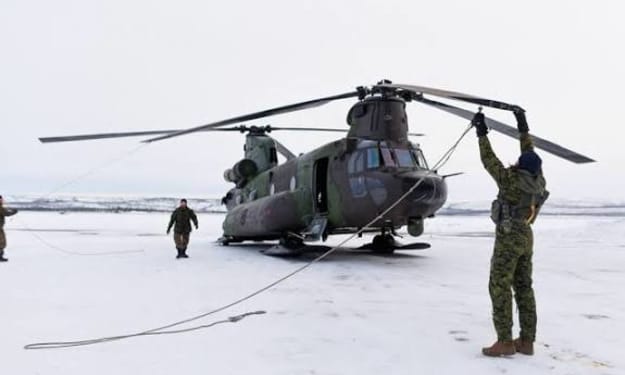
Stuck Between the US and Russia, Canada Must Prove It Can Defend Its Arctic Territory. AI-Generated.
Strategic pressure mounts as global powers eye the Arctic Canada finds itself at a critical juncture, navigating between the influence of the United States and Russia while facing mounting pressure to defend its Arctic territory. The region, long remote and sparsely populated, has become geopolitically significant due to melting ice, natural resources, and new shipping routes.
By Fiaz Ahmed 25 days ago in The Swamp
Russian Airstrikes Pound Ukraine Amid US-Brokered Peace Talks in Abu Dhabi. AI-Generated.
Tensions rise as diplomatic efforts continue Ukraine is facing renewed military pressure as Russian airstrikes target key cities and infrastructure, coinciding with ongoing US-brokered peace talks in Abu Dhabi. Despite diplomatic efforts to reduce hostilities, the violence on the ground highlights the challenges of negotiating an end to the conflict. The strikes have caused significant damage to residential areas, transportation networks, and industrial facilities, putting civilians at risk and disrupting daily life across affected regions. The Context of the Airstrikes Russian forces have intensified their aerial operations in recent weeks, targeting areas with strategic and economic significance. Analysts suggest the timing of the attacks may be intended to pressure Ukrainian negotiators during the peace talks. While diplomats gather in Abu Dhabi to discuss potential ceasefires and humanitarian corridors, the violence in Ukraine continues unabated, emphasizing the complexity of achieving a resolution. Impact on Civilians and Infrastructure The airstrikes have had devastating effects on the population: Loss of Life and Injuries – Reports indicate that civilians have been killed or injured, prompting urgent calls for international humanitarian support. Displacement – Thousands of residents are fleeing affected cities, seeking shelter in safer areas, including temporary accommodations in neighboring regions. Damage to Infrastructure – Power plants, water supplies, and hospitals have been affected, creating long-term challenges for essential services. Psychological Toll – The constant threat of airstrikes adds stress and fear, particularly among children and the elderly. Humanitarian organizations are coordinating relief efforts, but access to conflict zones remains extremely challenging due to ongoing military activity. The US-Brokered Peace Talks In Abu Dhabi, diplomats from Ukraine, Russia, and the United States are engaged in discussions aimed at reducing hostilities and opening channels for negotiations. Key topics include: Ceasefire agreements in specific regions Humanitarian corridors for civilians and aid delivery Steps toward broader diplomatic solutions to end the conflict Despite these efforts, analysts caution that progress is likely to be slow, as military actions on the ground continue to complicate trust and negotiation. Why Attacks Continue During Talks Several reasons explain why airstrikes persist even while diplomatic negotiations are underway: Leverage in Negotiations – Military pressure can be used as a bargaining tool to influence concessions. Ongoing Strategic Objectives – Both sides continue operations to secure key territory and resources, regardless of diplomacy. Limited Enforcement of Agreements – Without a binding ceasefire in place, airstrikes and other military actions can continue. Experts warn that violence during negotiations is not unusual, but it underscores the urgent need for international monitoring and protection of civilians. Global Reactions and Concerns The international community has expressed deep concern about the ongoing attacks: United Nations – Urging immediate protection of civilians and access for humanitarian aid. European Union – Condemning the violence and calling for uninterrupted diplomatic engagement. United States – Coordinating the peace talks while continuing support for Ukraine’s defense and humanitarian needs. The continuation of airstrikes during negotiations has also sparked debates over accountability, the enforcement of international law, and the effectiveness of diplomacy under active conflict conditions. Humanitarian Challenges Aid organizations are facing significant obstacles: Blocked or damaged supply routes hinder the delivery of food, medicine, and emergency equipment. Displacement of civilians creates a need for shelters, medical care, and social support. Psychological support is critical for individuals traumatized by repeated attacks. International cooperation is crucial to ensure that relief reaches those most in need, even as the security situation remains unstable. Looking Ahead The situation in Ukraine remains fluid and unpredictable. While peace talks provide hope for a reduction in hostilities, the reality on the ground suggests that negotiations will be complicated and protracted. Experts suggest several possible scenarios: Temporary Ceasefire – Short-term agreements may allow aid delivery and reduce civilian casualties. Escalation – Continued airstrikes could prolong conflict and deepen humanitarian crises. Diplomatic Breakthrough – Rare but possible, resulting in lasting agreements that pave the way for peace. Regardless of the outcome, coordination between international actors, continued diplomatic pressure, and humanitarian support remain essential. Conclusion The airstrikes in Ukraine amid US-brokered peace talks in Abu Dhabi illustrate the complex interplay between military action and diplomacy. Civilians continue to bear the brunt of violence, highlighting the urgent need for protective measures, humanitarian aid, and international engagement. While hope exists that diplomacy can eventually reduce hostilities, the conflict serves as a stark reminder of how negotiation and warfare can coexist, making the path to peace both delicate and challenging.
By Fiaz Ahmed 25 days ago in The Swamp
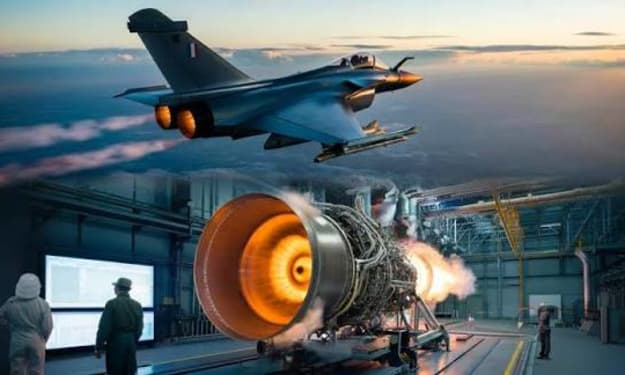
Few People Know It, But France Is the Only Country in Europe Capable of Building Fighter Jet Engines With Such Precision, Thanks to the DGA. AI-Generated.
How France’s defense agency makes world-class fighter jet engines When it comes to building fighter jet engines, France holds a unique position in Europe. Few people realize that the country’s Direction générale de l’armement (DGA), the French government’s defense procurement and technology agency, plays a central role in producing high-precision engines for advanced military aircraft. From the Rafale fighter jet to other top-of-the-line aircraft, France’s capability to manufacture engines with exceptional accuracy has made it a key player in European and global defense. This technological edge is not only about military strength—it also reflects decades of investment in engineering, research, and industrial excellence. The Role of the DGA The DGA, or Directorate General of Armaments, is a branch of the French Ministry of Armed Forces. Its primary mission is to design, develop, test, and procure military technology. One of its most remarkable achievements is overseeing the production of fighter jet engines, a task requiring extreme precision and innovation. Why is this significant? Jet engines operate under extreme conditions: temperatures above 1,500°C, pressures far higher than most engines, and rotational speeds exceeding tens of thousands of revolutions per minute. A tiny error in design or manufacturing could lead to catastrophic failure. The DGA ensures that every engine meets the highest standards of safety, performance, and reliability. Precision Manufacturing: A French Specialty France’s expertise in engine manufacturing rests on several key factors: Advanced Engineering – French engineers develop engines using cutting-edge computational models, ensuring optimal aerodynamics and thermodynamics. High-Tech Materials – Components are crafted from superalloys and composites capable of withstanding extreme stress and temperature. Rigorous Testing – Engines undergo thousands of hours of testing in simulated combat conditions before deployment. Industrial Collaboration – The DGA works closely with private companies like Safran Aircraft Engines, integrating research, production, and quality control. This combination of expertise, materials, and oversight allows France to achieve a level of precision unmatched by any other European country. Why Europe Depends on France While other European countries have advanced aviation industries, few can match France’s engine precision. Countries like Germany, Italy, and the UK excel in aircraft design and avionics but often rely on imported engines or partnerships for high-performance fighter jets. France’s independence in engine manufacturing provides several strategic advantages: Sovereignty in Defense – France can maintain autonomy in military operations, ensuring that key technologies are not dependent on foreign suppliers. Export Potential – French fighter jets equipped with DGA-certified engines are highly sought after by allied nations around the world. Technological Leadership – Maintaining this capability allows France to push the boundaries of aerospace innovation, influencing European and global defense industries. The Rafale Fighter Jet: A Case Study The Dassault Rafale, France’s multi-role fighter jet, showcases the precision and reliability of French engine design. Powered by the Snecma M88 engine, the Rafale can reach supersonic speeds, perform complex aerial maneuvers, and operate under extreme conditions—all thanks to the meticulous work of the DGA and its industrial partners. This engine is notable for: Compact Design – Maximizing thrust while minimizing weight High Reliability – Designed to withstand thousands of flight hours without failure Fuel Efficiency – Balancing performance with operational endurance No other European country currently produces an engine with this combination of size, power, and precision, highlighting France’s unique role. Challenges and Future Developments Maintaining this level of precision is not without challenges: Technological Complexity – Continuous innovation is needed to keep up with emerging threats and advanced aircraft requirements. Global Competition – Countries like the United States and China are investing heavily in engine technology, raising the bar for French engineering. Skilled Workforce – High-precision manufacturing requires a highly trained workforce, which demands ongoing education and training programs. Looking ahead, the DGA is exploring next-generation engines that promise greater fuel efficiency, stealth compatibility, and digital control systems, ensuring France remains at the forefront of fighter jet engine technology. Beyond Military Power France’s capability in precision engine manufacturing has broader implications beyond defense: Civil Aviation – Techniques and materials developed for military engines often influence commercial jet engines. Industrial Innovation – Research in high-performance materials and engineering techniques supports other sectors of French industry. National Pride – Being the only European country with this capability reinforces France’s technological leadership and strategic autonomy. Conclusion Few people realize that France holds a unique position in Europe when it comes to building fighter jet engines. Thanks to the DGA’s expertise, rigorous oversight, and industrial collaboration, France produces engines with unmatched precision, ensuring the country’s military aircraft remain reliable, powerful, and globally competitive. This capability is more than a technical achievement—it reflects France’s commitment to innovation, defense sovereignty, and global leadership in aerospace engineering. As technology continues to advance, the DGA and its partners are poised to keep France at the forefront of fighter jet engine design for decades to come.
By Fiaz Ahmed 25 days ago in Longevity