
Clean Water & Mental Clarity: How Hydration Fuels Cognitive Health and Well-Being
Clean Water & Mental Clarity: How Staying Hydrated and Ensuring Water Quality Boosts Cognitive Function and Emotional Well-Being!!!

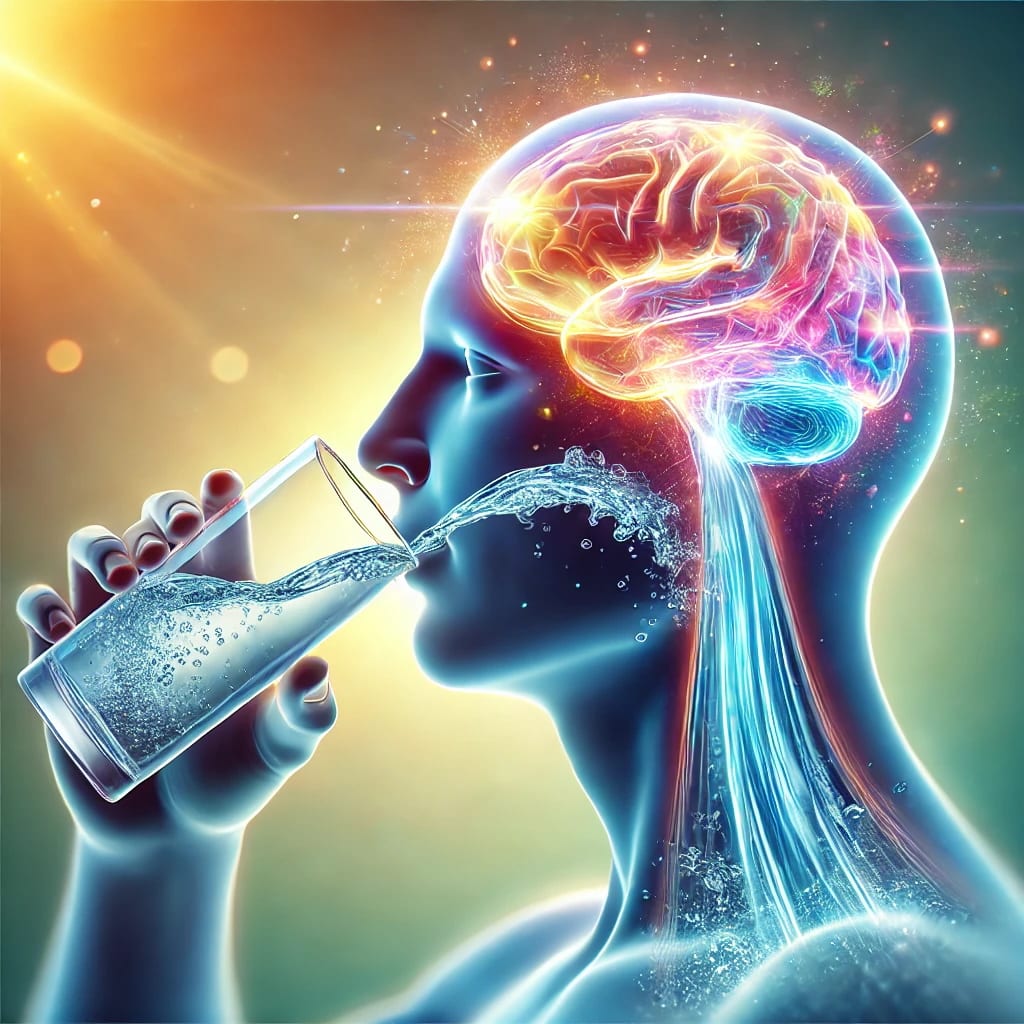
Water is essential to life. It keeps our bodies functioning properly, regulates our temperature, and supports countless physiological processes. But did you know that the quality and quantity of water you drink also play a crucial role in your mental clarity and overall cognitive health? In an age where mental well-being is increasingly recognized as vital as physical health, it's important to consider how something as simple as hydration can impact your ability to think clearly, stay focused, and maintain emotional balance.
The Link Between Clean Water and Mental Clarity
Water is so much more than a basic necessity - it's foundational for your brain's performance. In fact, the human brain is made up of about 75% water, meaning staying properly hydrated is essential for optimal brain function. Water supports a range of brain processes, including neurotransmitter production, the regulation of mood, and maintaining focus. Even mild dehydration - losing just 1–2% of your body weight due to fluid loss - can impair your cognitive abilities, resulting in difficulty concentrating, mental fatigue, and increased irritability.
According to studies published in the Journal of Nutrition and Frontiers in Psychology, dehydration can have an immediate impact on memory, attention, and motor coordination. The brain's efficiency decreases as hydration levels drop, making it harder to process information and perform tasks. Conversely, staying adequately hydrated can help improve focus, mental clarity, and even creativity. A simple glass of water has been shown to boost cognitive performance almost instantly, helping you feel sharper and more present.
But water alone isn't enough. The quality of the water you consume matters just as much. Contaminants in water, such as chemicals, heavy metals, and bacteria, can harm both your body and brain. Poor water quality has been linked to a range of cognitive issues, from headaches and brain fog to long-term mental health problems. Therefore, it's crucial to not only focus on hydration but also on ensuring the water you drink is clean and free of harmful pollutants.
The Impact of Contaminated Water on Mental Health
While hydration is crucial, contaminated water can have long-lasting effects on both physical and mental health. Toxic substances like lead, mercury, and pesticides can leach into drinking water, affecting the nervous system and potentially impairing brain function. For example, lead exposure, particularly in childhood, is linked to cognitive impairments and developmental delays. Even adults who have been exposed to lead or other environmental toxins may experience memory problems, mood disturbances, and an increased risk of neurodegenerative diseases such as Alzheimer's.
In addition to heavy metals, certain chemicals and bacteria in water can also contribute to symptoms like fatigue, brain fog, and difficulty concentrating. When the body is exposed to these contaminants, it becomes stressed, and cognitive function suffers as a result. Furthermore, the long-term exposure to polluted water can lead to chronic health conditions that have secondary effects on mental clarity, including chronic fatigue and depression.
Thus, it's clear that the water we consume needs to be not only plentiful but also clean. Access to safe, contaminant-free water is essential for maintaining both physical health and mental well-being.

The Role of Clean Water in Mental Health
Clean water doesn't just support cognitive function - it's integral to overall mental health. Chronic dehydration has been shown to contribute to mood disorders, including anxiety and depression. Water plays a key role in the production of serotonin, a neurotransmitter that regulates mood, sleep, and appetite. When hydration levels drop, the brain's ability to produce serotonin becomes impaired, which can lead to feelings of irritability and anxiety.
A study published in Frontiers in Psychology found that dehydration elevates cortisol levels, the body's primary stress hormone. Increased cortisol can heighten feelings of anxiety and exacerbate stress. Moreover, dehydration is often linked to poor sleep, which itself is a major factor in mental health issues. Poor sleep can affect cognitive function, mood, and stress levels, creating a vicious cycle. By staying hydrated, you help regulate mood, reduce anxiety, and improve your emotional resilience.
Drinking enough water can also alleviate physical symptoms that mimic stress, such as headaches, dizziness, or fatigue, all of which can cloud mental clarity. Staying hydrated helps prevent these symptoms, allowing for better focus and emotional stability. Clean, plentiful water essentially becomes a tool for managing stress and maintaining mental health.
Hydration and Emotional Resilience
Hydration goes beyond just maintaining cognitive function - it's a key factor in emotional resilience. Our ability to manage stress and bounce back from challenges can be significantly affected by hydration. When we're dehydrated, we're more likely to become emotionally reactive, feel overwhelmed by stress, or struggle with emotional regulation. Staying hydrated helps maintain a more balanced emotional state, enabling us to approach life's challenges with a clearer mind and greater composure.
In research conducted by the University of East London, participants who were properly hydrated were better able to tolerate stress and manage emotionally demanding tasks. Hydration not only improves focus but also helps prevent emotional burnout and increases overall resilience.
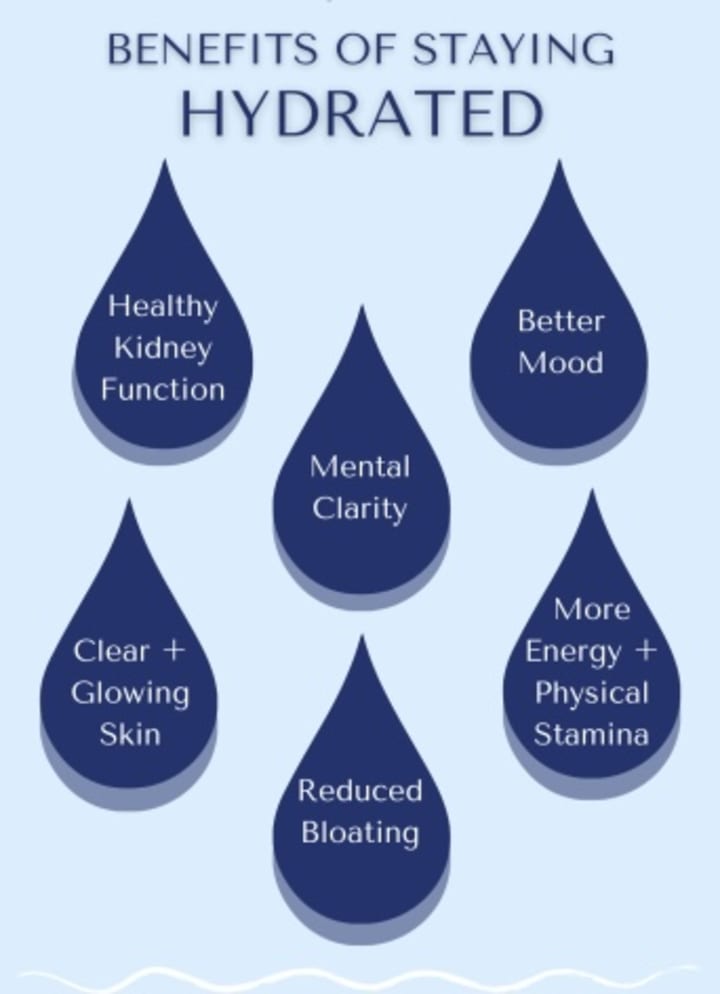
Practical Solutions: How to Ensure Clean Water and Optimal Hydration
Now that we understand the critical role clean water and proper hydration play in maintaining mental clarity and overall well-being, let's explore some practical steps you can take to ensure you're drinking safe water and staying properly hydrated.
1. Accessing Clean Water: Prioritize Quality
Water Filtration Systems
One of the most effective ways to ensure you're drinking clean, safe water is to invest in a water filtration system. Depending on the contaminants in your area, there are different types of filtration systems to consider:
Activated Carbon Filters: These are great for removing chlorine, organic compounds, and bad odors, improving the taste and quality of your tap water.
Affinity Filtration Technology: These remove up to 99.9% of over 365 contaminants rom your tap water, such as microplastics, fluoride, heavy metals, arsenic.
Reverse Osmosis Systems: These provide more comprehensive filtration, removing contaminants like lead, arsenic, and heavy metals that can affect brain function.
Whole-House Filtration: If you want clean water for more than just drinking, a whole-house system ensures that the water you use for bathing and cleaning is also purified.
If tap water quality is a concern, bottled water from reputable sources can be an alternative. Look for brands that offer third-party testing for contaminants to ensure water purity.
Regular Water Testing
To monitor your water quality, consider regular water testing. Many health departments offer testing services, and there are also affordable at-home water testing kits that can give you insight into the safety of your drinking water.
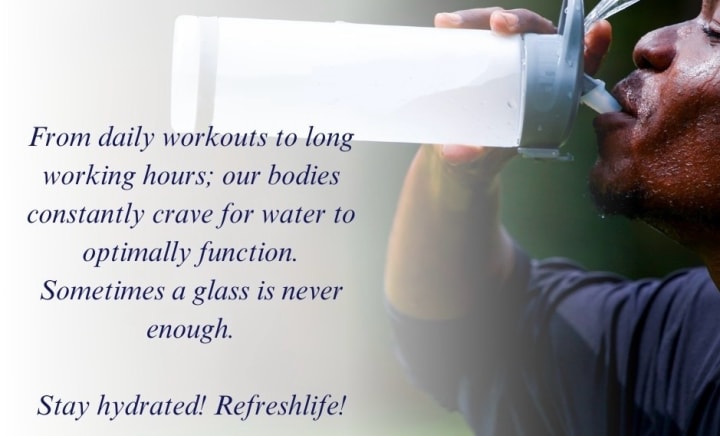
2. Hydration Strategies: Drinking Enough Water for Mental Clarity
The general recommendation is to drink about 8 cups (64 ounces) of water per day, but individual needs vary depending on factors like physical activity, climate, and health. A better rule of thumb is to aim for half your body weight in ounces. For instance, if you weigh 150 pounds, aim for 75 ounces of water each day.
Hydration Tips:
Start the Day with Water: Drinking a glass of water first thing in the morning helps rehydrate your body and kickstart your metabolism.
Carry a Reusable Water Bottle: Keeping water with you throughout the day makes it easier to stay hydrated and avoid forgetting to drink.
Hydrate Before Meals: Drinking a glass of water before meals aids digestion and ensures consistent hydration throughout the day.
3. Mindful Hydration: A Holistic Approach
It's not just about the amount of water you drink - it's also about how you approach hydration. Take a mindful approach by appreciating the act of hydrating and setting hydration rituals. This can help reduce stress and improve your overall well-being.
Drink flavored water with fruits or herbs to make hydration more enjoyable. Infuse your water with calming ingredients like mint or lemon to create a refreshing, soothing experience.
Use a hydration tracker or set regular reminders to stay on top of your water intake.
4. Supporting Global Access to Clean Water
On a larger scale, it's essential to support initiatives that provide clean water to communities in need. Organizations like Water.org and charity: water are working tirelessly to bring safe water solutions to developing countries, helping prevent the cognitive and health issues caused by contaminated water. Supporting these efforts is a great way to make a positive impact on a global level.
Information Sources:
Journal of Nutrition (2012). "Effects of Dehydration on Cognitive Function and Mood in Healthy Adults."
The Lancet Neurology (2007). "Childhood Lead Exposure and Cognitive Impairment: A Review."
Frontiers in Psychology (2016). "Hydration Status and Mood: A Review of the Literature."
University of East London (2015). "The Effect of Hydration on Cognitive Performance and Mood."
Conclusion: Clean Water, Clear Mind
From boosting cognitive function and focus to supporting emotional stability and resilience, the importance of clean water for mental clarity cannot be overstated. Drinking water isn't just about staying hydrated - it's a fundamental part of maintaining mental health and cognitive performance. By ensuring access to clean water and prioritizing hydration, you can support both your brain and your overall well-being.
Incorporating these solutions into your daily life can help you maintain a sharper mind, greater emotional resilience, and improved mental clarity. Clean water truly is a cornerstone for both physical health and a clear, focused mind. So, drink up - your brain will thank you!!!
Thank you 🙏
Future of Resilience
About the Creator
Future of Resilience
I enjoy writing book and product review, relationship and parenting blogs. I hope you enjoy my writing. Happy Reading!
Keep reading
More stories from Future of Resilience and writers in Longevity and other communities.
Understanding the Different Types of Yoga: A Journey to Find Your Perfect Practice
Yoga isn't just about fancy poses and flowy pants - it's a lifestyle, a philosophy, and, for many, a pathway to mental clarity, physical strength, and spiritual peace. But with so many different styles of yoga out there, how do you even begin to choose? Whether you're looking to improve your flexibility, relieve stress, or break a sweat, there's a yoga style that can meet your needs. The good news is that in today's world, finding the perfect yoga practice for you has never been easier, thanks to yoga apps.
By Future of Resilience about a year ago in Longevity
Country Diary: How Much Bad Weather Can One Village Take?
For the fourth time this winter, the narrow road into the village is closed by floodwater. The warning sign at the bend where the lane dips toward the river has become a permanent fixture, no longer a signal of exceptional weather but of routine disruption. Residents of this small rural community are beginning to ask a question once framed in frustration but now edged with exhaustion: how much bad weather can one village take? The rain has fallen almost without pause for weeks. Fields that once absorbed winter downpours have become shallow lakes, reflecting low grey skies. Hedges stand with their roots submerged, and the river that runs through the valley no longer looks like a river at all, but a wide brown sheet moving with quiet determination across pasture and footpaths alike. In the village centre, sandbags are stacked like bricks outside cottages whose doorsteps sit only inches above the waterline. Inside, furniture has been raised onto wooden blocks, and electric heaters hum constantly in an effort to chase away damp. Several households have endured flooding twice already this season. One resident says the smell of wet plaster has become “the scent of winter”. Older villagers remember storms and hard winters before, but few recall a year when rain arrived in such relentless succession. What makes this season different is not a single dramatic event, but the cumulative effect of storm after storm. No sooner has the water receded than another system arrives from the Atlantic, pushing rivers back over their banks and undoing weeks of repair work. The local pub, which has long served as a gathering point in times of trouble, now doubles as an informal relief centre. Volunteers brew tea for neighbours who cannot leave their homes and store donated food in the back room. Conversations revolve around weather forecasts and insurance claims, and the phrase “not again” has become a tired refrain. Farmers in the surrounding fields face their own struggle. Livestock have been moved to higher ground, and crops planted in autumn are already rotting beneath standing water. One farmer explains that machinery cannot enter saturated land without sinking, leaving him unable to prepare for spring planting. “We’ve lost time we can’t get back,” he says, scanning fields that resemble marshland more than farmland. Wildlife, too, is responding to the changed landscape. Ducks and geese gather in unusual numbers where meadows once lay dry. Fox tracks weave along the few remaining raised paths. A heron stands motionless in what was once a vegetable garden, waiting for fish displaced from the swollen river. Local authorities have deployed temporary pumps and issued repeated safety warnings, but resources are stretched across the region. Flood defences designed for rare events are now tested several times a year. Engineers speak of climate patterns shifting, of warmer seas feeding heavier rainfall, and of storms becoming slower and more persistent. For villagers, these explanations offer little comfort when facing another night of rain on already soaked ground. The psychological toll is becoming visible. Some residents admit they no longer unpack belongings stored upstairs, knowing they may soon be lifted again. Others speak of sleepless nights listening for the sound of water against their doors. Yet there is resilience here too. When the main road was cut off last week, neighbours organised boat trips to bring medicine to those stranded. Children have turned flooded fields into places of exploration, spotting frogs and floating branches. A handwritten sign near the church reads simply: “We’re still here.” As clouds gather once more over the valley, the question remains unanswered. The village endures, but patience wears thin. Bad weather has always been part of rural life, but this season feels like a test without a clear end point. Each storm leaves behind not just mud and damage, but the quiet worry that the next one is already on its way. For now, the river continues to rise and fall with the rain, and the village waits between floods, counting the days of dry ground like small victories. In the ledger of weather, this winter has written itself deeply into memory — and into the land.
By Fiaz Ahmed 6 days ago in Longevity



Comments (2)
We recently got a water filter with the jug to keep inside our room. This article is a good reminder of what happens when we don’t drink enough water. Brain fog due to bad quality of water, wow!! This is enlightening, I didn’t know that not drinking enough water could lead to poor sleep. Great use of images. ‘Whole house filtration’ sounds really awesome, it’s always good to know that the water you use in the shower is as clean as the filtered water you drink. This was very informative, I especially like that you added the information sources and your conclusion. Here’s to good mental health and cognitive performance 🙌🏽💧
Great scientific article. I drink water from a Brita pitcher, and it is better than straight from the tap. Good work.