health
Keeping your mind and body in check - popular topics in health and medicine to maintain a long and healthy life.
New Rules for Botox and Brazilian Butt Lifts Backed by MSPs. AI-Generated.
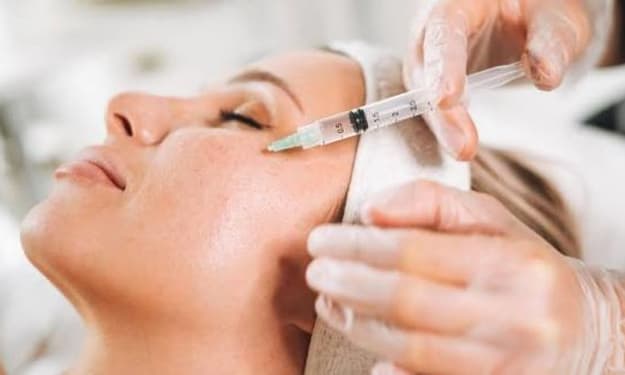
New regulations aimed at tightening control over cosmetic procedures such as Botox injections and Brazilian Butt Lifts (BBLs) have been backed by Members of the Scottish Parliament (MSPs), marking a major shift in how the booming aesthetic treatment industry will be regulated. The move follows growing concern over patient safety, unqualified practitioners, and a rise in serious complications linked to cosmetic interventions. The proposed rules would introduce stricter licensing requirements, tougher enforcement powers, and clearer standards for clinics offering non-surgical and surgical cosmetic treatments. MSPs from across party lines have voiced support for the measures, arguing that public health must come before profit in an industry that has expanded rapidly with little oversight. Rising Popularity, Rising Risks Cosmetic treatments such as Botox, dermal fillers, and BBLs have surged in popularity over the past decade, driven largely by social media trends and celebrity influence. While Botox and fillers are often marketed as quick and low-risk procedures, health authorities warn that they can carry serious medical risks when performed by untrained or poorly regulated providers. Brazilian Butt Lifts, which involve transferring fat from one part of the body to the buttocks, are considered one of the most dangerous cosmetic surgeries worldwide. International studies have linked BBLs to higher mortality rates than most other elective cosmetic procedures, primarily due to the risk of fat embolism and infection. Scottish health officials say the lack of consistent regulation has allowed some clinics and beauty salons to offer treatments without appropriate medical supervision, putting patients at risk of permanent injury or even death. What the New Rules Would Do Under the proposed framework, all providers of cosmetic procedures would need to be licensed and inspected by a national regulator. This would include clinics offering injectables such as Botox and fillers, as well as facilities performing more invasive procedures like BBLs. The rules would require: Practitioners to meet minimum training and qualification standards Clinics to follow strict hygiene and safety protocols Clear consent procedures and cooling-off periods before major treatments Mandatory reporting of complications and adverse outcomes Advertising would also come under closer scrutiny. Promotions targeting young people or presenting cosmetic treatments as “risk-free” could be restricted or banned. MSPs supporting the proposals argue that regulation will bring the cosmetic sector in line with other healthcare services, ensuring accountability and transparency. Support From Medical Community Doctors and patient safety groups have welcomed the move, saying it is long overdue. Medical professionals have repeatedly raised concerns that procedures involving needles, anesthetics, and surgery should not be treated like beauty services. One senior health expert told lawmakers that patients often arrive at hospitals with infections, nerve damage, or vascular complications after receiving treatments from unlicensed providers. In some cases, corrective surgery is required, placing additional strain on the public healthcare system. The British Association of Plastic, Reconstructive and Aesthetic Surgeons has also called for stronger regulation of BBLs, warning that the procedure should only be performed in properly equipped hospitals by trained surgeons. Public Awareness and Consent Another key element of the proposed rules is improving informed consent. Patients would be required to receive clear information about risks, recovery time, and possible complications before undergoing treatment. Cooling-off periods would prevent people from making impulsive decisions, especially for high-risk surgeries like BBLs. Campaigners say this is particularly important for young adults who may feel pressure from social media beauty standards. By slowing down the decision-making process, regulators hope to reduce cases of regret and harm. There are also plans to strengthen complaint systems, giving patients clearer routes to report unsafe practices or malpractice. Industry Reaction While many reputable clinics have welcomed the proposals, some businesses have expressed concern about the cost and complexity of compliance. Smaller operators worry that licensing fees and inspection requirements could force them to close or raise prices for customers. However, supporters of the reforms argue that responsible providers should already be meeting high standards and that regulation will help eliminate rogue operators who undercut prices by ignoring safety rules. Consumer groups say that higher costs may be justified if they lead to safer outcomes and fewer medical emergencies. Political Backing The proposals have received broad backing from MSPs, reflecting a growing consensus that cosmetic treatments should be treated as healthcare services rather than lifestyle products. Several lawmakers cited constituent cases involving disfigurement and long-term health damage as evidence of the need for reform. One MSP described the situation as “a Wild West of cosmetic practice” and said the new rules would bring much-needed order to a largely unregulated market. The Scottish Government is now expected to move forward with legislation that would give regulators the authority to inspect clinics, issue fines, and shut down unsafe operations. Looking Ahead If approved, the new rules could make Scotland one of the most tightly regulated regions in the UK for cosmetic procedures. Advocates believe this will set a precedent for other parts of the country to follow. Health officials stress that the goal is not to ban cosmetic treatments but to make them safer and more transparent. With demand for Botox and BBLs continuing to grow, regulators say action is necessary to prevent avoidable harm and restore public confidence in the industry. Conclusion The backing of new rules for Botox and Brazilian Butt Lifts by MSPs represents a significant step toward safeguarding patients in a rapidly expanding cosmetic market. By introducing licensing, inspections, and stricter advertising standards, lawmakers hope to reduce risks and ensure that beauty treatments are delivered responsibly. As legislation moves forward, the focus will be on balancing consumer choice with public safety—ensuring that those seeking cosmetic enhancements can do so without putting their health in danger.
By Fiaz Ahmed a day ago in Longevity
Why Walking Starts to Feel Unsteady — And How Sensory Awareness Changes Everything
Walking is something most people rarely think about—until it begins to feel different. Small changes in balance can appear gradually: a slight hesitation when turning, a need to hold onto railings or a growing sense that steps are less predictable than before. These experiences are often described collectively as walking balance issues, and they’re commonly blamed on muscle weakness or aging joints.
By AhmedFitLife2 days ago in Longevity
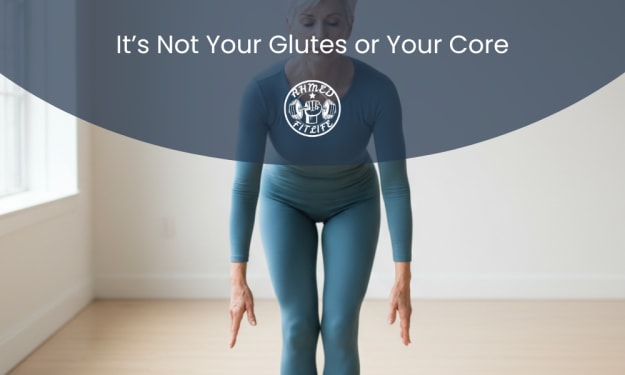
The Overlooked Mechanics of Balance: Why Stability Starts Below the Knees
Balance is often associated with core strength or posture, but the mechanics of stability begin much lower in the body. The feet and ankles are the first point of contact with the ground, making them responsible for detecting changes in movement. Before larger muscles engage, the ankles send information through the nervous system that guides how the body adjusts and maintains equilibrium.
By AhmedFitLife2 days ago in Longevity
How Oral Health Awareness Supports Long-Term Wellbeing. AI-Generated.
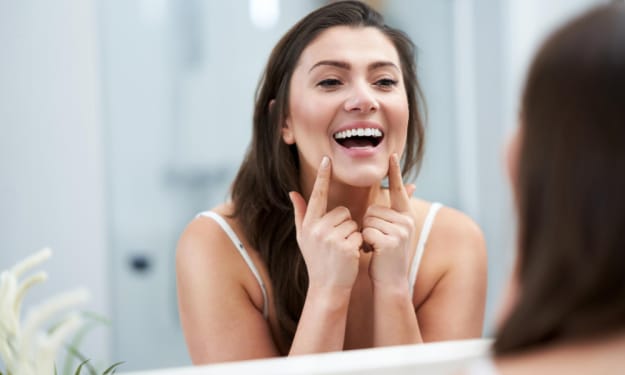
Long-term wellbeing is often associated with habits like staying active, eating well, and managing stress. Oral health, however, is sometimes overlooked in conversations about longevity, even though it plays a meaningful role in everyday comfort and quality of life.
By Smile Sydney2 days ago in Longevity
The Simple Truth About Amino Acid Supplements Most People Never Hear. AI-Generated.
There’s a quiet moment many people experience that rarely gets talked about. It usually doesn’t happen during a dramatic injury or a major health scare. It happens during something ordinary. Maybe it’s when you stand up after sitting longer than you planned. Maybe it’s that subtle stiffness in your shoulders when reaching for something on a high shelf. Maybe it’s the moment you notice your body needs a few extra seconds to “warm up” before it feels comfortable moving.
By Everyday Joint Relief2 days ago in Longevity
Most Preventable Cancers Are Linked to Just Two Lifestyle Habits. AI-Generated.
Cancer remains one of the leading causes of death worldwide, and while the medical community has made significant strides in early detection and treatment, the battle against cancer is far from over. What’s often overlooked, however, is that many cancers are highly preventable. In fact, research indicates that the majority of cancer cases can be traced back to two lifestyle factors: smoking and poor diet. While genetic factors and environmental exposures undoubtedly play a role in cancer development, lifestyle choices are by far the most significant contributors to the development of many types of cancer. According to the World Health Organization (WHO), nearly one-third of cancers are preventable through lifestyle changes, particularly in relation to smoking and diet. In light of this, experts are urging the public to reconsider their daily habits and make changes that could save lives. Smoking: The Leading Cause of Preventable Cancer It’s well-established that smoking is the single largest preventable cause of cancer worldwide. Tobacco use is directly linked to a wide range of cancers, including lung, throat, mouth, and pancreatic cancers. According to the American Cancer Society, smoking is responsible for approximately 30% of all cancer-related deaths in the United States. When people smoke, they are inhaling over 7,000 chemicals, many of which are known carcinogens. These harmful substances damage cells and DNA, leading to mutations that increase the likelihood of cancer. Smoking not only affects the lungs but also increases the risk of cancers in other parts of the body, such as the bladder, kidney, cervix, and liver. In addition to directly causing cancer, smoking weakens the immune system, making it more difficult for the body to fight off cancerous cells. For those who continue to smoke, the risk of developing cancer increases with the duration and intensity of tobacco use. But the good news is that smoking-related cancers are among the most preventable. Studies show that quitting smoking—at any age—can significantly reduce the risk of developing cancer, with former smokers seeing a dramatic decrease in their risk over time. “Quitting smoking is the most important thing you can do to reduce your risk of cancer,” says Dr. Emily Harris, an oncologist with the National Cancer Institute. “Even if you’ve smoked for years, it’s never too late to stop. Your body starts healing the moment you quit.” Poor Diet: The Silent Contributor The second major factor contributing to preventable cancers is diet. While it may not seem as immediately harmful as smoking, poor eating habits can have a profound impact on cancer risk. Studies consistently show that diets high in processed foods, red meats, and unhealthy fats can increase the likelihood of developing various types of cancer, including colorectal, breast, and prostate cancers. One of the most concerning aspects of modern diets is the overconsumption of processed and fast foods, which are often high in sugars, unhealthy fats, and additives. These foods contribute to obesity, which is a known risk factor for several types of cancer. In fact, the World Cancer Research Fund estimates that nearly 20% of cancer cases are linked to obesity and poor dietary choices. Research has also shown that diets low in fiber, fruits, and vegetables can contribute to cancer risk. A lack of fiber in the diet can disrupt the digestive system, leading to inflammation and a higher likelihood of cell mutations that can lead to cancer. Additionally, diets rich in antioxidants, such as those found in fruits and vegetables, can help protect the body’s cells from damage and reduce the risk of cancer. Another concerning dietary habit is the consumption of excessive alcohol. Alcohol is a known carcinogen, and excessive drinking has been linked to cancers of the liver, mouth, throat, and esophagus. The more alcohol a person drinks and the longer they drink, the higher their risk of developing alcohol-related cancers. Experts recommend limiting alcohol intake or, ideally, avoiding it altogether to reduce cancer risk. The Role of Prevention: Simple Steps to Reduce Cancer Risk The connection between smoking, poor diet, and preventable cancers highlights the importance of prevention. While genetics and environmental factors may increase the risk of cancer, lifestyle habits are within our control, and making healthy choices can significantly lower the chances of developing the disease. To reduce cancer risk, experts recommend several lifestyle changes: Quit Smoking: If you smoke, quitting is the single most important thing you can do for your health. Smoking cessation programs, nicotine replacement therapy, and support groups can help make the process easier. Adopt a Healthy Diet: Focus on eating a balanced diet rich in whole foods, including fruits, vegetables, whole grains, and lean proteins. Limit processed foods, red meats, and unhealthy fats, while incorporating more plant-based foods into your meals. Maintain a Healthy Weight: Aim to maintain a healthy weight by balancing calorie intake with physical activity. Obesity is a major risk factor for many cancers, so keeping your weight in check can help reduce your risk. Exercise Regularly: Physical activity has been shown to lower the risk of several types of cancer. Aim for at least 150 minutes of moderate exercise or 75 minutes of vigorous exercise per week. Limit Alcohol Consumption: If you drink, do so in moderation. The American Cancer Society recommends no more than one drink per day for women and two drinks per day for men. Stay Regular with Screenings: Early detection through screenings, such as mammograms, colonoscopies, and pap smears, can help catch cancers early, when they are most treatable. By making these lifestyle changes, individuals can take significant steps toward reducing their risk of cancer. Experts agree that prevention is key and that many cancers that seem inevitable may, in fact, be avoided with the right choices. The Importance of Public Awareness While much has been done to raise awareness about the link between smoking and cancer, much more needs to be done to educate the public about the role of diet in cancer prevention. Schools, workplaces, and public health organizations must continue to spread the message about the importance of healthy lifestyle choices. “We need to change the way people think about cancer prevention,” says Dr. Harris. “It’s not just about getting regular check-ups. It’s about taking care of your body every day through the choices you make. Simple changes in diet and lifestyle can make a world of difference.” The fact that most preventable cancers are linked to just two lifestyle habits—smoking and poor diet—serves as a reminder that many cancer cases are not inevitable. By making healthier choices, we can collectively reduce the global cancer burden and improve quality of life for millions of people worldwide.
By Fiaz Ahmed 2 days ago in Longevity