health
Keeping your mind and body in check - popular topics in health and medicine to maintain a long and healthy life.
If You're Waiting for the Root Canal, You're Missing the Point of Skincare
At some point, our culture decided that care is only valuable if it’s extreme. If it doesn’t burn, blast, paralyze, or shock the system into instant compliance, it’s dismissed as “doing nothing.” Apparently, that now includes estheticians.
By Brooke Gallagher3 days ago in Longevity
When Parents Feel Alone and Adult Kids Feel Overwhelmed
Being an adult these days is really busy. Our jobs take up a lot of time we spend a lot of time traveling to and from work. We have other things we do on the side that take up our weekends. On top of all that we have a lot of family things to take care of. Aging parents are often very lonely even if we do not forget about them. The thing is, we just do not have a lot of time for aging parents anymore. Time is very scarce, for everyone, including our aging parents.
By Live Peace4 days ago in Longevity
Why Life Gets Better After 50
If you think about life as a picture of how happy people are we have always thought it looks like a hill that goes up and then comes down. You start out when you are young and things get better and better you reach the top when you are in the middle of your life. Then it starts to get worse and worse as you get older.. What if we have been looking at this picture the wrong way? Some new research about how people think and feel is showing us that it is actually shaped like a U. When people are in the middle of their life they are often very busy and stressed out and they are not as happy as they used to be. But then something unexpected happens people start to get happier after they turn 50 and they just keep getting happier and happier. Life is, like a U shape happiness goes down. Then it comes back up again and that is what the research is showing us about life and happiness. This isn’t about denying the very real challenges of aging, but about uncovering the profound psychological shifts that make this chapter uniquely satisfying. Here’s the science and soul behind why contentment so often blooms in later life.
By Live Peace4 days ago in Longevity
Why I Go to Physical Therapy Every Week Even Though It Wrecks My Schedule
Nobody wants to hear this, but I'm going to say it anyway. I go to physical every single week. Not because I'm injured. Not because something is broken. Not because a doctor told me I had to.
By Destiny S. Harris4 days ago in Longevity
How Salt Bricks Clean the Lungs of Smokers in Sauna Walls
Smoking brings thousands of harmful chemicals into the organism, many of which are deposited in the lungs. With time, these particles accumulate resulting in chronic bronchitis, emphysema and increased chances of lung cancer. Although stopping smoking is the most crucial measure towards the health of a smoker, other treatments can also be used to hasten the removal of accumulated debris in the body and also to decrease swelling.
By Emily Rosie4 days ago in Longevity
Why People Keep Coming Back to the Sauna
Saunas aren’t new. Long before they appeared in boutique gyms, luxury hotels, or wellness retreats, they were woven into daily life in places like Finland, Russia, and across parts of Eastern Europe. They weren’t marketed. They weren’t optimized. They were simply part of how people lived.
By john batista bocchino4 days ago in Longevity
United States Allergy Treatment Market Size & Forecast 2026–2034: Innovation, Awareness, and Biologics Reshape Care. AI-Generated.
Market Overview: A Decade of Steady, Science-Led Growth The United States allergy treatment market is entering a period of sustained expansion, driven by rising allergy prevalence, advanced therapeutics, and a growing emphasis on long-term disease management. According to Renub Research, the market is expected to grow from US$ 6.33 billion in 2025 to US$ 10.61 billion by 2034, registering a compound annual growth rate (CAGR) of 5.91% during 2026–2034.
By Sakshi Sharma4 days ago in Longevity
New Medical Technology Extends Human Life Expectancy. AI-Generated.
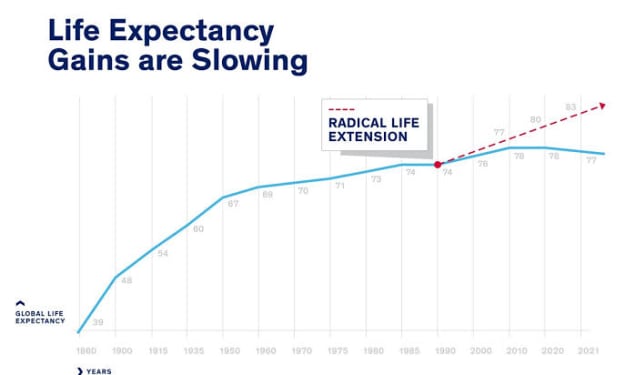
Advances in medical technology are reshaping the future of healthcare and redefining how long and how well people can live. In recent years, scientists and medical professionals have introduced groundbreaking innovations that are significantly extending human life expectancy. These developments are not only helping to prevent deadly diseases but are also improving quality of life for millions around the world. From artificial intelligence–driven diagnostics to gene therapy and regenerative medicine, the modern healthcare revolution is entering a new era of longevity. One of the most important contributors to increased life expectancy is early disease detection through advanced diagnostic technology. Artificial intelligence (AI) is now being used to analyze medical scans, blood tests, and genetic data with remarkable accuracy. AI-powered systems can identify signs of cancer, heart disease, and neurological disorders at much earlier stages than traditional methods. Early diagnosis allows doctors to begin treatment before diseases become life-threatening, significantly improving survival rates. Another major breakthrough lies in personalized medicine. Instead of using the same treatment approach for every patient, doctors can now tailor therapies based on an individual’s genetic profile. This approach ensures that medications and treatments are more effective and produce fewer side effects. Personalized cancer treatments, for example, target specific genetic mutations within tumors, leading to higher recovery rates and longer patient survival. Regenerative medicine has also emerged as a powerful force in extending human life. Stem cell therapy and tissue engineering are enabling the repair or replacement of damaged organs and tissues. Scientists have successfully grown human skin, cartilage, and even parts of organs in laboratories. These technologies offer hope to patients suffering from organ failure, spinal injuries, and degenerative diseases. Instead of relying solely on organ transplants, future patients may receive lab-grown tissues that match their own bodies, reducing rejection risks and increasing life expectancy. Wearable health technology has transformed preventive care and daily health monitoring. Smartwatches and health-tracking devices can now measure heart rate, blood oxygen levels, sleep patterns, and physical activity in real time. These devices alert users to potential health problems before they become serious. For example, irregular heart rhythms or dangerously low oxygen levels can be detected instantly, allowing users to seek medical help quickly. This continuous monitoring empowers individuals to take control of their health and prevent sudden medical emergencies. Robotic surgery is another innovation contributing to longer life expectancy. Surgical robots allow doctors to perform highly precise procedures with minimal invasion. Smaller incisions reduce blood loss, lower the risk of infection, and shorten recovery times. Patients who once faced long hospital stays can now return to normal life much faster. Robotic-assisted surgeries are especially effective in heart operations, cancer treatments, and complex neurological procedures. Gene editing technologies, such as CRISPR, have opened new possibilities in preventing inherited diseases. Scientists can now modify faulty genes responsible for conditions like sickle cell anemia, muscular dystrophy, and certain cancers. While still under strict ethical and regulatory review, gene therapy holds the promise of eliminating genetic disorders before they can cause serious harm. This could dramatically increase life expectancy for future generations. Vaccination technology has also advanced significantly. New vaccines are being developed faster and more efficiently using modern biotechnology. These vaccines protect against deadly viruses and emerging infections, preventing large-scale health crises. Improved immunization programs have already helped control diseases that once reduced life expectancy worldwide, such as measles, polio, and influenza. Mental health technology is also playing a growing role in overall longevity. Digital therapy platforms, AI counseling tools, and mobile mental health applications are helping individuals manage stress, anxiety, and depression. Since mental well-being is closely linked to physical health, these innovations contribute to longer and healthier lives by reducing suicide rates and stress-related illnesses. Despite these remarkable achievements, challenges remain. High costs of advanced medical technology limit access in many developing countries. Inequality in healthcare systems means that not everyone benefits equally from these innovations. Ethical questions also arise regarding genetic modification and life-extending technologies. Governments and medical institutions must ensure that these tools are used responsibly and made accessible to broader populations. Experts believe that the future of medicine will focus not only on extending life but also on improving the quality of those extra years. Living longer without good health offers little benefit, so the goal is to create healthier aging through technology, lifestyle changes, and preventive care. In conclusion, new medical technology is transforming human life expectancy in ways once thought impossible. Through AI diagnostics, regenerative medicine, gene therapy, robotic surgery, and digital health tools, people are living longer and healthier lives. While challenges of cost and ethics remain, the progress achieved so far signals a hopeful future. As innovation continues, humanity stands on the edge of a new medical era—one where longer life is not just a dream, but a scientific reality.
By Fiaz Ahmed 4 days ago in Longevity
Concierge Medicine Market Size and Forecast 2025–2033. AI-Generated.
Concierge Medicine Market Outlook: A New Era of Personalized Care The global healthcare system is undergoing a profound transformation as patients increasingly seek care that is not only effective but also personal, accessible, and proactive. In this evolving landscape, concierge medicine has emerged as one of the fastest-growing healthcare models worldwide.
By Sakshi Sharma4 days ago in Longevity