Fiaz Ahmed
Bio
I am Fiaz Ahmed. I am a passionate writer. I love covering trending topics and breaking news. With a sharp eye for what’s happening around the world, and crafts timely and engaging stories that keep readers informed and updated.
Stories (1248)
Filter by community
Britain Blocking Use of Air Bases Trump Says Would Be Needed for Strikes on Iran, UK Media Reports. AI-Generated.
The United Kingdom has refused requests from the Donald Trump administration to allow U.S. military aircraft to use key British air bases as staging points for potential strikes on Iran, according to multiple British media reports citing government sources. The decision has heightened diplomatic tensions between London and Washington just as relations are already strained over sovereignty arrangements for the Chagos Islands and other security issues. UK Withholds Consent for Air Base Access Under long‑standing defence agreements between the United States and the United Kingdom, American forces may operate from bases in Britain — including RAF Fairford in Gloucestershire and the joint US‑UK base on Diego Garcia in the Indian Ocean — for training and agreed missions with prior approval from the British government. However, London recently declined to authorise the use of these facilities for any potential U.S. air campaign against Iran. The Times of London first reported that British Prime Minister Keir Starmer’s government has refused to grant permission for any offensive military operations, over concerns that participation in such strikes could violate international law and implicate the UK in actions it cannot legally endorse. British authorities reportedly fear that allowing U.S. bombers to launch from their bases could be seen as complicity in a pre‑emptive attack, potentially exposing the UK to legal and diplomatic consequences. Legal rulings and government lawyers have emphasised that assisting or knowingly providing facilities for strikes lacking clear international legal justification might breach existing treaties and international law norms. Strategic Bases at the Centre of Debate The airfields highlighted in the reporting are among the most strategically important Western bases for operations in the wider Middle East and Indo‑Pacific theatre. RAF Fairford hosts American strategic bombers such as B‑52s and is seen as a key forward operating location for long‑range strikes. Diego Garcia — a remote island base — is equally crucial, enabling heavy aircraft to reach distant targets without refuelling from more distant continental U.S. bases. The UK decision comes amid heightened U.S. military build‑up in the Gulf and neighbouring regions as Washington weighs its options over Iran’s nuclear ambitions and regional behaviour. Trump and senior U.S. officials have not ruled out military action should diplomatic negotiations fail to restrain Tehran’s nuclear programme and ballistic missile development. Diplomatic Friction Over Chagos Sovereignty Reports also link the base access issue to broader diplomatic disagreements over the proposed transfer of sovereignty of the Chagos Islands — including Boston‑Napoleon Diego Garcia — to Mauritius. Under an agreement backed by both London and Washington, the UK would retain use of the base through a long‑term lease. However, Trump publicly criticised the agreement after the UK signalled it would not automatically allow U.S. offensive operations from the territory. White House social media posts from Trump reiterated concerns that Diego Garcia and RAF Fairford could be needed “to eradicate a potential attack by a highly unstable and dangerous regime,” signalling that U.S. planners see those bases as key to any contingency involving Iran. But British officials countered that authorising offensive operations from sovereign territory requires solid legal grounds and cannot be pre‑approved. Broader Policy Considerations British officials have emphasised their support for diplomatic efforts and de‑escalation, even as they work closely with the U.S. on shared security challenges. They have publicly supported negotiations with Iran on its nuclear programme and called for restraint while upholding international legal obligations. Within the UK government, there is recognition that strategic cooperation with the U.S. remains vital. But ministers have made clear that any decision to permit offensive operations from UK territory will be judged on legal merits and domestic public support rather than broader political pressure. Reaction in Washington In Washington, the refusal has drawn criticism from some Republican lawmakers and Trump allies, who argue that limiting U.S. access to British bases hampers rapid deployment and long‑range strike capabilities. They maintain that closer cooperation is necessary to deter regional threats and protect Western interests. Business Today Despite the disagreement, U.S. officials and defence planners are exploring alternative basing options in allied countries closer to Iran, and have reiterated that military planning continues alongside diplomatic engagement. Yahoo News UK Conclusion The UK’s position on air base use highlights the complex balance between alliance solidarity and sovereign legal obligations in matters of war and peace. As tensions between Tehran and Washington remain elevated, London’s stance could shape future military planning and influence how allies weigh legal, ethical and strategic factors before authorising offensive operations from sovereign soil.
By Fiaz Ahmed 4 days ago in The Swamp
The Tell‑Tale Sign of Colon Cancer Doctors Say You Shouldn’t Ignore. AI-Generated.
Colon cancer is one of the most common and deadly cancers worldwide, and early detection dramatically improves the chances of successful treatment. While routine screening is essential, medical experts are warning that one key symptom — changes in bowel habits — should never be ignored, even in younger adults who may not be considered high‑risk. A Crucial Symptom That Can Be Overlooked Doctors emphasize that persistent changes in bowel movements — such as diarrhoea, constipation, or a noticeable change in stool consistency lasting more than a few weeks — can be an early indicator of colon cancer. This symptom, particularly when accompanied by blood in the stool, should prompt individuals to seek medical evaluation promptly. “People often dismiss these changes as something minor or related to stress and diet,” says a gastroenterologist at a major cancer centre. “But when it persists beyond a few weeks, that’s a red flag we take seriously.” Bloody stools — either bright red or darker tar‑like — can signal bleeding in the lower gastrointestinal tract. While not all blood is caused by cancer, it warrants evaluation because early‑stage colon tumours may bleed intermittently. Why Early Detection Matters Colon cancer, also referred to as colorectal cancer, develops from growths called polyps that form on the lining of the colon or rectum. Over time, some polyps can become cancerous. When detected early, polyps can often be removed before they turn into cancer, and early‑stage colon cancer has a significantly higher survival rate. According to recent cancer statistics from the World Health Organization, survival rates for colon cancer diagnosed at an early stage can exceed 90% with appropriate treatment. However, only about 40% of cases are diagnosed at this early stage, underscoring the importance of awareness and timely medical attention. Who Is at Risk? While age remains a key risk factor — with most cases occurring in people 50 and older — experts alarmingly note that colon cancer is rising among younger adults. Lifestyle factors such as poor diet, physical inactivity, obesity, smoking, and heavy alcohol use may contribute to increased risk. A family history of colon cancer or inherited conditions like Lynch syndrome also elevates risk. Given these trends, several professional organisations have updated screening recommendations to begin earlier for individuals with risk factors. Even so, symptomatic individuals of any age should not delay consultation. Other Warning Signs to Watch For Beyond changes in bowel habits and blood in the stool, physicians say other symptoms can signal advanced disease or warrant immediate attention: Unexplained weight loss Persistent abdominal discomfort (cramps, gas, pain) A feeling of incomplete bowel emptying Fatigue or weakness due to iron‑deficiency anaemia Narrow or pencil‑thin stools that persist “These symptoms aren’t exclusive to colon cancer and can occur with many benign conditions,” explains the specialist. “What’s important is the pattern — if symptoms persist or worsen, further evaluation is essential.” Screening Saves Lives Routine colon cancer screening — such as colonoscopy, sigmoidoscopy, and non‑invasive stool tests — plays a vital role in detecting precancerous changes and early cancer. Colonoscopy remains the gold standard, allowing doctors to visualise the entire colon and remove polyps during the same procedure. For those at average risk, most guidelines recommend starting screening at age 45 or earlier if symptoms are present or there is a family history. Those with higher risk may need earlier and more frequent screening. What to Do If You Notice Symptoms Doctors advise that anyone who notices persistent changes in bowel habits lasting four weeks or more, or any rectal bleeding, should speak with a healthcare provider without delay. A primary care physician can perform initial evaluations, recommend appropriate tests and refer to specialists if needed. “If in doubt, don’t wait,” says a colorectal surgeon. “Early diagnosis can be lifesaving, and the tests we use are highly effective and safe.” Reducing Your Risk In addition to regular screening, lifestyle changes may help lower colon cancer risk: High‑fibre diet: plenty of vegetables, fruits, and whole grains Maintain a healthy weight Regular physical activity Avoiding tobacco and limiting alcohol These measures support overall digestive health and may reduce the likelihood of polyp formation. Final Word Colon cancer can be silent in its early stages, but persistent changes in bowel habits are a tell‑tale warning sign that should never be ignored. With rising incidence among younger adults and better outcomes the earlier cancer is identified, awareness and prompt action are critical. If you experience ongoing symptoms, consult your doctor — it could be a matter of life and long‑term health.
By Fiaz Ahmed 4 days ago in Longevity
EDF Pushes Back Hinkley Point C Start‑Up by Another Year. AI-Generated.
Construction of the Hinkley Point C nuclear power station, the United Kingdom’s largest and most high‑profile new nuclear power plant, has been delayed yet again. French energy giant EDF announced on 20 February 2026 that the first reactor of Hinkley Point C — originally expected to come online in 2025 — will now begin operations in 2030, reflecting a further one‑year postponement from the previously revised 2029 target. The updated timeline comes as EDF revealed that the complex electromechanical installation work — critical for delivering safe, reliable commissioning — has fallen behind schedule. The company described the new timeline as “more realistic” given the technical challenges and regulatory requirements, and offered a broader window from 2029 to 2031 for startup. Cost Escalation and Financial Impact The latest delay has significant financial implications. EDF has raised the estimated cost of the Hinkley Point C project to £35 billion (about $47 billion), well above earlier projections. That figure is expressed in 2015 prices, meaning the true inflation‑adjusted cost is even higher. BSS The repeated postponements and cost overruns have already taken a tangible toll on EDF’s finances. The company recorded a €2.5 billion impairment related to the Hinkley Point C project in its 2025 results, contributing to a 26 % drop in net profit compared with the previous year. Lower wholesale electricity prices and a reduced guaranteed power price from the UK government further strained results. EDF’s chief executive, Bernard Fontana, said that the new timeline and cost estimates reflect the company’s assessment of risks, regulatory scrutiny and ongoing construction complexities. The plant is designed to provide around 7 % of UK electricity demand once fully operational, making its timely completion vital to British energy strategy. Underlying Causes of Delay EDF attributed the latest delay largely to slower‑than‑expected electromechanical work — the stage when critical internal systems and components are installed and integrated. Project updates indicate that mechanical, electrical, heating and ventilation (MEH) installations have not kept pace with plans. In its annual report, EDF confirmed that delays in MEH work have been a key factor in pushing back the scheduled start date. constructionnews.co.uk Construction issues are not new for Hinkley Point C. Since work began in 2017, the UK’s first new nuclear plant in a generation has been plagued by delays related to complex engineering requirements, supply chain disruptions, and extended regulatory oversight. Previous projections had already moved the plant’s launch from 2025 to 2027, then to 2029–2031 before the latest revision to 2030. Industry and Government Reactions The repeated setbacks have reignited debate over the cost‑effectiveness and feasibility of new nuclear projects in the UK and Europe. Critics argue that large‑scale nuclear plants like Hinkley Point C carry inherent risks of delay and cost overrun, and question whether the long lead times justify the investment compared with renewable energy alternatives. Advocates counter that nuclear remains essential for meeting net‑zero emissions targets and ensuring baseload power reliability as fossil fuel plants retire. The Guardian The UK government has emphasised its continued support for Hinkley Point C as part of the country’s strategy to secure low‑carbon energy sources. Officials argue that delays — while frustrating — are not uncommon in megaprojects of this scale and underscore the rigorous safety and regulatory standards applied in nuclear construction. The Guardian Implications for Future Nuclear Projects EDF is also overseeing other major nuclear developments, including the Sizewell C nuclear power station project in Suffolk, which is expected to face its own timeline and budget pressures. Lessons learned from Hinkley Point C are intended to inform future builds, but stakeholders acknowledge that replicating such complex engineering work remains challenging. Analysts say the repeated delays at Hinkley Point C could complicate efforts to expand nuclear capacity in the UK and abroad, particularly if cost escalation and financing challenges persist. With construction extending over more than a decade, some industry observers question whether alternative energy investments might offer faster, more cost‑effective pathways to decarbonisation. Looking Ahead With civil construction largely complete on site, gravity remains on the installation and integration of key internal systems. If the 2030 operational date holds, Hinkley Point C will begin to supply carbon‑free power at least five years later than originally envisioned, underscoring the long road to bringing new nuclear capacity online in a timely and cost‑competitive manner. Financial Times
By Fiaz Ahmed 4 days ago in The Swamp
Punjab Airlines Operations Start Date Revealed. AI-Generated.
The government of Punjab has officially announced that its new provincial airline — Punjab Airlines — will begin flight operations in April 2026, marking a major milestone in the region’s aviation landscape. The announcement, part of an ongoing effort by the provincial administration to strengthen air connectivity and boost economic activity, was confirmed through official sources and local media reports. A New Era for Provincial Aviation Punjab Airlines, owned and operated by the provincial government under the leadership of Chief Minister Maryam Nawaz Sharif, is poised to become a unique addition to Pakistan’s aviation sector. Unlike traditional carriers that are commercially owned or national in scope, this airline is a provincially controlled carrier, designed to expand domestic flight options and promote regional economic integration. According to government sources, the inaugural flights are scheduled to begin in April 2026, with an initial fleet of seven passenger aircraft. These aircraft will service domestic routes during the first phase of operations, connecting major cities within Punjab and facilitating travel for both business and leisure passengers. Operational Plans and Strategy Punjab Airlines will initially operate domestically for the first two years, focusing on key routes that link provincial capitals and major urban centers. After this period, officials expect the airline to expand gradually into international markets, subject to regulatory approvals and market demand. One distinctive feature of Punjab Airlines’ operational model is its dual‑use fleet strategy. In addition to serving commercial travellers, government officials — including the Chief Minister — will also use the airline’s aircraft for official business. Government sources emphasise that this will be done on a commercial fare basis, meaning no separate or specially purchased jets will be assigned solely for VIP use. Officials said that including the Chief Minister’s existing helicopter in the company’s fleet will help minimise upfront investment and optimise asset utilisation. The strategy aims to reduce reliance on provincial treasury funds by using both existing and newly acquired aircraft for revenue‑generating passenger services. Economic and Political Context Punjab Airlines represents a bold move by the provincial government to diversify economic activity and improve infrastructure. By establishing a dedicated airline, Punjab aims to boost connectivity within the province and beyond, supporting tourism, commerce, and business travel. Local business leaders have generally welcomed the move, seeing it as a boost for sectors such as hospitality, trade, and logistics. However, the project has not been without controversy. Critics on social media and in political commentary have raised concerns over spending on aircraft — especially luxury jets — that many see as unnecessary given other pressing public needs. Some observers argue that public funds should be focused on sectors such as healthcare and education rather than aviation. Proponents counter these concerns by emphasising that the airline’s commercial model is designed to be financially sustainable. By operating passenger services and government travel on a fare‑paying basis, the model is framed as an innovative example of asset optimisation rather than expenditure without return. Preparing for Launch To prepare for the April launch date, the airline has been acquiring aircraft and securing regulatory approvals. The government has pursued both purchased planes and leased aircraft to meet its initial fleet requirements. Authorities are also recruiting pilots, crew, and ground support personnel to ensure that operations are ready to commence on schedule. Officials have indicated that daily operations will initially focus on major domestic routes, enhancing connectivity between Punjab’s cities and potentially relieving pressure on existing carriers. Once operational, the airline may add additional flights and destinations in response to customer demand and market trends. Future Prospects Looking further ahead, Punjab Airlines has ambitions to offer international flights after successfully establishing a domestic footprint. Expansion into regional air service markets could position the airline as a significant player in South Asian aviation, providing passengers with more travel options and enhancing competition in the sector. As preparations continue, the April 2026 start date marks a key milestone for the airline and for provincial ambitions in Pakistan’s aviation sector. Its success could serve as a model for other regions considering similar transportation and economic initiatives.
By Fiaz Ahmed 4 days ago in The Swamp
Austal Awarded Landing Craft Heavy Contract by Australia. AI-Generated.
Australia’s defence industry has secured a major victory as Austal was awarded a contract to build new Landing Craft Heavy (LCH) vessels for the Royal Australian Navy (RAN). The contract, part of Australia’s broader naval modernisation effort, is expected to bolster amphibious capabilities and support strategic transport operations across the Indo‑Pacific region. The award represents a significant industrial partnership between the Australian government and local shipbuilding sectors, underscoring Canberra’s commitment to strengthening sovereign defence manufacturing while enhancing its maritime force projection. A Strategic Capability Boost The Landing Craft Heavy design forms a key component of the Australian Department of Defence’s plan to modernise the RAN’s amphibious and sealift capacities. These new vessels are intended to transport large payloads — including vehicles, troops, and equipment — directly to shore without reliance on port infrastructure, a capability crucial for humanitarian assistance, disaster relief and expeditionary operations. In announcing the contract, Australian Defence Minister Richard Marles emphasised the importance of investing in sovereign industrial capability. “This project not only enhances our navy’s operational reach but also ensures that Australia can produce world‑class maritime platforms at home,” he said. Marles noted that the contract is consistent with the Australian Government’s naval shipbuilding plan, a multi‑decade initiative to rejuvenate and expand local maritime engineering expertise. Technical Features and Utility While specific performance details remain sensitive, the Landing Craft Heavy vessels are expected to feature a robust hull design optimised for high payload capacity and seaworthiness in challenging coastal and open‑sea conditions. The craft will likely include a large well deck, reinforced ramps for heavy equipment deployment, and modular internal spaces that can be reconfigured for different mission sets. Defence analysts say the LCH programme reflects a growing emphasis on flexible, multi‑role platforms that can support both military and non‑military missions. “Amphibious logistics are becoming increasingly important, especially in the Indo‑Pacific where vast distances and dispersed islands demand reliable sealift,” said one maritime expert. The ability to ferry armoured vehicles, utility helicopters and sustainment equipment directly from ship to shore provides Australia with a significant operational advantage, particularly in humanitarian response scenarios following natural disasters such as cyclones, earthquakes, and flooding. Industrial Defence Base and Job Creation The Austal contract is expected to generate substantial employment opportunities across multiple Australian states, particularly in shipyards and specialised engineering sectors. Supply chain partners — from steel fabricators to electronics integrators — will play a critical role in delivering the project on schedule. Shipbuilding has been an area of renewed focus in Canberra’s defence policy, with successive governments investing in facilities, workforce training and research partnerships. The LCH contract reinforces this trend, offering sustained work for local firms and contributing to expertise retention within the national defence industrial base. Austal’s CEO welcomed the award, stating that the company is “proud to contribute to Australia’s defence and maritime capability.” He added that the Landing Craft Heavy project would harness the company’s experience in designing and constructing high‑performance aluminium naval vessels — including patrol boats and expeditionary craft — while expanding its portfolio into new operational domains. Regional Defence Implications The procurement comes amid an evolving strategic environment in the Indo‑Pacific, where maritime mobility and logistical reach are increasingly vital. Australia’s shift towards enhanced amphibious lift capability aligns with broader regional efforts to improve disaster resilience and respond to humanitarian crises quickly. Naval analysts suggest that the LCH programme also bolsters interoperability with allied forces, including the United States Navy and regional partners participating in exercises and joint response planning. Sealift vessels of this type can serve as key enablers in multinational operations — from joint logistics to disaster relief and maritime security patrols. Timeline and Future Outlook Under the terms of the contract, Austal will proceed with detailed design work followed by phased construction, system integration and sea trials. The programme’s schedule is expected to see lead units delivered within the next few years, with subsequent vessels following on a set production timeline. Australia’s continued investment in amphibious, patrol and combat vessels reflects the government’s broader strategic emphasis on sovereign capability, regional engagement and maritime security. As Austal moves forward with the Landing Craft Heavy build, the RAN looks set to gain a modern and versatile set of platforms ready for the demands of 21st‑century operations.
By Fiaz Ahmed 4 days ago in The Swamp
More US Military Jets Seen Heading Towards Middle East as Build‑Up Continues. AI-Generated.
The United States is rapidly expanding its military presence in the Middle East, with dozens of fighter jets and support aircraft moving toward the region amid rising tensions with Iran and stalled nuclear negotiations. The deployment marks one of the most significant airpower build‑ups in the region in decades and comes alongside a larger naval force positioned to support a range of contingencies, including potential strikes, deterrence, and defence of America interests. Air & Space Forces Magazine +1 A Surge in Air Power Independent flight‑tracking data and military sources report that more than 50 fighter jets, including advanced aircraft such as F‑35 Lightning IIs, F‑22 Raptors and F‑16 Fighting Falcons, have been deployed toward the Middle East within the last 24 hours, supported by aerial refueling tankers. These aircraft have been observed transiting toward strategic bases in Qatar, Jordan, Saudi Arabia and nearby countries. The movement represents what analysts describe as the largest concentration of U.S. air power in the region since before the 2003 Iraq War, highlighting Washington’s emphasis on rapid response capabilities and increased readiness across the theatre. In addition to the strike aircraft, the U.S. Air Force has repositioned key command and control assets, including airborne early warning radar planes (AWACS) that enhance situational awareness and coordination across long distances. These support aircraft are critical for sustained operations and ensure that combat jets can operate effectively over complex airspace. Strategic Context The surge comes amid protracted indirect talks in Geneva between the U.S. and Iranian representatives over Tehran’s nuclear programme. Discussions have made some progress on broad principles but failed to bridge significant gaps on key issues such as nuclear enrichment limitations and ballistic missile restrictions. Washington’s military posture appears intended to complement diplomatic efforts by increasing pressure on Iran as negotiators seek an acceptable settlement. However, senior U.S. officials have indicated that diplomacy has a time limit, warning that failure to reach an agreement could trigger military options. A Broader Military Presence The aerial buildup is only one component of a broader U.S. buildup in the region. Two aircraft carrier strike groups — including the nuclear‑powered USS Gerald R. Ford and the USS Abraham Lincoln — along with destroyers and support vessels, are positioned in the Arabian Sea and Eastern Mediterranean. These naval assets provide additional strike capacity, air defence and logistical support for operations involving both air and surface forces. In tandem with jets and carriers, heavy transport aircraft, refuelling tankers and logistical support planes such as C‑17 Globemaster III and C‑5M Super Galaxy aircraft have also been redirected to the region. These strategic airlifters bring fuel, supplies and potentially heavy equipment needed to sustain prolonged operations if required. Allies and Regional Stability U.S. partners in the Gulf and broader Middle East have been watching the developments closely. While many governments publicly emphasise de‑escalation, the scale of American deployments increases regional awareness of a potential shift in security dynamics. Some allies view the buildup as a deterrent against possible Iranian‑backed aggression, while others express concern that a heavy U.S. presence could elevate tensions further. aol.com Risks and Preparedness Military planners acknowledge that positioning large numbers of aircraft and support assets near a potential conflict zone carries inherent risks, including potential confrontations with hostile forces or miscalculations that could escalate into open conflict. Nonetheless, U.S. authorities stress that the deployments are defensive in nature, aimed at protecting American interests and allies while retaining options across a spectrum of scenarios. To mitigate risks, the U.S. has also deployed advanced air defence systems and enhanced coordination with allied air forces. These measures are designed to protect bases, aircraft and critical infrastructure from retaliatory strikes or regional instability. Stars and Stripes What Comes Next As Iran negotiators and U.S. officials continue their diplomatic engagements, Washington’s military buildup shows no sign of slowing. The additional fighter jets and support aircraft now en route underline the Pentagon’s desire to maintain operational flexibility while sending a clear signal to Tehran and regional actors. Whether this deployment serves primarily as a deterrent or as preparation for potential military actions will depend on diplomatic developments and decisions made at the highest levels of the U.S. government. For now, the presence of more U.S. military jets heading toward the Middle East underscores the seriousness of the current impasse and the broader stakes involved in regional security.
By Fiaz Ahmed 4 days ago in The Swamp
Email Blunder Exposes $90bn Russian Oil Smuggling Ring. AI-Generated.
An IT email misconfiguration has inadvertently uncovered what appears to be an extensive network of shell companies involved in smuggling tens of billions of dollars’ worth of Russian oil around Western sanctions, Financial Times reporting shows. The revelation sheds light on the sophisticated methods used to disguise the origin of crude exports tied to major Russian producers such as Rosneft after sanctions tightened in late 2025, and underscores the challenges global authorities face in enforcing restrictions on Moscow’s energy revenues. Mistaken Email Reveals a Web of Firms Investigative journalists traced a private email server — used by 48 seemingly unrelated companies — which inadvertently revealed that many of those entities were in fact part of a coordinated effort to reroute crude away from sanctioned Russian energy giants. The companies, which share the server “mx.phoenixtrading.ltd,” operated from a patchwork of jurisdictions and used obscure web domains. By cross‑referencing public domain registrations and customs records from countries including India and Russia, the FT was able to link at least $90 billion in oil exports to this network. While the total value could be higher — due to incomplete filings and conservative counting — the figures already point to a large‑scale circumvention operation that undermines the effectiveness of Western sanctions. Shell Companies and Sanction Evasion The apparent smuggling ring used short‑lived companies, often active for only around six months, making them difficult to track or sanction. Many entities had no functional websites or public contact details, and crude cargoes were often declared under generic names such as “export blend” to mask origin points. Some shipments were routed through third countries such as the United Arab Emirates, where firms with UAE‑registered addresses were linked via customs data. One of the most notable players in the network is Redwood Global Supply, a Ras Al Khaimah‑incorporated firm that has emerged as a major exporter of Russian crude since sanctions on Rosneft and Lukoil took effect. Redwood has been sanctioned by the United Kingdom Sanctions Authority and other Western authorities but continues operations due to the network’s opacity. Individuals and Alleged Ties Azerbaijani businessmen Etibar Eyyub and Tahir Garayev have been identified by EU officials as principal figures behind many of the companies sharing the email server. Eyyub, previously linked to Rosneft‑connected firms, is widely believed to be the network’s operational hub, although he has denied involvement in wrongdoing. Garayev, founder of Coral Energy — now inactive — similarly denies participation, despite being linked to multiple domain registrations. The rapid abandonment of entities once they attract attention is a common characteristic of sanctioned networks. Customs records suggest that many firms lasted an average of about six months before shutting down or morphing into new corporate identities, complicating law‑enforcement measures. Shadow Fleet and Deceptive Shipping Experts say the smuggling network’s tactics resemble those used by the so‑called “shadow fleet” of older tankers that carry Russian crude under changing flags and concealed routes to avoid sanctions. Ships associated with these exporters often rely on opaque ownership structures and frequent name changes to avoid detection, with some vessels even listed under unrelated companies’ names. Maritime analysts note that hiding the true origin of oil cargoes — including through middlemen and misleading paperwork — makes compliance with sanctions like price caps far more difficult. As Baiba Braže of Latvia has warned, such practices can undermine efforts to limit Russia’s oil revenues and reduce funding for Moscow’s war in Ukraine. Regulatory Response Several entities in the network — including Redwood and others connected to Coral and Nord Axis — have already been targeted with sanctions by the European Union, the U.K. and the U.S. But officials acknowledge that targeting individual companies is only part of the response; dismantling a sprawling, adaptive network requires coordinated international sanctions, financial regulation and maritime enforcement. Sanctions envoys argue that the fluid nature of such networks — with hundreds of web domains and frequent changes in corporate identity — means authorities must update legal tools continually to close loopholes and disrupt sanctioned trade flows effectively. Broader Implications The exposure of this smuggling network raises fundamental questions about the efficacy of sanctions regimes when confronted with sophisticated evasion strategies. While sanctions have reduced direct exports by major Russian energy companies, these parallel channels — revealed by a simple email configuration error — highlight how commercial actors and intermediaries can adapt quickly. As Western governments review the findings, lawmakers and sanctions specialists say that closing enforcement gaps will be crucial to maintaining pressure on Russia’s energy sector and cutting off revenue streams that fuel geopolitical conflicts and military operations.
By Fiaz Ahmed 4 days ago in The Swamp
Eileen Gu — the ‘Snow Princess’ Who Divides Opinion. AI-Generated.
At just 21 years old, Eileen Gu has become one of the most recognised names in winter sports — both for her dazzling performances on snow and her capacity to divide public opinion. Crowned a superstar after multiple Olympic medals and World Cup titles, Gu’s rise has been meteoric. Yet beyond her athletic success lies a complex story of cultural identity, national allegiances and commercial fame that continues to spark debate around the world. Gu was born in California to an American father and a Chinese mother. She began skiing at an early age, quickly demonstrating prodigious talent in freestyle skiing’s slopestyle and halfpipe events. By her mid‑teens she was already climbing the ranks of elite competition, known for her technical daring, big air tricks and composure under pressure. In 2019, at age 17, Gu made the headline‑grabbing decision to compete internationally for China, motivated in part by a desire to inspire young athletes in her mother’s homeland and to promote winter sports ahead of the Beijing Winter Olympics. The announcement was welcomed enthusiastically in China, where she was quickly embraced as a symbol of sporting excellence and cross‑cultural possibility. Internationally, however, her switch of representation produced mixed reactions. Athletic Excellence on the World Stage Gu’s performances have lived up to her hype. At the 2022 Beijing Winter Olympics, she won three medals — gold in big air and halfpipe, and silver in slopestyle — cementing her status as one of the sport’s top competitors. Her technique, artistic flair and consistency elevated her above peers and garnered broad acclaim. Beyond medals, Gu has been credited with pushing the sport forward. Her competitive runs often showcase combinations of spins and flips previously unseen in women’s freestyle skiing. Her success has helped drive global interest in a discipline that traditionally received limited mainstream attention. A Figure of Pride — and Controversy In China, Gu’s victories were championed as a source of national pride. Sponsors lined up, media attention soared, and she became not just an athlete but a cultural icon. For many Chinese fans, she represented a new generation of athletes with global backgrounds who could shine on the world stage while strengthening China’s presence in winter sports. But not all responses were positive. In the United States and other Western countries, Gu’s alignment with China has drawn criticism from some commentators who view her choice through a geopolitical lens. Critics pointed to China’s political system and human‑rights record, arguing that her decision carried symbolic weight beyond sport. Some questioned whether her public role could be seen as implicitly supporting policies they opposed. Gu herself has sought to defuse such narratives, saying she respects both her American upbringing and her Chinese heritage. In interviews, she has emphasised her desire to build bridges between cultures and inspire young people — an ambition she maintains was central to her decision. Commercial Success and Social Impact Gu’s marketability has been extraordinary. She has appeared on the covers of international magazines, headlined major advertising campaigns and become one of the most recognisable faces in action sports marketing. Her fluency in English and Mandarin, combined with her social‑media savvy, widened her appeal across demographics and geographies. Her influence has extended beyond sponsorships. In China, she has been involved in campaigns promoting youth participation in sports, health initiatives, and winter‑sports education. Supporters say she has brought fresh energy to discussions about athletic opportunity, female empowerment, and cross‑cultural exchange. Balancing Fame and Scrutiny Despite her commercial success, Gu’s high profile has also brought intense scrutiny. Every public statement or endorsement is examined through political and cultural filters, and she often finds herself navigating questions that have little to do with skiing technique or competition results. Some analysts argue that young athletes like Gu are caught between two worlds — expected to perform at the highest level athletically while also serving as informal ambassadors for national identity. In a globalised media landscape, such roles are fraught with complexity. Looking Ahead At an age when many athletes are just beginning their professional journeys, Gu’s career remains firmly on an upward trajectory. She continues to compete at elite levels and shows no sign of slowing down. Yet as she trains for future competitions, the debates around her identity, choices and influence are likely to continue. For fans and critics alike, Gu’s story is about more than medals. It reflects broader questions facing a world where sport, culture and politics intersect in an era of rapid global connectivity. Whether celebrated or contested, Eileen Gu remains one of the most compelling figures in contemporary sport — a snow princess who has captured imaginations yet refuses to fit neatly into any single narrative.
By Fiaz Ahmed 4 days ago in Longevity
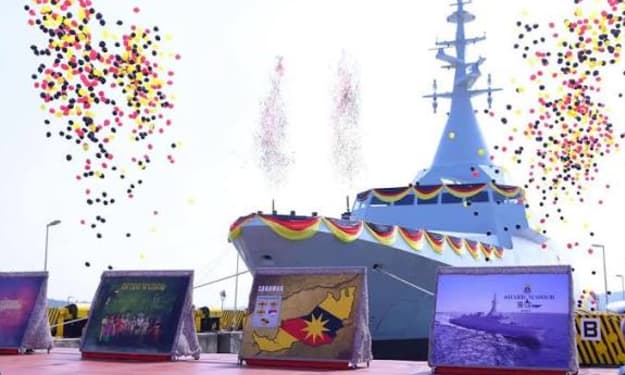
Malaysia Launches Third Littoral Combat Ship. AI-Generated.
Malaysia has officially launched the third of its new littoral combat ships, marking a significant step forward in the modernization of its navy and maritime defence capabilities. The vessel’s launch at the Boustead Naval Shipyard facility in Kuala Lumpur was attended by senior military officials, government representatives, and defence industry partners, underscoring Kuala Lumpur’s commitment to strengthening its naval posture in contested waters. The new combat ship, designated KD Maharaja Lela II, will be the third in a series of modern surface combatants designed to operate in littoral — or near‑shore — environments. The series is part of Malaysia’s broader naval modernization plan aimed at addressing evolving maritime security challenges, including piracy, smuggling, and regional territorial disputes. Enhancing Maritime Security Malaysia’s strategic location along the Strait of Malacca — one of the world’s busiest sea lanes — makes maritime security a national priority. The patrol of these waters and surrounding exclusive economic zones (EEZs) necessitates a navy equipped with agile, networked, and well‑armed vessels capable of responding quickly to asymmetric threats and maintaining presence in contested areas. The littoral combat ship project, officially known as the Second Generation Patrol Vessel (SGPV) programme, reflects a shift towards modular, multi‑mission platforms that can be tailored for anti‑surface, anti‑air, and anti‑submarine operations. Unlike larger warships designed for open‑ocean engagements, littoral combat ships combine speed, flexibility, and advanced sensor suites suitable for complex coastal environments. A Milestone in Naval Capability Speaking at the launch ceremony, Malaysia’s Defence Minister hailed the event as a “significant milestone” in the Royal Malaysian Navy’s development. He noted that the new vessel would enhance Malaysia’s ability to safeguard its maritime interests, contribute to regional security initiatives, and participate in joint exercises with friendly navies. The ceremony included a traditional ship blessing, speeches from military leaders, and remarks from industry partners involved in the ship’s design and construction. Officials emphasized the importance of national industrial participation, with local firms contributing to systems integration, hull fabrication, and electronics packages. “The launch of the third littoral combat ship demonstrates Malaysia’s commitment to building a capable, credible navy,” the defence minister said. “This vessel strengthens our deterrence and increases our capacity to protect sovereign waters and maritime resources.” Technical Features and Capabilities While specific details of the ship’s capabilities remain classified, defence analysts say the SGPV series incorporates state‑of‑the‑art sensors, communication systems, and weaponry suited for multifaceted missions. Typical configurations include a 76mm main gun, close‑in weapon systems (CIWS), anti‑ship missiles, and a flight deck capable of supporting naval helicopters or drones. Modular design allows mission packages to be swapped out depending on operational needs, enabling the ship to transition from combat engagements to humanitarian assistance and disaster relief missions. Naval experts note that the ships’ automation and advanced command and control systems reduce crew requirements while enhancing situational awareness — a valuable feature for long patrols and networked operations with allied forces. Regional Implications The launch is occurring amid heightened maritime security concerns in Southeast Asia, where competing territorial claims in the South China Sea have underscored the need for capable naval assets among littoral states. Malaysia, like its neighbours, has been investing in naval upgrades to protect its EEZ, enforce national jurisdiction, and participate in freedom of navigation operations and regional patrols. Malaysia’s move has drawn attention from regional partners including Indonesia, Singapore and Association of Southeast Asian Nations members, who have expressed support for cooperative maritime security initiatives. Analysts say that while the new littoral combat ships are not designed to alter regional power balances, they contribute to a collective boost in naval capacity that enhances deterrence and stability in contested waters. Industry and Economic Impact The SGPV programme has also stimulated Malaysia’s defence industry, creating jobs and fostering skills in naval design, systems integration, and advanced manufacturing. Officials note that local suppliers have benefitted from contracts related to the programme, which could position Malaysian firms for future participation in international naval markets. Defence economists highlight that such investments not only improve national security but also contribute to long‑term industrial growth and technological development. Next Steps With the launch ceremony complete, the third littoral combat ship will undergo outfitting, sea trials, and crew training before it enters active service. The Royal Malaysian Navy expects all SGPV vessels to be fully operational within the next year, enhancing fleet readiness and response capacity. The launch of KD Maharaja Lela II underscores Malaysia’s focus on maritime defence and its determination to safeguard its sovereignty and economic interests in an increasingly contested regional theatre.
By Fiaz Ahmed 4 days ago in The Swamp
Pakistan, US Sign Pact to Redevelop New York’s Roosevelt Hotel. AI-Generated.
Pakistan and the United States have signed a landmark agreement to redevelop the historic Roosevelt Hotel, marking a new phase in bilateral economic and real estate cooperation. The deal aims to transform the long-shuttered property in Midtown Manhattan into a modern, multi-purpose complex while preserving its architectural heritage. Officials from both governments confirmed that the redevelopment project will be carried out through a joint framework involving Pakistan International Airlines’ investment arm and U.S.-based development partners. The Roosevelt Hotel, owned by Pakistan through its national airline, has remained closed since 2020, becoming a symbol of both financial strain and untapped potential. A Strategic Asset Reimagined Located just steps from Grand Central Terminal, the Roosevelt Hotel has long been considered one of Manhattan’s most valuable properties. Built in 1924, it once hosted presidents, film stars, and global dignitaries. However, years of declining tourism and rising operational costs forced its closure during the pandemic. Under the newly signed pact, the site will be converted into a mixed-use facility combining hospitality, residential units, office space, and community services. Project planners say the redevelopment will be aligned with New York City’s evolving urban needs, including housing demand and commercial revitalization. A senior Pakistani official described the agreement as “a breakthrough in unlocking the value of overseas national assets.” He added that the project would generate long-term revenue for Pakistan while strengthening commercial ties with the United States. Economic and Diplomatic Significance The agreement reflects improving economic cooperation between Pakistan and the United States, particularly in investment and infrastructure sectors. Analysts say the Roosevelt redevelopment could serve as a model for future public-private partnerships involving foreign-owned properties in major U.S. cities. U.S. officials welcomed the move, emphasizing that the project would bring new jobs and stimulate local business activity in Midtown Manhattan. Construction and renovation work is expected to employ hundreds of workers over the next several years, with long-term positions created once the complex becomes operational. “This project represents confidence in New York’s recovery and in international collaboration,” said a city development spokesperson. Financial Recovery for Pakistan For Pakistan, the Roosevelt Hotel has been a financial burden in recent years. Losses linked to maintenance and missed commercial opportunities prompted debates over whether the asset should be sold outright or leased to developers. The new pact avoids a full sale, instead opting for redevelopment under a long-term lease and revenue-sharing model. Officials familiar with the agreement said Pakistan would retain ownership while benefiting from steady income generated through commercial operations. This approach, they argue, protects a strategic overseas asset while addressing fiscal pressures faced by Pakistan’s aviation and tourism sectors. The deal also aligns with Islamabad’s broader strategy to monetize state-owned assets and attract foreign investment without sacrificing national ownership. Preservation and Modernization Urban planners involved in the project have pledged to preserve key elements of the Roosevelt Hotel’s historic façade and interior design. At the same time, the complex will be upgraded with modern energy systems, digital infrastructure, and safety features. Community leaders in New York City have expressed cautious optimism, urging developers to ensure that the redevelopment includes public spaces and affordable housing components. City authorities say discussions are underway to integrate social and environmental priorities into the final design. Timeline and Next Steps The redevelopment is expected to begin after regulatory approvals and design finalization, which could take up to a year. Initial projections suggest phased construction over three to five years, depending on market conditions and financing arrangements. Joint oversight committees from both countries will monitor progress and ensure compliance with contractual and legal frameworks. Transparency provisions have been included to address past concerns about the management of overseas state assets. A Symbol of Renewal Beyond bricks and mortar, the Roosevelt Hotel redevelopment carries symbolic weight. Once a beacon of glamour and later a reminder of pandemic-era decline, the property is now positioned as a sign of renewal and cooperation between two longtime partners. As one official noted, “This is not just about a building. It is about restoring value, confidence, and trust in shared economic ventures.” If successful, the project could redefine how governments manage overseas assets and set a precedent for collaborative urban redevelopment in global cities.
By Fiaz Ahmed 4 days ago in The Swamp
Exclusive: Riyadh Wants to Replace Israel with Syria for Greece Fibre-Optic Cable Route. AI-Generated.
Saudi Arabia is pushing for a major revision to a planned undersea fibre-optic cable linking the Middle East with Europe, seeking to reroute the project through Syria instead of Israel, according to regional officials and industry sources familiar with the negotiations. The proposal would connect the cable to Greece, offering a shorter and potentially cheaper digital corridor between Asia and Europe. The project, backed by Saudi investment and supported by several Gulf and European telecom operators, is designed to strengthen data connectivity between the Middle East and Europe while reducing reliance on congested routes through the Red Sea and Egypt. However, Riyadh’s push to bypass Israel reflects broader geopolitical calculations as well as technical and regulatory concerns. Strategic Shift in Routing Under earlier plans, the cable would have passed from the Gulf through Israel and then onward to the Mediterranean before reaching Greece. Saudi officials now argue that routing through Syria would provide greater political control over infrastructure and avoid dependence on a country with which Riyadh does not maintain formal diplomatic relations. A senior regional official said the change was driven by “sovereignty and security considerations” rather than purely commercial factors. “Saudi Arabia wants to ensure that critical digital infrastructure remains under friendly and cooperative jurisdictions,” the official noted. The revised route would cross Saudi territory, enter Syria via Jordan or Iraq, and then continue under the Mediterranean Sea to Greece. Engineers say the route is technically feasible, though it would require new landing stations and regulatory approvals from Damascus and European partners. Syria’s Return to Regional Projects For Syria, the proposal could represent a major economic opportunity and a symbolic step toward reintegration into regional infrastructure networks after years of isolation due to civil war and international sanctions. Syrian authorities have reportedly welcomed the idea, viewing it as a way to generate transit revenue and rebuild damaged telecommunications systems. Telecom analysts say Syria’s geographic position makes it a natural bridge between the Gulf and Europe. “From a purely technical standpoint, Syria offers one of the shortest land corridors to the Mediterranean,” said a regional infrastructure consultant. “The challenge is political risk and long-term stability.” Israel Factor and Regional Politics Israel had been considered a strong candidate for the original route because of its advanced telecom infrastructure and proximity to Europe. But Saudi officials are reluctant to rely on Israeli territory for a project they view as strategically sensitive. Although Saudi Arabia and Israel have cooperated indirectly in security matters, formal diplomatic ties have not been established. The rerouting effort comes amid renewed tensions in the region and shifting alliances following the Gaza war and broader instability in the Middle East. An Israeli industry source said the proposal, if implemented, would be “a missed opportunity for regional digital integration.” “Israel has the infrastructure and experience to handle such a project efficiently,” the source said, adding that excluding Israel could increase both cost and risk. European and Commercial Concerns European partners, including Greek authorities, are said to be cautiously evaluating the Saudi proposal. Greece sees the project as a way to strengthen its role as a digital gateway between Europe and the Middle East, but officials are concerned about the regulatory and security implications of routing through Syria. Brussels has not publicly commented, but diplomats note that European Union sanctions on Syria could complicate financing and insurance for the project. Private telecom companies involved in the consortium are reportedly pressing for guarantees that the route will not expose them to legal or reputational risks. One executive involved in the talks said the consortium is studying multiple options. “We are balancing geopolitics, engineering feasibility, and long-term reliability. This is not just about laying a cable; it’s about creating a stable digital highway for decades.” Saudi Digital Ambitions The fibre-optic project is part of Saudi Arabia’s broader push to become a global data and technology hub under its Vision 2030 economic diversification plan. Riyadh has invested heavily in data centers, cloud services, and international connectivity to attract tech firms and financial institutions. Officials argue that controlling major data routes will enhance national security and reduce dependence on traditional chokepoints such as the Suez Canal. Recent disruptions to Red Sea cables caused by maritime incidents have reinforced Saudi concerns about vulnerability. “Digital infrastructure is now as important as oil pipelines,” said a Saudi technology policy adviser. “Whoever controls the routes controls the future of data trade.” Uncertain Outcome Negotiations over the route are still at an early stage, and no final decision has been made. Industry insiders say pressure from European regulators and commercial partners could yet restore Israel to the plan or result in a hybrid solution with multiple landing points. For now, Riyadh’s push to replace Israel with Syria underscores how geopolitics is reshaping even the most technical infrastructure projects. What was once an engineering decision has become a diplomatic balancing act involving regional rivalries, post-war reconstruction, and Europe’s digital security. As one Western diplomat observed, “This cable is not just about faster internet. It’s about influence, trust, and who sits at the crossroads of tomorrow’s data economy.”
By Fiaz Ahmed 4 days ago in The Swamp
UAE Resident Wins Credit Card Case After Court Rejects Bank’s Fine-Print Claim. AI-Generated.
A landmark consumer rights ruling in the United Arab Emirates has strengthened legal protections for banking customers after a court rejected a lender’s attempt to rely on fine-print clauses to justify disputed credit card charges. The judgment is being widely viewed as a significant precedent in cases involving unclear contractual terms and customer consent. The case was heard in the Dubai Courts, where a UAE resident challenged a commercial bank over penalties and interest charges applied to his credit card account. The bank argued that the fees were lawful under the card’s terms and conditions, which it said the customer had accepted when signing the agreement. However, the court ruled that the clauses cited by the bank were ambiguous, insufficiently disclosed, and did not meet legal standards of transparency and fairness. Dispute Over Hidden Charges According to court documents, the customer noticed a sharp increase in his outstanding balance despite making regular monthly payments. Upon inquiry, he was informed that the bank had imposed additional fees and higher interest rates based on provisions contained in the contract’s fine print. The customer filed a civil claim, arguing that he had never been clearly informed of such charges and that the bank had failed to explain the financial implications of the contract at the time of issuance. His legal team contended that essential terms related to penalties and interest must be communicated in a clear and prominent manner, not buried within dense legal language that ordinary consumers cannot reasonably be expected to interpret. Court Rejects Fine-Print Defense In its ruling, the court stated that financial institutions bear a duty to ensure that customers fully understand key contractual obligations. It emphasized that reliance on obscure or technical clauses without explicit explanation violates principles of good faith and consumer protection embedded in UAE law. The judge found that the bank had not proven that the customer knowingly consented to the disputed charges. As a result, the court ordered the cancellation of the penalties and directed the bank to recalculate the outstanding balance without the contested fees. Legal observers say the ruling sends a strong signal that courts will not automatically side with banks when contracts lack clarity. “This judgment underlines that fine print cannot override fairness,” said a Dubai-based consumer rights lawyer familiar with the case. Implications for the Banking Sector The decision could have wide-reaching consequences for banks and credit card issuers across the UAE. Financial institutions may now be required to revise their contract templates and improve how they explain fees, interest rates, and penalties to customers. Industry analysts noted that many disputes arise from misunderstandings about variable interest rates, late payment charges, and administrative fees. Courts are increasingly scrutinizing whether banks have fulfilled their obligation to disclose such terms in plain language. “This ruling reinforces that transparency is not optional,” said a financial compliance consultant. “Banks will need to ensure that customers clearly acknowledge critical terms, not just sign lengthy documents.” Consumer Rights Strengthened For consumers, the case is being hailed as a victory against what many describe as unfair or hidden banking practices. Advocacy groups argue that customers often lack bargaining power and legal knowledge when entering financial agreements. “This judgment restores balance between banks and individuals,” said a consumer protection advocate. “It confirms that contracts must be understandable and that customers should not be trapped by clauses they were never properly informed about.” The ruling also encourages residents to challenge questionable charges rather than assume that bank statements are final and unchangeable. A Broader Legal Trend The case reflects a broader trend in the UAE judiciary toward reinforcing commercial fairness and accountability. Courts have increasingly focused on ensuring that contractual relationships respect transparency and mutual consent, particularly in sectors such as banking and insurance where technical language is common. Legal experts predict that similar cases could emerge as more consumers become aware of their rights and of the court’s willingness to examine fine-print clauses critically. Conclusion The UAE resident’s victory represents more than a personal financial win; it sets a precedent for clearer communication and ethical practices in the banking industry. By rejecting the bank’s fine-print defense, the court has affirmed that contractual obligations must be visible, understandable, and fairly applied. As banks reassess their customer agreements and disclosure methods, the ruling may help reshape the relationship between financial institutions and consumers, promoting trust and accountability in one of the country’s most vital sectors.
By Fiaz Ahmed 4 days ago in The Swamp