Fiaz Ahmed
Bio
I am Fiaz Ahmed. I am a passionate writer. I love covering trending topics and breaking news. With a sharp eye for what’s happening around the world, and crafts timely and engaging stories that keep readers informed and updated.
Stories (1242)
Filter by community
US Lawmakers Demand Accountability for Palestinian-American Teen Detained in Israel. AI-Generated.
A bipartisan group of United States lawmakers has formally demanded answers and accountability from the United States Department of State regarding the treatment of a Palestinian-American teenager who was detained by Israeli military authorities for nearly ten months under troubling conditions. The lawmakers’ letter to Marco Rubio highlights concerns over the teen’s treatment, alleged abuses during detention, and broader human rights implications for Palestinian minors held under Israel’s military justice system. Ten Months in Custody The focus of the lawmakers’ concerns was Mohammed Ibrahim, a U.S. citizen from Florida who was 15 when he was arrested in the West Bank in mid-February 2025 by Israeli soldiers during a pre-dawn operation. According to the letter and consular reports, Mohammed was held for almost ten months without trial and -- while in custody – suffered significant physical and psychological hardship. His family and U.S. consular officials raised alarms about his condition, saying he lost a large portion of his body weight and developed untreated skin conditions. In their letter, the lawmakers said that while detained, Mohammed and other Palestinian minors in his cell were “beaten, threatened, pepper-sprayed in the face, and denied adequate food and medical care.” One of his cellmates, 17-year-old Walid Ahmad, died during detention, with his autopsy showing signs of prolonged malnutrition and untreated injury. Mohammed was finally released on November 27, 2025, and was immediately hospitalized due to his deteriorated health following his detention. Lawmakers’ Demands Led by Peter Welch, Chris Van Hollen, and Kathy Castor, the group of 15 senators and representatives wrote to Secretary Rubio asking for detailed answers about how Ibrahim’s case was handled by U.S. officials and what steps have been taken to hold accountable any Israeli personnel responsible for abuses. Specifically, the lawmakers asked whether U.S. consular officers had met with Ibrahim since his release, whether the United States had requested an impartial investigation by the State of Israel into the alleged mistreatment, and whether any members of the Israel Defense Forces or the Israel Prison Service had faced consequences. In their letter, the lawmakers also raised concerns about systemic practices they say deny basic rights to Palestinians, especially children, in military detention — a critique that goes beyond a single case to question broader treatment standards under Israel’s military judicial and detention systems. Broader Concerns Over Juvenile Detention Human rights groups and civil rights advocates have long criticized the treatment of Palestinian minors in Israeli detention, citing frequent use of administrative detention (detention without charge) and military court proceedings that do not meet civilian legal standards. Reports have documented cases of harsh interrogation methods, limited access to legal counsel, and poor detention conditions. The lawmakers’ letter underscores these broader concerns while centering the case of a U.S. citizen whose welfare allegedly deteriorated significantly during custody. By elevating the issue to the highest levels of U.S. foreign policy oversight, members of Congress are signaling that they expect more robust engagement by the U.S. government when American citizens abroad face potential violations of due process or basic protections. U.S. Government and Diplomatic Context The Biden administration and previous U.S. governments have generally maintained close defense and diplomatic relations with Israel while sometimes expressing concern over individual cases involving American citizens detained overseas. In response to similar cases, the State Department has occasionally dispatched consular officials to monitor conditions and advocate for citizens’ rights. At the same time, lawmakers’ frustrations expressed in the letter reflect a belief among some U.S. officials that prior responses were inadequate and that more assertive diplomacy is warranted. The letter explicitly requests information on what steps the State Department has taken to ensure accountability and prevent recurrence. Persistent Human Rights Questions The case of Mohammed Ibrahim has drawn attention from civil rights advocates, faith-based groups, and international law observers, who argue that the treatment of detainees — especially minors — must meet international standards. The involvement of U.S. lawmakers underscores how individual detentions can become diplomatic flashpoints, particularly when they involve allegations of mistreatment and the health or afety of citizens abroad. As the letter awaits a response from the State Department, the case continues to illuminate tensions between U.S. foreign policy priorities, legal protections for its citizens, and ongoing human rights concerns within the broader context of the Israeli-Palestinian conflict.
By Fiaz Ahmed 5 days ago in The Swamp
Nothing You Can Do’ — Older Patients ‘No Longer Feel Protected’. AI-Generated.
Across the United Kingdom, a growing number of older patients and care advocates are sounding the alarm over what they describe as a deterioration in the quality, safety, and dignity of healthcare services for Britain’s ageing population. From long waits for basic care to perceptions that the health system no longer safeguards their rights, many elderly patients say they feel increasingly vulnerable and overlooked. Patients Speak Out “For many of us, it feels like we are invisible,” said Margaret Davies, 78, who has lived with chronic respiratory illness for more than a decade. “You come into hospital needing help, and the message you get is: there’s nothing you can do. It’s humiliating — and frightening.” Davies’ experience is increasingly echoed by older patients across the country. Reports from patient advocacy groups and local health forums indicate that delays in treatment, understaffed wards, and a sense of frustration among frontline staff are affecting not only medical outcomes but the emotional wellbeing of seniors who rely on the National Health Service for care. “I ended up waiting eight hours for a bed last winter,” recalled 82-year-old George Patel. “No one told us why. There were people lying on stretchers in corridors. It’s like they treat us as if we don’t matter.” Rising Concerns Over Safety and Standards Healthcare professionals confirm that wards treating elderly patients are under severe pressure. Some say that deteriorating conditions are not simply about individual care but reflect systemic issues — including workforce shortages, bed shortages, and funding constraints. “Nurses and doctors are committed, but they are stretched beyond what is safe,” said one senior clinician, who spoke on condition of anonymity. “We are constantly firefighting. That impacts older patients most — they need time, patience, and careful attention.” Studies show that older adults are more likely to be admitted with complex needs, including multiple chronic conditions, mobility challenges, and cognitive issues such as dementia. This makes continuity of care essential, yet critics argue that fragmented services and staffing pressures are compromising care quality. An interim report by a patient safety advocacy group noted that “older patients are disproportionately affected by delays, inadequate discharge planning, and insufficient support in community settings.” It added: “Many elderly patients feel they are treated as a burden rather than as individuals with rights to respectful, safe care.” Discharge and Community Care Challenges Another flashpoint for older patients has been hospital discharge. Relatives and carers frequently describe situations where seniors are released with minimal planning, sometimes arriving home with no support in place. One caregiver, whose 85-year-old mother was recently discharged after a fall, said: “They just handed her a bag of medications and told us to manage. There was no follow-up, no care plan, nothing. It’s like an assembly line.” Local community care services, already under strain, struggle to fill the gap. Councils warn that rising demand and tight budgets are making it harder to provide timely home support — and elderly patients are bearing the brunt. Government and NHS Response Officials from the Department of Health and Social Care acknowledge the concerns but argue that reforms are underway. A spokesperson said: “We recognise the pressures on health and social care services, particularly for older people. Efforts are ongoing to increase funding, recruit more healthcare staff, and improve integrated care between hospitals and community services.” The spokesperson emphasized initiatives to expand geriatric care training and improve patient flow out of hospitals. “Older patients deserve safe, dignified care. We are committed to delivering that,” they said. However, campaigners argue that limited progress and slow implementation mean change has yet to be felt on the ground. They are calling for more robust staffing targets, better oversight of care standards, and long-term investment in community support — so that elderly patients are not left waiting or pushed through the system without individualised attention. Broader Social Implications Advocates say the issue goes beyond healthcare; it touches on how society values its ageing population. “This isn’t just a health policy problem — it’s a moral one,” said a spokesperson for a UK ageing advocacy network. “Older adults are our parents, grandparents, neighbours. When they tell us they no longer feel protected, that should shake us all.” The organization has launched a campaign to collect testimonies from older patients and their families, aiming to push policymakers for action ahead of upcoming health spending decisions. Conclusion As the UK grapples with rising demand on its health and social care system, the voices of older patients — once quiet, now urgent — reflect deep unease. With pressures mounting on hospitals, community care, and staffing, many feel that the safety net they once relied upon has frayed. Whether through policy change, funding reform, or cultural shifts in how elderly care is prioritised, advocates and patients alike say that meaningful action cannot wait.
By Fiaz Ahmed 5 days ago in Longevity
Germany and France Choose Two Sharply Different Paths for Their Armies, Especially on Tank Warfare. AI-Generated.
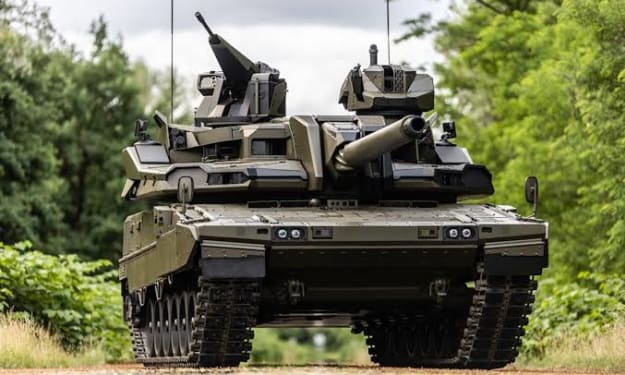
Germany and France are charting markedly different courses in the modernization of their armed forces — particularly in how they approach tank warfare — reflecting diverging strategic priorities, budgetary pressures, and assessments of future battlefield requirements. As European security dynamics evolve in the wake of Russia’s war in Ukraine, both nations are rethinking traditional ground combat capabilities. But where France opts to sustain and enhance heavy armored formations, Germany is pursuing a more cautious path that prioritizes systems integration, mobility, and broad coalition interoperability over independent heavy armor investments. France’s Heavy Armor Emphasis France remains committed to maintaining a robust armored force centered around its Leclerc tank, widely considered one of Europe’s most capable main battle tanks. Modernization efforts include upgrading protection systems, networking capabilities, and fire control — ensuring the platform stays relevant against advanced threats. French Army officials argue that heavy armor remains a cornerstone of deterrence and high-intensity conflict capability. “We see armored battalions as essential for both deterrence and decisive action in the event of major conflict,” said a senior French defense analyst. “Tanks and tracked vehicles provide survivability and shock effect that lighter forces cannot match.” Paris has integrated its armor strategy into broader reforms of its French Armed Forces, including investments in mechanized infantry, artillery modernization, and unmanned systems that support armored maneuver warfare. The French approach reflects confidence that tanks, properly networked and supported, will remain relevant even as battlefield technologies evolve. Germany’s Different Direction In contrast, Germany has adopted a more nuanced stance on heavy armor. While Germany continues to operate modern Leopard 2 tank tanks — including those supplied to Ukraine — it has placed a stronger emphasis on mobility, logistical flexibility, and long-range fires. German defense policy documents outline a vision of forces that can integrate seamlessly into NATO operations, contribute to expeditionary missions, and provide rapid reinforcement rather than field-heavy armored brigades intended for sustained independent high-intensity combat. “Germany’s strategic environment and defense doctrine have shifted,” said a Berlin-based defense expert. “The priority is interoperability, air mobility, and combined arms rather than defaulting to a tank-centric force structure.” This shift does not mean Germany is abandoning tanks entirely — rather, it is balancing armored capability with investments in drones, anti-tank guided missiles, electronic warfare, and cyber assets that support modern maneuver warfare without relying on sheer mass. Diverging Budgets and Industrial Considerations Budgetary realities also help explain the different paths. France has maintained relatively stable defense appropriations, enabling sustained investment in heavy platforms. Germany, however, has grappled with competing fiscal pressures, including energy transition costs and social spending priorities, alongside defense budget commitments. The German defense industry is also adapting, focusing on technologies that complement NATO’s emphasis on integrated warfare across domains. German firms are investing in autonomous ground systems, sensor fusion technologies, and next-generation communication networks that extend battlefield awareness but do not necessarily translate into new tank programs. Operational Perspectives Operational experience in Ukraine has contributed to these assessments. Tanks have played a highly visible role on the battlefield, offering both protective platforms for crews and formidable firepower. But they have also faced vulnerabilities, particularly to drones, loitering munitions, and modern anti-armor weapons. French military planners argue that proper combined arms integration — where tanks operate with infantry, close air support, and electronic warfare — mitigates these risks. German analysts are more inclined to emphasize tactics that reduce the exposure of heavy armor to sophisticated enemy sensors and guided weapons. Allied Implications The diverging paths have implications for NATO cohesion and European defense planning. France’s commitment to heavy armor supports alliance deterrence capability, while Germany’s emphasis on mobility and integration strengthens rapid reaction and interoperability. Allies generally welcome the complementary strengths but note that clear coordination is essential. “Different approaches can be advantages if they fit into a coherent collective defense posture,” said an alliance official. “France and Germany each contribute capabilities that, together with other partners, form a balanced and resilient force.” Conclusion France and Germany’s contrasting decisions on their military futures — particularly regarding tank warfare — reflect differing historical experiences, strategic assessments, and resource environments. France’s sustained investment in heavy armor underscores its confidence in the continued relevance of tanks within combined operations. Germany’s broader, systems-focused approach prioritizes adaptability, mobility, and alliance integration. As threats on Europe’s eastern flank and beyond continue to evolve, the success of these divergent paths — and how effectively they complement one another within collective defense frameworks — will shape European security for years to come.
By Fiaz Ahmed 5 days ago in The Swamp
Russia-Ukraine peace talks end after two hours. AI-Generated.
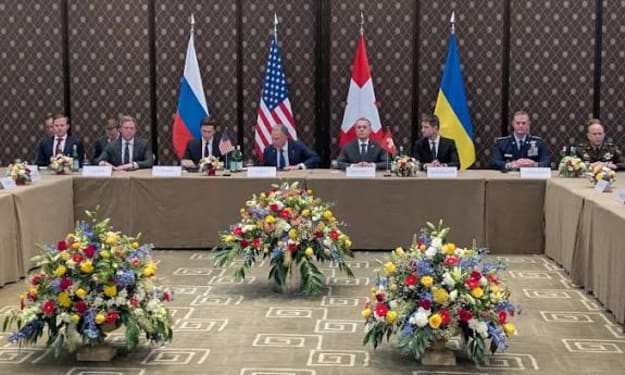
Russia‑Ukraine Peace Talks End After Two Hours A brief and tense round of peace negotiations between Russia and Ukraine concluded on Wednesday after just two hours of closed‑door discussions, with both sides acknowledging that no substantive agreements were reached. The short duration of the talks reflects deep disagreements over core issues, even as international actors continue to urge both capitals to engage in more extensive diplomacy. Talks at a Glance The meeting, held in a neutral European capital under the auspices of international facilitators, brought together senior diplomats and military advisers from both sides. Expectations for progress had been modest, given the lack of tangible movement in recent negotiations. Still, observers hoped the talks might at least open a sustained dialogue. Instead, representatives spent the limited time reaffirming their positions on key points of contention, including territorial control, ceasefire commitments, prisoner exchanges, and security guarantees. Ukrainian negotiators emphasized the need for clear, verifiable commitments to end hostilities and restore sovereignty over territories currently under Russian control. Russian representatives reiterated their stance that any negotiated outcome must reflect Russia’s strategic interests and security concerns. Divergent Positions A senior Ukrainian official described the talks as “disappointing” but said Kyiv remains committed to finding a diplomatic path forward, even if it requires further rounds of negotiation. “We made our position clear,” the official said. “We cannot compromise on issues of territorial integrity and the rule of international law. Peace must be based on respect for Ukraine’s sovereignty.” A Russian delegate used similar language, framing Russia’s approach as grounded in security needs. “We continue to seek assurances that will prevent further escalation,” the delegate said. “But any agreement must be achievable and sustainable, not dictated by external pressure.” International Reaction International reaction was swift. United Nations diplomats expressed regret at the lack of progress and reiterated calls for renewed engagement. A spokesperson for the U.N. Secretary‑General said that the short meeting “underscores the complexity of the issues at stake” and renewed the appeal for both parties to prioritize diplomacy over continued conflict. European Union leaders also weighed in. Officials in Brussels described the talks as an important symbolic step but urged both sides to return to the negotiating table with “greater political will and flexibility.” The NATO echoed similar sentiment, stating that while military responses remain under consideration, diplomacy must remain a central component of efforts to end the war. Challenges on the Ground Despite international pressure to negotiate, fighting continues in multiple regions, with military analysts reporting ongoing clashes along the front line. Recent skirmishes have hindered humanitarian access and displaced civilians, complicating efforts by aid groups to deliver food, medicine, and shelter to affected communities. Security experts warn that without meaningful diplomatic breakthroughs, the conflict risks further entrenchment. “The war has hardened positions on both sides,” said a regional affairs analyst. “When leaders feel they have the upper hand or fear losing ground, it becomes harder to make the concessions necessary for peace.” Implications for Future Talks Despite the limited outcome, both sides indicated they are open to future sessions. Negotiators from Ukraine reportedly conveyed a willingness to meet again once preconditions related to ceasefire enforcement and international monitoring are addressed. Meanwhile, Russian officials suggested that further talks could occur, provided they include discussions on security guarantees and economic ties — issues Moscow has repeatedly emphasized. International mediators are now reviewing the brief session and preparing proposals for potential future negotiations. Among the options under consideration are confidence‑building measures — such as localized ceasefires and humanitarian corridors — that could ease tensions and create conditions conducive to broader peace discussions. Conclusion The two‑hour Russia‑Ukraine peace talks may have ended without agreement, but they did not mark the end of diplomatic efforts. Deep divisions on core issues remain a formidable barrier to peace. However, the very act of dialogue underscores that diplomacy continues to be pursued even amid active hostilities. For the millions affected by the conflict, the urgent need for a durable ceasefire and a negotiated settlement remains clear. Whether future talks can bridge the divide between entrenched positions will depend on a combination of international pressure, strategic reconsiderations, and political will on both sides. As negotiators return to their capitals, the world watches closely, hoping that the next round of diplomacy yields more than words and gestures — and instead yields a path toward lasting peace.
By Fiaz Ahmed 5 days ago in The Swamp
U.S. Military Moves Into Place for Possible Strikes in Iran. AI-Generated.
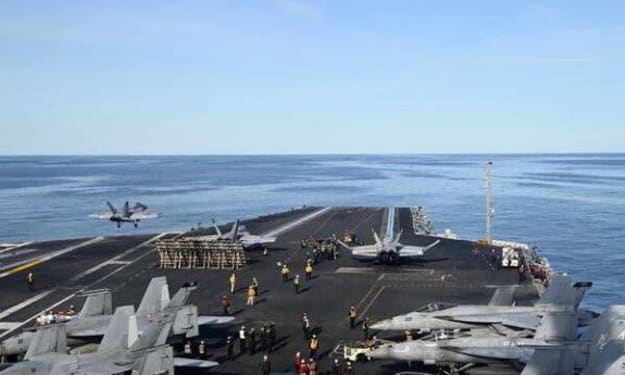
Tensions in the Middle East escalate as American forces position for potential action The United States military has significantly repositioned forces across the Middle East, including naval strike groups, combat aircraft, and support assets, in what officials describe as preparation for possible operations against Iran. While President Donald Trump has not yet ordered a strike, the buildup marks one of the most substantial U.S. deployments in the region in decades, signaling both readiness for military action and continued pressure on Tehran amid stalled diplomacy. The Times of India +1 Massive Force Mobilization Over recent weeks, the United States has moved multiple carrier strike groups, jets, bombers, and missile defense systems into positions advantageous for rapid offensive or defensive operations. The USS Gerald R. Ford and USS Abraham Lincoln carrier strike groups are now operating within the broader Middle East theater, backed by destroyers, cruisers, and support vessels equipped with advanced weapons systems. Fighter aircraft, including F‑22 Raptors, F‑35 stealth fighters, and F‑16 multirole jets, have been deployed to bases in Jordan, the Gulf states, and nearby regions. Surveillance aircraft, such as the E‑3 Sentry AWACS and U‑2 reconnaissance platforms, are also repositioned to enhance situational awareness over Iranian airspace and maritime approaches. The military buildup is one of the largest in the Middle East in recent memory, drawing comparisons to deployments during earlier conflicts in the region. More than 150 U.S. military cargo aircraft have delivered ammunition and systems to the theatre, while fighter squadrons have taken positions that would support both air superiority and strike missions. www.israelhayom.com Possible Targets and Strategic Aims Analysts say that any potential strikes on Iran would likely focus on a combination of nuclear infrastructure, missile sites, air defenses, and naval facilities. Military planners are also reportedly considering targeting aspects of Iran’s conventional military capabilities to blunt its ability to retaliate. The National Some assessments suggest that U.S. operations could be sustained for several weeks if directed, resembling a broader campaign rather than a single, limited strike. Such a campaign would involve not only air and naval strikes but also specialized missions aimed at suppressing Iranian air defenses to enable further operations. While U.S. officials have publicly emphasized a preference for diplomacy, the scale of the deployments underscores Washington’s readiness to pursue military options should negotiations falter. Iranian officials, in turn, have fortified key military and nuclear sites, reflecting their own anticipation of conflict. Diplomatic Backdrop The military buildup is taking place alongside ongoing diplomatic efforts. Indirect negotiations between U.S. and Iranian representatives continue in Geneva and elsewhere, aiming to reach a framework that could ease tensions over Iran’s nuclear program. Despite some “guiding principles” being acknowledged by negotiators, concrete progress remains elusive, and Tehran has been resistant to key U.S. demands. President Trump has made public remarks suggesting that he sees value in a change of leadership in Tehran, though he has framed diplomacy as the preferred route. “A change in power in Iran would be the best thing that could happen,” he said recently. Regional Risks and Responses The positioning of U.S. forces has prompted reactions from regional governments and global observers. Iran temporarily closed the Strait of Hormuz for live‑fire drills—a strategic waterway through which a significant portion of global oil exports transit—raising concerns about escalation and economic ripple effects. Allied partners in the region, including Gulf Arab states and NATO members, are monitoring developments closely. While some nations have supported increased U.S. deterrence posture, others emphasize caution to avoid a wider conflagration. The Decision Point Ahead Despite the buildup, the administration has not formally ordered kinetic military action. Officials describe the deployments as “credible deterrence” and “force preparation,” ensuring that a broad range of options are ready if diplomatic efforts fail and national security interests are directly threatened. RadioFreeEurope/RadioLiberty Military analysts note that a decision to strike Iran carries significant risks, including potential retaliation against U.S. forces or regional allies, escalation into broader conflict, and unpredictable impacts on global energy markets. As tensions remain high, the window for resolving the crisis peacefully may narrow, but diplomacy continues to run in parallel with military readiness. For now, the U.S. military remains poised: aircraft, ships, and strike systems are in place, ready to act if directed, while Iran strengthens its defenses and prepares its own responses. The coming days and weeks could prove critical in determining whether the situation moves toward confrontation or de‑escalation.
By Fiaz Ahmed 5 days ago in The Swamp
Children Injured by NHS Can Claim Damages for Lifetime Lost Earnings, Court Rules. AI-Generated.
A landmark court ruling in the United Kingdom has established that children who suffer injuries due to NHS negligence may claim damages to cover lifetime lost earnings, setting a significant precedent in medical negligence law. The decision, delivered by the High Court, underscores the responsibility of healthcare providers to compensate young patients for long-term economic impacts resulting from treatment errors or lapses in care. The Case at Hand The ruling emerged from a case involving a child who sustained a serious injury at birth due to a mismanaged medical procedure in an NHS hospital. The injury has left the individual with lifelong disabilities, significantly limiting their employment prospects. The child’s legal representatives argued that damages should account not only for immediate medical expenses but also for future loss of earnings, educational opportunities, and career potential. In a detailed judgment, the court agreed, emphasizing that the economic consequences of such injuries can extend over decades and should be factored into compensation awards. “Children injured by healthcare negligence should receive full reparation for the lifelong disadvantages they face,” the judgment stated. Legal Implications Legal experts describe the ruling as a major development in personal injury and medical negligence law. Traditionally, damages for children were calculated using standard formulas with assumptions about future earning capacity, often constrained by age at the time of settlement. The new precedent ensures that courts take a more comprehensive approach, incorporating realistic projections of lifetime earnings, potential career paths, and inflation-adjusted compensation. “This decision recognizes the long-term impact of medical errors on a child’s future,” said Harriet Collins, a solicitor specializing in personal injury law. “It aligns compensation more closely with the principle of full restitution, acknowledging that a lifelong disability affects every aspect of a person’s economic and social life.” NHS and Policy Response The NHS expressed concern over the potential financial implications of the ruling but emphasized that patient safety and accountability remain paramount. A spokesperson stated, “We are reviewing the court’s decision carefully. While this may affect how claims are calculated in future, our priority remains providing high-quality care and learning from any incidents to prevent harm.” The Department of Health and Social Care is reportedly assessing guidance for NHS trusts on risk management and claims handling in light of the decision, aiming to balance fiscal responsibility with patient rights. Impact on Future Claims The ruling is expected to influence ongoing and future litigation involving childhood injuries. Lawyers anticipate an increase in claims seeking comprehensive compensation for lost earnings, particularly in cases involving permanent disabilities or conditions that significantly limit employment opportunities. Medical negligence organizations note that while the ruling increases potential compensation awards, it also encourages proactive safety measures and improved patient care standards. “The message is clear: healthcare providers must prioritize prevention of avoidable harm,” said Professor David Moore, an expert in medical law. Broader Societal Implications Beyond legal and financial considerations, the ruling has wider social significance. It highlights the economic and personal challenges faced by children with lifelong injuries and reinforces the societal responsibility to ensure justice for vulnerable patients. Advocates argue that adequate compensation can help families cover additional support costs, specialized education, and care needs, contributing to better quality of life for affected individuals. Conclusion The High Court’s decision affirms that children harmed by NHS negligence are entitled to compensation that accounts for lifetime lost earnings, marking a transformative moment in medical law. By recognizing the long-term economic impact of healthcare injuries, the ruling sets a precedent that will shape legal practice, NHS policy, and the rights of patients for years to come. As the healthcare system continues to grapple with resource constraints and litigation risks, the judgment serves as a reminder of the enduring responsibility of medical institutions to safeguard the well-being and futures of their youngest patients.
By Fiaz Ahmed 5 days ago in Longevity
Drone Strikes in Sudan’s Kordofan Region Take a Toll on Civilians and Aid Operations. AI-Generated.
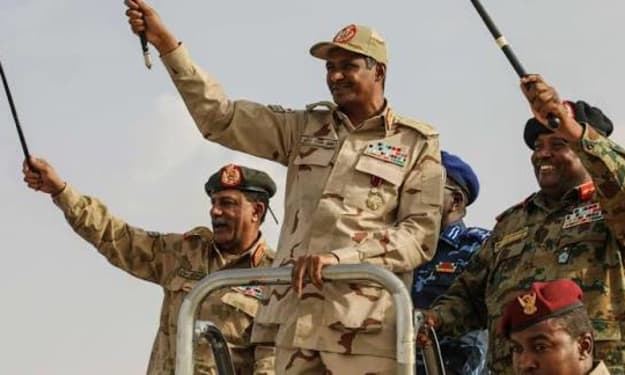
Drone strikes in Sudan’s Kordofan region have intensified in recent weeks, leaving a mounting toll on civilians and complicating already fragile humanitarian operations. Local authorities, aid workers, and independent observers report that the use of unmanned aerial weapons in populated areas has disrupted everyday life, displaced families, and hindered efforts to deliver food, medical supplies, and basic services. Surge in Drone Activity Residents and humanitarian agencies say that drone strikes—attributed to military forces and allied armed groups operating in Kordofan—have become more frequent and seemingly less discriminating in their targets. The strikes have hit villages, marketplaces, and roads used by civilians, leading to significant loss of life and property. A spokesperson for a local community group described the mood in affected areas as one of fear and uncertainty. “People no longer feel safe even in their homes,” the spokesperson said. “We hear the hum of drones overhead, and every strike threatens a civilian area.” Doctors and nurses at clinics in the region report treating increasing numbers of patients with injuries consistent with drone munitions, including shrapnel wounds, blast trauma, and burns. Hospitals operating with limited supplies are overwhelmed, forcing staff to ration care. Impact on Humanitarian Operations The drone strikes have severely disrupted humanitarian aid delivery. Convoys carrying food, water, and medical supplies have been forced to reroute or halt operations due to safety concerns. Aid groups operating in the region, including both Sudanese and international organizations, warn that the ongoing strikes are making it increasingly difficult to reach populations in need. A senior aid official working in Kordofan said that the presence of active drone operations has made it nearly impossible to negotiate safe corridors. “When drones are present, vehicles and personnel are at risk,” the official said. “We cannot justify sending teams into areas where we have no guarantee of protection.” The strikes have also driven displacement, compounding an already fragile situation. Families fleeing danger have sought shelter in makeshift camps, where overcrowding, poor sanitation, and a lack of services pose additional health risks. Civilian Casualties While accurate figures remain difficult to verify, local sources and humanitarian monitors estimate that dozens of civilians have been killed or injured in recent strikes. Among the victims are children and elderly residents who were not involved in any armed activity. One survivor recounted how a drone strike hit a small market, killing relatives and neighbors who had gathered to buy basic supplies. “We were just trying to get food for our family,” the survivor said. “Then the explosion came. Everything changed in an instant.” Human rights organizations have documented cases where drone strikes appear to have hit areas well outside active conflict zones, raising concerns about the standards used to select targets and the safeguards in place to protect civilians. International and Regional Response The escalation in drone strikes has drawn condemnation from human rights groups and diplomatic representatives. Calls for restraint and accountability have intensified, with some observers urging increased monitoring and reporting mechanisms to document potential violations of international humanitarian law. However, external pressure has so far had limited impact on the conduct of military actors in the Kordofan region. Analysts note that the use of drones, including both surveillance and armed systems, has become a tactical preference for forces seeking to project power without exposing personnel. Neighboring countries and regional organizations have expressed concern that instability in Sudan could have spillover effects, including increased refugee flows and cross-border tensions. Efforts to broker ceasefires or limited truces have repeatedly stalled, in part due to mistrust between combatants. Humanitarian Challenges Aid groups stress that the consequences of continued drone strikes extend beyond immediate casualties. Supply shortages, economic disruption, and psychological trauma are creating layers of long-term hardship. Children in affected areas face interrupted schooling, food insecurity, and increased vulnerability to disease. A field coordinator for an international relief agency said that adapting to the changing security environment has required constant adjustments. “We are trying to innovate, adjust routes, and pre‑position supplies where possible,” the coordinator said. “But the unpredictability of drone strikes makes it extremely hard to plan effectively.” Looking Ahead As fighting and drone use continue, humanitarian needs are expected to grow. Observers warn that without a reduction in hostilities and meaningful diplomatic engagement, the conflict in Kordofan will continue to exact a heavy toll on civilians already struggling with poverty and displacement. Human rights advocates insist that all parties to the conflict must respect international law and protect non‑combatants. Aid agencies are appealing for renewed diplomatic efforts, greater protection for humanitarian workers, and expanded mechanisms to document and respond to abuses. The situation in Kordofan remains volatile, with no immediate end in sight to the drone strikes and their devastating impact on civilian life and relief operations. As the conflict unfolds, the toll on ordinary families and humanitarian responders alike continues to deepen.
By Fiaz Ahmed 5 days ago in The Swamp
France’s Billion-Euro Edge in the Race to Sell Four Cutting-Edge Frigates to Sweden. AI-Generated.
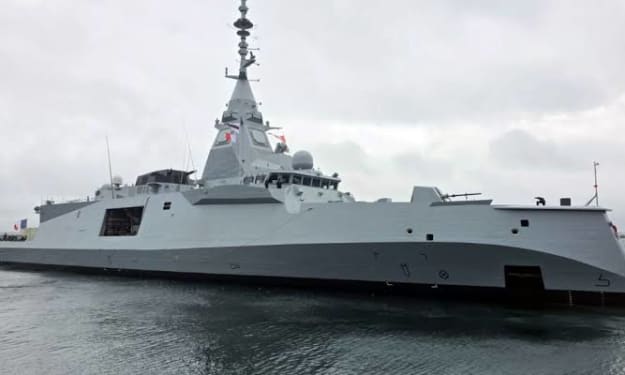
France is reportedly leading the competition to supply Sweden with four next-generation frigates, positioning itself ahead of rival bidders with a combination of advanced technology, cost efficiency, and strong political backing. The potential deal, valued at over €1 billion, underscores France’s ambition to expand its naval export footprint while strengthening defense ties with Nordic countries. Advanced Capabilities Drive French Advantage Sources close to the procurement process say that France’s proposed frigates feature state-of-the-art stealth designs, integrated missile defense systems, and versatile modular capabilities that allow the vessels to perform multiple roles—from anti-submarine warfare to air defense and humanitarian operations. “The French offering combines proven technology with operational flexibility,” said a defense analyst familiar with the bid. “Sweden sees value not only in the platforms themselves but in the long-term support and upgrades that France can provide.” The proposed frigates are designed for interoperability with NATO fleets and incorporate advanced electronic warfare systems, radar, and sonar arrays. Analysts note that modular mission bays could allow Sweden to adapt the vessels for emerging threats, an increasingly important factor as maritime security dynamics evolve in the Baltic Sea region. Cost and Industrial Considerations France’s edge is not only technical. Officials indicate that the French bid is economically competitive, offering favorable financing terms, domestic industrial participation, and long-term maintenance contracts. Swedish authorities have emphasized that value for money and lifecycle costs are critical in their evaluation. French shipbuilders have reportedly pledged to involve Swedish firms in key subsystems, creating local jobs and fostering industrial cooperation. This approach contrasts with other bidders, whose proposals may rely more heavily on imported components, limiting domestic benefits for Sweden. Political Backing Political support has also reinforced France’s position. Senior French officials have actively engaged with Swedish counterparts, highlighting shared defense priorities, regional security concerns, and the benefits of a strategic partnership. Analysts suggest that strong diplomatic engagement may have tipped the balance in France’s favor compared with competitors. “Deals of this magnitude are rarely won on technology alone,” said a European defense expert. “Political alignment, industrial cooperation, and strategic signaling all play a role.” Competition from Other Nations France faces competition from other European shipbuilders, including Germany, Italy, and the Netherlands, each offering advanced frigate designs with varying capabilities and cost structures. German and Dutch vessels are known for reliability and modular design, while Italian designs emphasize speed and versatility. However, sources indicate that Sweden views France’s combination of technology, support package, and financing as superior to other options. Preliminary evaluations reportedly favor the French bid, though Swedish officials caution that the final decision will consider technical trials, political factors, and long-term operational costs. Strategic Implications For France, securing this deal would reinforce its position as a major naval exporter in Europe, complementing ongoing programs with other NATO allies. Analysts say it could also strengthen defense ties in the Baltic region, a strategically sensitive area given recent geopolitical tensions. For Sweden, acquiring French frigates would provide a leap in capability, enhancing its maritime security and interoperability with allied forces. The decision also signals a commitment to modernizing its fleet amid evolving threats in Northern Europe, including submarine incursions and missile proliferation. Next Steps Swedish authorities are expected to conduct technical trials and further assessments before announcing a formal contract. While the French bid currently leads, officials stress that the process remains competitive and that evaluations will be thorough, balancing capability, cost, and long-term strategic value. Conclusion France’s combination of advanced frigate technology, competitive financial terms, and strong political engagement gives it a clear edge in Sweden’s multi-billion-euro naval procurement program. The decision will not only shape the future of the Swedish fleet but also influence European naval industry competition and regional defense cooperation for years to come.
By Fiaz Ahmed 5 days ago in The Swamp
Hundred-Year Reveal: Catalonian Chalet Confirmed as Gaudí Work in Centenary Year. AI-Generated.
A Catalonian chalet long admired for its whimsical architecture has been officially confirmed as the work of legendary architect Antoni Gaudí, almost a century after it was first built. Experts announced the discovery in 2026, coinciding with the centenary of the architect’s death, offering a remarkable new insight into the early phases of Gaudí’s creative journey. Architectural Confirmation The chalet, located in a quiet corner of Catalonia, had been previously attributed to an anonymous designer, though its organic forms, curved lines, and intricate detailing suggested a Gaudí influence. After extensive archival research, structural analysis, and stylistic comparison, historians confirmed the chalet’s provenance as part of Gaudí’s oeuvre. “The evidence is overwhelming,” said Dr. Marta Puig, a Gaudí scholar who led the investigation. “From the fluid forms in the roofline to the mosaic ornamentation, every element aligns with his early style. This chalet offers a unique window into the evolution of his architectural language.” The structure features signature elements of Gaudí’s work, including undulating facades, intricate ironwork, and a playful integration of natural motifs. Unlike his more famous public works such as Sagrada Familia or Park Güell, this private residence reflects a period when Gaudí was experimenting with forms and materials, blending Catalan Modernism with organic inspiration drawn from the surrounding landscape. Historical Context Built in 1926, the chalet coincided with a period of intense experimentation for Gaudí, who was exploring residential design alongside his monumental projects in Barcelona. The discovery sheds light on his work outside the city, revealing how he adapted his visionary ideas to more intimate, domestic environments. Local historians note that the chalet was commissioned by a wealthy Catalonian industrialist who had close ties to the Barcelona artistic community. Original sketches, recently uncovered in private archives, show Gaudí’s hand in every detail—from the distinctive roof curves to the sculptural chimneys. “This finding allows us to trace the dialogue between Gaudí and his patrons,” said architectural historian Josep Riera. “It illustrates the degree of creative freedom he enjoyed and the boldness of his design choices even in private commissions.” Cultural Significance The confirmation has been met with excitement in Catalonia and beyond. Cultural authorities are considering the chalet for heritage protection, ensuring it is preserved as part of Gaudí’s legacy. Tours and educational programs may be developed to allow the public to experience a lesser-known facet of the architect’s work. “This is more than a building,” said Puig. “It is a piece of living history that connects us to Gaudí’s imagination, almost a hundred years later.” The centenary year amplifies the significance, providing a symbolic moment for reflection on the breadth of his contributions to modern architecture. Challenges and Preservation Despite the jubilation, experts caution that the chalet requires careful conservation. Time and exposure to the elements have caused deterioration in some of the decorative elements. Conservationists recommend immediate stabilization measures, including restoration of mosaic tiles and reinforcement of structural elements, to protect it from further decay. The revelation also raises questions about other overlooked Gaudí works in the region. Scholars hope that similar archival research could uncover additional early projects, further enriching the understanding of the architect’s development. Legacy and Public Engagement The chalet will likely become a focal point for cultural tourism in Catalonia, alongside Gaudí’s more famous landmarks. Local authorities emphasize that any public access will be carefully managed to balance tourism with preservation, ensuring the site remains intact for future generations. “This centenary discovery reminds us that Gaudí’s influence extends far beyond his iconic city landmarks,” said Riera. “Every curve, every detail carries a story, and now we have a new story to share with the world.” Conclusion Almost a hundred years after its construction, the chalet’s confirmation as a Gaudí masterpiece represents a remarkable addition to the architect’s body of work. The centenary of his death provides a poignant backdrop for this revelation, highlighting both the enduring legacy of Gaudí and the continued fascination with his innovative, organic vision. Preservation efforts and public engagement will ensure that this newly recognized treasure continues to inspire architects, historians, and visitors for decades to come.
By Fiaz Ahmed 5 days ago in The Swamp
Turkey’s President Rejects Israel’s Recognition of Somaliland. AI-Generated.
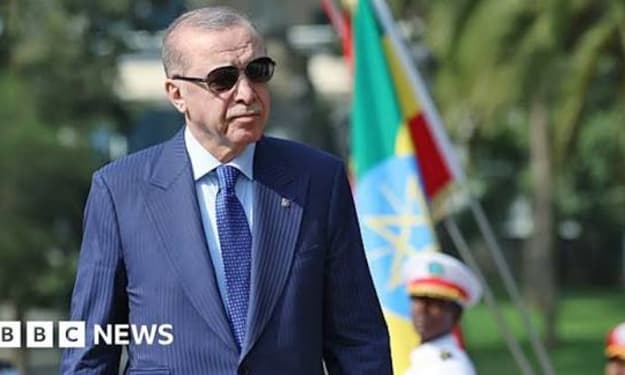
Turkish President Recep Tayyip Erdogan has strongly rejected Israel’s reported move toward recognizing Somaliland, calling it a violation of international law and a dangerous step that could destabilize the Horn of Africa. Ankara reaffirmed its commitment to Somalia’s territorial integrity, signaling that Turkey will oppose any actions that undermine the sovereignty of the Somali state. Firm Diplomatic Response In a statement issued following a high-level cabinet meeting, Erdogan said that any recognition of Somaliland as an independent state would be “unacceptable and illegitimate.” He stressed that such a move contradicts long-standing international consensus supporting Somalia’s unity and risks fueling new political and security tensions in the region. “Somalia’s territorial integrity is not negotiable,” Erdogan said. “Unilateral recognition of Somaliland would deepen instability in an already fragile region and damage efforts aimed at achieving lasting peace and development.” Turkey’s Foreign Ministry echoed the president’s remarks, urging all countries to respect Somalia’s sovereignty and warning that recognition of breakaway regions sets a troubling precedent in global diplomacy. Background on Somaliland Somaliland declared independence from Somalia in 1991 following the collapse of the central government. Despite maintaining relative stability and its own governing institutions, Somaliland has not been internationally recognized as a sovereign state. The international community, including the United Nations, continues to view it as part of Somalia. Reports that Israel may be considering recognition of Somaliland have sparked controversy across Africa and the Middle East. Somali authorities have condemned the idea, while regional actors fear it could encourage further fragmentation and complicate diplomatic relations in the Horn of Africa. Turkey’s Strategic Interests Turkey has invested heavily in Somalia over the past decade, becoming one of the country’s closest international partners. Ankara has funded infrastructure projects, humanitarian aid programs, and military training initiatives for Somali security forces. Turkey also operates a major military training base in Mogadishu and plays a key role in supporting the Somali government’s fight against militant groups. Analysts say Turkey’s reaction reflects both diplomatic principles and strategic interests. “Ankara sees Somalia as a key partner in Africa,” said a regional expert. “Any move that weakens the Somali state directly affects Turkey’s political influence and long-term investments in the region.” Regional and International Implications Israel’s potential recognition of Somaliland could reshape alliances in the Horn of Africa. Supporters of Somaliland argue that international recognition would strengthen its institutions and promote stability. Critics, however, warn that it would provoke tensions with Somalia and possibly inflame regional rivalries involving Ethiopia, Djibouti, and other neighboring states. Turkey’s rejection places it firmly on the side of Mogadishu and aligns it with the broader position of the African Union, which has consistently upheld Somalia’s territorial integrity. Diplomats fear that any unilateral recognition could undermine ongoing mediation efforts and complicate international peacekeeping missions in the area. Political Messaging Erdogan also used the issue to criticize what he described as double standards in international politics. He argued that recognition decisions should not be driven by short-term strategic interests but by respect for sovereignty and international law. “This is not just about Somaliland,” Erdogan said. “It is about whether global rules apply equally to all nations.” His remarks were widely interpreted as a broader critique of Western and Israeli foreign policy in the region. Conclusion Turkey’s rejection of Israel’s recognition of Somaliland underscores the sensitivity of territorial and sovereignty issues in the Horn of Africa. By taking a strong public stance, Ankara has reinforced its role as a key supporter of Somalia and a vocal advocate of territorial integrity under international law. As diplomatic tensions grow, the controversy is likely to test relations between Turkey and Israel while placing renewed focus on Somaliland’s unresolved status. Observers say the issue could become another flashpoint in an already complex regional landscape, where questions of recognition, security, and influence remain deeply intertwined.
By Fiaz Ahmed 5 days ago in The Swamp
US, European Navies Push Lego-Like Modularity to Boost Ships’ Combat Punch. AI-Generated.
The United States and several European navies are accelerating efforts to adopt modular ship design, a concept often compared to Lego-style building blocks that can be rapidly swapped to change a vessel’s mission profile. Military planners believe this approach will allow fleets to respond faster to emerging threats, reduce costs, and dramatically increase the combat effectiveness of surface warships. At the heart of the initiative is the idea that ships no longer need to be built for a single role such as anti-submarine warfare or air defense. Instead, modular vessels can be equipped with mission-specific packages that include sensors, weapons, and command systems, enabling rapid adaptation for different operational scenarios. A Shift in Naval Warfare Naval officials say modularity reflects the changing nature of maritime conflict, where threats range from missile attacks and drone swarms to cyber operations and undersea warfare. Traditional ship designs, which lock in equipment for decades, are increasingly seen as too rigid for modern battlefields. “We need ships that can evolve as fast as the threats,” a senior officer from the United States Navy said. “Modular systems allow us to upgrade capabilities in months rather than years.” European navies are pursuing similar strategies. Germany, the Netherlands, and the United Kingdom are testing modular mission bays that can house containerized missile launchers, unmanned systems, or medical facilities. These standardized modules can be loaded onto ships using cranes and integrated with onboard combat systems through common software interfaces. Boosting Combat Power Proponents argue that modularity increases a fleet’s “combat punch” by allowing commanders to tailor each ship to specific missions. A frigate deployed for patrol duties can quickly be reconfigured for high-intensity combat by adding missile or electronic warfare modules. This flexibility also supports coalition operations. NATO navies are working toward common module standards so that allied ships can share equipment and logistics. According to defense planners, this could allow a ship from one country to carry another nation’s weapons or sensors during joint operations. An official involved in NATO naval modernization programs said modularity could become a cornerstone of alliance interoperability. “It’s not just about ships,” the official explained. “It’s about creating a plug-and-play ecosystem across allied fleets.” Lessons From Early Experiments The concept is not entirely new. The U.S. Navy’s Littoral Combat Ship program introduced modular mission packages years ago, though technical challenges and cost overruns slowed its progress. European designs, particularly from Scandinavian navies, have shown greater success by focusing on fewer, more reliable modules and stronger integration standards. Recent trials in the North Sea and Mediterranean demonstrated that ships equipped with modular drone-launch systems and containerized missile batteries could switch roles within days rather than months. These exercises convinced planners that modularity is no longer experimental but operationally viable. Industrial and Budget Implications Shipbuilders and defense contractors are rethinking production models to accommodate modular construction. Instead of building highly specialized ships, companies are designing hulls that serve as flexible platforms for future upgrades. Defense economists argue that modularity can reduce long-term costs by extending ship lifespans and avoiding expensive midlife overhauls. However, critics caution that standardization across nations will be difficult and that cybersecurity risks increase when systems rely heavily on software integration. “There is a tradeoff between flexibility and complexity,” said a European naval analyst. “The more modular a ship becomes, the more critical it is to protect its digital architecture from hacking or disruption.” Strategic Outlook As tensions rise in the Indo-Pacific and Europe’s eastern waters, navies are under pressure to field forces that are both agile and lethal. Modular ships are seen as a way to counter adversaries that are deploying large numbers of missiles, drones, and submarines. Officials from the NATO say modularity also supports deterrence by allowing allied navies to surge combat capabilities quickly without building entirely new fleets. Conclusion The push for Lego-like modularity marks a significant transformation in naval design philosophy. By turning warships into adaptable platforms rather than fixed-purpose vessels, the U.S. and European navies hope to gain a decisive edge in future maritime conflicts. While technical and organizational challenges remain, defense leaders believe modularity offers the best path forward for fleets facing rapid technological change and unpredictable security threats. If successful, tomorrow’s warships may be defined less by their hulls and more by the mission modules they carry into battle.
By Fiaz Ahmed 5 days ago in The Swamp
Russia-Ukraine Talks Live: ‘Difficult’ Negotiations End, More Planned. AI-Generated.
Negotiations between Russia and Ukraine concluded after what both sides described as “difficult but necessary” discussions, with officials confirming that further talks are planned in the coming days. The latest round of diplomacy comes amid continued fighting along multiple фронts and mounting international pressure to find a path toward de-escalation. Delegations met at a neutral venue under tight security, with mediators from regional partners facilitating the dialogue. While no breakthrough agreement was announced, negotiators said the talks helped clarify positions on key issues including ceasefire arrangements, humanitarian corridors, and prisoner exchanges. Cautious Statements From Both Sides Ukrainian representatives said discussions were tense and marked by sharp disagreements, particularly over territorial questions and security guarantees. A senior Ukrainian official described the meeting as “a step forward in communication, though not yet in compromise.” “The talks were difficult, but they were necessary,” the official said. “We made clear our red lines and our expectations for any future settlement.” Russian negotiators echoed the description, acknowledging that the dialogue exposed deep divisions but insisting that diplomacy remains preferable to prolonged confrontation. “There is no simple solution,” one Russian delegate stated. “However, continued dialogue is the only way to address the concerns of both sides.” Key Topics on the Table According to sources familiar with the negotiations, the agenda focused on three main areas: Ceasefire mechanisms to reduce active hostilities in selected regions. Humanitarian access, including safe passage for civilians and aid deliveries. Confidence-building measures, such as expanded prisoner swaps and the protection of critical infrastructure. While neither side committed to a full ceasefire, there were indications that limited pauses in fighting could be explored to allow humanitarian operations. International organizations monitoring the situation welcomed any effort to reduce civilian suffering, calling the talks a “modest but meaningful development.” International Reaction Western governments and regional allies reacted cautiously to news of the talks. European officials urged both parties to remain engaged and warned that a collapse in diplomacy could worsen instability across the continent. Diplomats stressed that the success of future rounds would depend on tangible steps rather than statements. “Dialogue is important, but actions will determine whether progress is real,” said one European envoy involved in indirect mediation efforts. The United Nations reiterated its call for restraint and respect for international humanitarian law, noting that millions of civilians remain affected by the conflict. Aid agencies have reported severe shortages of food, medicine, and shelter in several contested areas. Challenges Ahead Analysts say the negotiations face significant obstacles. The gap between Russian and Ukrainian demands remains wide, especially regarding territorial control and long-term security arrangements. Trust is also limited, with both sides accusing each other of violating previous informal agreements. “Each round of talks is as much about testing intentions as it is about resolving issues,” said a regional security expert. “These discussions are fragile and could stall quickly if military developments overshadow diplomatic efforts.” Despite the challenges, observers argue that the continuation of talks itself is a positive sign. It suggests that neither side has fully abandoned the prospect of a negotiated outcome, even as battlefield dynamics remain volatile. Next Steps Officials confirmed that additional meetings are being scheduled, possibly with expanded participation from international mediators. Technical working groups are expected to address humanitarian concerns and logistical issues before political negotiations resume. Ukrainian leaders have emphasized that any agreement must preserve national sovereignty and ensure long-term security. Russian officials, meanwhile, maintain that their strategic objectives must be reflected in any future settlement. Conclusion The latest round of Russia-Ukraine talks ended without a breakthrough but with a shared acknowledgment that dialogue must continue. Labeling the negotiations as “difficult,” both sides signaled a willingness to meet again, offering a cautious glimmer of diplomatic engagement amid ongoing conflict. Whether these discussions lead to meaningful progress remains uncertain. For now, the talks represent a fragile channel of communication in a war that continues to reshape regional politics and global security. As preparations begin for the next round, international observers will be watching closely for signs that words can translate into action.
By Fiaz Ahmed 5 days ago in The Swamp