Fiaz Ahmed
Bio
I am Fiaz Ahmed. I am a passionate writer. I love covering trending topics and breaking news. With a sharp eye for what’s happening around the world, and crafts timely and engaging stories that keep readers informed and updated.
Stories (1242)
Filter by community
Over 250,000 Korean Cultural Artifacts Located Overseas: Heritage Agency. AI-Generated.
South Korea’s Cultural Heritage Administration (CHA) has reported that more than 250,000 Korean cultural artifacts are currently held outside the country, highlighting ongoing challenges related to heritage preservation, repatriation, and international cooperation. The announcement underscores the widespread dispersal of Korean cultural property across museums, private collections, and archaeological holdings worldwide. Scope of Korean Cultural Dispersal According to the CHA, the artifacts range from ancient pottery, calligraphy, and Buddhist statues to royal court objects and historical manuscripts. Many of these items were taken during periods of foreign occupation, colonial rule, or illicit trade, while others were legally acquired by international museums or collectors. The CHA emphasized that the dispersed nature of these artifacts complicates efforts to document, protect, and eventually repatriate them to South Korea. “Korean cultural heritage represents our national identity and history,” said a CHA spokesperson. “While many artifacts are preserved overseas, their absence from the homeland diminishes opportunities for Koreans to engage with their own cultural legacy.” Efforts Toward Repatriation South Korea has been actively pursuing repatriation initiatives for decades. These efforts include diplomatic negotiations, legal claims, and cooperative agreements with foreign institutions. Notable successes include the return of significant royal court artifacts from Japan and the United States in recent years. The CHA has established specialized task forces to track the location and ownership of Korean artifacts abroad. This includes digitizing records, collaborating with foreign museums, and conducting provenance research to strengthen claims for repatriation. International Challenges Repatriation, however, is a complex and often contentious process. Many foreign institutions argue that artifacts acquired legally cannot be reclaimed, while others cite cultural exchange and conservation benefits. Additionally, political considerations can influence negotiations, especially when dealing with countries that have historical claims or disputes with Korea. Experts also note the challenge of verifying authenticity and tracing provenance for items scattered over multiple centuries and locations. “It’s not just about asking for objects back,” said a cultural heritage scholar. “It requires thorough documentation, international legal frameworks, and cooperative relationships with the institutions holding these items.” Cultural and Educational Impact The dispersal of artifacts has implications beyond legal and diplomatic concerns. Cultural scholars argue that access to original works is critical for education, research, and public awareness. Museums and universities in Korea have long relied on replicas or digital images of key artifacts, limiting the depth of study available to students and researchers. By advocating for repatriation and international loans, South Korea aims to ensure that both domestic and international audiences can engage with the nation’s rich cultural history. The CHA also promotes temporary exhibitions abroad to raise awareness about Korea’s artistic and historical achievements. Strategic Plans and Digital Initiatives To address these challenges, the CHA is investing in digital heritage projects, including the creation of an online repository cataloging all known Korean artifacts worldwide. This platform allows scholars, policymakers, and the public to access detailed information about the artifacts’ history, condition, and current location. The agency has also proposed international agreements to facilitate temporary exhibitions, collaborative research, and long-term loans, fostering a cooperative approach rather than confrontational claims. This strategy aims to strengthen South Korea’s influence in global heritage circles while maximizing access to its cultural treasures. Looking Ahead The announcement of over 250,000 overseas artifacts serves as a reminder of both Korea’s rich historical legacy and the challenges of preserving and reclaiming it. Officials stress that continued international cooperation, legal advocacy, and public engagement are essential to ensure that Korean cultural heritage can be appreciated by future generations. “The preservation and return of cultural artifacts are not just a national priority—they are part of the global responsibility to protect humanity’s shared heritage,” the CHA said. “We will continue to work diligently with international partners to recover and safeguard these treasures.” The report also reinforces the need for awareness campaigns to highlight the significance of cultural heritage and the ongoing efforts to repatriate key artifacts.
By Fiaz Ahmed 6 days ago in Education
The World Finally Saw a Russian Female Skater Again. She Didn’t Disappoint.. AI-Generated.
After months of anticipation, the international figure skating community welcomed the return of a top Russian female skater to global competition, and the performance did not disappoint. Known for her technical precision, artistry, and competitive consistency, she immediately reminded audiences why Russian skaters continue to dominate the sport. A Long-Awaited Return The skater’s absence from the international stage had been notable, leaving fans and competitors alike speculating about her readiness and form. With geopolitical restrictions and sports federation policies affecting Russian athletes’ participation in some events, the global audience had not seen the skater perform under official competitive conditions in recent months. Her reappearance took place at a major international invitational, where she delivered a program that combined intricate jumps, fluid spins, and expressive choreography. The routine was set to a classical composition, allowing her to highlight both technical skills and interpretive artistry—elements for which she has long been celebrated. Technical Excellence Observers were quick to note her flawless execution of triple-triple combinations, difficult spin sequences, and complex footwork. Judges awarded high technical scores, reflecting the skater’s ability to maintain precision under pressure. Analysts pointed out that her jumps, including the triple Lutz and triple Axel, were both technically clean and seamlessly integrated into the program’s flow. Beyond jumps and spins, the skater’s edge work and transitions stood out. Her ability to connect movements with musicality and maintain momentum across the ice floor impressed both judges and the audience. Experts suggest that such attention to detail will make her a strong contender in upcoming world championships, should international participation be permitted. Artistic Performance The skater’s artistry was equally notable. Every element of her program demonstrated a mastery of expression, conveying the emotions embedded in her music choice. Facial expressions, body positioning, and timing were all carefully choreographed, reflecting years of training in Russia’s elite skating schools. Coaches and peers praised her performance, noting that she maintained composure and elegance despite the high stakes and scrutiny associated with returning after a hiatus. “She reminded the world why she is considered among the top-tier skaters,” one coach commented. International Reactions Fans across Europe, North America, and Asia expressed admiration on social media platforms, highlighting the skater’s resilience and skill. Competitors acknowledged the performance as a reminder of Russia’s continued presence in the upper echelons of figure skating. Some noted that the skater’s return injects excitement and competitiveness into an otherwise disrupted competitive season. Implications for the Competitive Season Her comeback carries broader implications for international competitions. With ongoing restrictions on Russian athletes in some events, the timing of her return raises questions about eligibility, rankings, and qualification for championships. Analysts predict that her performances in subsequent competitions could heavily influence both technical and artistic score benchmarks for other competitors. Meanwhile, her training team confirmed that she plans to continue participating in selective events, focusing on maintaining consistency and refining technical elements. Observers expect her to push the boundaries of performance quality and increase the difficulty of routines, a hallmark of Russian figure skating. Looking Ahead For the world of figure skating, the return of this Russian athlete is more than just a single performance—it is a statement of competitive intent and excellence. Her presence in upcoming events promises to elevate the level of competition, challenge fellow skaters, and inspire audiences worldwide. As fans anticipate her next appearances, the message is clear: Russian figure skating remains a dominant force, and its leading female athletes continue to set the standard for technical skill, artistry, and competitive resilience.
By Fiaz Ahmed 6 days ago in Geeks
What the Avalanches in the Alps Mean for Your Ski Holiday. AI-Generated.
As winter sports enthusiasts flock to the European Alps, a series of recent avalanches has prompted renewed safety warnings and raised questions about how these events may affect ski holidays in the region. Authorities in Switzerland, France, Austria, and Italy have all reported increased avalanche activity following heavy snowfall and fluctuating temperatures, making it critical for travelers to understand the implications for their plans. Recent Avalanche Activity Over the past two weeks, multiple avalanches have been recorded across popular ski regions in the Alps. Swiss authorities reported several incidents in the Valais region, while Austria’s Tyrol area saw a series of small to medium-scale avalanches triggered naturally or by skiers. French ski resorts in Chamonix and the Savoie region have also issued alerts, warning that conditions remain unstable in off-piste areas. Meteorologists attribute the uptick in avalanche activity to a combination of heavy snowfall, rapid temperature changes, and wind drift, which create unstable layers of snow on slopes. Ski resorts have responded by closing high-risk areas, deploying controlled avalanche measures, and increasing monitoring, but the risk persists, particularly for those venturing off marked trails. Impact on Ski Resorts and Tourists For visitors planning ski holidays, these developments may mean restricted access to certain slopes or temporary resort closures. Many ski resorts are enforcing stricter safety protocols, such as mandatory avalanche gear for off-piste skiing, guided tours only in certain areas, and enhanced signage to warn of dangerous zones. Resorts emphasize that on-piste skiing remains relatively safe for visitors who follow posted guidance. However, ski instructors and guides advise that off-piste adventures should only be undertaken with professional accompaniment and proper equipment, including avalanche transceivers, probes, and shovels. Safety Recommendations Travelers are encouraged to check daily avalanche bulletins, which are updated by national weather services and local ski authorities. The European Avalanche Warning Services provide region-specific risk ratings, from low to extreme, helping skiers and snowboarders make informed decisions. Experts advise several key precautions: Stay on marked trails whenever possible. If skiing off-piste, go with an experienced guide. Carry and know how to use avalanche safety equipment. Monitor weather forecasts and slope conditions daily. Respect all resort warnings and closures. Broader Implications Beyond immediate safety concerns, the avalanches may also affect ski tourism revenue and travel planning. Tour operators report that some travelers have postponed trips, particularly those seeking off-piste experiences or advanced slopes. Conversely, resorts with lower-risk runs are seeing increased bookings from tourists prioritizing safety. Insurance policies are another factor to consider. Many travel insurers now require proof of safety compliance for off-piste skiing and may limit coverage in areas identified as high-risk for avalanches. Travelers are advised to review policy terms carefully to ensure protection in case of accidents or trip interruptions. Environmental and Climatic Considerations Scientists note that avalanche frequency in the Alps has been influenced by climate variability. Warmer temperatures and inconsistent snowfall patterns can create unstable snow layers, increasing avalanche hazards. Authorities stress the importance of respecting natural conditions and adapting recreational activities accordingly. Looking Ahead Skiers planning holidays in the Alps should remain flexible and prioritize safety. Resorts are expected to continue implementing controlled avalanche measures, including preemptive detonations to reduce snow buildup, while monitoring weather and snowpack stability closely. While avalanches are a natural risk in alpine regions, awareness, preparation, and adherence to safety guidance allow visitors to enjoy skiing and snowboarding responsibly. Travelers who stay informed and respect local advice can still experience a fulfilling ski holiday, even amidst increased avalanche activity.
By Fiaz Ahmed 6 days ago in Longevity
Five More H145M Helicopters for Belgian Internal Security. AI-Generated.
The Belgian government has approved the purchase of five additional Airbus H145M helicopters to strengthen its internal security and defence capabilities, a move that underscores both ongoing military modernisation and heightened focus on domestic emergency response. The decision follows earlier orders of H145M rotorcraft and comes amid broader strategic reviews of Belgium’s air mobility and national security priorities. The expanded fleet — which adds to the existing group of H145Ms already planned for the Belgian Armed Forces and Federal Police — reflects a dual mission profile: supporting military operations and improving response capacity to crises such as natural disasters, civil unrest, and critical infrastructure protection. Under the latest plan, three of the five new helicopters will go to the Defence Component, while two will serve the Federal Police, enhancing cooperation across security services. Strategic Context and Capability Gaps Belgium’s decision fits within a larger trajectory of modernising its military aviation assets. In 2024, Belgium signed a contract to procure a fleet of 15 H145M helicopters for its army and two for the federal police via the NATO Support and Procurement Agency (NSPA), aiming to replace ageing platforms like the Agusta A109 and some older rotary‑wing assets. The H145M is a light multirole helicopter designed to perform a wide range of missions. It can be rapidly reconfigured for troop transport, medical evacuation, reconnaissance, tactical lift, and support operations — qualities that make it suitable for both armed forces and law enforcement requirements. The platform’s flexibility has helped it gain traction across European militaries, with several countries adopting it for a variety of missions. Belgium’s emphasis on the H145M also aligns with broader trends in European defence procurement. Germany, for example, has ordered dozens of H145Ms and variants to expand its own rotary‑wing capabilities, while other nations such as Cyprus and Ireland have added the aircraft to their fleets, highlighting the model’s growing footprint on the continent. Enhancing Internal Security and Civil Support Beyond military missions, the additional H145Ms will play a critical role in domestic security operations. In recent years, Belgian authorities have been investing in capabilities that strengthen national responsiveness to emergencies, including natural disasters, search‑and‑rescue operations, and large‑scale public safety events. The Federal Police’s expanded access to these helicopters will support aerial surveillance, rapid deployment of specialized units, and coordination during crises. Defence Minister Theo Francken has described the expansion as “an efficient and forward‑looking choice,” arguing that it not only increases the armed forces’ operational flexibility but also reinforces Belgium’s capacity to safeguard its citizens at home. Government officials have repeatedly noted that modern, versatile helicopters are vital tools for both everyday security tasks and extraordinary situations, such as severe weather responses or urgent medical transport. Budget, Deliveries and Operational Timeline While the precise cost of the additional five helicopters has not been publicly detailed, the acquisition builds on earlier investment frameworks that accounted for the initial H145M orders. Typically, such procurements include not only the airframes but also associated training, support services, and logistical arrangements to ensure effective operational use. armyrecognition.com Deliveries of the new helicopters are expected to occur over the next few years, with integration into existing fleets planned to begin as earlier H145Ms are delivered and enter service. Belgium’s air bases and supporting infrastructure are already being adapted to host the expanding helicopter fleet, reflecting a long‑term commitment to improving air mobility and security operations across the country. Broader Defence and Regional Implications Belgium’s move to expand its H145M fleet also occurs against the backdrop of evolving NATO and European defence strategies. With heightened focus on collective security and readiness following geopolitical shifts across the continent, investments in flexible, multirole platforms like the H145M contribute to both national capability and alliance interoperability. Default Furthermore, the expanded fleet may help alleviate capacity gaps caused by the retirement of older helicopters and align Belgium’s air capabilities with those of several neighbouring countries, fostering deeper cooperation in joint operations and training exercises.
By Fiaz Ahmed 6 days ago in The Swamp
Kremlin Official Says Russian Navy to Stop West’s Seizure of Merchant Ships. AI-Generated.
A senior Kremlin official has issued a stark warning this week that the Russian Navy could be deployed to prevent Western navies from intercepting or seizing Russian merchant vessels — a move that risks escalating geopolitical tensions over sanctions, maritime law, and global trade routes. Nikolai Patrushev, a longtime close ally of Vladimir Putin and a top Kremlin adviser, told the Russian newspaper Argumenty i Fakty that recent actions by Western powers — particularly the United States, France, the United Kingdom, and several Baltic states — constitute what he termed “piracy‑like attacks” on Russian shipping, and that Moscow must be prepared to respond decisively. “We believe that, as at all times, the best guarantor of navigation safety is the navy,” Patrushev said, framing the potential naval response as a defensive necessity to protect Russia’s economic lifelines rather than an act of aggression. “If we do not resist decisively, the English, the French, and even the Balts will soon be so bold as to try to block access to the seas for our country.” Backdrop: Sanctions and the “Shadow Fleet” The comments come amid intensifying Western efforts to cut off Russia’s access to global trade and cripple key sectors of its economy through sanctions linked to its ongoing war in Ukraine. Western governments have targeted what they call Russia’s “shadow fleet” — a network of tankers and cargo vessels that aim to circumvent sanctions by reflagging, opaque ownership, and indirect trading routes. In recent months, both European and U.S. forces have boarded or seized several Russia‑linked vessels. In January, U.S. forces intercepted a Russian‑flagged tanker in the North Atlantic suspected of violating sanctions tied to Venezuela, while French authorities detained a vessel dubbed the Grinch in the Mediterranean before ultimately releasing it after a multimillion‑euro fine was paid. Western officials counter that such actions adhere to international law and form part of broader efforts to enforce sanctions designed to weaken Russia’s ability to finance its military aggression. France’s foreign minister described the penalty on the Grinch as a necessary response to efforts to undermine sanctions regimes. Moscow’s Maritime Strategy From the Kremlin’s perspective, these interdictions are seen as a threat not only to Russia’s economy but to its sovereign right to conduct trade on the high seas. Patrushev accused NATO of exploring scenarios that include blockades of Russian ports and the seizure of merchant shipping, particularly around Russia’s Kaliningrad exclave, and said Moscow would respond if peaceful solutions fail. PravdaReport “If this situation cannot be resolved peacefully, then the blockade will be broken and eliminated by the navy,” Patrushev said, framing the statement as a matter of national security. He added that Russia needs a more technologically capable and well‑balanced Navy to protect its commercial shipping across distant waters. Anadolu Ajansı Russian state media have touted recent naval exercises with allied countries as part of broader efforts to reinforce maritime cooperation and protect trade routes — although such drills also serve to project power amid heightened global scrutiny. Sputnik International Western Caution and Legal Complexity Western policymakers have so far avoided lethal force in intercepting Russian vessels, relying instead on legal frameworks, financial penalties, and insurance restrictions to enforce sanctions. But the question of whether physical interdiction on the high seas is lawful remains contested. Some allied naval planners argue that vessels with questionable documentation could be treated as stateless and subject to interception — a stance that critics worry might broaden the scope for conflict at sea. While EU authorities have listed hundreds of vessels suspected of aiding Russia’s shadow fleet and banned them from ports and services, actual seizures have been limited, and coordination among Western navies varies by region. Geopolitical Implications Experts say Patrushev’s comments reflect broader Russian concerns about containment and economic isolation. By publicly threatening naval measures, Moscow may be signaling that it views maritime access as a critical frontier in its standoff with Western powers — one that could have far‑reaching implications for global trade, energy markets, and security alliances. Still, many analysts caution that significant naval escalation over merchant shipping remains unlikely in the short term, given the risks of inadvertent conflict with NATO forces and the legal complexities involved. As Russia and the West continue their standoff, the status of merchant shipping and maritime law is poised to remain a flashpoint in the widening geopolitical dispute.
By Fiaz Ahmed 6 days ago in The Swamp
Bangladesh PM Sheikh Hasina Forms Cabinet as Tarique Rahman Unveils Opposition Lineup After Election Win. AI-Generated.
Bangladesh’s political landscape took shape this week as Prime Minister Sheikh Hasina announced her new cabinet following her party’s victory in national elections, while opposition leader Tarique Rahman named a fresh leadership team for the Bangladesh Nationalist Party (BNP), seeking to reassert his authority after a fiercely contested and controversial vote. Hasina’s Awami League secured a decisive parliamentary majority, extending her tenure for a fifth term in office. The cabinet, sworn in at Bangabhaban in Dhaka, included several returning ministers alongside a number of younger technocrats, signaling what officials described as a renewed focus on economic stability, infrastructure development, and inflation control. Key portfolios such as finance, foreign affairs, and home affairs remained in the hands of trusted allies, reinforcing Hasina’s grip on governance at a time of rising global economic uncertainty. In parallel, Tarique Rahman, who remains in self-imposed exile in London, announced a restructured BNP executive committee and policy council, widely seen as an attempt to form a de facto “shadow cabinet.” The move followed the BNP’s rejection of the election outcome, which it claimed lacked credibility due to low turnout and the absence of a neutral caretaker government. In a statement released by BNP headquarters in Dhaka, Rahman said the new leadership team would focus on “restoring democracy, defending civil liberties, and preparing for a future national mandate.” Senior party figures were assigned responsibility for economic policy, foreign relations, and election strategy, mirroring the structure of a formal cabinet. Party officials said the reorganization was meant to demonstrate readiness to govern if political conditions changed. Political analysts view Rahman’s announcement as both symbolic and strategic. “This is a way for Tarique Rahman to remain politically relevant despite being outside the country,” said a Dhaka-based political commentator. “By naming a leadership lineup, he signals to supporters and international observers that BNP considers itself an alternative government-in-waiting.” The election itself was marked by boycotts from major opposition parties and scattered incidents of violence. Government officials defended the process as constitutional and transparent, while international observers expressed concern over the limited competition and restrictions on opposition campaigning. Turnout figures were significantly lower than in previous elections, reflecting public fatigue with political polarization. Hasina’s new cabinet faces pressing challenges, including managing foreign debt, stabilizing the taka, and addressing rising food and fuel prices. Relations with Western governments have also grown more complex amid scrutiny of Bangladesh’s democratic institutions and human rights record. For Tarique Rahman, the political road remains uncertain. Convicted in absentia in corruption cases that he says are politically motivated, he has been unable to return to Bangladesh. Nonetheless, he continues to exert influence over BNP strategy through digital communication and loyal party networks. Observers note that Bangladesh’s politics now appears headed into another period of prolonged tension between a dominant ruling party and an opposition struggling to regain momentum. While Hasina consolidates power through formal state institutions, Rahman is attempting to rebuild opposition credibility through organizational reforms and symbolic gestures. As Bangladesh embarks on another five-year political cycle, both camps claim legitimacy: one through electoral victory, the other through protest and reform. The formation of the new cabinet and the parallel opposition lineup underscores a divided political reality, with stability on one side and unresolved questions about democratic participation on the other.
By Fiaz Ahmed 6 days ago in The Swamp
Anna Akhmatova, Leading Soviet Poet, Is Dead. AI-Generated.
Anna Akhmatova, one of the most powerful and enduring voices of Russian literature, died yesterday at the age of 76 after a long illness. Revered by readers across generations and feared by Soviet authorities for her uncompromising moral vision, Akhmatova leaves behind a body of work that chronicles both private sorrow and the collective suffering of her people. Born Anna Andreyevna Gorenko in 1889 near Odessa, she adopted the pen name Akhmatova in her early twenties and quickly rose to prominence before the Russian Revolution. Her first poetry collections, Evening (1912) and Rosary (1914), established her as a central figure of the Acmeist movement, known for clarity of language and emotional restraint. Her early poems explored love, betrayal, and spiritual yearning with a sharp, economical style that distinguished her from the mystical excesses of her contemporaries. The Bolshevik Revolution transformed both her life and her art. While many writers fled Russia, Akhmatova chose to remain. That decision would cost her dearly. Her former husband, poet Nikolai Gumilyov, was executed in 1921 by the new regime, accused of counterrevolutionary activities. Her only son, Lev Gumilyov, spent many years in Soviet labor camps. These personal tragedies became inseparable from her poetic mission. During the Stalinist purges of the 1930s, Akhmatova was officially silenced. Her works were banned from publication, and she survived largely through translations and the support of loyal friends. It was in this period that she composed Requiem, her most famous cycle of poems, memorializing the suffering of women who waited outside prisons for news of their imprisoned sons and husbands. The verses were too dangerous to write down; friends memorized them, and the manuscripts were burned to avoid detection. For nearly two decades, Akhmatova lived in what she called her “years of silence.” Yet her reputation did not fade. Her poems circulated secretly in handwritten copies, and she became a symbol of moral endurance for younger writers who looked to her as a living link to pre-revolutionary Russian culture. After the death of Stalin, her standing gradually improved. In the late 1950s and early 1960s, selected works were again permitted to appear in print. International recognition followed. She was awarded an honorary doctorate from the University of Oxford in 1965 and traveled abroad for the first time in decades, greeted as one of the great poets of the 20th century. Akhmatova’s later masterpiece, Poem Without a Hero, reflects on the lost world of St. Petersburg society before the Revolution, weaving memory, guilt, and historical reckoning into a complex meditation on time and survival. Critics have compared her role in Soviet culture to that of a witness, recording events not through political slogans but through human voices. Though frail in her final years, she continued to revise and organize her poetry, determined that her work would reach future generations intact. Friends describe her as austere yet warm, fiercely independent, and deeply conscious of her responsibility as a poet in a society that had sought to erase her. Anna Akhmatova’s death closes a chapter in Russian literary history that began before the Revolution and endured through terror, war, and repression. Her poems stand as testimony to suffering without surrender and to the power of language in the face of silence. In the words she once wrote, “I was then with my people, there where my people, unfortunately, were.” That line now serves as her epitaph and her legacy.
By Fiaz Ahmed 6 days ago in Fiction
China’s dancing robots: how worried should we be?. AI-Generated.
China’s cutting-edge humanoid robots captivated global audiences this week when state-backed firms showcased an unprecedented display of synchronized dancing, martial arts and acrobatics on national television — a spectacle that has prompted both awe and serious strategic debate across technology and security circles. The robots took center stage during the 2026 Spring Festival Gala — one of the most-watched television events in the world — where machines developed by leading Chinese robotics companies executed complex choreography, from folk-dance routines to kung-fu-inspired movements. The performance was widely interpreted not merely as entertainment, but as a demonstration of China’s rapid progress in humanoid robotics and artificial intelligence. The Guardian From Showmanship to Strategic Significance In recent years, China has poured resources into advancing its robotics sector, driven in part by national initiatives that aim to make the country a global leader in AI and intelligent manufacturing. The spectacle of dancing robots — able to balance, move in formation and coordinate with precision — reflects progress in mechanical design, perception systems and control algorithms. According to industry leaders, such displays have dual value. For companies like Unitree Robotics, public performances serve as both commercial showcases and real-world research tests for technologies they hope to deploy in industrial and service applications. Executives argue that mastering full-body movement is a prerequisite to practical use cases, from logistics and manufacturing support to care services for aging populations. Yet experts warn against overhyping the stage performances. Despite impressive coordination in controlled environments, many observers contend that today’s humanoid robots still lack the adaptability necessary for complex real-world tasks outside precise, scripted routines. Critics note that mobility and perception remain challenges in unstructured environments — for example, navigating cluttered factory floors or performing unpredictable domestic chores. The Guardian Economic and Industrial Ramifications Robotics is now a strategic priority for China’s government and private sector alike, with the market projected to expand dramatically in the coming decade. Industry forecasts suggest the humanoid robot sector alone could be worth hundreds of billions of yuan by 2030, fueling investment and stimulating growth across related fields such as machine intelligence and sensor technologies. State policy has encouraged the proliferation of robotics firms and R&D initiatives across major Chinese tech hubs. At the same time, some internal warnings have emerged about the risk of an “investment bubble” as capital pours into the humanoid segment without clear, scalable commercial applications. The National Development and Reform Commission has publicly cautioned about the potential oversaturation of the market, highlighting concerns that future returns may lag expectations. The Times of India Security and Geopolitical Dimensions Beyond economics, dancing robots have triggered broader strategic questions. In some Western policy and security circles, China’s advances in robotics are viewed through the lens of technological competition with the United States and its allies. Robots that today dance on a stage could tomorrow play roles in logistics chains, disaster response or autonomous systems in contested domains. There is also unease about vulnerabilities inherent in AI-powered machines. Some analysts warn that widespread deployment of networked humanoid robots could expose critical systems to cyberattacks or surveillance risks, particularly if controls and safeguards lag behind development. Although these concerns are speculative, they underscore the importance of robust governance frameworks as robotics move from laboratories to everyday life. (analyst synthesis) Public Reaction and Cultural Impact Chinese audiences have largely greeted the dance-robot spectacle with enthusiasm and national pride, interpreting it as a sign of technological achievement. Social media platforms were flooded with clips from the gala, and searches for robot technology surged in the days following the broadcast. The Times At the same time, social commentary reflects a wider global conversation about automation’s impact on jobs and society. As robots become more capable, questions are emerging about what tasks they should perform, how they might affect employment, and how humans will adapt to a future shaped by intelligent machines. Conclusion: China’s dancing robots are neither merely toys nor imminent threats. They represent a milestone in a long-term technological trajectory that blends innovation, economicambition and strategic rivalry. For now, the moves may be programmed and performed on stage. But the broader implications — for industry, labor and global competition — merit careful attention from policymakers, engineers and the public alike.
By Fiaz Ahmed 6 days ago in Longevity
It’s Soul-Crushing’: Young People Battle to Find Any Work in Bleak Jobs Market. AI-Generated.
Young jobseekers across the country are facing a grim reality: despite education and training, opportunities for stable employment are scarce, leaving many struggling to make ends meet. The current labor market, marked by slow growth, wage stagnation, and increasing automation, has made entry-level and even mid-level positions harder to secure, prompting concern among economists, policymakers, and social advocates. The Struggle of Youth Employment For recent graduates and those entering the workforce, securing a first job has become a formidable challenge. Many are forced to apply for multiple positions with little response, often receiving rejection letters or no feedback at all. Others accept precarious part-time or gig work, which fails to provide benefits, job security, or long-term career prospects. “It’s soul-crushing,” said Emma Lawson, 23, a recent college graduate. “I’ve applied to dozens of positions in marketing and administration, but every listing seems to require three to five years of experience I don’t have. I feel stuck.” Economists point to several factors driving this difficult employment environment. Global economic uncertainty, corporate cost-cutting, and the continued integration of automation in traditionally entry-level roles have all contributed to the shrinking pool of accessible jobs for young workers. Wage Stagnation and Financial Pressure Even when jobs are available, wages are often insufficient to cover rising living costs. Rent, student loans, and healthcare expenses place enormous financial strain on young employees. According to recent studies, average entry-level wages have barely increased in real terms over the past decade, leaving many young adults struggling to achieve financial independence. For some, the lack of adequate compensation forces difficult decisions. “I’m working two part-time jobs just to pay for rent,” said James Patel, 25. “There’s no room for savings or long-term planning. It feels like running in place while everything gets more expensive around you.” The Role of Education and Skill Mismatch Another contributing factor is the growing gap between education and market needs. Many young people graduate with degrees or certifications that do not align with available opportunities. Fields like technology, healthcare, and specialized trades show robust demand, but not all candidates have access to the necessary training or resources. Policymakers are debating strategies to better align education with employment opportunities. Vocational programs, apprenticeships, and partnerships between industry and schools are increasingly promoted as ways to bridge the skills gap and give young people practical experience. Mental Health and Social Impact The effects of a challenging jobs market extend beyond finances. Mental health professionals warn that prolonged unemployment or underemployment can contribute to anxiety, depression, and a sense of hopelessness among young adults. Social isolation and uncertainty about the future amplify the psychological toll. “It’s not just about money—it’s about purpose and identity,” said Dr. Laura Chen, a psychologist specializing in young adult mental health. “When people can’t find meaningful work, it affects their confidence, relationships, and overall wellbeing.” Policy Responses and Solutions Governments and advocacy groups are exploring measures to support young workers. Proposed initiatives include wage subsidies, internship programs, student debt relief, and incentives for businesses to hire entry-level staff. Some cities have launched job-matching programs and digital platforms to connect youth with available positions more efficiently. Others are focusing on retraining programs in high-demand sectors, including healthcare, renewable energy, and information technology. Economists stress that addressing youth unemployment requires a multi-pronged approach. “It’s not a single solution,” said Marcus Rivera, a labor market analyst. “We need policy, private sector engagement, and education reform working together to ensure young people have viable pathways into the workforce.” Looking Ahead For now, young jobseekers face a challenging landscape where determination alone may not guarantee success. The next few years will be crucial in shaping policies and economic trends that determine whether young adults can achieve stability and upward mobility—or continue to navigate a precarious and disheartening labor market. As the nation confronts a rapidly changing economy, the struggle of its youngest workers highlights the urgent need for systemic solutions to prevent a generation from being left behind.
By Fiaz Ahmed 6 days ago in The Swamp
Woodside Energy Asks for Second Round of Offers on LNG Newbuildings. AI-Generated.
Woodside Energy, one of Australia’s leading liquefied natural gas (LNG) producers, has initiated a second round of bids for new LNG carrier construction, signaling its commitment to expanding its shipping fleet amid rising global demand for natural gas. The move reflects both strategic planning for long-term supply contracts and efforts to secure favorable construction terms from shipbuilders. Expanding the LNG Fleet Woodside Energy, which operates multiple LNG facilities in Australia, is seeking additional carriers to transport its gas from remote production sites to international markets, particularly in Asia and Europe. The company had previously issued a first round of offers, but escalating costs, evolving technology requirements, and competitive pressures prompted the decision to reopen negotiations. Industry analysts note that securing new LNG carriers is critical as the company ramps up production to meet long-term contracts with customers in Japan, South Korea, China, and increasingly Europe. LNG shipments are a key component of Woodside’s revenue stream, and reliable transport capacity is essential for meeting delivery commitments. Second Round Bidding Process The second round of offers is expected to attract international shipbuilders specializing in LNG vessels. Woodside has emphasized the importance of efficiency, low emissions technology, and adherence to evolving maritime environmental regulations. Builders are being asked to submit competitive bids that account for construction timelines, fuel efficiency, and vessel capacity. A company spokesperson said, “Our focus is on securing LNG carriers that meet our operational needs and sustainability targets. We are carefully evaluating proposals to ensure the fleet expansion aligns with our long-term strategic objectives.” Market Context Global LNG demand has grown steadily, driven by efforts to reduce carbon emissions and shift from coal and oil to cleaner fuels. Europe’s recent energy crisis has accelerated the need for secure LNG supply chains, while Asian economies continue to rely heavily on natural gas for power generation and industrial use. Shipbuilders face challenges in meeting demand for specialized LNG carriers, including longer lead times and rising steel and labor costs. Woodside’s second round of bidding allows the company to explore cost optimization while securing vessels equipped with modern propulsion technology, such as dual-fuel engines and reduced boil-off systems, to minimize environmental impact. Strategic Importance The expansion of the LNG fleet is part of Woodside’s broader strategy to maintain and grow its market share globally. With energy transition policies influencing the mix of fuels, LNG is positioned as a bridge energy source, and having a reliable, efficient shipping fleet ensures that Woodside can respond to shifting demand patterns and contract obligations. Investors and industry observers see fleet expansion as a signal that Woodside is preparing for increased export volumes and a longer-term commitment to LNG as part of its portfolio. The company’s ability to negotiate favorable terms in the second round could have significant financial implications, influencing capital expenditure, operational efficiency, and profitability. Environmental and Regulatory Considerations In addition to operational efficiency, the company is emphasizing compliance with international maritime regulations, including those related to carbon emissions and fuel sulfur content. LNG carriers are increasingly being evaluated not just on transport capacity but also on environmental performance, as stricter rules come into effect globally. Woodside’s emphasis on low-emission technology and sustainability aligns with broader trends in the shipping and energy sectors. By selecting vessels that meet higher environmental standards, the company seeks to future-proof its fleet against regulatory and market pressures. Looking Ahead The outcome of the second round of offers is expected in the coming months, with contracts awarded to builders capable of delivering vessels that meet both technical and environmental criteria. The decision will set the tone for Woodside’s fleet strategy and capacity planning over the next decade. As LNG markets remain competitive and global energy demand evolves, Woodside Energy’s fleet expansion demonstrates the company’s proactive approach to securing shipping capacity, optimizing costs, and supporting its long-term growth objectives in the liquefied natural gas sector.
By Fiaz Ahmed 6 days ago in The Swamp
Democrats Hopeful They Can Reverse a Decade-Old Gubernatorial Trend. AI-Generated.
After more than a decade of Republican dominance in gubernatorial elections across key states, Democrats are positioning themselves to reclaim ground in the upcoming cycle. Party strategists believe that changing demographics, voter fatigue, and targeted campaigning could break the streak and bring a shift in state-level leadership. Historical Context Over the past ten years, Republicans have held the governor’s office in multiple states that were once considered competitive battlegrounds. Analysts point to a combination of strong local candidates, national political climate favoring Republicans, and effective mobilization of rural and suburban voters as reasons for the GOP’s sustained success. Democrats, meanwhile, have struggled to find candidates who could resonate with both urban and rural constituencies, often focusing on traditional bases without expanding outreach to moderate voters. As a result, the party has seen repeated losses in races that were considered winnable in earlier cycles. Changing Demographics and Voter Sentiment However, recent data suggest that voter sentiment may be shifting. Urbanization, growing minority populations, and an influx of younger voters are altering the electorate in several states. Political analysts note that these groups historically lean Democratic, giving the party a potential advantage if they are effectively mobilized. “We’re seeing significant demographic changes that could favor Democrats,” said a political strategist familiar with the campaigns. “The key is turning potential voters into actual votes.” Voter fatigue also plays a role. Some constituents have expressed frustration with Republican leadership in certain states, citing concerns over public education funding, healthcare access, and infrastructure maintenance. These issues have provided openings for Democratic candidates to craft messages that appeal to centrist and independent voters. Strategic Campaigning Democrats are focusing on highly targeted campaigns that emphasize local concerns. Grassroots organizing, digital outreach, and tailored policy proposals are central to the strategy. In addition, party leaders are investing in candidate recruitment to ensure that gubernatorial hopefuls have strong ties to their communities and can appeal to a broad spectrum of voters. Messaging will be critical. Democratic campaigns are expected to highlight contrasts with incumbent Republican administrations, stressing issues such as healthcare, education, and economic development. At the same time, candidates are being advised to avoid polarizing national topics that could alienate moderate voters in swing states. Challenges Ahead Despite optimism, Democrats face significant hurdles. Republican incumbents benefit from name recognition, established political networks, and strong fundraising infrastructure. Historical voting patterns indicate that rural areas remain challenging for Democratic candidates, requiring carefully calibrated outreach efforts. Furthermore, national political trends could influence state races. High-profile federal elections or controversies may sway voter behavior, either energizing the Democratic base or galvanizing Republican supporters. Strategists emphasize the need for campaigns to stay focused on local issues rather than being overshadowed by national narratives. Looking Forward The upcoming gubernatorial elections represent both an opportunity and a test for Democrats. Success would not only break a decade-long Republican streak but also provide momentum for future state and national contests. Party officials are closely analyzing early polling, voter registration trends, and demographic data to identify states where investment could yield the highest returns. If Democrats can mobilize their base, appeal to independents, and capitalize on demographic shifts, political analysts say they have a credible chance of reversing the trend. Conversely, failure to expand outreach beyond traditional strongholds could reinforce Republican dominance and set the stage for another cycle of losses. For voters, the elections will be closely watched as indicators of broader political trends. For the Democratic Party, they represent a pivotal opportunity to demonstrate strategic adaptability and reclaim influence in state governance after a decade of challenges. The coming months will reveal whether Democrats can successfully translate hope and strategy into tangible victories—or whether the Republican stronghold on gubernatorial offices will continue into the next cycle.
By Fiaz Ahmed 6 days ago in The Swamp
Potomac Sewage Spill Becomes Ecological Disaster and Political Fight. AI-Generated.
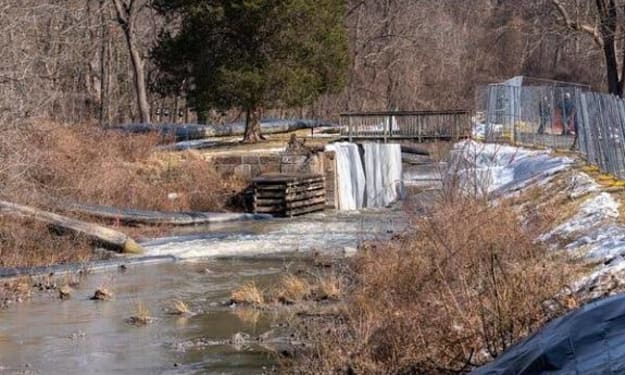
A massive sewage spill into the Potomac River has escalated into a full-scale ecological emergency and a bitter political dispute, exposing weaknesses in aging infrastructure and igniting debate over responsibility and environmental protection in the nation’s capital region. The spill, which occurred following a failure at a major wastewater treatment facility near Washington, D.C., released millions of gallons of untreated sewage into the river over several days. Environmental officials warn that the contamination has severely damaged aquatic life and threatens public health along one of the most historically significant waterways in the United States. Environmental Impact Scientists and environmental groups say the spill has caused a sharp decline in oxygen levels in the river, leading to fish kills and the destruction of sensitive habitats. Elevated levels of bacteria and nitrogen compounds have been detected, raising concerns about long-term ecological damage. “This is not just a localized incident—it’s a regional disaster,” said a spokesperson for the Environmental Protection Agency. “The Potomac supports wildlife, drinking water systems, and recreational activity. A spill of this magnitude disrupts the entire ecosystem.” Local authorities have temporarily closed several riverfront parks and issued warnings against swimming, fishing, and boating in affected areas. Water treatment plants downstream have increased filtration measures as a precaution, though officials insist that municipal drinking water remains safe. Infrastructure Failure Preliminary investigations suggest the spill was caused by mechanical failure compounded by heavy rainfall that overwhelmed the sewer system. Much of the wastewater infrastructure in the region dates back decades and is struggling to cope with population growth and extreme weather events. Engineers have warned for years that upgrades were urgently needed. However, budget constraints and political disagreements delayed major repairs. The latest spill has now turned those warnings into a visible crisis. A senior utility official admitted that maintenance backlogs played a role. “We have been operating with equipment that is well past its intended lifespan,” the official said. “This incident shows what happens when investment is postponed too long.” Political Fallout The environmental emergency has quickly become a political flashpoint. City and state leaders are trading accusations over who bears responsibility for the failure. Lawmakers from Maryland and Virginia, whose communities border the Potomac, have demanded a federal investigation and emergency funding. Opposition politicians argue that mismanagement and underfunding created the conditions for disaster. “This was preventable,” said one congressional representative. “The public deserves accountability for a failure that threatens both health and the environment.” Meanwhile, local officials counter that climate-driven storms and federal regulatory complexity contributed to the breakdown. They have called for coordinated federal support rather than blame. Community Reaction Residents living near the river describe foul odors and discolored water following the spill. Fishermen report seeing dead fish floating near the banks, and tourism operators say cancellations have surged. “This river is part of our identity,” said a business owner who runs kayak tours. “Now people are afraid to even touch the water.” Environmental advocacy groups have organized cleanup efforts and public demonstrations, demanding stronger environmental protections and faster infrastructure modernization. Some are calling the incident one of the worst pollution events in the Potomac’s recent history. Long-Term Consequences Experts warn that recovery could take months or even years, depending on the extent of contamination. Nutrient overload may lead to algal blooms that further reduce oxygen levels and harm marine species. Birds and mammals that depend on the river may also be affected through contaminated food sources. The spill has also renewed debate over national water infrastructure funding. Across the United States, thousands of wastewater systems face similar risks, according to federal data. Without sustained investment, analysts warn that incidents like this could become more frequent. Looking Ahead Federal and state agencies have launched a joint investigation to determine the precise cause of the failure and assess potential legal consequences. Emergency funds are being discussed to accelerate repairs and reinforce flood resilience. For now, the Potomac River stands as both an environmental casualty and a symbol of political division. While officials argue over accountability, environmentalists stress that the focus must remain on restoration and prevention. “This should be a wake-up call,” said an environmental policy expert. “Clean water is not a partisan issue. It’s a public necessity.” As cleanup efforts continue, the sewage spill has transformed from an infrastructure accident into a defining test of how government responds to environmental crisis—one that could shape policy debates for years to come.
By Fiaz Ahmed 6 days ago in The Swamp