Fiaz Ahmed
Bio
I am Fiaz Ahmed. I am a passionate writer. I love covering trending topics and breaking news. With a sharp eye for what’s happening around the world, and crafts timely and engaging stories that keep readers informed and updated.
Stories (1226)
Filter by community
India Watches With Concern as Its Biggest Rival Plans to Add 50 New Warships to Its Fleet. AI-Generated.
India is closely monitoring the rapid expansion of its biggest regional rival’s naval forces, as new reports indicate that China intends to acquire up to 50 additional warships in the coming years. The ambitious plan would significantly enhance Beijing’s maritime power and reshape the strategic balance across the Indo-Pacific, a region critical to global trade and security. For New Delhi, the development raises urgent questions about deterrence, regional influence, and the future of naval competition in Asia. Defense analysts say the scale of China’s proposed expansion underscores its determination to project power far beyond its coastline and challenge established maritime actors, including India. A Major Expansion of Naval Power China already operates the world’s largest navy by number of vessels, with a fleet that includes aircraft carriers, destroyers, frigates, submarines, and amphibious assault ships. The reported plan to add 50 new warships would further strengthen the People’s Liberation Army Navy, allowing it to conduct sustained operations in the South China Sea, the Indian Ocean, and beyond. According to military experts, the new ships are expected to include advanced destroyers, multi-role frigates, and possibly additional aircraft carriers and submarines. These platforms would be equipped with long-range missiles, modern radar systems, and enhanced anti-submarine warfare capabilities, making them formidable assets in any potential conflict scenario. The expansion is part of a broader modernization drive aimed at transforming China’s navy into a “world-class force” capable of defending overseas interests, securing maritime trade routes, and supporting Beijing’s geopolitical ambitions. India’s Strategic Concerns For India, China’s naval buildup is not an abstract development but a direct strategic challenge. New Delhi has long viewed the Indian Ocean as its primary sphere of influence. However, China’s growing presence in the region—through port investments, naval patrols, and joint exercises—has steadily increased pressure on India’s maritime dominance. Indian defense officials privately acknowledge that a fleet expansion of this magnitude could tilt the balance of power in contested waters. The concern is not only about numbers but about the sophistication and reach of Chinese naval forces. “China is no longer a coastal navy,” said one Indian security analyst. “It is becoming a blue-water navy with the ability to operate far from home, including in areas India considers strategically vital.” Regional Implications China’s plan to expand its fleet comes amid heightened tensions across the Indo-Pacific. Disputes in the South China Sea, concerns over Taiwan, and growing rivalry between major powers have turned the region into one of the most militarized maritime zones in the world. Neighboring countries such as Japan, Vietnam, and the Philippines are also watching developments closely. Many have increased their own defense spending in response to China’s naval growth, leading to fears of an accelerating arms race at sea. For India, the implications extend beyond direct confrontation. A stronger Chinese navy could affect freedom of navigation, trade routes, and regional partnerships. India’s role within strategic groupings such as the Quad—alongside the United States, Japan, and Australia—has already taken on greater importance as a counterbalance to Beijing’s influence. India’s Response India has been investing steadily in its own naval modernization. The Indian Navy is expanding its fleet with new destroyers, submarines, and domestically built aircraft carriers. Indigenous shipbuilding programs aim to reduce dependence on foreign suppliers while improving technological self-reliance. However, defense planners admit that matching China ship-for-ship is unrealistic. Instead, India is focusing on asymmetric capabilities such as submarines, maritime surveillance, and partnerships with friendly navies to maintain strategic equilibrium. New Delhi is also strengthening ties with regional partners to ensure that the Indian Ocean does not become dominated by any single power. Joint exercises and intelligence-sharing agreements have increased in recent years, reflecting a shift toward collective security. Economic and Political Dimensions China’s naval expansion is backed by its vast industrial capacity and defense budget, which far outstrips that of most regional competitors. Shipyards are producing advanced vessels at a pace unmatched globally, giving Beijing a sustained advantage in fleet growth. Politically, the program sends a strong signal of China’s ambitions as a maritime power. It reinforces President Xi Jinping’s vision of a strong military capable of safeguarding China’s global interests and supporting its rise as a major world power. Looking Ahead As China moves forward with its plan to acquire 50 new warships, India faces a complex strategic environment marked by competition, uncertainty, and shifting alliances. While open conflict remains unlikely, the expanding naval capabilities of China will continue to shape India’s defense planning and regional diplomacy. For now, New Delhi is watching closely, aware that the balance of power in Asian waters is evolving rapidly. The coming decade will likely determine whether the Indo-Pacific becomes a zone of cooperation or a stage for intensified naval rivalry, with India and China at its center.
By Fiaz Ahmed 6 days ago in The Swamp
Lord of the Rings Star Cast as Lennon’s Wife in Beatles Biopic. AI-Generated.
A major casting announcement has sparked excitement across the film and music worlds after a star from The Lord of the Rings franchise was confirmed to portray Yoko Ono, the wife of John Lennon, in an upcoming biopic centered on the legendary rock band The Beatles. The casting choice has already generated intense public interest, with fans eager to see how the complex and often controversial figure of Ono will be depicted on screen. The biopic, currently in production, aims to explore the personal and professional lives of the four Beatles during their later years, focusing particularly on the emotional and creative tensions that defined the band’s final chapter. Producers describe the film as an intimate portrait of love, fame, and artistic transformation rather than a conventional music documentary-style drama. A High-Profile Casting Decision The actor chosen for the role of Yoko Ono rose to global fame through a central role in The Lord of the Rings franchise, earning praise for dramatic depth and international appeal. Industry insiders say the filmmakers sought someone capable of portraying Ono’s artistic spirit and the emotional complexity of her relationship with Lennon. In a statement released by the production team, the director said the casting process took months. “We needed someone who could reflect Yoko’s strength, vulnerability, and creative identity. She was not simply Lennon’s wife; she was an artist in her own right and a major influence during a turning point in music history.” The actor reportedly underwent extensive preparation for the role, including studying Ono’s interviews, performance art, and recorded conversations with Lennon. Language coaching and vocal training were also part of the preparation, as the film includes scenes of both public appearances and private moments between the couple. Reframing Yoko Ono’s Image For decades, Yoko Ono has been a divisive figure in popular culture, often blamed by some fans for contributing to the breakup of The Beatles. However, modern historians and biographers increasingly argue that the band’s separation was driven by multiple factors, including business disputes and creative differences. The biopic is expected to present Ono as a collaborator and muse rather than a villain. Screenwriters say the story will highlight her influence on Lennon’s experimental music phase and their shared activism during the Vietnam War era. A producer close to the project explained, “This is not about assigning blame. It’s about showing two artists who found each other in a moment of intense change. Their relationship challenged norms and pushed creative boundaries.” A Broader Beatles Story The film is one part of a larger cinematic project that will eventually include individual storylines for each band member. Lennon’s relationship with Ono is considered one of the emotional cores of the narrative, especially as it coincided with the group’s internal struggles and eventual split. Several iconic moments will be recreated, including recording sessions, media appearances, and private domestic scenes that shaped Lennon’s later songwriting. Music rights negotiations reportedly took years to finalize, allowing the filmmakers to include original Beatles tracks alongside Lennon’s solo material. Fan Reaction and Industry Buzz News of the casting spread quickly on social media, with fans debating whether a fantasy-film star can convincingly portray such a real and historically significant figure. Many expressed optimism, pointing to the actor’s proven ability to handle emotionally demanding roles. Film critics note that biopics about musicians carry high expectations, especially when dealing with legendary figures like Lennon and Ono. “Audiences want authenticity, not caricature,” said one entertainment analyst. “This casting will be judged on emotional truth rather than physical resemblance alone.” Looking Ahead The Beatles biopic is scheduled for release next year, with production currently underway in the UK and Japan. The filmmakers promise a respectful and nuanced portrayal of Lennon and Ono’s partnership, aiming to reshape public understanding of one of music history’s most scrutinized relationships. If successful, the film could redefine how mainstream audiences view Yoko Ono—not simply as Lennon’s wife, but as a creative force who stood beside one of the world’s most influential musicians during a pivotal era in modern culture.
By Fiaz Ahmed 6 days ago in Geeks
“I Just Want to Stop Hearing About It”: A Weary South Korea Awaits Verdict on Yoon Insurrection Charges. AI-Generated.
South Korea is bracing for a highly anticipated verdict in the legal proceedings against former President Yoon Suk-yeol, who faces charges related to alleged insurrection attempts during his tenure. The case has dominated headlines, polarized public opinion, and tested the resilience of South Korea’s democratic institutions. Citizens and political observers alike express fatigue as the country awaits the court’s decision. Background of the Case The charges against Yoon stem from events surrounding public protests and security measures implemented during his presidency. Prosecutors allege that Yoon and several close aides attempted to undermine democratic processes, including manipulating law enforcement and using state apparatus to suppress dissent. Supporters of the former president deny wrongdoing, framing the allegations as politically motivated and an attempt to tarnish his legacy. Legal experts note that the case is unprecedented in recent South Korean history. While previous administrations have faced scrutiny over corruption and policy missteps, direct allegations of insurrection carry severe implications for the nation’s political stability and democratic norms. Public Sentiment Across South Korea, the public reaction has been mixed but increasingly fatigued. Polls indicate that while a segment of the population remains deeply invested in the outcome, a majority expresses frustration over the prolonged media coverage and political wrangling. Many citizens describe the situation as a distraction from pressing economic, social, and foreign policy concerns. “I just want to stop hearing about it,” said a Seoul resident. “No matter the verdict, it feels like politics is stuck in a loop, and the country’s real issues get ignored.” Others echo this sentiment, emphasizing that economic stagnation, housing affordability, and tensions with North Korea demand more attention from leaders and media alike. Political Implications The verdict carries significant ramifications for South Korea’s political landscape. Should Yoon be convicted, it could trigger legal penalties including imprisonment, effectively removing him from any future political activity. Conversely, an acquittal could energize his supporters, potentially reshaping upcoming elections and the broader partisan dynamic. Analysts suggest that regardless of the outcome, the case has already reshaped public trust in political institutions. For some, the legal proceedings are a demonstration of South Korea’s commitment to accountability. For others, the drawn-out process and intense partisan debate have deepened skepticism toward government and judiciary effectiveness. Media and International Attention International observers have followed the case closely, viewing it as a litmus test for South Korea’s democratic resilience. Coverage by global media emphasizes both the legal merits and the broader political context, highlighting concerns about freedom of expression, the balance of power, and the rule of law. Domestically, the media landscape has been saturated with trial updates, analysis, and commentary. Critics argue that this coverage has contributed to public fatigue, with citizens reporting “news burnout” as repeated narratives dominate headlines without clear resolution. Broader Context The case also occurs against the backdrop of rising geopolitical tensions on the Korean Peninsula. With North Korea conducting frequent missile tests and regional powers observing South Korea’s stability closely, the country’s internal political turbulence adds an extra layer of complexity to foreign relations and national security. Economically, South Korea faces challenges including inflationary pressures, youth unemployment, and a slowing tech sector. Analysts warn that prolonged political focus on the Yoon case could divert attention and resources from these pressing matters. Looking Ahead As the verdict approaches, citizens, political actors, and international observers brace for a decision that could either conclude a tumultuous chapter in South Korea’s political history or ignite further debate. Regardless of the outcome, the case underscores the tensions inherent in a vibrant democracy: accountability, political polarization, and public fatigue all intersect in a high-stakes judicial proceeding. For a nation eager to move forward, the verdict represents not only a legal conclusion but also an opportunity for South Korea to focus once more on governance, policy priorities, and national cohesion, setting the stage for its future political trajectory.
By Fiaz Ahmed 7 days ago in The Swamp
What’s Behind the Somalia–Saudi Arabia Military Deal?. AI-Generated.
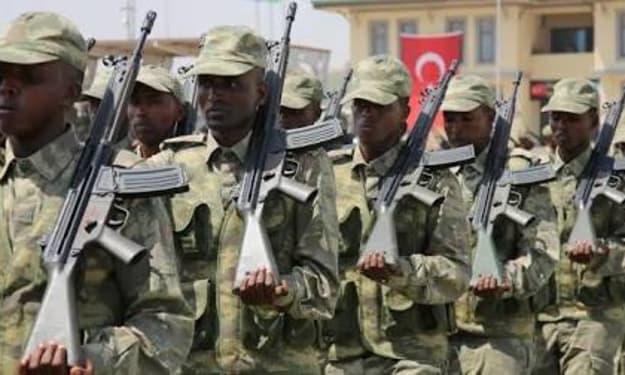
Somalia and Saudi Arabia have signed a new military cooperation agreement, raising questions about the strategic motivations behind the deal and its potential impact on regional security. Officials describe the agreement as a framework for training, arms support, and joint operations, but analysts suggest it may also serve broader geopolitical objectives. Strengthening Somalia’s Security Apparatus Somalia continues to face internal security challenges, including threats from the extremist group Al-Shabaab. The agreement with Saudi Arabia aims to bolster Somalia’s military capabilities through specialized training, logistical support, and intelligence sharing. Somali officials emphasize that the partnership will enhance their ability to combat terrorism, secure borders, and stabilize contested regions. “Saudi support provides much-needed resources and expertise,” said a Somali defense official. “It strengthens our forces and helps protect our citizens from ongoing security threats.” Saudi Arabia’s Strategic Interests For Saudi Arabia, the agreement represents an opportunity to extend influence in the Horn of Africa, a region that sits along key maritime routes in the Red Sea and the Gulf of Aden. Analysts note that Riyadh has increasingly sought partnerships across East Africa to counter perceived threats from rival regional actors and to protect its economic and strategic interests. Saudi Arabia’s involvement in Somalia aligns with its broader foreign policy goals, including countering extremist networks, securing maritime trade routes, and fostering alliances with states that can project stability in critical regions. The deal may also serve as a counterbalance to the growing influence of other external powers in Somalia, including Turkey and Qatar, both of which have established military and economic ties in the region. Regional and International Implications The military cooperation agreement has drawn attention from neighboring countries and international observers. Some analysts warn that it could shift regional balances, particularly if Saudi Arabia provides advanced equipment or deploys military advisors. Others highlight the potential for Somalia to leverage external support to enhance domestic stability, which could reduce humanitarian and security pressures in the Horn of Africa. International partners, including the United Nations and the African Union, have called for transparency in the deployment of foreign assistance to Somalia, emphasizing that aid should focus on strengthening legitimate state institutions while respecting Somali sovereignty. Tactical and Operational Details While many aspects of the deal remain confidential, reports indicate that it covers: Training programs for Somali troops in counterterrorism and urban operations. Provision of non-lethal and potentially lethal equipment, including communication and surveillance systems. Joint exercises to improve interoperability and strategic coordination. Officials have been careful to frame the agreement as defensive in nature, aimed at enhancing Somalia’s self-reliance in combating insurgency rather than projecting force abroad. However, some observers note that any foreign military involvement carries inherent risks of escalation or regional tension if not carefully managed. Challenges and Risks The Somalia–Saudi Arabia agreement faces several challenges. Security conditions in Somalia remain volatile, with ongoing insurgent activity, clan-based conflicts, and political instability complicating the implementation of training and equipment programs. Logistics, coordination between the Somali armed forces and Saudi advisors, and monitoring the proper use of provided assets are also potential hurdles. Additionally, rival regional powers may view the deal with suspicion, potentially heightening competition for influence in the Horn of Africa. Analysts stress that Saudi Arabia and Somalia will need to balance strategic interests with diplomatic sensitivity to avoid unintended tensions with neighboring countries. Looking Ahead The military cooperation deal between Somalia and Saudi Arabia is poised to reshape aspects of security dynamics in East Africa. While it promises to strengthen Somalia’s ability to address internal threats, it also reflects broader geopolitical maneuvering as external powers vie for influence in the region. The effectiveness of the agreement will depend on how well both sides implement training, manage resources, and navigate the delicate balance of regional politics. Observers will be watching closely to see whether the deal contributes to lasting stability in Somalia or becomes another layer in the complex web of Horn of Africa geopolitics.
By Fiaz Ahmed 7 days ago in The Swamp
U.S. Navy MH-60s, Air Force F-16s Will Soon Fly With New C-UAS Missiles. AI-Generated.
The United States is preparing to equip its Navy MH-60 helicopters and Air Force F-16 fighter jets with new counter-unmanned aerial system (C-UAS) missiles. The move reflects growing concern over drone threats to military operations worldwide, from battlefield reconnaissance to potential attacks on high-value assets. Defense officials describe the new missiles as lightweight, highly maneuverable, and capable of engaging small, low-signature drones at ranges suitable for both offensive and defensive operations. The integration of these systems marks a significant enhancement in the U.S. military’s ability to respond to rapidly evolving unmanned aerial threats. Addressing the Drone Challenge U.S. forces have faced an increasing number of drone encounters in multiple theaters, particularly in conflicts involving near-peer competitors and asymmetric actors. Small unmanned aerial vehicles (UAVs) can conduct surveillance, deliver ordnance, or jam communications, often with minimal risk to the operator. “The proliferation of drones presents a unique challenge,” said a senior Pentagon official. “Traditional air-defense systems are not always optimized to detect and neutralize small, agile targets. These new C-UAS missiles give our pilots a precise and rapid-response option.” Technical Capabilities The new C-UAS missiles feature advanced guidance systems and sensors designed to track and engage drones at short to medium ranges. Unlike traditional air-to-air missiles, these systems are optimized for small radar cross-sections and low-speed targets. Onboard avionics in MH-60 helicopters and F-16s are being upgraded to provide pilots with enhanced targeting data and automated engagement protocols. This integration allows crews to detect threats quickly and launch missiles with minimal delay, increasing the likelihood of neutralizing UAVs before they pose a danger to personnel or assets. Operational Integration The Navy plans to equip its MH-60 variants, including the MH-60R Seahawk and MH-60S Seahawk, with the C-UAS missiles for missions including fleet defense, convoy protection, and forward reconnaissance. The Air Force is focusing on integrating the missiles onto F-16s to provide rapid response over operational theaters where drone swarms or single unmanned threats are likely. Training programs are being developed to familiarize pilots with the new systems, emphasizing detection, target prioritization, and engagement protocols. Strategic Implications The deployment of C-UAS missiles addresses a growing capability gap in both U.S. and allied forces. Analysts say that as drones become more ubiquitous and sophisticated, the ability to neutralize them quickly is critical to maintaining operational advantage. “The integration of these systems sends a clear message to potential adversaries: U.S. forces are prepared to counter drone threats effectively,” said one defense analyst. “It enhances deterrence and reduces the risk that UAVs can disrupt or damage critical operations.” The move is part of a broader push by the Department of Defense to modernize counter-drone capabilities across all branches, including ground-based systems, shipborne defenses, and airborne platforms. Coordination between the Navy, Air Force, and allied forces is expected to enhance interoperability in future operations. Challenges and Considerations While the C-UAS missiles offer enhanced protection, officials caution that they are not a standalone solution. Effective counter-drone operations require integration with radar systems, electronic warfare measures, and operational planning. Adversaries are likely to continue developing new UAV capabilities, including stealth, swarm tactics, and electronic countermeasures. Logistical and training requirements also pose challenges. Equipping multiple aircraft types with new missiles requires coordination across maintenance units, supply chains, and pilot readiness programs. Looking Ahead The first deployments of the C-UAS missiles on MH-60 helicopters and F-16s are expected within the next year, with additional units phased in gradually. Officials emphasize that these systems will complement existing air-defense capabilities and provide crews with greater flexibility and survivability in modern operational environments. By addressing the evolving drone threat, the U.S. military aims to ensure that its forces remain capable of defending assets, protecting personnel, and maintaining operational superiority in increasingly contested airspaces.
By Fiaz Ahmed 7 days ago in The Swamp
The One Change That Worked: When Good Things Happen, I Write Them Down – and It’s Made Me More Optimistic. AI-Generated.
In a world dominated by news alerts, social media feeds, and the daily grind of responsibilities, it’s easy to focus on what goes wrong. Negative experiences often overshadow positive ones, influencing our mood, perception, and overall mental health. But one simple habit has transformed the way I experience life: writing down good things that happen. The Power of Noticing Positives For years, I would move from one task to another, barely acknowledging small victories or moments of joy. Promotions, compliments, a sunny afternoon, or even a laugh with a friend passed unnoticed. Research shows that humans naturally give more weight to negative events – a phenomenon known as the negativity bias. This bias can make daily life feel more stressful than it really is. By deliberately recording positive experiences, I discovered a counterbalance to this natural tendency. Each day, I began keeping a small notebook next to my bed. Whenever something good happened – even as simple as my morning coffee tasting perfect or a coworker saying “thank you” – I would jot it down. Small Notes, Big Impact Initially, the notebook seemed trivial. Could noting small things really change my mindset? The answer was an emphatic yes. Over weeks, I noticed subtle changes: I started looking for positives instead of automatically focusing on challenges. I felt lighter, more energized, and even my productivity improved. Psychologists call this approach a gratitude practice. It doesn’t just promote feelings of happiness; it rewires our brains to notice positive events, enhancing resilience against stress. In fact, studies have shown that people who engage in daily gratitude exercises report higher life satisfaction, better sleep, and reduced anxiety. How Writing Amplifies Optimism Writing down good things works differently than just thinking about them. Physically recording experiences engages memory and reflection, reinforcing the emotional impact. Each entry becomes a small anchor that reminds me of the richness of life. On difficult days, flipping back through past entries provides an instant mood boost, reminding me that even tough times coexist with moments of joy. Some entries are profound – a promotion, finishing a project, or reconnecting with a friend. Others are mundane: a delicious meal, a compliment, or a beautiful sunset. But over time, these accumulated positives create a mental reservoir of optimism that helps offset setbacks. Overcoming Skepticism At first, I was skeptical. Could writing down trivial events really influence my outlook? But over time, the results were undeniable. I started noticing that I laughed more, appreciated ordinary moments, and even my social interactions improved. Friends commented on my positivity, and I realized that by focusing on the good, I was inviting more of it into my life. Experts suggest that consistency is key. Writing once or twice a week is helpful, but daily practice amplifies the effect. I set aside just five minutes each evening to list three positive things from my day. The simplicity of the habit made it sustainable. Beyond Individual Benefits This habit doesn’t just improve personal optimism; it can enhance relationships and work environments. When we focus on positive experiences, we naturally express more gratitude toward others. Complimenting colleagues, thanking friends, or simply acknowledging kindness strengthens social bonds. The act of recording good things becomes a ripple effect, creating a more optimistic and connected environment. Practical Tips to Start Keep it simple: A small notebook or digital app works fine. Be specific: Instead of “I had a good day,” write “My colleague complimented my presentation.” Include feelings: Note how the positive event made you feel. Consistency matters: Even five minutes daily can create long-term benefits. Review periodically: Revisiting past entries reinforces the habit and provides a mood boost. A Transformative Shift What began as a simple exercise has become a transformative daily ritual. Writing down good things doesn’t erase problems or challenges, but it shifts focus toward what’s working, what’s beautiful, and what brings joy. It reminds me that life isn’t just a series of setbacks; it’s a mixture of triumphs, laughter, and small victories. In the end, optimism isn’t about denying negativity. It’s about choosing to acknowledge the positive alongside the negative. By taking a few minutes each day to write down what went right, I’ve learned that good things happen more often than we realize — we just have to notice them. For anyone feeling weighed down by life’s pressures, this habit offers a practical, evidence-backed path to seeing the brighter side of each day. The notebook may be small, but its impact is enormous: a simple act of recording good things can make optimism a daily reality.
By Fiaz Ahmed 7 days ago in Longevity
France Shifts Into High Gear to Make Its Navy One of the First in Europe to Integrate Surface Drones with DANAE. AI-Generated.
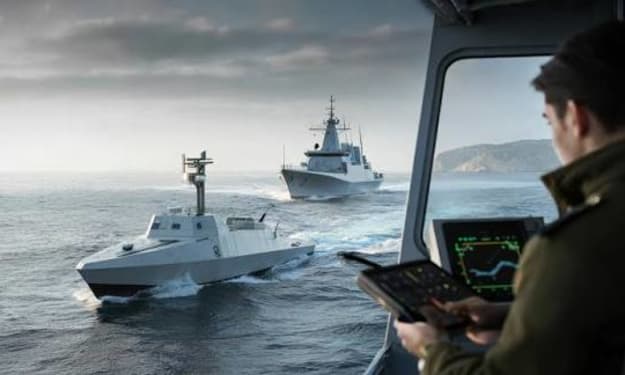
France is accelerating efforts to modernize its naval forces by integrating advanced unmanned surface vessels (USVs) under the DANAE (Dispositif d’Appui à la Neutralisation des Agressions par l’Eau) program. Defense officials say the initiative could position the French Navy as one of the first European navies capable of deploying networked surface drones for both reconnaissance and combat support. Strategic Motivation The push comes amid rising maritime challenges in Europe, from contested waters in the Mediterranean to the increasing presence of advanced naval technologies from peer competitors. France aims to maintain operational superiority while enhancing flexibility and safety for crewed vessels. By integrating USVs through DANAE, the navy intends to perform high-risk missions with reduced human exposure, leveraging automation, sensor networks, and real-time data sharing. A senior defense official explained, “The goal is to give our commanders a broader set of options at sea. USVs allow for persistent surveillance, rapid interdiction, and support for larger ships without putting sailors in harm’s way.” The DANAE Program DANAE is designed to link manned warships with multiple autonomous surface drones through a secure network. Each drone is equipped with advanced radar, sonar, and communication systems, enabling it to operate independently or in concert with other vessels. The program emphasizes modular payloads, allowing drones to be quickly reconfigured for reconnaissance, mine countermeasures, or electronic warfare. The French Navy has been conducting trials with prototype USVs since 2023, testing navigation algorithms, obstacle avoidance, and secure communications in both open-ocean and littoral environments. Early results suggest the drones can maintain operational efficiency even in complex maritime traffic and adverse weather conditions. Integration and Operational Impact Integration with DANAE enables real-time coordination between human operators and autonomous platforms. Ships can deploy drones ahead of a mission, gather intelligence, and relay data back to command centers, all while maintaining operational security. Analysts say this capability provides France with a tactical advantage, particularly in contested regions where situational awareness is critical. By fielding USVs, the French Navy can conduct riskier operations, such as mine-clearing or forward surveillance, without exposing crewed vessels to potential threats. The autonomous systems also reduce manpower requirements and operational fatigue, enabling sustained maritime presence with fewer resources. European Context France’s accelerated push is seen in the context of broader European naval modernization efforts. While several NATO countries are exploring USVs, France’s focus on integrating them through DANAE could make its navy a leader in operational deployment. Countries like the United Kingdom, Germany, and Italy have expressed interest in similar capabilities, but France’s trials and planned deployments suggest it may achieve operational readiness first. European defense analysts note that early adoption of USVs could influence regional naval strategy, as allies and competitors adjust to France’s enhanced situational awareness and force projection capabilities. The ability to deploy autonomous systems alongside traditional warships could serve as a template for future multinational operations. Challenges Ahead Despite progress, integrating USVs into active fleet operations is not without challenges. Technical issues, including cybersecurity, communication latency, and autonomous decision-making in dynamic combat scenarios, must be carefully addressed. The navy also faces logistical hurdles in maintaining and deploying drone fleets across diverse maritime theaters. Furthermore, legal and ethical considerations regarding autonomous systems in armed conflict remain a topic of discussion within European defense circles. France is coordinating with NATO and domestic authorities to ensure DANAE-compliant operations adhere to international law. Looking Ahead The French Navy aims to complete integration of DANAE-equipped USVs into its operational fleet by the late 2020s. Officials emphasize that the program is not meant to replace human sailors but to augment capabilities, increase safety, and enhance mission effectiveness. “The future of naval warfare will involve both humans and autonomous systems working in harmony,” said one naval strategist. “France is positioning itself at the forefront of this transformation in Europe.” As trials continue and the first operational drones enter service, France’s approach may set a benchmark for European navies seeking to combine traditional maritime strength with cutting-edge autonomous technology, ensuring readiness for the increasingly complex maritime environment of the 21st century.
By Fiaz Ahmed 7 days ago in The Swamp
Germany and France Interested in Polish Piorun MANPADS, Some May Be Supplied to Ukraine. AI-Generated.
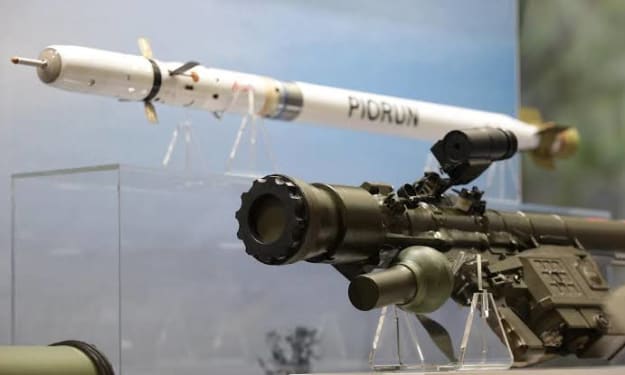
Amid the ongoing conflict in Ukraine, European nations are exploring the potential acquisition of Poland’s Piorun man-portable air-defense systems (MANPADS), with some units reportedly slated for deployment to Ukrainian forces. These developments underscore growing Western interest in advanced short-range air defense systems to counter threats posed by drones, helicopters, and low-flying aircraft on the modern battlefield. Polish Piorun: A Proven Air-Defense Solution The Piorun, developed by Polish Armaments Group, is an upgraded version of the earlier Grom MANPADS. It features advanced guidance systems, higher agility, and improved targeting sensors capable of tracking low-signature aerial threats. The system is portable, allowing infantry units to carry it in combat zones, and can be deployed quickly to protect front-line positions. Poland has demonstrated the Piorun in exercises alongside NATO forces, showcasing its efficacy against drones and aircraft operating at low altitudes. The system’s versatility has attracted interest from other European militaries, particularly as hybrid threats and unmanned aerial vehicles (UAVs) become more prevalent in contemporary conflicts. Germany and France Express Interest Recent defense briefings indicate that both Germany and France are evaluating the feasibility of acquiring the Piorun to bolster their short-range air defense capabilities. Officials in Berlin and Paris have highlighted the system’s potential to fill gaps in protection against small, agile aerial threats, which traditional air defense platforms sometimes struggle to counter. A source familiar with the discussions told analysts that while neither country has finalized procurement agreements, both are conducting technical assessments and evaluating production capacity in Poland to meet potential orders. These assessments also include compatibility with existing NATO communications and command systems, as interoperability remains a key factor in multinational operations. Supplying Piorun Systems to Ukraine Poland has emerged as a critical supplier of advanced defense equipment to Ukraine, providing various armored vehicles, artillery systems, and short-range air defense weapons. Reports indicate that a limited number of Piorun units may be transferred to Ukrainian forces, enhancing their capability to defend against Russian helicopters, drones, and tactical aircraft operating near contested frontlines. Ukrainian military officials have welcomed the prospect, noting that portable, high-precision air-defense systems provide front-line troops with flexible options to counter aerial threats in dynamic combat situations. The Piorun’s mobility and modern guidance make it especially suitable for Ukraine’s current battlefield, where small-unit operations and rapidly changing front lines are common. Strategic Implications The potential transfer of Piorun systems to Ukraine carries both military and geopolitical implications. It represents continued Western support for Kyiv, signaling NATO countries’ willingness to supply advanced weapons while avoiding direct involvement in combat operations. The provision of such systems could also influence Russian operational planning, compelling Moscow to adjust tactics to mitigate the threat from portable, precision air-defense systems. For Germany and France, acquiring the Piorun offers the opportunity to modernize their own arsenals quickly. Both nations are undergoing reviews of their air-defense capabilities in light of evolving threats from UAVs, cruise missiles, and low-flying aircraft. European analysts suggest that the adoption of systems like the Piorun could strengthen NATO’s layered air-defense posture in Central and Eastern Europe. Production and Export Considerations Polish defense manufacturers have confirmed that production capacity could be scaled to accommodate both domestic needs and foreign orders. However, officials caution that international sales require careful negotiation, particularly regarding delivery timelines, licensing agreements, and training for operators in foreign militaries. Furthermore, supplying Piorun units to Ukraine involves sensitive coordination with NATO allies to ensure that technology transfer does not compromise security protocols or escalate tensions with Russia. Officials have emphasized that any deliveries will be carefully measured to support Ukraine without crossing thresholds that could provoke broader escalation. Looking Ahead As Germany and France continue evaluating the Piorun MANPADS, and as Poland prepares potential shipments to Ukraine, analysts will monitor both operational deployment and geopolitical messaging closely. The move reflects a growing recognition among European countries of the importance of agile, portable air-defense systems in modern conflicts and highlights Poland’s emerging role as a key provider of advanced military technology in the region. The coming months may reveal further agreements or transfers, potentially altering both NATO’s short-range air-defense posture and Ukraine’s ability to defend critical front-line positions against evolving aerial threats.
By Fiaz Ahmed 7 days ago in The Swamp
Ukraine War Briefing: Kyiv’s Forces Made Fastest Battlefield Gains Since 2023, Analysis Finds. AI-Generated.
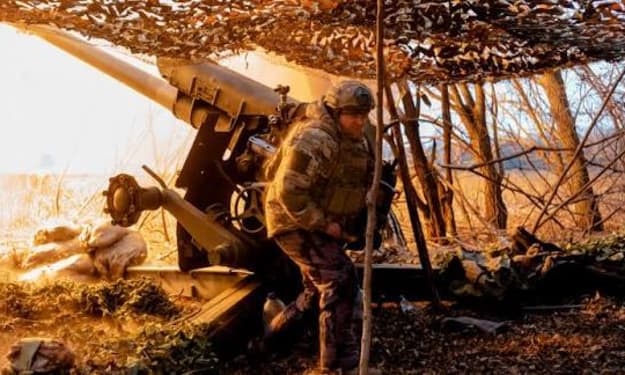
Ukrainian forces have achieved their most significant and rapid battlefield advances since 2023, according to new military analysis assessing recent developments along several front-line sectors. The findings suggest a shift in momentum after months of largely static fighting and point to improvements in coordination, intelligence, and the use of precision weapons by Ukraine. The analysis, based on satellite imagery, open-source intelligence, and battlefield reporting, indicates that Ukrainian units have reclaimed small but strategically important areas in the eastern and southern regions. While the territorial gains remain limited in scale, their speed marks a notable change from the slow, attritional pace that dominated much of last year. Breakthroughs in Key Sectors Recent fighting has focused on contested zones where Russian defensive lines had hardened over months of trench warfare. Ukrainian troops reportedly exploited weaknesses created by sustained artillery pressure and targeted drone strikes, allowing them to advance more quickly than in previous operations. Military analysts say these advances were not the result of a single large offensive but rather a series of coordinated local pushes. Small, mobile units supported by drones and long-range firepower appear to have disrupted Russian supply routes and command posts, forcing withdrawals in certain areas. “This is the fastest pace of Ukrainian movement we’ve observed since mid-2023,” one defense analyst said. “It suggests a tactical adaptation that emphasizes precision and flexibility rather than mass assaults.” Role of Technology and Intelligence A key factor behind the gains has been the expanded use of drones for reconnaissance and targeting. Ukrainian forces have increasingly relied on real-time battlefield intelligence to guide artillery and missile strikes, reducing the risk of costly frontal attacks. Electronic warfare capabilities have also played a growing role. By jamming Russian communications and GPS signals, Ukrainian units have limited the effectiveness of enemy drones and missile systems in certain sectors. Western-supplied equipment continues to shape operations, though officials caution that ammunition shortages and logistical constraints remain serious challenges. Despite these limits, commanders appear to be prioritizing carefully chosen objectives rather than broad territorial pushes. Political and Strategic Impact The advances come at a politically sensitive moment, as debates continue in Western capitals over the scale and duration of military aid to Ukraine. Officials in Kyiv have repeatedly argued that sustained support is essential to maintain pressure on Russian forces and prevent a prolonged stalemate. President Volodymyr Zelensky praised the military’s performance, saying the gains demonstrated Ukraine’s resilience and adaptability. “Our soldiers are proving that we can move forward, even under extremely difficult conditions,” Zelensky said in a recent address. “Every kilometer matters for our security and our future.” Russian officials, meanwhile, downplayed the significance of the advances, describing them as minor tactical adjustments rather than a strategic setback. Moscow maintains that its forces remain firmly in control of most contested territories. Risks of Escalation Despite the positive assessment, analysts warn that the situation remains volatile. Faster Ukrainian advances could provoke heavier Russian counterattacks, including intensified missile strikes on infrastructure and urban areas. There is also concern that success on the battlefield may encourage riskier operations in the coming months, particularly as both sides seek leverage before any potential diplomatic initiatives. With no comprehensive peace talks underway, military action continues to be the primary tool shaping the conflict’s trajectory. Civilian populations in contested regions remain vulnerable, with reports of shelling and displacement increasing in areas where fighting has intensified. Humanitarian groups have called for renewed efforts to protect non-combatants and maintain access to aid corridors. A Shift, Not a Turning Point Experts caution against interpreting the latest gains as a decisive turning point in the war. The advances are measured in kilometers rather than regions, and Russian forces still retain significant manpower and firepower. However, the speed of movement itself is significant. It signals that Ukraine has found ways to overcome some of the tactical obstacles that slowed its operations last year, particularly heavy minefields and layered defenses. “This doesn’t mean the war is close to ending,” one analyst noted. “But it does show that Ukraine can still generate momentum under the right conditions.” Looking Ahead As winter conditions ease and fighting intensifies, both sides are expected to increase pressure along key fronts. For Ukraine, maintaining recent gains will depend on continued access to weapons, ammunition, and intelligence support from allies. For now, the latest assessment offers Kyiv a rare moment of cautious optimism after months of grinding warfare. Whether these advances can be sustained — or expanded — will shape the next phase of a conflict that has already redrawn Europe’s security landscape. The coming weeks are likely to determine whether this faster pace of battlefield movement marks the beginning of a broader strategic shift or remains a brief window of opportunity in a long and costly war.
By Fiaz Ahmed 7 days ago in The Swamp
US Increases Military Pressure on Iran Ahead of High-Stakes Talks. AI-Generated.
As diplomatic negotiations between the United States and Iran resume this week, Washington is simultaneously bolstering its military posture across the Middle East in what analysts describe as an effort to increase leverage over Tehran before high-stakes nuclear talks. The dual approach — blending diplomacy with a visible military buildup — underscores the fragility of the situation and the broader regional tensions that continue to shape U.S.–Iran relations. Military Buildup in the Gulf In the past few weeks, the United States has significantly increased its military presence in and around the Persian Gulf ahead of planned talks in Geneva, where Iranian and American officials will discuss Iran’s nuclear programme and related security issues. According to U.S. officials and defense analysts, the Department of Defense has repositioned air assets, air defense systems, and naval forces closer to the region, extending the deployments of units that were previously scheduled to rotate out. News Channel 3-12 The surge includes the USS Abraham Lincoln carrier strike group already in the Middle East and the deployment of the USS Gerald R. Ford aircraft carrier from the Caribbean to join its complement of warships. These carrier strike groups, along with guided-missile destroyers and support ships, provide the United States with substantial air, missile, and strike capabilities if military action becomes necessary. The Guardian +1 The buildup also encompasses repositioned Air Force assets from Europe and the United Kingdom, including aerial refueling tankers and fighter aircraft positioned to support potential operations in the region. Moreover, ground-based air defense systems have been staged nearby to protect U.S. installations and forces. News Channel 3-12 Leverage Ahead of Negotiations U.S. officials say the military pressure is intended to bolster the negotiating position of Washington during the ongoing talks with Iranian representatives. The discussions in Geneva are aimed at securing limits on Tehran’s nuclear activities, including uranium enrichment — a highly contentious issue that has repeatedly stalled past negotiations. Speaking recently about the upcoming talks, U.S. President Donald Trump indicated that he would remain involved “indirectly” in the negotiations and emphasized that the United States was prepared to pursue diplomatic solutions but retains a range of military options should diplomacy fail. However, U.S. diplomats are pushing for broader terms in negotiations that extend beyond just the nuclear question to include Iran’s ballistic missile programme and influence on regional proxy groups, according to senior American officials. These expanded demands have complicated discussions, as Tehran remains firm that its rights to enrich uranium cannot be compromised. Iranian Response and Regional Tensions Iran has signalled its unwillingness to be intimidated by the U.S. military presence. Iranian Foreign Minister Abbas Araghchi has emphasized that Tehran will not cede its nuclear rights under pressure and has rejected U.S. calls to curtail key elements of its defence programme. Iranian officials have also warned that increased U.S. deployments and threats of force could derail diplomatic progress and heighten the risk of confrontation. In parallel with the U.S. military buildup, Iran’s Revolutionary Guard Corps has conducted military drills in the Strait of Hormuz, a crucial maritime chokepoint through which roughly one-fifth of global oil exports pass. These exercises, which Iran says test readiness amid rising tensions, illustrate Tehran’s determination to assert its strategic influence and signal that it will not be cowed by foreign military movements. Risks and Stakes The timing of the military escalation and diplomatic engagement has drawn criticism from some regional leaders and foreign policymakers, who worry that the mixture of pressure and negotiation could backfire. Gulf states, historically wary of U.S.–Iran tensions, have urged caution, warning that a misstep could disrupt oil shipments through the Strait of Hormuz, drive up global energy prices, and destabilize an already fragile region. Observers note that additional U.S. deployments risk inflaming anti-American sentiment and could strengthen hardliners in Tehran who oppose concessions. Global Implications Any failure of the Geneva talks — which involve not just nuclear issues but broader regional security concerns — could have far-reaching consequences. A breakdown in negotiations might embolden both sides to escalate military postures further, destabilizing markets and undermining diplomatic efforts by European and Middle Eastern mediators. Conversely, a breakthrough could reduce the military threat and ease geopolitical tensions. As the United States keeps its military options on the table, world leaders are watching closely. The next few days of talks carry the potential to avert or accelerate a dangerous standoff between two of the Middle East’s most powerful actors.
By Fiaz Ahmed 7 days ago in The Swamp
Mexico and Canada Plan Joint Action on Critical Minerals. AI-Generated.
Mexico and Canada are preparing to deepen cooperation on critical minerals in a move aimed at strengthening North America’s supply chains and reducing dependence on overseas sources, particularly China. The initiative reflects growing global competition over materials essential for clean energy technologies, electric vehicles, and advanced manufacturing. Officials from both countries confirmed that talks are underway to coordinate exploration, investment, and processing strategies for minerals such as lithium, nickel, cobalt, and rare earth elements. These materials are vital for batteries, renewable energy systems, and defense technologies, making them central to national security and economic planning. Strategic Motivation The joint effort comes as governments worldwide seek to secure reliable access to critical minerals amid rising geopolitical tensions and increasing demand driven by the transition to green energy. Mexico and Canada view cooperation as a way to align policies, attract private investment, and create a more resilient regional supply network. Canada already plays a major role in global mining and has identified critical minerals as a cornerstone of its industrial strategy. Mexico, meanwhile, holds significant untapped mineral reserves, including lithium deposits that have drawn international attention. By coordinating their approaches, the two countries hope to complement each other’s strengths — Canada’s mining expertise and Mexico’s geological potential. Canadian officials have emphasized that closer collaboration with Mexico could help diversify sources of supply while promoting higher environmental and labor standards across the mining sector. Mexican authorities have highlighted the importance of using mineral resources to support domestic development while participating more fully in North American industrial supply chains. Focus on Lithium and Battery Materials One of the central pillars of the joint plan is lithium, a key ingredient in electric vehicle batteries. Mexico has designated lithium as a strategic resource and has moved to increase state involvement in its extraction and management. Canada, meanwhile, is seeking to expand its lithium production and processing capacity to support its growing electric vehicle industry. Analysts say a coordinated approach could accelerate investment in refining and processing facilities, which remain a bottleneck in the global supply chain. At present, much of the world’s critical mineral processing takes place in China, leaving Western economies vulnerable to disruptions or political leverage. By working together, Mexico and Canada aim to encourage the development of regional processing hubs that would reduce reliance on distant suppliers and create high-value industrial jobs. Trade and Diplomatic Implications The plan also aligns with broader North American trade objectives under the United States-Mexico-Canada Agreement (USMCA). While the United States is not formally part of the bilateral initiative, officials acknowledge that Washington would benefit from stronger coordination between its two neighbors. Industry groups have welcomed the announcement, noting that predictable regulatory frameworks and cross-border cooperation are essential for large-scale mining and infrastructure projects. However, some environmental organizations have cautioned that mineral development must not come at the expense of ecosystems or local communities. In Mexico, where mining has historically faced opposition from indigenous and rural groups, the government has pledged that any new projects will be subject to strict environmental oversight and social consultation. Canada has similarly stressed its commitment to sustainable mining practices and partnerships with First Nations. Challenges Ahead Despite shared goals, the partnership faces obstacles. Differences in regulatory systems, investment rules, and state involvement could complicate coordination. Mexico’s recent moves to increase government control over strategic resources have raised concerns among some foreign investors, while Canada’s mining sector remains largely private-driven. Infrastructure gaps also pose a challenge. Transporting and processing minerals requires extensive rail, port, and energy networks, particularly in remote areas. Both governments will need to mobilize public and private financing to support these developments. Another key issue is workforce development. Mining and processing critical minerals require specialized skills, and both countries are exploring training programs to prepare workers for expanding industries linked to clean energy and advanced manufacturing. A Regional Vision Officials describe the initiative as part of a longer-term vision to position North America as a competitive and secure supplier of critical minerals in an increasingly fragmented global economy. With demand for electric vehicles and renewable energy projected to surge over the next decade, access to raw materials is expected to become even more strategically important. “Critical minerals are the backbone of the energy transition,” one Canadian official said. “Working with Mexico allows us to build a stronger, more secure regional supply chain that benefits both our economies.” Mexican authorities echoed that sentiment, saying cooperation would help ensure that resource development contributes to national growth while supporting regional integration. Looking Ahead Formal agreements are expected to be announced later this year, outlining specific areas of cooperation such as joint geological surveys, information sharing, and investment incentives. If successful, the partnership could serve as a model for broader continental coordination on resources vital to the future economy. As global competition intensifies, Mexico and Canada’s joint action on minerals signals a strategic shift toward collaboration over competition — a move designed to secure their place in the evolving landscape of clean energy and high-tech industries.
By Fiaz Ahmed 7 days ago in The Swamp
If you take the Thar Desert Safari Train, focus on the destination, not the journey. AI-Generated.
The Thar Desert Safari Train promises romance, heritage, and a once-in-a-lifetime rail experience across India’s vast desert landscapes. Marketed as a luxury and cultural journey, the train is designed to showcase the traditions, history, and natural beauty of western India. Yet for many travelers who board it with grand expectations of rail luxury, the true reward lies not in the hours spent onboard but in the destinations it reaches. The route cuts through the sweeping sands of the Thar Desert, a region that has inspired poets, warriors, and travelers for centuries. The desert’s raw beauty — rolling dunes, stark horizons, and bursts of life around oasis towns — offers a powerful sense of India’s ancient trading routes and royal past. But while the train provides access to these iconic places, the journey itself can feel more functional than transformative. A Train with Grand Ambitions The Safari Train was conceived as a cultural bridge between modern tourism and the princely heritage of Rajasthan. Carriages are decorated with traditional motifs, and staff are dressed in regional attire. Onboard meals often feature local cuisine, and cultural performances are occasionally staged for passengers. Yet unlike India’s ultra-luxury heritage trains, the Safari Train is more modest in comfort. Compartments are compact, schedules are tight, and long stretches of travel pass without much to see beyond sand and scrubland. For travelers expecting panoramic luxury and seamless service, the reality can feel underwhelming. This is why seasoned visitors advise focusing less on the train experience and more on what awaits at each stop. The Magic of the Desert Cities The train’s primary destination is Jaisalmer, often called the “Golden City” for the honey-colored sandstone of its fort and buildings. Rising from the desert like a mirage, Jaisalmer Fort remains one of the few living forts in the world, with families still residing within its ancient walls. Here, travelers can wander through narrow lanes lined with carved havelis, visit Jain temples adorned with intricate stonework, and watch the sunset over vast dunes that stretch endlessly into the horizon. Camel safaris, desert camps, and folk music performances create the immersive desert experience that many imagine when they think of Rajasthan. Beyond Jaisalmer, the journey may include stops in towns that reveal the softer, human side of the desert — markets filled with embroidered textiles, artisans working with leather and silver, and tea stalls buzzing with conversation. These moments, not the time spent in the carriage, become the lasting memories. A Landscape Best Explored on Foot While the train covers impressive distances, the desert reveals its true character only when travelers step off and explore slowly. Sunrise over the dunes, the sound of temple bells at dusk, and the silence of the open desert night are experiences that cannot be replicated through a train window. Local guides offer insight into desert survival, ancient water systems, and the legends of Rajput kings who once ruled the region. Visitors learn how communities have adapted to harsh climates with architecture designed to stay cool and customs shaped by scarcity and resilience. This depth of experience contrasts sharply with the relatively rushed schedule onboard the train, where tight timetables sometimes leave little room for reflection or spontaneity. Expectations Versus Reality The Safari Train works best when viewed as transportation with cultural touches rather than as a luxury attraction in its own right. Delays, basic facilities, and long hours on tracks can test patience, particularly for international tourists unfamiliar with India’s rail rhythms. However, those who approach the journey with flexibility and curiosity often find that the imperfections add character. Conversations with fellow passengers, shared meals, and the simple pleasure of watching desert villages pass by can be quietly rewarding. Still, most travelers agree that the train is a means to an end — a way to reach Rajasthan’s desert treasures efficiently rather than the highlight of the trip. Why the Destination Matters More The heart of the experience lies in standing atop a fort that has watched over the desert for centuries, riding a camel into the dunes, or listening to a Rajasthani folk singer under a starlit sky. These moments connect visitors to the soul of the desert in ways a carriage seat never could. By the time the train completes its route, passengers often remember the fort walls, the sand under their feet, and the people they met — not the hours spent rolling through empty landscapes. Final Thought The Thar Desert Safari Train offers a gateway into one of India’s most evocative regions. But travelers who fixate too much on the train itself risk missing the deeper magic waiting at each stop. In the Thar Desert, the destination carries the story: of ancient trade routes, desert kingdoms, and communities that thrive against the odds. The journey may bring you there, but it is what you discover beyond the platform that truly defines the adventure. For those willing to look past the limitations of the ride, the desert delivers something far more lasting — a sense of time, space, and tradition that lingers long after the train has moved on.
By Fiaz Ahmed 7 days ago in Longevity